Award-Winning Phonics Tutors
serving Tampa, FL
Phonics
Tutors in Tampa
Private 1-on-1 tutoring, weekly live classes for academic support, test prep & enrichment, practice tests and diagnostics, and more to elevate grades and test scores.
Based on 3.4M Learner Ratings
UniversitiesSchools & Universities
DeliveredHours Delivered
ProficiencyGrowth in Proficiency
Who needs tutoring?
No obligation. Takes ~1 minute.

Early reading instruction depends on making letter-sound relationships feel intuitive, not mechanical. Conor's years teaching Language Arts — including work with struggling readers preparing for Florida's state assessment — gave him hands-on experience breaking down blends, digraphs, and vowel patterns for students who need extra repetition and patience.
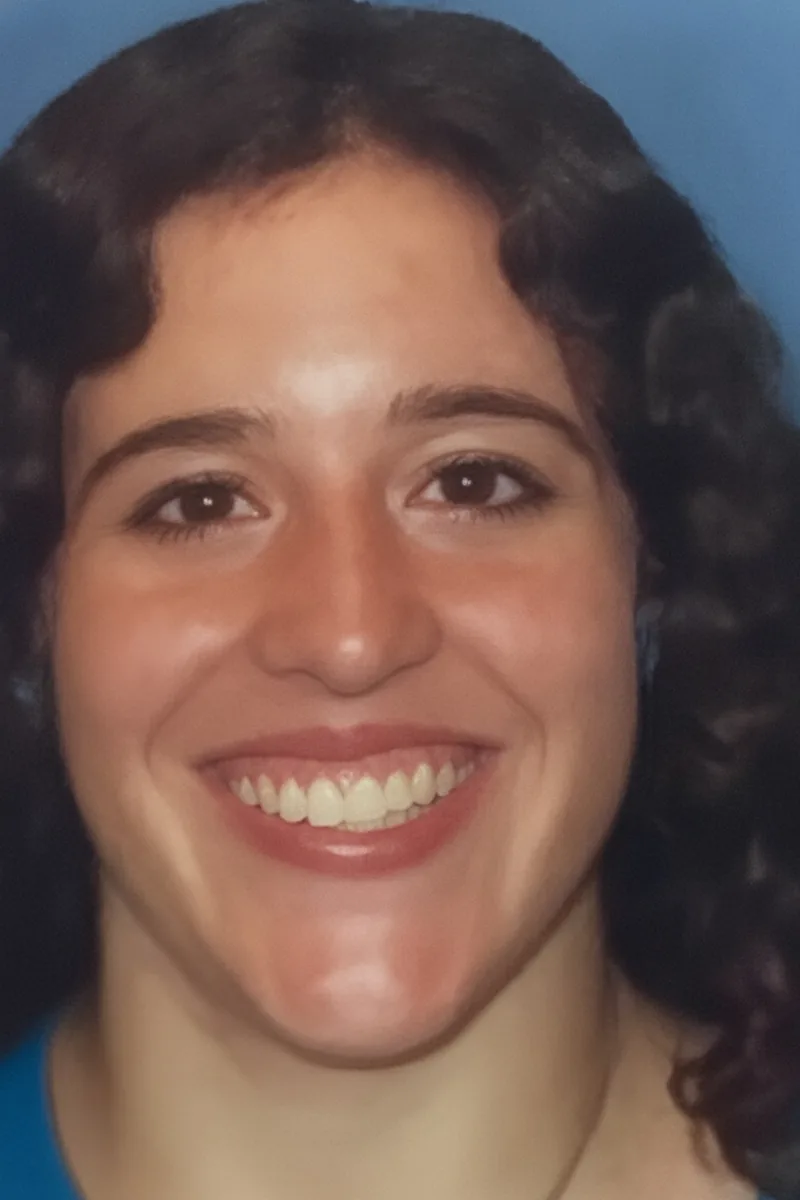
Early readers need to connect letter patterns to sounds before fluency can take off — blends, digraphs, silent-e rules, and vowel teams each require targeted practice. Kaitlyn has tutored students across all age levels for over five years, and she uses repetition paired with engaging word games to make phonics rules stick. Her patience and structured approach keep young learners confident as they move from sounding out words to reading sentences.
Before finishing her degree, Dylann spent time through America Reads working one-on-one with kindergartners — including special needs learners — building individualized phonics programs tailored to each child's pace. She breaks down letter-sound relationships, blending, and decoding into playful, structured exercises that make early reading feel like a game rather than a grind.
Kids who've decided they don't like reading are the ones Karen gravitates toward — her early childhood education training taught her to identify what a reluctant reader *can* do with sounds and letters, then build outward from that success. She sequences blending and vowel pattern work around each child's confidence level, keeping the pace low-pressure enough that decoding starts to feel like a puzzle rather than a chore. Rated 5.0 by clients.
Zachary's linguistics training at Boston University included studying phonology — the science of how speech sounds combine to form words — which gives him a technical understanding of phonics that most tutors simply don't have. He teaches letter-sound relationships, blending, and decoding strategies by connecting them to how children naturally acquire spoken language, making the jump to reading feel intuitive for early learners.
Jairo's strongest subjects are math and test prep, but his reading and writing background — plus experience preparing for graduate-level standardized exams — means he understands how English decoding rules actually work at a structural level. He breaks letter-sound patterns into logical steps, treating phonics like a system to be figured out rather than a list of exceptions to memorize. Rated 4.9 by clients.
Michelle's strength is in science — biology, chemistry, physics — not early reading instruction, so she wouldn't be the first pick for a child who needs intensive decoding work. That said, her analytical mindset means she can break letter-sound patterns into logical, repeatable steps, treating phonics rules almost like formulas a young reader can test and apply to unfamiliar words.
Early readers need someone who can make letter-sound relationships feel intuitive rather than arbitrary — connecting digraphs, blends, and vowel patterns to words kids actually want to say. Vivian's linguistics background gives her a structural understanding of how English sounds work, and her experience as a museum educator means she knows how to keep young learners engaged and moving forward.
Early readers need someone who can make the connection between letters and sounds feel natural rather than mechanical, and Kristen brings that patience to every phonics session. She breaks down blending, digraphs, and vowel teams through repetition and play, building the decoding skills that let young students move from sounding out words to actually reading sentences with confidence.
Reading and writing are central to David's tutoring work, and he brings that same attention to the building blocks underneath — letter-sound pairs, blending, and basic decoding patterns that early readers need before fluency takes off. His broad experience across elementary subjects means he can weave phonics practice into the stories and vocabulary kids are already encountering in their other lessons, reinforcing sound-spelling connections in context rather than in isolation.
Jake's experience teaching across reading levels — from elementary students to college athletes — gives him a clear sense of how phonics instruction needs to adapt as learners progress through letter-sound relationships, blending, and decoding multisyllable words. He keeps lessons structured but engaging, connecting each phonics pattern to real words students encounter in their reading.
Melissa's TESOL certification and experience teaching English abroad meant starting with the most basic building blocks of the language — how sounds connect to letters and how those connections become words. That ground-up approach translates directly to phonics instruction, where she walks young readers through decoding and blending with the kind of structured patience that a 5.0 client rating confirms.
Early reading starts with cracking the code — learning that letters and letter combinations map onto specific sounds in predictable ways. Hannah's experience as a camp counselor for K-8 students at Girls Inc. gave her practice breaking down blends, digraphs, and vowel patterns for young learners who need patient, repetitive practice. She keeps phonics sessions interactive, connecting each new sound rule to real words students encounter in their own books.
Early reading clicks when a child connects letter patterns to the sounds they already know — blends, digraphs, long and short vowels all become puzzle pieces rather than mysteries. Alex's deep background in language and literature gives him an intuitive sense of how English spelling and pronunciation relate, and he keeps phonics sessions engaging and playful for younger learners.
Growing up bilingual in French and English gave Romeo an intuitive understanding of how sounds map to letters across different phonetic systems. He breaks down blending, segmenting, and vowel patterns in ways that make early readers feel confident tackling unfamiliar words.
Teaching second grade daily, Kelsey sees firsthand how phonics clicks for young readers — the moment blending consonant clusters or recognizing vowel teams turns squiggles on a page into real words. She uses multisensory techniques and repetition games to make decoding feel like a natural, even fun, progression.
Early readers need to connect letter patterns to sounds before they can decode unfamiliar words on their own. Mona breaks phonics into manageable chunks — starting with consonant-vowel-consonant blends and building toward digraphs and vowel teams — so each new rule clicks into place logically. Her patient, structured approach (reflected in a 5.0 rating) keeps young learners confident instead of overwhelmed.
Reading and writing have been lifelong passions for Sarah, and she brings that enthusiasm to phonics instruction — breaking down letter-sound relationships, blending patterns, and vowel teams so young readers can decode new words independently. Her experience mentoring students one-on-one means she adapts quickly to each learner's pace, whether they're tackling digraphs or working through multisyllabic words.
Early readers need to crack the code connecting letters to sounds before anything else clicks. Yan has spent years in elementary classrooms teaching phonemic awareness, blending, and decoding — the building blocks that turn letter recognition into actual reading fluency. She sequences lessons carefully so each new phonics pattern builds naturally on what a child already knows.
Breaking words into their component sounds is the foundation of confident reading, and Vivian's ear training as a Juilliard-level musician gives her a sharp sensitivity to the rhythms and patterns of spoken language. She teaches phonemic awareness through systematic decoding practice, connecting letter combinations to the sounds they produce so young readers can tackle unfamiliar words independently.
Early readers need to hear and feel the patterns in language before decoding makes sense — blending consonant clusters, distinguishing long and short vowel sounds, recognizing common sight words. Ingrid brings patience and structured repetition to phonics instruction, using multisensory techniques that build reading confidence one sound at a time.
Early reading clicks when a child can reliably connect letter patterns to sounds — blending consonant clusters, recognizing long and short vowel rules, decoding unfamiliar words syllable by syllable. Mitchell's patience and structured approach make phonics practice feel more like puzzle-solving than drilling, building the decoding skills that fluent reading depends on.
Early readers need to hear the connection between letters and sounds before they can decode words on their own. Yocheved teaches phonics through engaging, multi-sensory activities — blending drills, rhyming games, and word-family sorting — that turn letter-sound relationships into something a child can feel confident about from the very first session.
Early readers need to connect letters to sounds before anything else clicks, and phonics instruction is where that connection gets built. Katherine breaks down blending, segmenting, and vowel patterns into manageable steps, using repetition and word games to make each skill stick. Her patience and creativity keep young learners motivated through the repetitive practice phonics requires.
Learning to read starts with cracking the code — connecting letter combinations like 'sh,' 'th,' and silent-e patterns to the sounds they actually make. Subashini brings the same patient, step-by-step approach she uses in science teaching to phonics, breaking down blends and digraphs so young learners build real decoding confidence.
Testimonials
Because the right Phonics tutor makes all the difference.
Average Session Rating – Based on 3.4M Learner Ratings
Nearby Phonics Tutors
Other Tampa Tutors
Related English Tutors in Tampa
Frequently Asked Questions
Phonics is the method of teaching students to read by connecting letters and letter combinations with their sounds, then blending those sounds to form words. It's a foundational skill that helps students decode unfamiliar words independently and build reading fluency. Strong phonics skills are essential for early literacy development and set the stage for reading comprehension in later grades.
Most children begin formal phonics instruction in kindergarten or early first grade, typically around ages 5-6, though some students benefit from pre-phonics activities even earlier. The right time depends on each child's individual readiness, letter recognition, and phonemic awareness skills. Varsity Tutors connects you with tutors who can assess your child's current level and determine the best starting point for personalized instruction.
In a typical Tampa classroom with a 16.6:1 student-teacher ratio, phonics instruction follows a set pace that may not match every student's learning speed. Personalized 1-on-1 instruction allows tutors to focus entirely on your child's specific challenges—whether that's letter-sound correspondence, blending, or sight words—and adjust teaching methods in real time. This targeted approach often leads to faster progress and greater confidence in reading.
Many students struggle with distinguishing similar letter sounds (like 'b' and 'd'), blending sounds together smoothly, understanding vowel patterns, or recognizing irregular words that don't follow standard phonics rules. Some children also find it difficult to apply phonics skills when reading connected text, especially when they're focused on sounding out words rather than understanding meaning. Tutors experienced in phonics instruction can identify exactly where a student is getting stuck and provide targeted practice to build mastery.
Varsity Tutors connects you with tutors who understand Florida's reading standards and the specific phonics scope and sequence used in Tampa schools. Whether your child's school uses a structured literacy approach, a basal reading program, or another method, tutors can reinforce classroom learning and fill gaps while maintaining alignment with what's being taught in school. This coordination ensures tutoring complements rather than conflicts with classroom instruction.
Progress in phonics can be tracked through concrete measures like the number of letter-sound correspondences mastered, accuracy and speed in decoding nonsense words (which shows true phonetic skill), reading fluency rates, and ability to apply phonics to real reading tasks. Tutors typically assess these skills at the start and regularly monitor improvement through informal assessments and observation. You should see measurable gains in your child's confidence, reading speed, and ability to tackle new words within weeks of consistent tutoring.
During an initial session, a tutor will assess your child's current phonics knowledge—which letter sounds they know, whether they can blend sounds, and where gaps exist. The tutor will also learn about your child's learning style, interests, and any specific concerns you have. This information allows the tutor to create a personalized plan that targets your child's needs and builds on existing strengths.
Once students master basic letter-sound correspondence, phonics instruction typically progresses to consonant blends (like 'st' or 'tr'), digraphs (like 'ch' or 'sh'), vowel patterns (short and long vowels, vowel teams), and eventually more complex patterns like syllable types and morphology. Advanced phonics also includes understanding irregular or sight words that don't follow standard rules. Tutors can guide students through this progression at a pace that ensures mastery at each level before moving forward.
Let’s find your perfect tutor
Answer a few quick questions. We’ll recommend the right plan and match you with a top 5% tutor.