Award-Winning Phonics Tutors
serving Lakeland, FL
Phonics
Tutors in Lakeland
Private 1-on-1 tutoring, weekly live classes for academic support, test prep & enrichment, practice tests and diagnostics, and more to elevate grades and test scores.
Based on 3.4M Learner Ratings
UniversitiesSchools & Universities
DeliveredHours Delivered
ProficiencyGrowth in Proficiency
Who needs tutoring?
No obligation. Takes ~1 minute.

Early reading instruction depends on making letter-sound relationships feel intuitive, not mechanical. Conor's years teaching Language Arts — including work with struggling readers preparing for Florida's state assessment — gave him hands-on experience breaking down blends, digraphs, and vowel patterns for students who need extra repetition and patience.
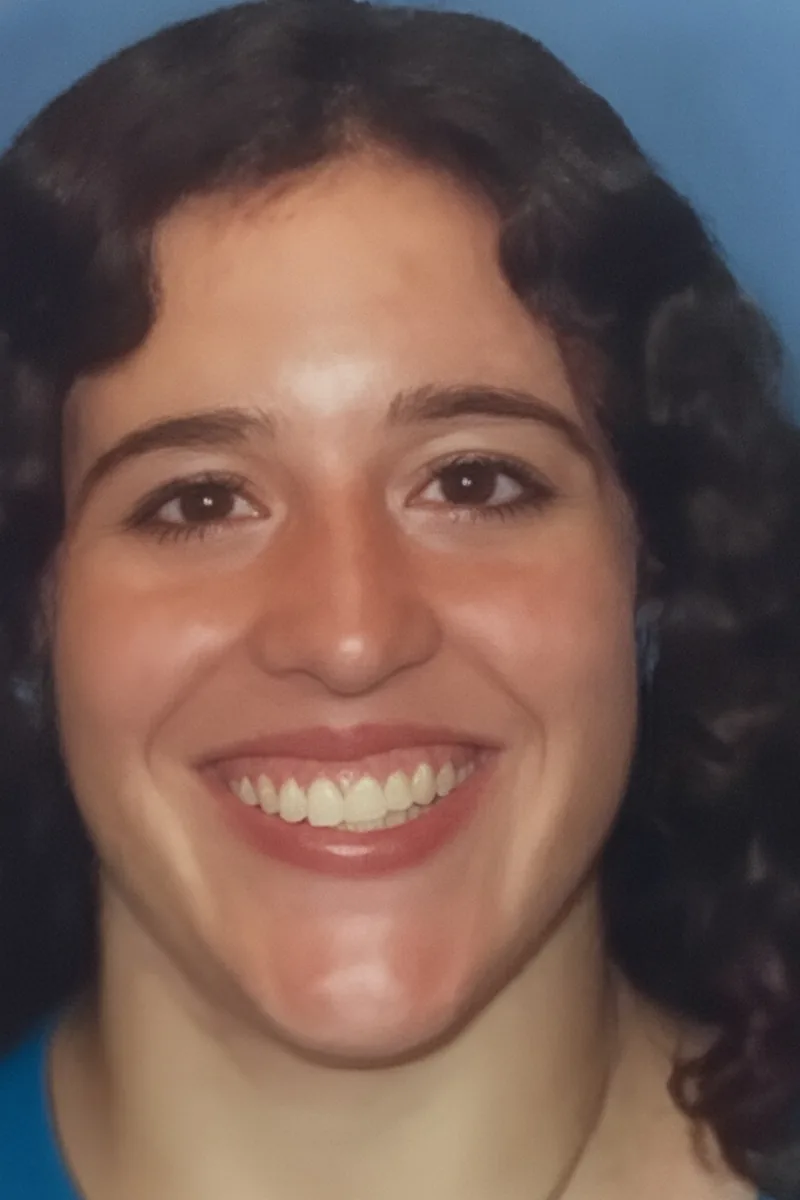
Early readers need to connect letter patterns to sounds before fluency can take off — blends, digraphs, silent-e rules, and vowel teams each require targeted practice. Kaitlyn has tutored students across all age levels for over five years, and she uses repetition paired with engaging word games to make phonics rules stick. Her patience and structured approach keep young learners confident as they move from sounding out words to reading sentences.
Before finishing her degree, Dylann spent time through America Reads working one-on-one with kindergartners — including special needs learners — building individualized phonics programs tailored to each child's pace. She breaks down letter-sound relationships, blending, and decoding into playful, structured exercises that make early reading feel like a game rather than a grind.
Before pivoting to public health at Yale, Camille earned her biology degree at Brown — but it's her TEFL certification and years teaching ESL learners that shape how she approaches phonics, since she's practiced breaking English sounds down for people whose ears aren't yet tuned to them. She builds lessons around blending and vowel pattern recognition, keeping the pace playful enough that young readers stay engaged through repetition. Rated 5.0 by clients.
Kids who've decided they don't like reading are the ones Karen gravitates toward — her early childhood education training taught her to identify what a reluctant reader *can* do with sounds and letters, then build outward from that success. She sequences blending and vowel pattern work around each child's confidence level, keeping the pace low-pressure enough that decoding starts to feel like a puzzle rather than a chore. Rated 5.0 by clients.
Jairo's strongest subjects are math and test prep, but his reading and writing background — plus experience preparing for graduate-level standardized exams — means he understands how English decoding rules actually work at a structural level. He breaks letter-sound patterns into logical steps, treating phonics like a system to be figured out rather than a list of exceptions to memorize. Rated 4.9 by clients.
Zachary's linguistics training at Boston University included studying phonology — the science of how speech sounds combine to form words — which gives him a technical understanding of phonics that most tutors simply don't have. He teaches letter-sound relationships, blending, and decoding strategies by connecting them to how children naturally acquire spoken language, making the jump to reading feel intuitive for early learners.
Michelle's strength is in science — biology, chemistry, physics — not early reading instruction, so she wouldn't be the first pick for a child who needs intensive decoding work. That said, her analytical mindset means she can break letter-sound patterns into logical, repeatable steps, treating phonics rules almost like formulas a young reader can test and apply to unfamiliar words.
Early readers need someone who can make letter-sound relationships feel intuitive rather than arbitrary — connecting digraphs, blends, and vowel patterns to words kids actually want to say. Vivian's linguistics background gives her a structural understanding of how English sounds work, and her experience as a museum educator means she knows how to keep young learners engaged and moving forward.
Reading and writing are central to David's tutoring work, and he brings that same attention to the building blocks underneath — letter-sound pairs, blending, and basic decoding patterns that early readers need before fluency takes off. His broad experience across elementary subjects means he can weave phonics practice into the stories and vocabulary kids are already encountering in their other lessons, reinforcing sound-spelling connections in context rather than in isolation.
Early readers need someone who can make the connection between letters and sounds feel natural rather than mechanical, and Kristen brings that patience to every phonics session. She breaks down blending, digraphs, and vowel teams through repetition and play, building the decoding skills that let young students move from sounding out words to actually reading sentences with confidence.
Jake's experience teaching across reading levels — from elementary students to college athletes — gives him a clear sense of how phonics instruction needs to adapt as learners progress through letter-sound relationships, blending, and decoding multisyllable words. He keeps lessons structured but engaging, connecting each phonics pattern to real words students encounter in their reading.
Melissa's TESOL certification and experience teaching English abroad meant starting with the most basic building blocks of the language — how sounds connect to letters and how those connections become words. That ground-up approach translates directly to phonics instruction, where she walks young readers through decoding and blending with the kind of structured patience that a 5.0 client rating confirms.
Hi! I'm Natalia, and I love helping kids grow to become strong and confident readers and writers. As a student at Vanderbilt, as well as an assistant preschool teacher and elementary afterschool caregiver, I've learned that every child learns differently. I create personalized engaging lessons, tailored to each child's needs and interests. My goal is to make learning fun, build confidence, spark curiosity, and help my students reach their goals! I can't wait to meet you and get started!
Early reading starts with cracking the code — learning that letters and letter combinations map onto specific sounds in predictable ways. Hannah's experience as a camp counselor for K-8 students at Girls Inc. gave her practice breaking down blends, digraphs, and vowel patterns for young learners who need patient, repetitive practice. She keeps phonics sessions interactive, connecting each new sound rule to real words students encounter in their own books.
Early readers need to crack the code between letters and sounds before fluency can follow. Alison teaches phonemic awareness systematically — blending, segmenting, digraphs, vowel teams — using her training in curriculum design to sequence lessons so each skill builds naturally on the last. Her patience and structured approach make the jump from sounding out words to reading sentences feel achievable.
Learning to read starts with cracking the code — connecting letter combinations like 'sh,' 'th,' and silent-e patterns to the sounds they actually make. Subashini brings the same patient, step-by-step approach she uses in science teaching to phonics, breaking down blends and digraphs so young learners build real decoding confidence.
During her three years as a 1st through 3rd grade classroom teacher with Teach for America, Victoria taught phonics daily — blending, segmenting, digraphs, vowel teams, all of it. That hands-on experience means she can spot exactly where a young reader's decoding is breaking down and adjust her approach on the spot.
Early reading clicks when a child can reliably map sounds to letter patterns, and John approaches phonics with the same structured patience he brings to every subject. He moves systematically through blends, digraphs, and vowel teams, building decoding confidence one skill at a time.
Early readers need someone patient enough to sit with the building blocks — letter-sound correspondence, blending, digraphs, sight words — and make each small victory feel like a big deal. Alex's bilingual background gives him particular insight into how sounds map differently across languages, which is especially useful for young learners in multilingual households.
Early readers need someone who can make the connection between letters and sounds feel intuitive, not mechanical. Ava's education minor included coursework on how children learn to decode language, and she applies that knowledge when teaching blending, segmenting, and sight-word recognition. She adapts her pacing and activities to each learner's level, turning phonics practice into something that builds genuine confidence.
Teaching phonics well means knowing exactly where a child's decoding breaks down — whether it's blending consonant clusters, distinguishing long and short vowel patterns, or tackling silent-e rules. Nicole taught K-5 students in small group settings through AmeriCorps, giving her hands-on experience adapting phonics instruction to each learner's reading level. She makes sounding out words feel like puzzle-solving rather than a chore.
Early reading starts with sounds — blending consonants, recognizing vowel patterns, decoding unfamiliar words one syllable at a time. Sarah's Child Development degree from Vanderbilt gave her a strong understanding of how young children acquire language, which shapes how she sequences phonics instruction. She keeps sessions playful and repetitive in the right ways, so letter-sound connections become automatic rather than forced.
Decoding words is the gateway to independent reading, and Anniessa approaches phonics with the patience and precision her ESL training demands. She breaks down letter-sound relationships, blending, and sight-word recognition using multisensory techniques that keep young readers engaged rather than frustrated. Her 5.0 rating speaks to how well that approach lands with families.
Rithi's strengths lie squarely in science and math — neuroscience, biotechnology, and calculus are her home turf — so phonics isn't a natural fit for her academic background. That said, her neuroscience training covered how the brain processes language and maps sounds to symbols, which gives her a more analytical lens on the decoding skills that underpin early reading.
Years of teaching ESL and TOEFL pronunciation gave Brenda a finely tuned sense of where English sound-spelling connections break down — the same skill that makes phonics instruction effective for beginning readers. She breaks syllable patterns and consonant blends into small, repeatable steps, building in movement and short resets to keep young learners focused before frustration sets in.
Reading and writing have been lifelong passions for Sarah, and she brings that enthusiasm to phonics instruction — breaking down letter-sound relationships, blending patterns, and vowel teams so young readers can decode new words independently. Her experience mentoring students one-on-one means she adapts quickly to each learner's pace, whether they're tackling digraphs or working through multisyllabic words.
Testimonials
Because the right Phonics tutor makes all the difference.
Average Session Rating – Based on 3.4M Learner Ratings
Nearby Phonics Tutors
Other Lakeland Tutors
Related English Tutors in Lakeland
Frequently Asked Questions
Varsity Tutors matches Lakeland students with expert Phonics tutors for 1-on-1 instruction. We pair each student with a tutor based on their specific needs, learning style, and goals.
Whether you need homework help, exam prep, or want to get ahead, our Phonics tutors are ready to help.
Common challenges include gaps from earlier material, difficulty with specific concepts, and trouble applying learning to new problems. These issues can snowball quickly in Phonics.
A tutor identifies where you're stuck, fills in gaps, and provides targeted practice. The 1-on-1 format means you get help exactly where you need it.
Tutors work with your student's actual coursework—homework assignments, class notes, and upcoming tests. This keeps tutoring directly relevant to what's happening in the classroom.
When you share information about your student's school and curriculum, we can match you with a tutor who has relevant experience.
All tutors complete background checks, credential verification, and teaching evaluation. Many of our Phonics tutors hold advanced degrees or have years of teaching experience.
You can review tutor profiles to find someone with the right background for your student's level and needs.
Many students see improved grades within a few weeks, along with better understanding of Phonics concepts and more confidence tackling challenging material.
Tutors track progress and adjust their approach to ensure continued improvement.
Most students benefit from 1-2 sessions per week. More frequent sessions help if your student is significantly behind or has an important exam coming up.
Your tutor can recommend a schedule based on your student's specific situation and goals.
Tutoring is purchased in packages of hours, with rates varying by tutor experience. Varsity Tutors offers several options to fit different budgets and needs.
You can discuss pricing during your consultation to find what works best.
Your tutor will assess where your student is, discuss goals, and start working on priority areas. Most students bring current homework or upcoming test material to focus on.
By the end, you'll have a clear sense of how the tutor can help and a plan for moving forward.
Let’s find your perfect tutor
Answer a few quick questions. We’ll recommend the right plan and match you with a top 5% tutor.