Award-Winning Computer Science Tutors
serving New Haven, CT
Computer Science
Tutors in New Haven
Private 1-on-1 tutoring, weekly live classes for academic support, test prep & enrichment, practice tests and diagnostics, and more to elevate grades and test scores.
Based on 3.4M Learner Ratings
UniversitiesSchools & Universities
DeliveredHours Delivered
ProficiencyGrowth in Proficiency
Who needs tutoring?
No obligation. Takes ~1 minute.
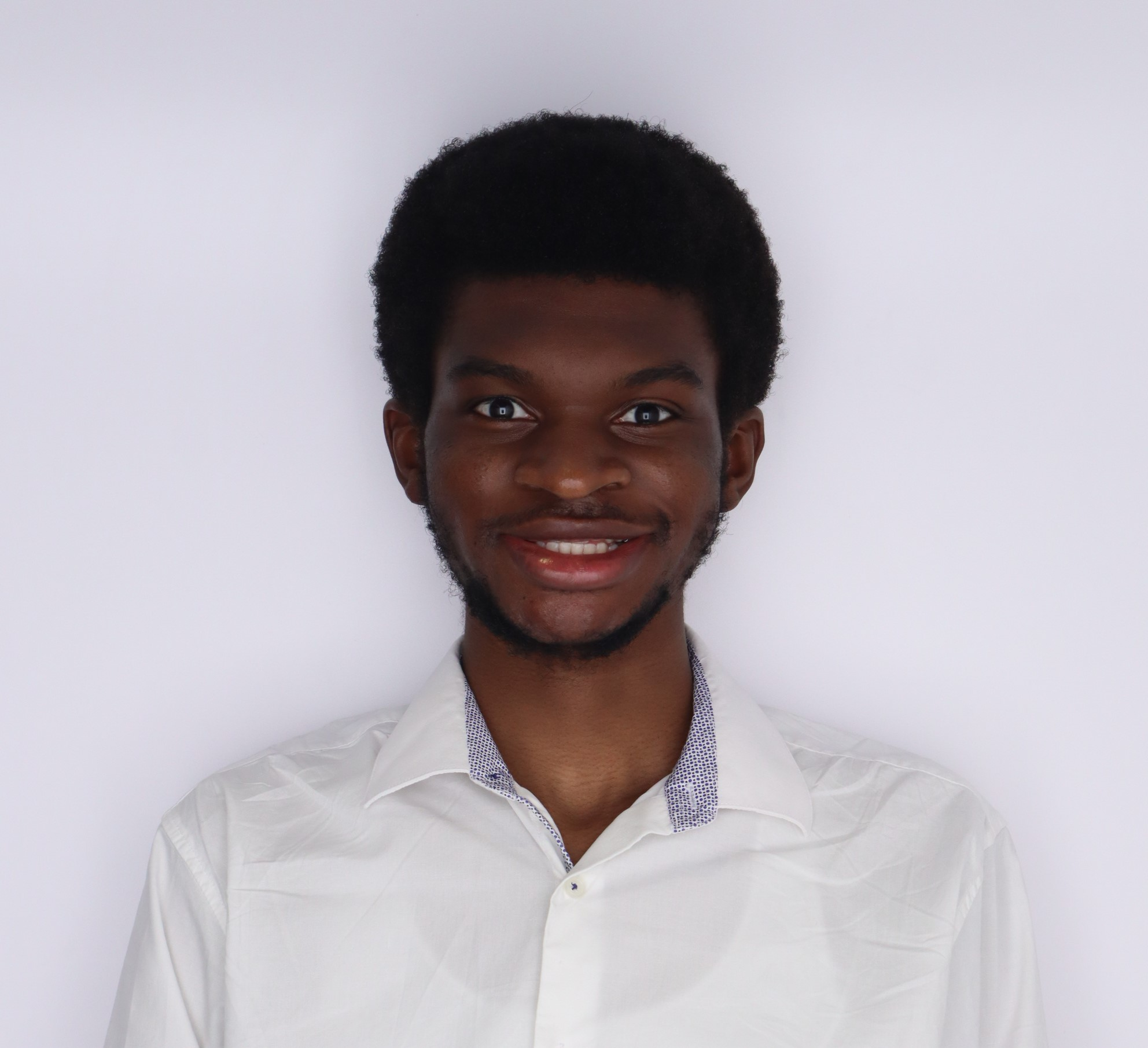
I believe every person has potential, which must be drawn out of them. With over 4 years of leading workshops, being a Teaching Assistant and creating curriculum, and nearly two years of private tutoring, I know how to help students and people of all ages easily understand concepts in Science, Technology, Engineering, and Mathematics. Having graduated from Vanderbilt University with a Bachelors degree in Engineering Science, I know how to move from not understanding a subject to understanding it well. The subjects I tutor include: - Math (Algebra 1, Geometry, Algebra 2, Pre-Calculus**, Calculus 1**, Calculus 2** and Statistics**) - Computer Science (AP CSP / AP Comp SciA, Python, ReactJS/JavaScript, HTML/CSS, Powershell/Bash Scripting) - Science (Physics**) ** - tutor subject at high school/AP/college level My teaching style includes completely modeling a problem on the board. Then, I would guide a student through solving a problem before having them solve it independently.
As an engineering student at Brown, Kashish works with programming languages and computational thinking daily — from writing algorithms to debugging code and understanding data structures like arrays, linked lists, and trees. She breaks down abstract CS concepts by connecting them to concrete problems, making topics like recursion or object-oriented design click for students encountering them for the first time. Her analytical precision and 5.0 rating make her a strong fit for introductory through intermediate computer science.
From data structures and algorithms to computational complexity, Michelle covers the core CS curriculum with the depth you'd expect from a Duke CS graduate heading into a PhD at Michigan. She's especially strong at explaining abstract concepts like recursion and graph traversal by connecting them to concrete, visual examples that make the logic intuitive.
Engineering science at Vanderbilt means Ethan writes code to solve real problems — simulations, data analysis, algorithm design — not just textbook exercises. He breaks down core concepts like recursion, data structures, and object-oriented design by connecting them to projects that actually do something interesting.
Biomedical engineering at Rice requires heavy computational coursework, so Theresa has tackled core computer science concepts — from object-oriented programming and data structures to algorithm complexity — in the context of solving real problems. She explains abstract ideas like recursion and sorting algorithms by connecting them to concrete examples rather than letting students drown in theory. Rated 5.0 by students.
A computer science degree paired with coursework in theoretical mathematics gives Lance an unusually strong grasp of the abstractions underneath the code — automata theory, algorithm complexity, data structures, and computational logic. He spent multiple semesters as a TA and independent instructor for CS courses, so he's seen firsthand which concepts trip students up and how to reframe them. Whether the topic is graph traversal or NP-completeness, he breaks it into pieces that actually make sense.
Pursuing a CS master's at Penn while TAing discrete math means Keenan lives in both the theoretical and practical sides of computer science every day. He unpacks core topics like algorithm complexity, data structure tradeoffs, and computational logic in a way that connects abstract ideas to real code. Rated 5.0 across all sessions.
Madeline's physics PhD work at Carnegie Mellon means she writes code daily — Python, Java, MATLAB, and Mathematica — to model complex systems and crunch data, which is a very different entry point into computer science than a pure software track. That scientific computing background makes her especially effective at teaching programming logic, debugging strategies, and algorithmic thinking to students who need CS skills for STEM applications rather than just app development.
Between a master's in Computer Science, an active PhD program, and a full-time software development career, Daniel lives this subject from multiple angles — theoretical and applied. He unpacks everything from algorithmic complexity and data structures to systems-level thinking, tailoring the depth to wherever a student currently sits in their CS journey.
From recursion and sorting algorithms to Big-O analysis and object-oriented design, Ethan covers core computer science concepts with the rigor of someone studying it as a second major alongside aerospace engineering. He emphasizes understanding why an algorithm works — tracing through execution step by step — so students can adapt their thinking to new problems on exams and in projects.
Isabella TA'd multiple computer science courses at MIT, so she's seen exactly where students get stuck — whether it's tracing recursive calls, understanding how data structures like linked lists and trees actually work in memory, or debugging logic errors in their code. She explains the underlying concepts so that writing correct programs becomes intuitive rather than trial-and-error. Rated 5.0 by students.
Corrina's mechanical engineering degree required extensive programming coursework, and she now teaches core computer science concepts — data structures, algorithms, Boolean logic, and computational thinking — in a way that makes abstract ideas tangible. She connects each concept to real applications, whether that's sorting algorithms in a search engine or conditionals inside a robot's control loop.
Studying both chemical engineering and computer science at Cornell gives Jonathan an unusual angle on programming — he's constantly writing code to solve quantitative, real-world problems rather than just completing standalone assignments. That dual perspective makes him especially effective at teaching algorithmic thinking and Java or Python fundamentals, since he can show students how CS concepts like iteration and data manipulation actually get applied in technical fields outside of software development.
Testimonials
Because the right Computer Science tutor makes all the difference.
Average Session Rating – Based on 3.4M Learner Ratings
Nearby Computer Science Tutors
Other New Haven Tutors
Related Technology and Coding Tutors in New Haven
Frequently Asked Questions
During your first session, a tutor will assess your current programming level, discuss your goals (whether that's mastering a specific language, building projects, or preparing for AP Computer Science), and identify areas where you need the most support—like debugging techniques or algorithmic thinking. From there, they'll create a personalized plan that matches your pace and learning style, so you can start making progress right away.
Debugging is a skill that goes beyond just finding typos—it's about understanding why errors happen and developing systematic approaches to solve them. Tutors work through errors with you in real-time, teaching you how to read error messages, use debugging tools, and think through your code logically. This hands-on practice builds confidence and helps you become independent at troubleshooting your own code.
Syntax is the specific rules of a programming language (like how to write a loop in Python), while logic is the problem-solving approach behind it (how to break down a problem into steps). Many students struggle when they focus too much on syntax and not enough on logic. Tutors help you build strong logical thinking first, which makes learning any new language much easier.
Absolutely. Project-based learning is one of the best ways to solidify your skills, whether you're interested in web development, game design, or data science applications. Tutors can guide you through building real projects, help you plan the architecture, review your code, and teach you best practices along the way. This approach keeps learning practical and motivating.
Data structures (like arrays, linked lists, and hash tables) are fundamental to writing efficient code and solving complex problems. Many students find them abstract at first, but tutors break them down with visual explanations, hands-on coding exercises, and real-world examples. Understanding data structures deeply prepares you for interviews, advanced coursework, and building scalable applications.
Whether you're interested in web development, artificial intelligence, game development, or cybersecurity, each path has different focuses and skill priorities. During your tutoring sessions, you can explore what interests you most, and tutors can guide your learning toward those goals. Many students benefit from building a strong foundation in core concepts first, then specializing as they progress.
Yes, Varsity Tutors connects students in New Haven with expert tutors who specialize in Computer Science at all levels—from introductory programming to advanced topics like algorithms and databases. Whether you attend school in one of New Haven's 10 school districts or are preparing for AP Computer Science, you can find personalized instruction that fits your schedule and goals.
Code review—where someone examines your work and provides feedback—teaches you best practices, helps you spot patterns you might miss, and exposes you to different problem-solving approaches. Tutors provide constructive code reviews that focus on improving your style, efficiency, and logic, not just making your code work. This feedback loop is invaluable for developing professional-level programming habits.
Let’s find your perfect tutor
Answer a few quick questions. We’ll recommend the right plan and match you with a top 5% tutor.