Award-Winning Computer Science Tutors
serving Bridgeport, CT
Computer Science
Tutors in Bridgeport
Private 1-on-1 tutoring, weekly live classes for academic support, test prep & enrichment, practice tests and diagnostics, and more to elevate grades and test scores.
Based on 3.4M Learner Ratings
UniversitiesSchools & Universities
DeliveredHours Delivered
ProficiencyGrowth in Proficiency
Who needs tutoring?
No obligation. Takes ~1 minute.
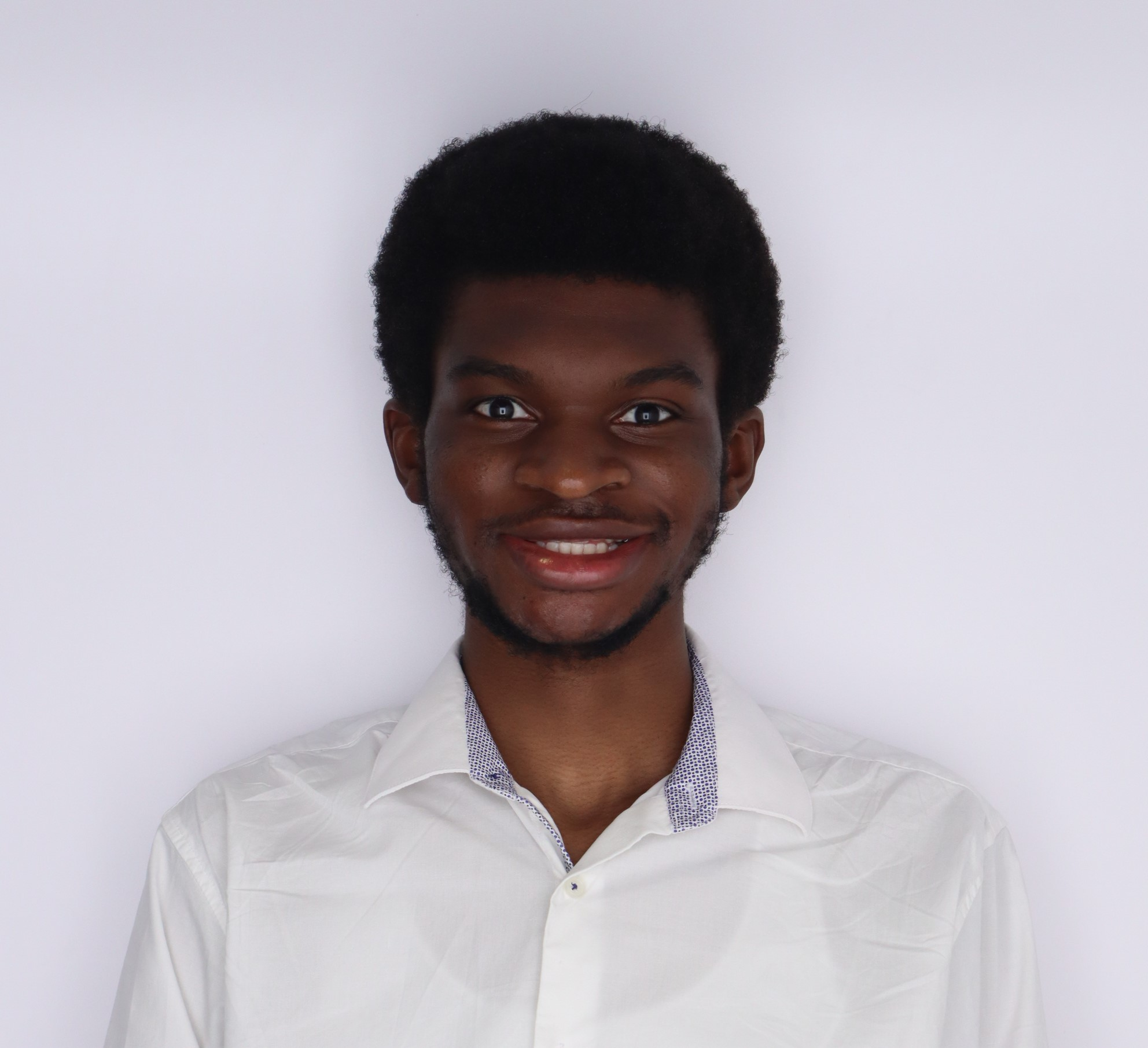
I believe every person has potential, which must be drawn out of them. With over 4 years of leading workshops, being a Teaching Assistant and creating curriculum, and nearly two years of private tutoring, I know how to help students and people of all ages easily understand concepts in Science, Technology, Engineering, and Mathematics. Having graduated from Vanderbilt University with a Bachelors degree in Engineering Science, I know how to move from not understanding a subject to understanding it well. The subjects I tutor include: - Math (Algebra 1, Geometry, Algebra 2, Pre-Calculus**, Calculus 1**, Calculus 2** and Statistics**) - Computer Science (AP CSP / AP Comp SciA, Python, ReactJS/JavaScript, HTML/CSS, Powershell/Bash Scripting) - Science (Physics**) ** - tutor subject at high school/AP/college level My teaching style includes completely modeling a problem on the board. Then, I would guide a student through solving a problem before having them solve it independently.
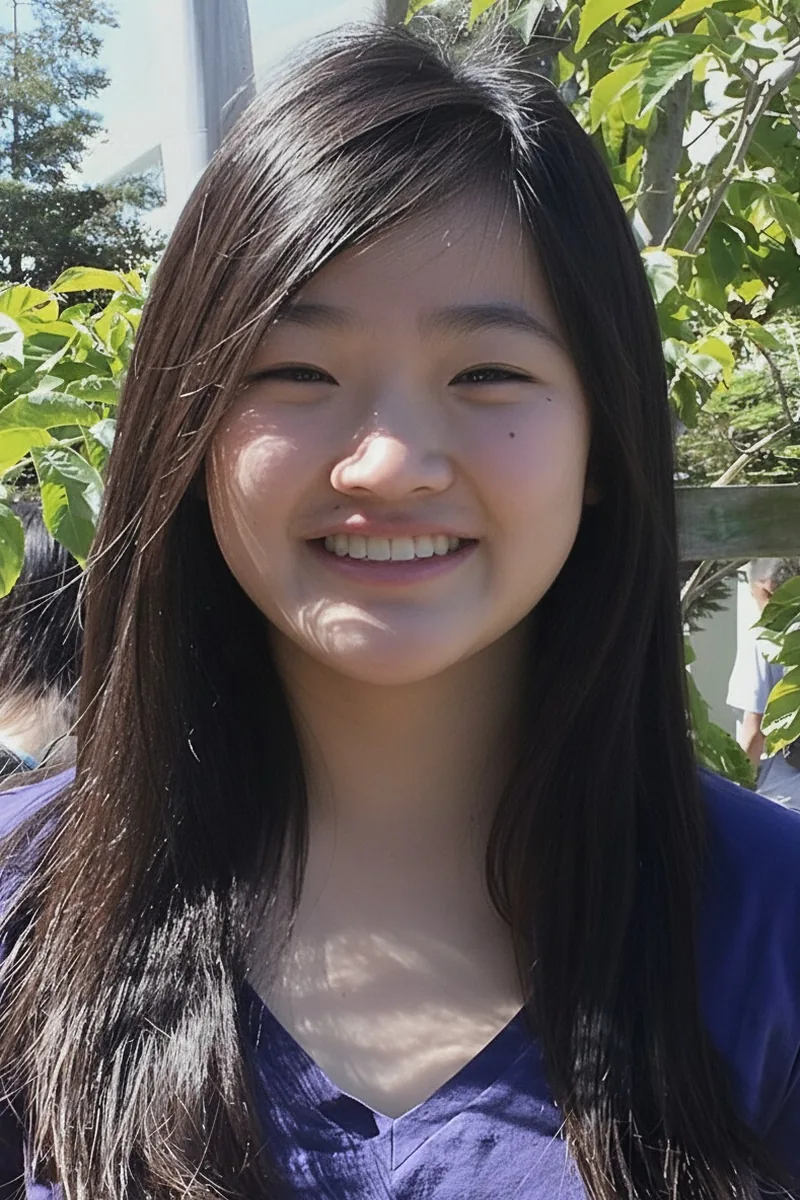
Earning a certificate in Statistics and Machine Learning at Princeton gave Julie hands-on experience with core computer science concepts — algorithm design, data structures, and computational complexity. She approaches CS the way she approaches philosophy: by asking students to reason through *why* a solution works, not just whether it compiles.
Sakibul's graduate work at Rice sits at the intersection of computer science and applied mathematics, which means he tackles programming concepts — loops, recursion, data structures — with the analytical rigor of a mathematician. He breaks down abstract ideas like algorithmic complexity into concrete, step-by-step reasoning that clicks for students encountering CS for the first time.
From sorting algorithms to recursion to object-oriented architecture, computer science rewards the ability to think in layers of abstraction. Joel is pursuing CS at Cornell alongside physics, which means he approaches programming problems with both mathematical rigor and practical debugging instincts. He's comfortable across Python and Java and adapts to whatever language a student's course requires.
Studying computer science since before college and now pursuing a master's at UMass Amherst, Milo covers the full stack — from data structures and algorithms to systems-level concepts like memory management and concurrency. He spent three years in his university's tutoring center breaking down topics like recursion, sorting complexity, and graph traversal for students at every level.
Programming starts making sense when you stop memorizing syntax and start thinking about what the computer is actually doing step by step. June's electrical engineering background at Brown gives her insight into both the hardware and software sides — she can explain why an algorithm is efficient, not just how to write it. From loops and conditionals to data structures and recursion, she connects each concept to real projects she's built in robotics and hackathons.
From sorting algorithms and Big-O analysis to data structures like linked lists and binary trees, Rhamy covers the foundational CS concepts that show up in coursework and technical interviews alike. His computer engineering degree at Vanderbilt, paired with experience in multiple languages, lets him explain abstract ideas through concrete code. Rated 5.0 by students.
I am a undergraduate freshman of the University of Michigan, studying business at the Ross School of Business. Working together with students and having a good time while seeing steady improvements has proven to provide me great joy. I believe that communication and relationship building is crucial for students to open up about their struggles and also for me to identify problems they don't realize they can improve on, so this is a key aspect of all of my lessons. During my free time, I enjoy playing sports or snacking on desserts while binge-watching Friends!
From computer architecture and theory to parallel computing and machine learning, Brandon's master's coursework at RIT covers the full stack of computer science concepts. His two years of professional industry experience mean he can connect abstract topics — algorithm complexity, concurrency models, data structures — to how they actually show up in production code. Students rated him 4.9, which tracks with his ability to make dense CS material feel approachable.
Engineering science at Vanderbilt means Ethan writes code to solve real problems — simulations, data analysis, algorithm design — not just textbook exercises. He breaks down core concepts like recursion, data structures, and object-oriented design by connecting them to projects that actually do something interesting.
Pursuing both computer science and data science at NYU's Courant Institute with a cybersecurity minor, Diego lives in this material daily — from algorithms and data structures to networking and systems-level thinking. He breaks abstract CS concepts into smaller, buildable pieces so students can trace the logic themselves rather than just copying solutions.
Jeff tackles computer science by connecting abstract concepts like recursion, data structures, and algorithmic complexity to concrete problem-solving steps students can follow. His science background means he's comfortable with the mathematical logic underlying CS, from Boolean algebra to Big-O analysis.
Trained in computer science at UT Austin and currently pursuing a PhD that blends computational methods with social science, David brings both theoretical depth and applied versatility to CS instruction. He digs into core topics like algorithm analysis, data structures, and computational complexity, connecting them to the kind of real-world problem-solving that makes the discipline click.
Testimonials
Because the right Computer Science tutor makes all the difference.
Average Session Rating – Based on 3.4M Learner Ratings
Nearby Computer Science Tutors
Other Bridgeport Tutors
Related Technology and Coding Tutors in Bridgeport
Frequently Asked Questions
Your first session is focused on understanding your current level, goals, and learning style. A tutor will discuss what you're working on in class, identify specific areas where you need support (whether that's debugging, understanding algorithms, or learning a new language), and create a personalized plan. This helps ensure every session after that targets exactly what you need to succeed.
Debugging is one of the most valuable skills in Computer Science, and personalized 1-on-1 instruction makes it easier to learn. A tutor can walk through your code with you, teach you systematic approaches to finding errors, and help you understand why mistakes happen—not just how to fix them. This builds your problem-solving confidence and makes you independent at troubleshooting on your own.
Syntax is the specific rules of a programming language (like how to write a loop), while logic is the thinking process behind solving problems (like deciding when you need a loop). Both matter, but many students struggle because they focus too much on memorizing syntax instead of understanding the logic. Tutoring helps you build strong logical thinking first, so syntax becomes easier to pick up in whatever language you're learning.
Data structures like arrays, linked lists, and trees are abstract concepts that don't have obvious real-world parallels, which makes them tricky to visualize. A tutor can break these down with diagrams, code examples, and hands-on practice, helping you see how data structures actually work and when to use each one. With personalized guidance, what seems confusing becomes intuitive.
Absolutely. Project-based learning is one of the best ways to solidify Computer Science skills, and tutoring accelerates that process. Tutors can guide you through building web applications, games, or data analysis projects while teaching you best practices, code organization, and how to think like a developer. You'll get code review, debugging support, and mentorship throughout the project.
A tutor can help you explore different areas and figure out what resonates with you. Whether you're interested in building websites, analyzing data, creating games, or something else entirely, personalized instruction lets you try different projects and get feedback before committing to a specific path. This exploration helps you make confident decisions about your Computer Science journey.
Algorithmic thinking is the ability to break down complex problems into step-by-step solutions—it's the foundation of all programming. Instead of just writing code, you learn to think about how to approach problems logically. Tutoring builds this skill through practice with real problems, helping you develop the mindset that makes you a strong programmer regardless of which language you're using.
Varsity Tutors connects you with expert tutors who understand Computer Science curriculum and can work with your schedule and learning goals. You'll be matched based on your specific needs—whether you need help with a particular programming language, preparing for AP Computer Science, or building projects. The process is straightforward, and you can get started quickly with personalized instruction.
Let’s find your perfect tutor
Answer a few quick questions. We’ll recommend the right plan and match you with a top 5% tutor.