Award-Winning AP Computer Science Tutors
serving New Haven, CT
AP Computer Science
Tutors in New Haven
Private 1-on-1 tutoring, weekly live classes for academic support, test prep & enrichment, practice tests and diagnostics, and more to elevate grades and test scores.
Based on 3.4M Learner Ratings
UniversitiesSchools & Universities
DeliveredHours Delivered
ProficiencyGrowth in Proficiency
Who needs tutoring?
No obligation. Takes ~1 minute.
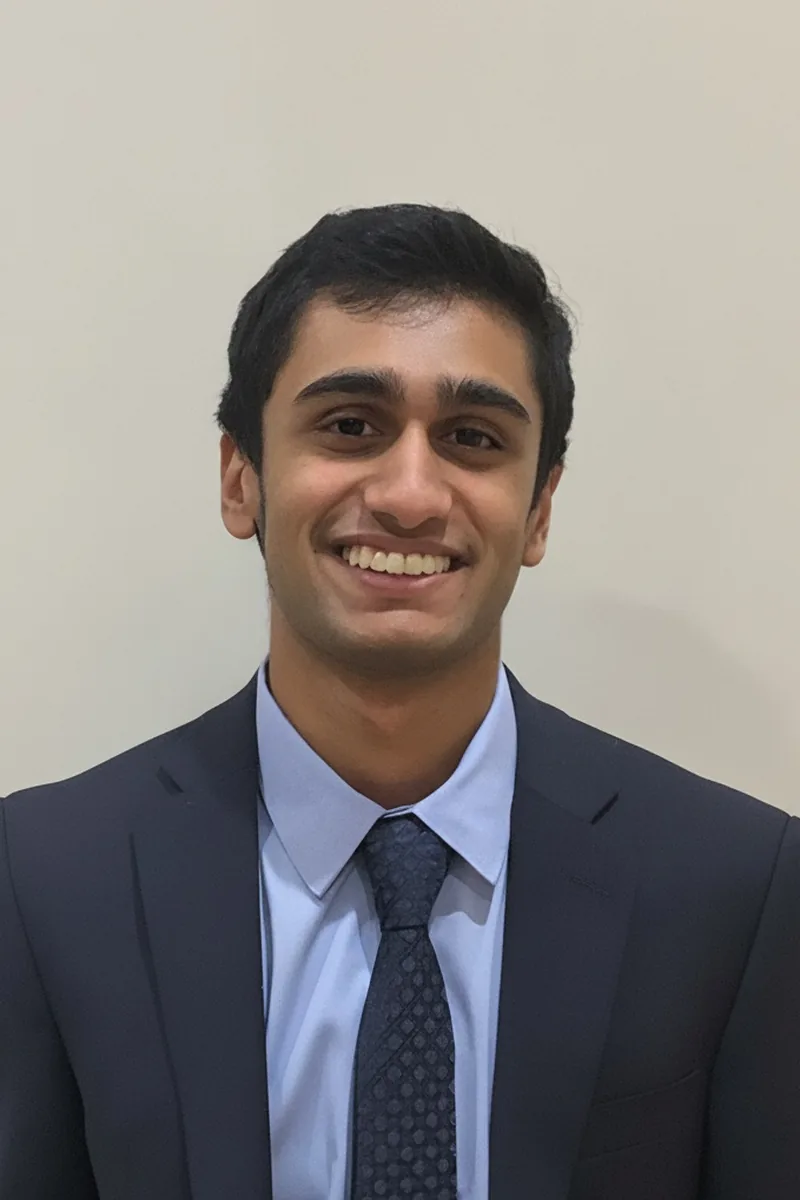
I am an incoming student at Yale University studying computer science and economics. I'm also interested in math and chemistry. My favorite area to tutor is SAT, specifically the SAT math section. In my spare time, I enjoy playing golf, cooking, and reading thriller novels. I'm excited to start working with you!
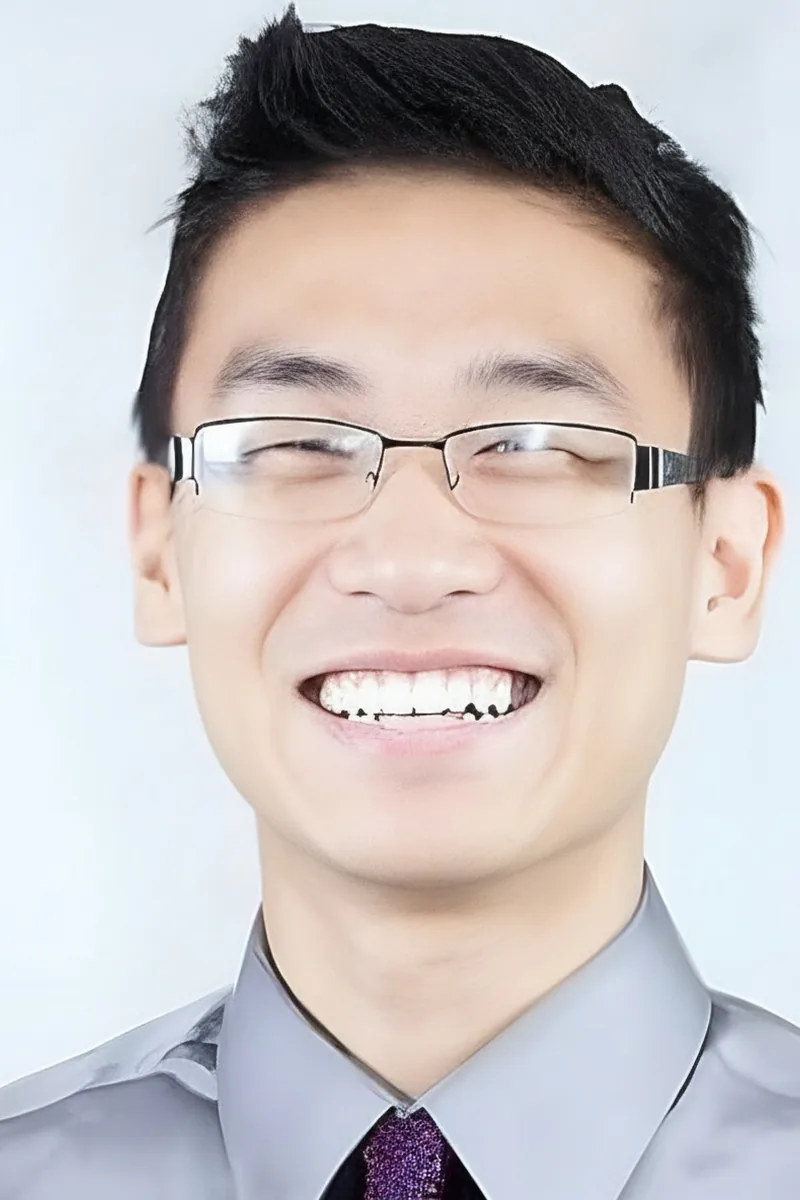
Swarthmore's CS curriculum throws students into Java early and often, so Eric isn't just reviewing AP Computer Science A material — he's actively building on it in his own coursework every week. That proximity to the content means he can pinpoint exactly where topics like array manipulation or class hierarchy design tend to trip students up, and explain them in the clear, plain-language style his liberal arts training sharpened.
The AP Computer Science exam tests both coding fluency and the ability to trace through unfamiliar code under time pressure. Shlomo tackles both sides — drilling array manipulation, recursion, and ArrayList operations while also teaching the test-taking strategy that keeps students from burning time on free-response questions. His math background is especially useful for the algorithm-analysis problems that blend logic with computation.
Two years writing computerized tasks for Ohio State's Clinical Neuroscience Laboratory gave Luke hands-on experience building software to solve real research problems — the kind of structured, logical coding that maps directly onto AP Computer Science A topics like control flow, method design, and class construction. His psychology training also sharpens how he explains tricky concepts, since he's attuned to where confusion actually originates rather than just what the correct answer looks like. Rated 4.8 by students.
AP Computer Science isn't listed among Hannah's core subjects, but her physics degree required writing code to model systems, analyze data, and solve computational problems — skills that map directly onto the algorithmic thinking and logical reasoning the AP exam tests. She's strongest at teaching students to slow down and trace through control flow and conditionals methodically, the same systematic approach her physics training drilled into her.
I am a freshman at Caltech majoring in Applied and Computational Mathematics. My favorite subject to tutor is math because I find it very rewarding to simplify complex topics to aid in understanding. I have lots of tutoring experience. In high school, I ran and taught an SAT prep class and was vice president of my school's NHS chapter where I ran our tutoring program, and I, myself, tutored. I also was a teaching assistant in the summer of 2020 for a class in discrete mathematics through a program called PACT (Program in Algorithmic and Combinatorial Thinking). I love learning and hope to make the process enjoyable for you!
Jett codes in Java, Python, and C as part of his electrical and computer engineering program at UT Austin, so the AP Computer Science A curriculum — from writing classes to implementing algorithms — overlaps with work he's already doing for his degree. Where he especially shines is connecting programming logic to the underlying hardware, explaining how a for-loop or recursive call actually executes at the machine level, which makes debugging and tracing problems far less mysterious. Rated 5.0 by students.
I am a current sophomore at Cornell University pursuing a B.S. in Biomedical Engineering. I have done extensive coursework in biology, physics, chemistry, math, and lab sciences. I love applying engineering problem-solving skills to the biological sciences. For the past year, I have been a teaching assistant for introductory biology classes. In my free time, I participate in cancer immunotherapy research which focuses on melanoma.
I am very passionate about teaching material in a way that works with each student's personal learning needs and making sure that they understand the material at its core, not just how to answer a test question. Because I majored in Neuroscience, I have expertise in a wide range of sciences, as Neuroscience is a very interdisciplinary subject. I have also had extensive experience in Computer Science. Outside of Neuroscience, I devoted a lot of time to studying the humanities. I even started a blog my junior year as an outlet to further pursue these academic interests! As a result, I also enjoy tutoring in Literature, English, and Writing.
Ryan studies computer science at UVA and knows the AP Computer Science curriculum inside out — from object-oriented design and recursion to array manipulation and sorting algorithms in Java. He teaches students to think through problems before writing a single line of code, building the kind of algorithmic reasoning that earns 5s on the exam. Rated 5.0 by students.
Engineering coursework trains you to think in systems — breaking complex problems into modular, testable pieces — which is exactly the reasoning AP Computer Science A demands when students write classes, trace through nested loops, or debug recursive methods. Wesley's biomedical engineering degree and research in biophysical chemistry mean he's been coding to solve real scientific problems, not just completing textbook exercises. That applied perspective makes abstract Java concepts feel purposeful rather than arbitrary.
While computer science isn't John's primary credential, his engineering training at a program rigorous enough to earn Tau Beta Pi membership gave him strong foundations in algorithmic thinking and problem decomposition. He approaches AP Computer Science concepts like recursion, sorting algorithms, and object-oriented design with the structured logic of an engineer who learned to code as a working tool.
Testimonials
Because the right AP Computer Science tutor makes all the difference.
Average Session Rating – Based on 3.4M Learner Ratings
Nearby AP Computer Science Tutors
Other New Haven Tutors
Related Technology and Coding Tutors in New Haven
Frequently Asked Questions
AP Computer Science covers two main areas: AP Computer Science Principles (CSP) and AP Computer Science A (CSA). CSP focuses on broad computational thinking, data representation, algorithms, programming, and the internet, while CSA dives deeper into object-oriented programming using Java. Both exams test your ability to write code, understand algorithms, and solve computational problems. For students in New Haven, understanding which exam your school offers is the first step in targeted preparation.
Score improvement depends on your starting point and consistency with practice. Many students who work with expert tutors see gains of 1-2 score points (on the 1-5 scale) by focusing on weak areas like algorithm design, debugging, or exam-specific question formats. The key is identifying exactly where you're losing points—whether it's in free-response coding problems, multiple-choice reasoning, or time management—and addressing those gaps systematically through targeted practice and feedback.
Students often struggle with translating logic into code, especially under timed conditions, and understanding how to approach free-response questions that require both coding and written explanations. Another frequent challenge is managing the pace of the exam—balancing time spent on multiple-choice questions versus the more demanding free-response section. Debugging skills and understanding edge cases in algorithms also trip up many test-takers. Personalized tutoring helps you identify which of these areas needs the most work for your specific learning style.
Your first session focuses on assessment and goal-setting. A tutor will review your current understanding of key concepts, discuss your target score, and identify which topics (like loops, arrays, inheritance, or algorithm analysis) need the most attention. You'll also discuss your learning preferences and any test anxiety concerns. This foundation helps create a personalized study plan that addresses your specific gaps rather than generic test prep.
Practice tests are essential for AP Computer Science because they help you get comfortable with the exam format, build time-management skills, and identify weak areas before test day. Taking full-length practice exams under timed conditions reveals whether you're struggling with specific question types or simply running out of time. Expert tutors use your practice test results to focus your studying on the highest-impact areas, rather than reviewing topics you've already mastered.
AP Computer Science requires both, but the balance depends on which exam you're taking. AP Computer Science A emphasizes hands-on coding and object-oriented programming, while AP Computer Science Principles includes more conceptual questions about data, the internet, and societal impacts. Most students benefit from spending 60-70% of study time on coding practice and algorithm problem-solving, with the remaining time on theory and multiple-choice strategy. A tutor can help you allocate your prep time based on your exam type and current strengths.
For AP Computer Science A, most students should spend about 1.5 minutes per multiple-choice question (90 minutes total for 40 questions) and 25-30 minutes per free-response question (roughly 90 minutes for 4 questions). The key is not getting stuck on a single problem—if you're unsure, make your best attempt and move on. Practicing with timed full-length exams helps you develop a rhythm and identify which question types slow you down, so you can adjust your strategy before test day.
Look for tutors with strong Java programming experience (for CSA) or broad computer science knowledge (for CSP), plus familiarity with the AP exam format and scoring rubrics. It's also valuable if they've taught or tutored AP Computer Science before and can explain not just the 'what' but the 'why' behind algorithms and code. Varsity Tutors connects you with expert tutors who understand both the technical content and the specific challenges of AP Computer Science, ensuring you get targeted, exam-focused preparation.
Let’s find your perfect tutor
Answer a few quick questions. We’ll recommend the right plan and match you with a top 5% tutor.