Award-Winning German Tutors
serving Victorville, CA
German
Tutors in Victorville
Private 1-on-1 tutoring, weekly live classes for academic support, test prep & enrichment, practice tests and diagnostics, and more to elevate grades and test scores.
Based on 3.4M Learner Ratings
UniversitiesSchools & Universities
DeliveredHours Delivered
ProficiencyGrowth in Proficiency
Who needs tutoring?
No obligation. Takes ~1 minute.
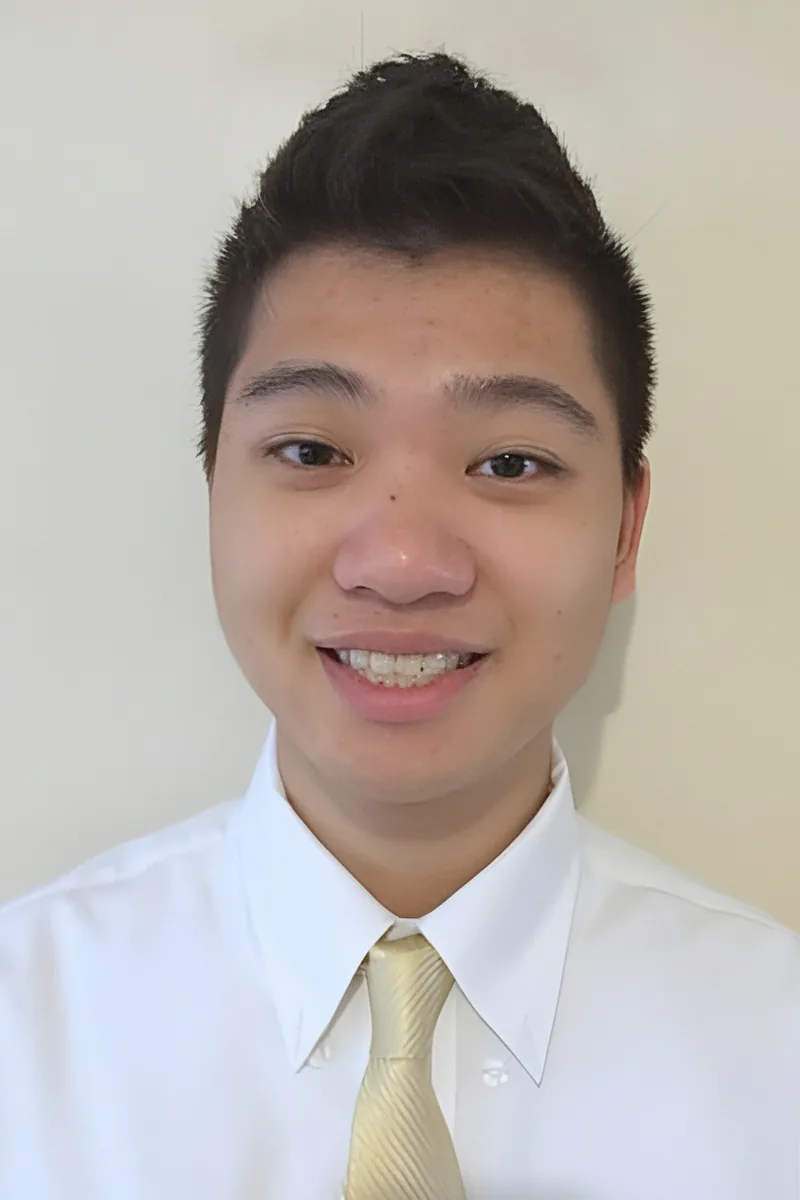
Chris isn't a German specialist, but having studied German 1 through 3 alongside a demanding biomedical engineering courseload at UCLA, he knows what it takes to learn a language efficiently under pressure. He brings an engineer's structured thinking to grammar — breaking down case endings and verb placement into logical patterns that make sense to analytically minded students.

Nathan's primary strength is mathematics, so he approaches German the way he'd approach a proof — methodically, with attention to the underlying structure. That analytical lens is especially useful for tackling conversational German, where students need to internalize word order and verb placement well enough to produce them in real time, not just recognize them on a worksheet.
German's case system and word order trip up almost every learner at some point — accusative versus dative, verb placement in subordinate clauses, adjective endings that seem to follow no pattern. Jhanelle, who holds a degree in German Studies, breaks these grammar rules into logical systems and builds conversational confidence alongside them so students can actually use what they learn.
Jonas teaches German with attention to the structural logic of the language — case endings, verb placement, and the way compound words build meaning from smaller parts. His background in Classical Greek means he's comfortable explaining grammatical concepts like dative versus accusative in terms that actually clarify rather than confuse. Students working through noun declensions or separable-prefix verbs get explanations rooted in how the language thinks, not just how to memorize tables.
At UC Berkeley, Jacob earned an M.A. in German and received formal training in foreign language pedagogy while teaching college-level German courses. That combination of academic depth and classroom experience means he can explain tricky grammar — separable verbs, adjective endings, subjunctive mood — in ways that actually make structural sense rather than feeling like arbitrary rules.
A full exchange year in Germany through the CBYX scholarship gave Clive the kind of immersive fluency that's hard to replicate in a classroom — navigating bureaucracy, university lectures, and daily life entirely in German. He teaches grammar concepts like case endings and verb conjugation through practical context that makes the rules stick.
Willow didn't just study German in a classroom — she earned departmental honors in German Studies at UCLA and spent time at Humboldt Universität Berlin immersed in the language. She tackles grammar concepts like case endings, subordinate clause word order, and verb conjugation patterns by connecting them to how native speakers actually think about sentence structure. That academic depth paired with real immersion experience makes a difference for students at any level.
Learning German means wrestling with case endings, separable verbs, and a sentence structure that puts the verb in places English speakers don't expect. Susie has studied German extensively and teaches grammar as a logical system — once students see the patterns behind accusative versus dative, for instance, the rules stop feeling arbitrary. She pairs structural drills with reading and listening practice to build real fluency.
Joshua teaches German across three levels, with particular attention to case systems and verb conjugation patterns that trip up English speakers. His approach connects grammar rules to the underlying logic of the language, drawing on the same analytical rigor he developed studying philosophy.
German's case system and word-order rules intimidate a lot of learners, but Elise approaches them as a linguist — explaining the underlying logic of accusative versus dative, or why the verb jumps to the end in subordinate clauses. Her coursework through German 4 means she can take students from basic declensions all the way through complex literary and academic texts.
Studying German at the University of Pennsylvania gave Eliza a deep command of the language's trickiest features — case endings, separable verbs, and the word order shifts that trip up English speakers. She unpacks German grammar systematically so students understand the logic behind der/die/das rather than relying on brute memorization. Rated 5.0 by her students.
Learning German grammar means wrestling with cases, gendered nouns, and a sentence structure that puts verbs in unexpected places — all of which feel overwhelming without a clear system. Nivedina teaches the underlying patterns so that accusative versus dative stops being a guessing game and starts being predictable. Her analytical mindset as a scientist turns German's notoriously rigid rules into something students can actually internalize.
Teaching German at Princeton since 2008 and earning the department's top student-satisfaction scores, Megan knows exactly where English speakers stumble — case endings, word order in subordinate clauses, and the gendered article system that trips up even advanced learners. She holds a doctorate in German literature, which means grammar instruction comes embedded in real cultural and literary context. Whether a student is conjugating sein for the first time or unpacking a Rilke poem, she adjusts the complexity to match.
Six months of full-immersion study in Berlin gave Daniel a feel for German that textbooks alone can't replicate — the way case endings sound natural in conversation, or how separable verbs behave in real speech versus grammar drills. He earned his B.A. in German from Duke with a focus that included twentieth-century German history and politics, which means his lessons often connect language to the culture that shapes it.
Testimonials
Because the right German tutor makes all the difference.
Average Session Rating – Based on 3.4M Learner Ratings
Nearby German Tutors
Other Victorville Tutors
Related Languages Tutors in Victorville
Frequently Asked Questions
Varsity Tutors matches Victorville students with expert German tutors for 1-on-1 instruction. We pair each student with a tutor based on their specific needs, learning style, and goals.
Whether you need homework help, exam prep, or want to get ahead, our German tutors are ready to help.
Common challenges include gaps from earlier material, difficulty with specific concepts, and trouble applying learning to new problems. These issues can snowball quickly in German.
A tutor identifies where you're stuck, fills in gaps, and provides targeted practice. The 1-on-1 format means you get help exactly where you need it.
Tutors work with your student's actual coursework—homework assignments, class notes, and upcoming tests. This keeps tutoring directly relevant to what's happening in the classroom.
When you share information about your student's school and curriculum, we can match you with a tutor who has relevant experience.
All tutors complete background checks, credential verification, and teaching evaluation. Many of our German tutors hold advanced degrees or have years of teaching experience.
You can review tutor profiles to find someone with the right background for your student's level and needs.
Many students see improved grades within a few weeks, along with better understanding of German concepts and more confidence tackling challenging material.
Tutors track progress and adjust their approach to ensure continued improvement.
Most students benefit from 1-2 sessions per week. More frequent sessions help if your student is significantly behind or has an important exam coming up.
Your tutor can recommend a schedule based on your student's specific situation and goals.
Tutoring is purchased in packages of hours, with rates varying by tutor experience. Varsity Tutors offers several options to fit different budgets and needs.
You can discuss pricing during your consultation to find what works best.
Your tutor will assess where your student is, discuss goals, and start working on priority areas. Most students bring current homework or upcoming test material to focus on.
By the end, you'll have a clear sense of how the tutor can help and a plan for moving forward.
Let’s find your perfect tutor
Answer a few quick questions. We’ll recommend the right plan and match you with a top 5% tutor.