Award-Winning German Tutors
serving Modesto, CA
German
Tutors in Modesto
Private 1-on-1 tutoring, weekly live classes for academic support, test prep & enrichment, practice tests and diagnostics, and more to elevate grades and test scores.
Based on 3.4M Learner Ratings
UniversitiesSchools & Universities
DeliveredHours Delivered
ProficiencyGrowth in Proficiency
Who needs tutoring?
No obligation. Takes ~1 minute.
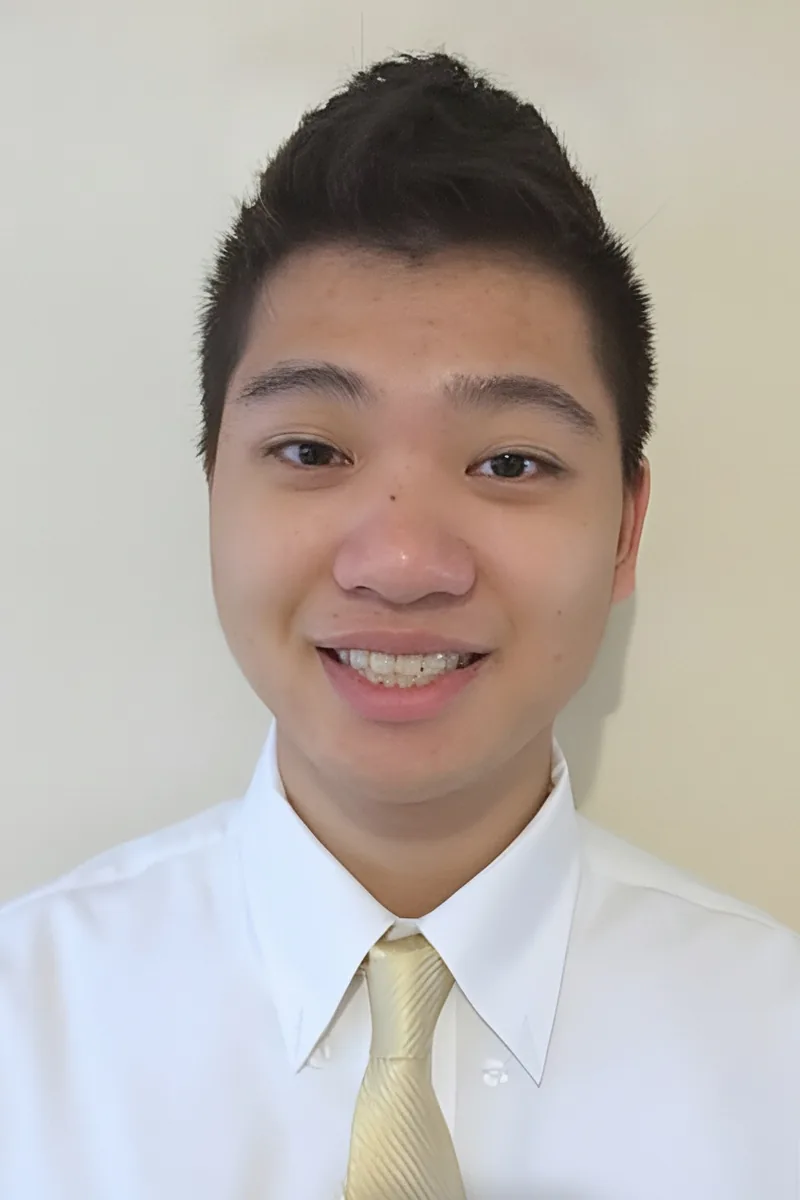
Chris isn't a German specialist, but having studied German 1 through 3 alongside a demanding biomedical engineering courseload at UCLA, he knows what it takes to learn a language efficiently under pressure. He brings an engineer's structured thinking to grammar — breaking down case endings and verb placement into logical patterns that make sense to analytically minded students.

Nathan's primary strength is mathematics, so he approaches German the way he'd approach a proof — methodically, with attention to the underlying structure. That analytical lens is especially useful for tackling conversational German, where students need to internalize word order and verb placement well enough to produce them in real time, not just recognize them on a worksheet.
Covering German 1 through German 4, Kristina pairs her language study with a Contemporary Studies background that naturally weaves in cultural literacy — giving students context for why Germans say things a certain way, not just how. Her 5.0 rating and pursuit of a Texas teaching certification in German signal someone who takes the language seriously enough to build a career around it.
German's case system and verb placement rules trip up nearly every beginner, but they follow a logic that becomes intuitive with the right explanations. Alice teaches German at multiple levels and breaks down concepts like accusative vs. dative usage through pattern recognition rather than rote chart memorization. Her conversational teaching style means grammar drills feel more like a dialogue than a worksheet.
Amber majored in German at Northwestern, which means she didn't just study the language — she read novels, wrote research papers, and debated in it. She teaches grammar concepts like case endings and word order through pattern recognition, showing students the underlying logic so they can construct sentences on their own instead of relying on memorization tables.
German's case system and word-order rules can overwhelm students who try to absorb them all at once. Elizabeth breaks the four cases down methodically — nominative, accusative, dative, genitive — linking each to specific prepositions and verb patterns so students build reliable instincts rather than guessing at endings.
Jonas teaches German with attention to the structural logic of the language — case endings, verb placement, and the way compound words build meaning from smaller parts. His background in Classical Greek means he's comfortable explaining grammatical concepts like dative versus accusative in terms that actually clarify rather than confuse. Students working through noun declensions or separable-prefix verbs get explanations rooted in how the language thinks, not just how to memorize tables.
A Master's degree in Germanic Languages from Columbia, combined with years living and teaching in Austria, means Jacquelyn doesn't just know textbook German — she knows how dative prepositions sound in a Salzburg café and why Konjunktiv II matters in real conversation. She scored highly enough on the SAT Subject Test in German with Listening to tutor it, and she tackles everything from case endings to advanced reading comprehension.
Kelsey has studied German through advanced levels, tackling complex grammar structures like subjunctive mood, relative clauses, and case-driven syntax. She breaks down tricky concepts like dative prepositions and adjective endings by connecting them to patterns rather than rote memorization tables, making the logic of German grammar feel less arbitrary.
Earning a PhD in German at Harvard means Zachary has spent years reading, writing, and thinking in the language — from Kant's dense philosophical prose to contemporary academic discourse. He teaches grammar not as a set of rules to memorize but as a system with its own internal logic, making case endings and word order click for students at every level. Whether the goal is passing a college course or reading Goethe in the original, he knows how to get there.
Three levels of German instruction give Ben a clear picture of where students stumble — whether it's navigating noun cases, mastering separable verbs, or building confidence with spoken conversation. He approaches German grammar as a logical system with predictable patterns, which makes concepts like dative prepositions and adjective endings feel less arbitrary and more manageable.
Kate's ESL teaching background gives her a sharp understanding of how language acquisition actually works — the grammar patterns, pronunciation hurdles, and vocabulary-building strategies that apply whether someone is learning English or German. She brings that structured, patient approach to German learners working on case endings, verb conjugation, and sentence construction.
Nicholas's primary expertise is in mathematics and statistics, not German — but he's conversational in the language and brings the same structured, analytical thinking that defines his math tutoring to learning grammar rules and vocabulary. For students who respond better to logical pattern-based explanations of things like case endings and verb placement, his approach can be a surprisingly good fit.
Six months of full-immersion study in Berlin gave Daniel a feel for German that textbooks alone can't replicate — the way case endings sound natural in conversation, or how separable verbs behave in real speech versus grammar drills. He earned his B.A. in German from Duke with a focus that included twentieth-century German history and politics, which means his lessons often connect language to the culture that shapes it.
Testimonials
Because the right German tutor makes all the difference.
Average Session Rating – Based on 3.4M Learner Ratings
Nearby German Tutors
Other Modesto Tutors
Related Languages Tutors in Modesto
Frequently Asked Questions
Varsity Tutors matches Modesto students with expert German tutors for 1-on-1 instruction. We pair each student with a tutor based on their specific needs, learning style, and goals.
Whether you need homework help, exam prep, or want to get ahead, our German tutors are ready to help.
Common challenges include gaps from earlier material, difficulty with specific concepts, and trouble applying learning to new problems. These issues can snowball quickly in German.
A tutor identifies where you're stuck, fills in gaps, and provides targeted practice. The 1-on-1 format means you get help exactly where you need it.
Tutors work with your student's actual coursework—homework assignments, class notes, and upcoming tests. This keeps tutoring directly relevant to what's happening in the classroom.
When you share information about your student's school and curriculum, we can match you with a tutor who has relevant experience.
All tutors complete background checks, credential verification, and teaching evaluation. Many of our German tutors hold advanced degrees or have years of teaching experience.
You can review tutor profiles to find someone with the right background for your student's level and needs.
Many students see improved grades within a few weeks, along with better understanding of German concepts and more confidence tackling challenging material.
Tutors track progress and adjust their approach to ensure continued improvement.
Most students benefit from 1-2 sessions per week. More frequent sessions help if your student is significantly behind or has an important exam coming up.
Your tutor can recommend a schedule based on your student's specific situation and goals.
Tutoring is purchased in packages of hours, with rates varying by tutor experience. Varsity Tutors offers several options to fit different budgets and needs.
You can discuss pricing during your consultation to find what works best.
Your tutor will assess where your student is, discuss goals, and start working on priority areas. Most students bring current homework or upcoming test material to focus on.
By the end, you'll have a clear sense of how the tutor can help and a plan for moving forward.
Let’s find your perfect tutor
Answer a few quick questions. We’ll recommend the right plan and match you with a top 5% tutor.