Award-Winning German Tutors
serving San Jose, CA
German
Tutors in San Jose
Private 1-on-1 tutoring, weekly live classes for academic support, test prep & enrichment, practice tests and diagnostics, and more to elevate grades and test scores.
Based on 3.4M Learner Ratings
UniversitiesSchools & Universities
DeliveredHours Delivered
ProficiencyGrowth in Proficiency
Who needs tutoring?
No obligation. Takes ~1 minute.
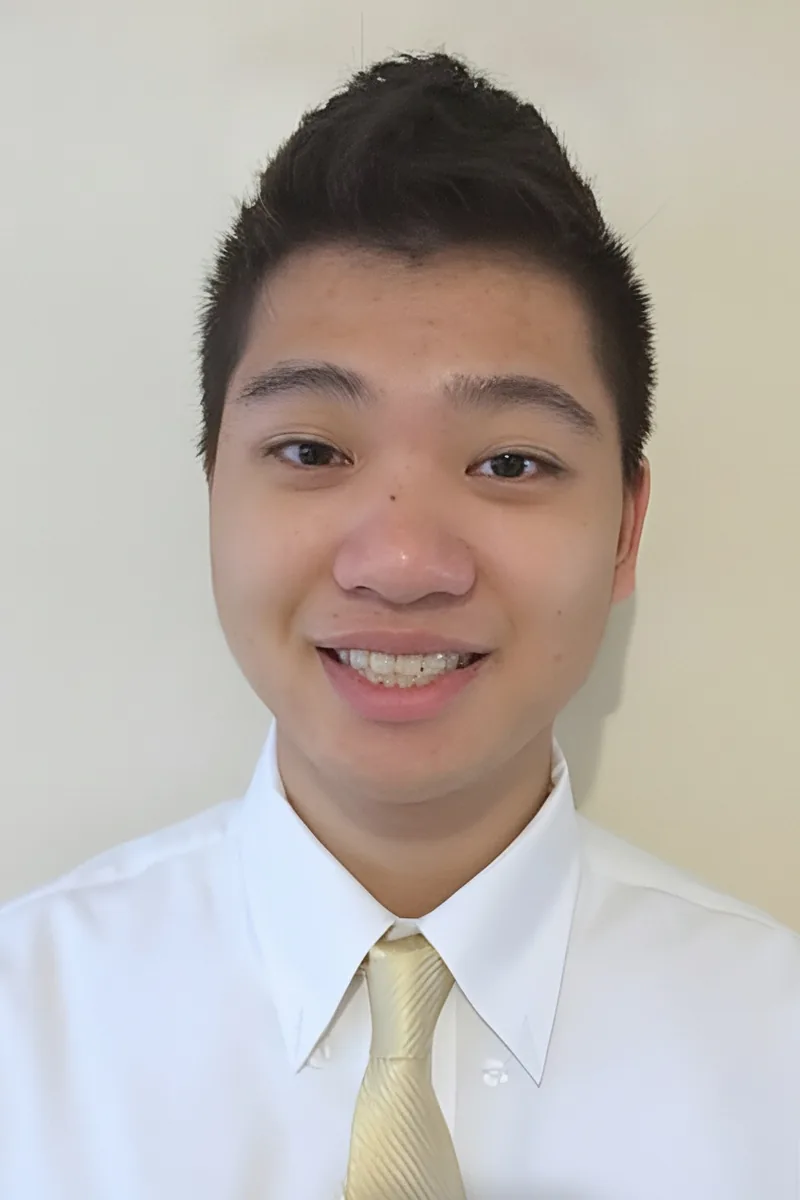
Chris isn't a German specialist, but having studied German 1 through 3 alongside a demanding biomedical engineering courseload at UCLA, he knows what it takes to learn a language efficiently under pressure. He brings an engineer's structured thinking to grammar — breaking down case endings and verb placement into logical patterns that make sense to analytically minded students.
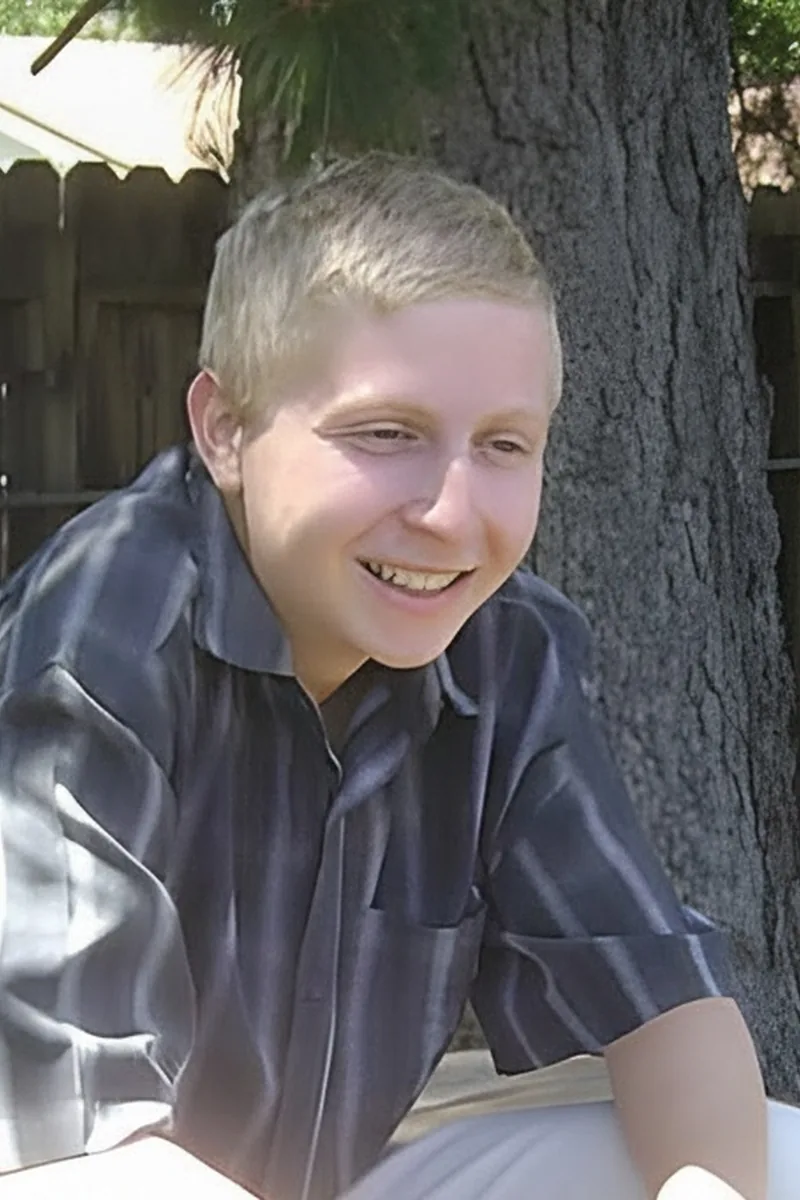
Nathan's primary strength is mathematics, so he approaches German the way he'd approach a proof — methodically, with attention to the underlying structure. That analytical lens is especially useful for tackling conversational German, where students need to internalize word order and verb placement well enough to produce them in real time, not just recognize them on a worksheet.
Natalie studied German alongside her English and Film coursework at Cornell, giving her a solid grasp of the language's notoriously tricky case system, separable verbs, and gendered nouns. She approaches German grammar with the same structural thinking she applies to English — breaking down sentence patterns so students understand the logic behind der, die, and das rather than relying on brute memorization.
Earning a PhD in German at Harvard means Zachary has spent years reading, writing, and thinking in the language — from Kant's dense philosophical prose to contemporary academic discourse. He teaches grammar not as a set of rules to memorize but as a system with its own internal logic, making case endings and word order click for students at every level. Whether the goal is passing a college course or reading Goethe in the original, he knows how to get there.
Morgan speaks three languages — Russian, Spanish, and German — which means she's internalized the process of learning a new grammar system from scratch more than once. That multilingual perspective is especially useful for German, where she can draw parallels between Russian's case system and German's four cases to make declensions feel less arbitrary. Rated 4.7 by students.
Amber majored in German at Northwestern, which means she didn't just study the language — she read novels, wrote research papers, and debated in it. She teaches grammar concepts like case endings and word order through pattern recognition, showing students the underlying logic so they can construct sentences on their own instead of relying on memorization tables.
Studying German at the University of Pennsylvania gave Eliza a deep command of the language's trickiest features — case endings, separable verbs, and the word order shifts that trip up English speakers. She unpacks German grammar systematically so students understand the logic behind der/die/das rather than relying on brute memorization. Rated 5.0 by her students.
Teaching German at Princeton since 2008 and earning the department's top student-satisfaction scores, Megan knows exactly where English speakers stumble — case endings, word order in subordinate clauses, and the gendered article system that trips up even advanced learners. She holds a doctorate in German literature, which means grammar instruction comes embedded in real cultural and literary context. Whether a student is conjugating sein for the first time or unpacking a Rilke poem, she adjusts the complexity to match.
Learning German means wrestling with case endings, separable verbs, and a sentence structure that puts the verb in places English speakers don't expect. Dan teaches German at multiple levels and brings a literary scholar's sensitivity to how the language actually works — not just memorizing der/die/das tables, but understanding the patterns behind them. He's rated 5.0 and is comfortable with everything from basic conversation to reading German-language texts.
Studying German from introductory courses through an advanced minor, Hailey knows exactly where English speakers stumble — dative prepositions, separable verbs, adjective endings that seem to follow no pattern. She explains the underlying logic of German grammar rather than handing students tables to memorize, which makes new rules easier to internalize and apply.
Sabrina minors in German studies at Princeton and has done physics research at a Max Planck Institute in Germany, so her command of the language extends well beyond the classroom. She tackles everything from case endings and verb conjugation patterns to reading comprehension of authentic German texts.
A year living in Germany gave Richard the kind of fluency that textbooks can't replicate — intuitions about word order, case endings, and the subtle differences between written and spoken registers. He teaches German grammar systematically while weaving in the cultural context that makes vocabulary and idioms easier to internalize.
Joshua teaches German across three levels, with particular attention to case systems and verb conjugation patterns that trip up English speakers. His approach connects grammar rules to the underlying logic of the language, drawing on the same analytical rigor he developed studying philosophy.
Willow didn't just study German in a classroom — she earned departmental honors in German Studies at UCLA and spent time at Humboldt Universität Berlin immersed in the language. She tackles grammar concepts like case endings, subordinate clause word order, and verb conjugation patterns by connecting them to how native speakers actually think about sentence structure. That academic depth paired with real immersion experience makes a difference for students at any level.
Testimonials
Because the right German tutor makes all the difference.
Average Session Rating – Based on 3.4M Learner Ratings
Nearby German Tutors
Other San Jose Tutors
Related Languages Tutors in San Jose
Frequently Asked Questions
In a typical classroom with a 22:1 student-teacher ratio, students get limited opportunities to speak German aloud. With personalized 1-on-1 instruction, you get dedicated conversation practice tailored to your level—whether you're working on pronunciation, building confidence, or mastering complex dialogues. Tutors can correct your speech in real-time and adjust the difficulty to keep you challenged without overwhelming you, which accelerates fluency development far more effectively than classroom listening alone.
German verb conjugation can feel overwhelming because rules vary by tense, mood, and whether verbs are regular or irregular. Rather than memorizing endless tables, expert tutors focus on patterns and real usage—showing you how conjugations work in actual sentences and conversations. Spaced repetition and practice testing help cement these patterns in your memory, and personalized instruction lets tutors identify which conjugations trip you up most and drill those specifically.
Cramming vocabulary lists rarely sticks. Effective retention comes from encountering words in context—through reading, listening, and speaking—and revisiting them over time. Tutors use retrieval practice strategies, connecting new vocabulary to topics you care about and weaving words into conversations so they become part of your active vocabulary rather than just passive recognition. This approach builds the kind of fluency that lasts.
Both matter, but the balance shifts as you progress. Beginning learners benefit from understanding grammar structure, while intermediate and advanced students need to hear and practice how native speakers actually use the language—which sometimes breaks the rules. Expert tutors blend both approaches: teaching you the rules so you understand the language's logic, then exposing you to authentic German through media, literature, and conversation so you develop intuition for what sounds natural.
Learning German isn't just about grammar and vocabulary—it's about understanding the culture behind the language. Tutors can weave in German history, literature, films, and current events to give you context for idioms, humor, and social norms that textbooks often miss. This cultural immersion makes learning more engaging and helps you communicate authentically, not just technically.
Yes—and this is one of the biggest advantages of 1-on-1 instruction. Tutors can hear exactly where your pronunciation differs from native German and give you immediate, specific feedback on sounds like the German 'ü' or 'r' that don't exist in English. Regular practice with real-time correction, combined with listening to native speakers, trains your ear and mouth to produce authentic German sounds.
Your first session is about assessment and connection. Tutors will gauge your current level across all four skills—reading, writing, speaking, and listening—and ask about your goals, whether that's passing an AP German exam, preparing for a trip, or simply becoming conversational. From there, they'll create a personalized plan that addresses your specific challenges and builds on your strengths, so every session after that is tailored to you.
The Foreign Service Institute estimates that English speakers need roughly 750 hours of study to reach professional proficiency in German. However, the timeline varies based on your starting point, how frequently you study, and your goals. With consistent personalized tutoring combined with your own practice, many students reach conversational ability within several months. Your tutor can give you a more specific timeline after assessing your level and understanding your objectives.
Let’s find your perfect tutor
Answer a few quick questions. We’ll recommend the right plan and match you with a top 5% tutor.