Award-Winning German Tutors
serving San Diego, CA
German
Tutors in San Diego
Private 1-on-1 tutoring, weekly live classes for academic support, test prep & enrichment, practice tests and diagnostics, and more to elevate grades and test scores.
Based on 3.4M Learner Ratings
UniversitiesSchools & Universities
DeliveredHours Delivered
ProficiencyGrowth in Proficiency
Who needs tutoring?
No obligation. Takes ~1 minute.
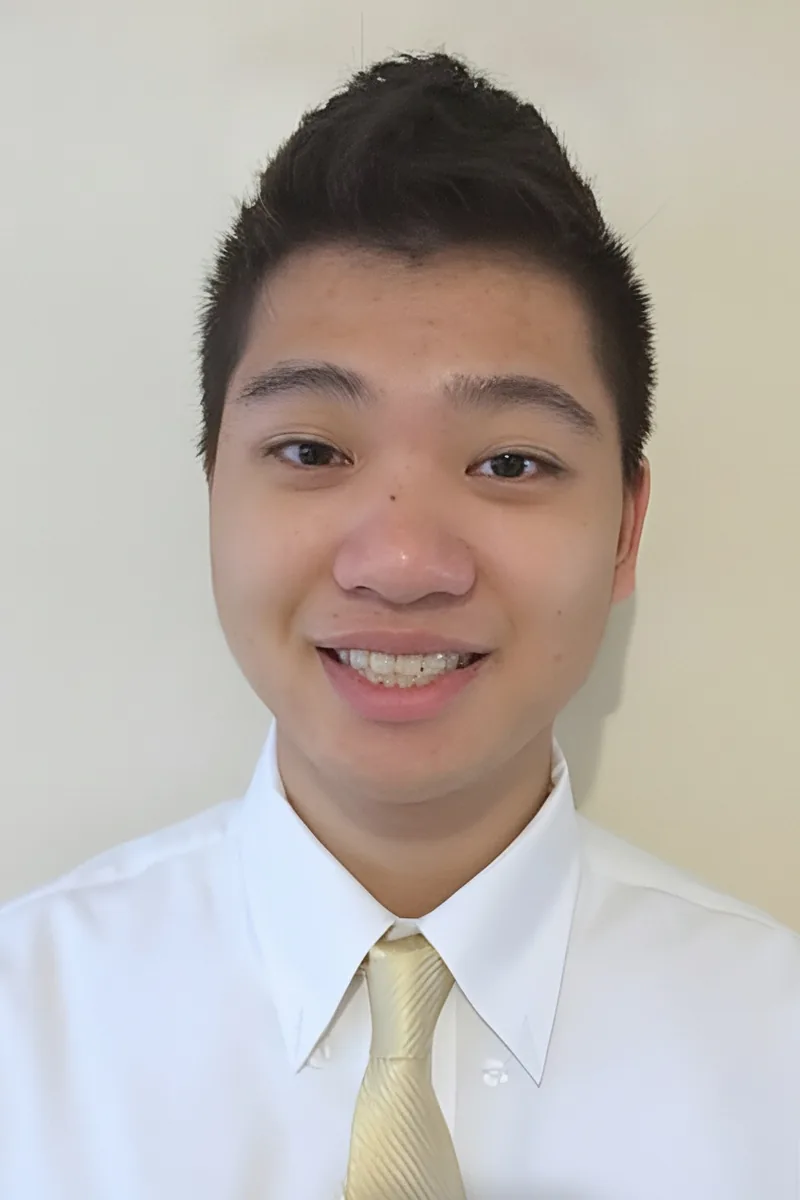
Chris isn't a German specialist, but having studied German 1 through 3 alongside a demanding biomedical engineering courseload at UCLA, he knows what it takes to learn a language efficiently under pressure. He brings an engineer's structured thinking to grammar — breaking down case endings and verb placement into logical patterns that make sense to analytically minded students.
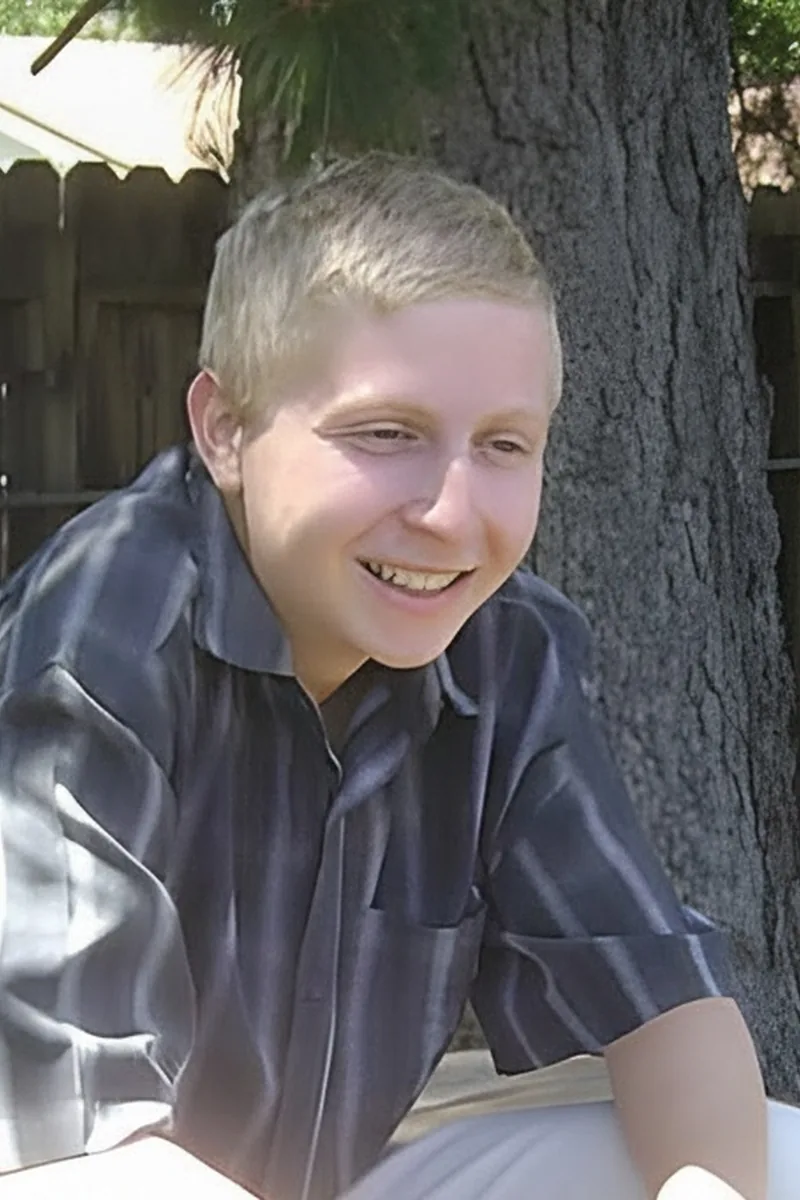
Nathan's primary strength is mathematics, so he approaches German the way he'd approach a proof — methodically, with attention to the underlying structure. That analytical lens is especially useful for tackling conversational German, where students need to internalize word order and verb placement well enough to produce them in real time, not just recognize them on a worksheet.
Carolyn's academic training in theology and religious studies required extensive work with German-language primary texts — a tradition where precise reading comprehension and command of complex sentence structures are non-negotiable. She teaches German 1 through German 4, bringing that text-heavy background to bear on vocabulary acquisition and the grammatical logic behind cases and word order.
As a native German speaker from Austria, Silvia teaches the language the way it's actually spoken — with attention to cases, gendered articles, and verb placement that trips up English speakers most. She tutored her own son in German for four years to maintain his fluency, so she understands exactly where American students stumble with dative versus accusative or separable prefix verbs. Her 5.0 rating speaks to how naturally she makes those tricky grammar patterns stick.
German's case system and word order trip up almost every English speaker, but those patterns become predictable once a student understands the underlying logic. Nicole teaches German at multiple levels — from basic noun genders and accusative/dative distinctions through advanced reading and composition — drawing on her formal linguistics training to make the grammar feel like a puzzle rather than a burden. Her 4.9 rating speaks to how well that analytical approach lands with students.
Katherine studied German throughout her undergraduate years at Boston College alongside her psychology and pre-med coursework, giving her a well-rounded command of grammar, vocabulary, and sentence structure. She breaks down tricky concepts like cases, verb conjugation, and word order in a way that makes the logic of the language click.
Covering German 1 through German 4, Kristina pairs her language study with a Contemporary Studies background that naturally weaves in cultural literacy — giving students context for why Germans say things a certain way, not just how. Her 5.0 rating and pursuit of a Texas teaching certification in German signal someone who takes the language seriously enough to build a career around it.
Sabrina minors in German studies at Princeton and has done physics research at a Max Planck Institute in Germany, so her command of the language extends well beyond the classroom. She tackles everything from case endings and verb conjugation patterns to reading comprehension of authentic German texts.
German's case system and word-order rules intimidate a lot of learners, but Elise approaches them as a linguist — explaining the underlying logic of accusative versus dative, or why the verb jumps to the end in subordinate clauses. Her coursework through German 4 means she can take students from basic declensions all the way through complex literary and academic texts.
German's case system and word order trip up almost every learner at some point — accusative versus dative, verb placement in subordinate clauses, adjective endings that seem to follow no pattern. Jhanelle, who holds a degree in German Studies, breaks these grammar rules into logical systems and builds conversational confidence alongside them so students can actually use what they learn.
Between German 1 and German 2, Rachel covers everything from noun genders and case endings to more complex structures like subordinate clauses and the Konjunktiv. She teaches grammar as a system with internal logic rather than a pile of exceptions to memorize, which makes each new rule easier to absorb. Her relaxed approach takes the intimidation out of a language that looks harder on paper than it actually is.
Three levels of German instruction give Ben a clear picture of where students stumble — whether it's navigating noun cases, mastering separable verbs, or building confidence with spoken conversation. He approaches German grammar as a logical system with predictable patterns, which makes concepts like dative prepositions and adjective endings feel less arbitrary and more manageable.
Cognitive science trains you to think about how people actually learn — how memory encodes new information, why certain practice patterns stick and others don't — and Megan applies that lens directly to picking up German vocabulary and grammar. She's not a German major, but her adaptive, learner-first approach means she tailors drills, mnemonics, and visual aids to how each student's brain best absorbs a new language. Rated 5.0 by students.
Teaching German at Princeton since 2008 and earning the department's top student-satisfaction scores, Megan knows exactly where English speakers stumble — case endings, word order in subordinate clauses, and the gendered article system that trips up even advanced learners. She holds a doctorate in German literature, which means grammar instruction comes embedded in real cultural and literary context. Whether a student is conjugating sein for the first time or unpacking a Rilke poem, she adjusts the complexity to match.
Testimonials
Because the right German tutor makes all the difference.
Average Session Rating – Based on 3.4M Learner Ratings
Nearby German Tutors
Other San Diego Tutors
Related Languages Tutors in San Diego
Frequently Asked Questions
In a typical classroom with a 21:1 student-teacher ratio, students get limited opportunities to speak German. With personalized 1-on-1 instruction, you get dedicated conversation practice every session—whether you're working on pronunciation, building confidence with native-like intonation, or learning to think in German rather than translating. Tutors can adapt the pace and topics to your interests, making speaking practice feel natural rather than forced.
German verb conjugation is one of the trickiest aspects because there are so many irregular verbs and tenses to memorize. The most effective approach combines pattern recognition (learning the rules) with repeated practice and retrieval—using spaced repetition to reinforce conjugations over time rather than cramming. A tutor can identify which verb forms trip you up most and create targeted practice that sticks, rather than treating all verbs the same way.
Memorizing vocabulary lists rarely works—your brain needs context and repetition to make words stick. The most effective method combines learning words through meaningful sentences or conversations, then reviewing them strategically over time using spaced repetition. Tutors can weave new vocabulary into discussions about topics you care about, making the words memorable and practical rather than abstract.
Grammar is just one piece of the puzzle. Real fluency includes understanding cultural context—idioms, humor, social customs, and how Germans actually communicate in daily life. Many tutors incorporate cultural elements into lessons, whether that's discussing German films, news, or social norms, which helps you understand not just the language but the people who speak it. This immersion-style approach makes learning more engaging and gives you tools to navigate real German-speaking environments.
Yes—pronunciation is one of the clearest benefits of working with a tutor who speaks German fluently. They can model correct pronunciation, listen to your speech in real-time, and give you immediate feedback on sounds that don't exist in English (like the German 'ü' or the guttural 'ch'). With consistent practice and targeted correction, most students notice significant improvement in a few weeks.
Reading and writing require different skills than speaking and listening. Tutors can assign texts at your level—from simple stories to news articles—and discuss them with you to build comprehension. For writing, they provide feedback on grammar, word choice, and structure, helping you develop the ability to express complex ideas on paper. The combination of guided practice and personalized feedback accelerates progress in ways self-study rarely achieves.
Your first session is about assessment and connection. The tutor will ask about your current level, goals (whether you're preparing for an exam, traveling, or just want conversational fluency), and what's been challenging so far. They'll listen to you speak, gauge your strengths and gaps, and start building a personalized plan. Most students leave the first session with a clear sense of direction and actionable next steps.
Look for tutors who are native or near-native German speakers with teaching experience—whether that's formal credentials or proven success helping students reach their goals. They should understand your specific needs (conversational fluency, exam prep, business German, etc.) and be able to explain grammar concepts clearly in English. Varsity Tutors connects you with vetted tutors who meet these standards, so you can focus on learning rather than vetting credentials.
Let’s find your perfect tutor
Answer a few quick questions. We’ll recommend the right plan and match you with a top 5% tutor.