Award-Winning German Tutors
serving Murrieta, CA
German
Tutors in Murrieta
Private 1-on-1 tutoring, weekly live classes for academic support, test prep & enrichment, practice tests and diagnostics, and more to elevate grades and test scores.
Based on 3.4M Learner Ratings
UniversitiesSchools & Universities
DeliveredHours Delivered
ProficiencyGrowth in Proficiency
Who needs tutoring?
No obligation. Takes ~1 minute.
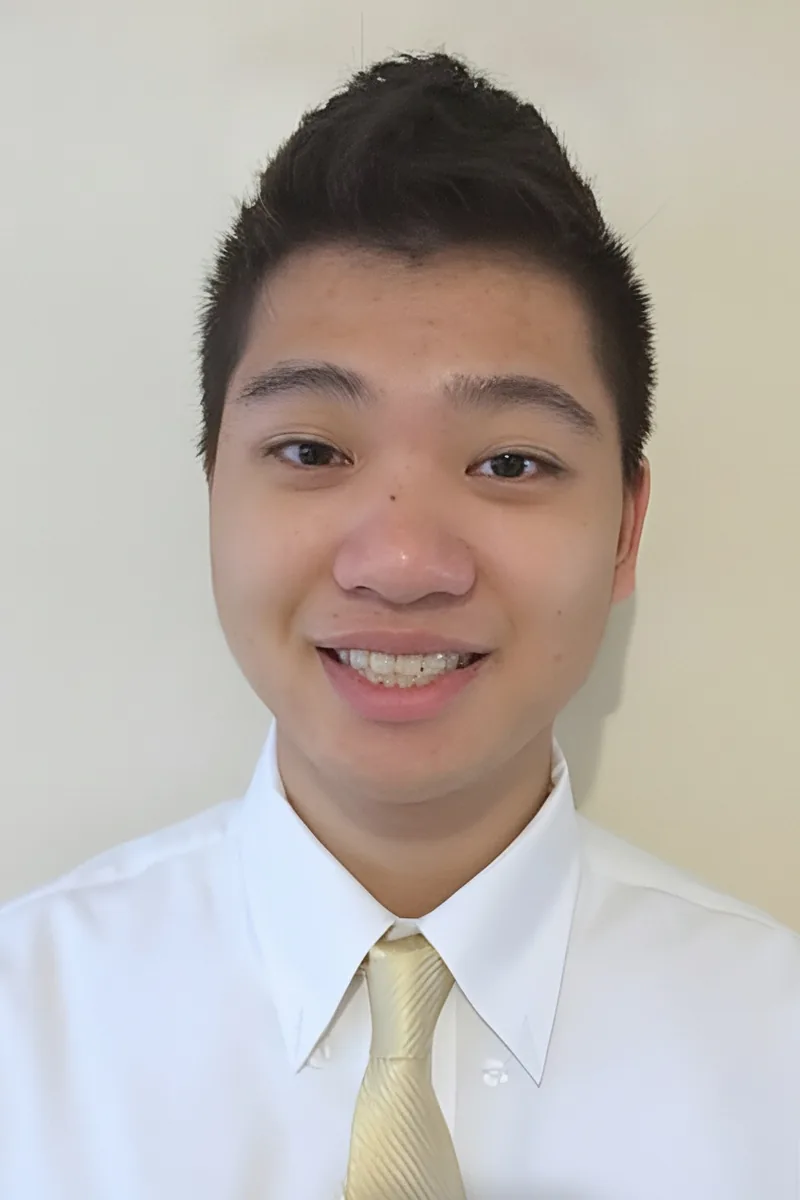
Chris isn't a German specialist, but having studied German 1 through 3 alongside a demanding biomedical engineering courseload at UCLA, he knows what it takes to learn a language efficiently under pressure. He brings an engineer's structured thinking to grammar — breaking down case endings and verb placement into logical patterns that make sense to analytically minded students.
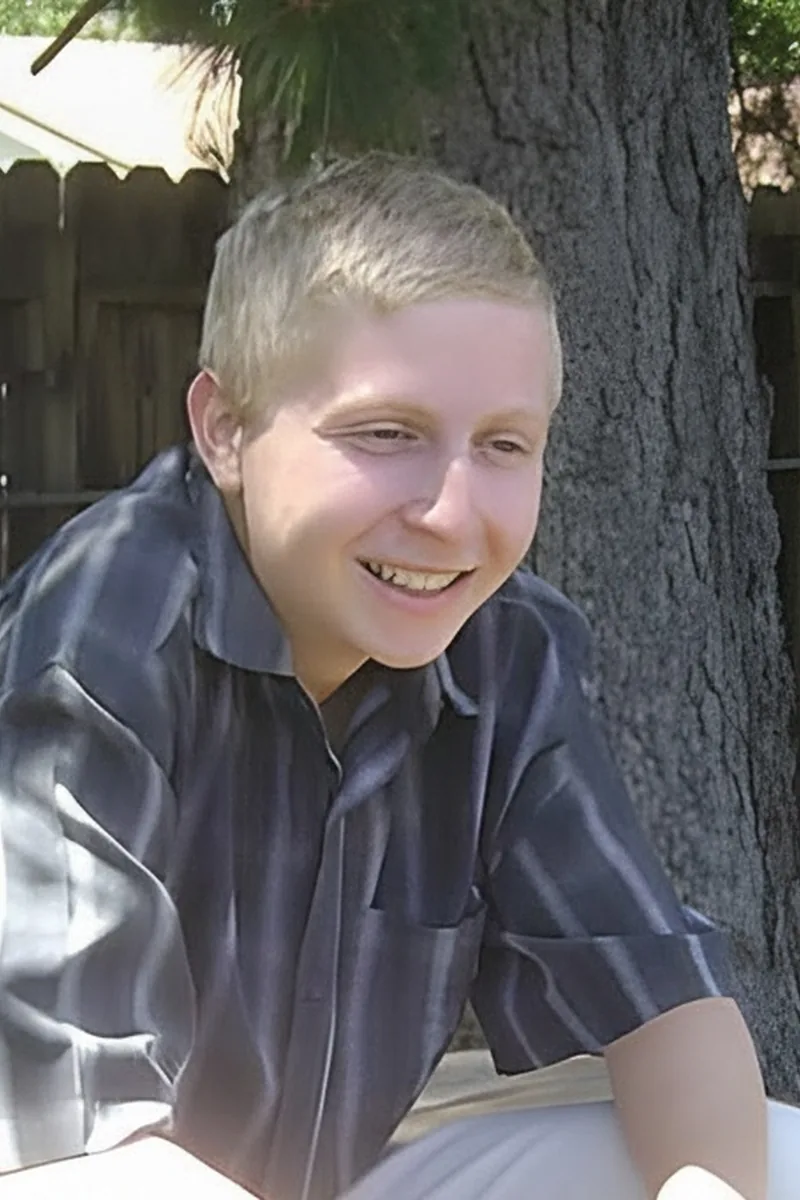
Nathan's primary strength is mathematics, so he approaches German the way he'd approach a proof — methodically, with attention to the underlying structure. That analytical lens is especially useful for tackling conversational German, where students need to internalize word order and verb placement well enough to produce them in real time, not just recognize them on a worksheet.
Carolyn's academic training in theology and religious studies required extensive work with German-language primary texts — a tradition where precise reading comprehension and command of complex sentence structures are non-negotiable. She teaches German 1 through German 4, bringing that text-heavy background to bear on vocabulary acquisition and the grammatical logic behind cases and word order.
Earning a PhD in German at Harvard means Zachary has spent years reading, writing, and thinking in the language — from Kant's dense philosophical prose to contemporary academic discourse. He teaches grammar not as a set of rules to memorize but as a system with its own internal logic, making case endings and word order click for students at every level. Whether the goal is passing a college course or reading Goethe in the original, he knows how to get there.
Grace brings structured thinking and high energy to German lessons, tackling everything from noun genders and case endings to building conversational confidence. While her primary academic focus is American Studies, her experience teaching across multiple subjects means she knows how to break down tricky grammar rules and make vocabulary practice stick.
Six months of full-immersion study in Berlin gave Daniel a feel for German that textbooks alone can't replicate — the way case endings sound natural in conversation, or how separable verbs behave in real speech versus grammar drills. He earned his B.A. in German from Duke with a focus that included twentieth-century German history and politics, which means his lessons often connect language to the culture that shapes it.
As a native German speaker from Austria, Silvia teaches the language the way it's actually spoken — with attention to cases, gendered articles, and verb placement that trips up English speakers most. She tutored her own son in German for four years to maintain his fluency, so she understands exactly where American students stumble with dative versus accusative or separable prefix verbs. Her 5.0 rating speaks to how naturally she makes those tricky grammar patterns stick.
German's case system and word-order rules intimidate a lot of learners, but Elise approaches them as a linguist — explaining the underlying logic of accusative versus dative, or why the verb jumps to the end in subordinate clauses. Her coursework through German 4 means she can take students from basic declensions all the way through complex literary and academic texts.
German isn't Lesleigh's core subject, but her graduate training in classical and modern languages gives her a strong grasp of how Germanic grammar systems work — case endings, word order, and verb placement that trip up English speakers. She approaches German the way she approaches Latin: by teaching students to recognize structural patterns rather than memorize phrase lists.
Evan studied German formally as part of his undergraduate degree, which means he knows the grammar inside out — case endings, separable verbs, subordinate clause word order, all of it. He connects each rule to how German actually sounds and reads in real texts, so students internalize patterns instead of just memorizing tables.
Learning German grammar means wrestling with cases, gendered nouns, and a sentence structure that puts verbs in unexpected places — all of which feel overwhelming without a clear system. Nivedina teaches the underlying patterns so that accusative versus dative stops being a guessing game and starts being predictable. Her analytical mindset as a scientist turns German's notoriously rigid rules into something students can actually internalize.
I am a current senior at Davidson College, working towards my B.A. in German Studies and Arab Studies. I have spent many hours tutoring the German and Arabic language to college students. I have spent time abroad in Germany, studying German as a second language with AATG (American Association of Teachers of German). My years of being a camp counselor and babysitter have translated into my teaching methods and style. I encourage young learners to approach problems in multiple ways by retesting previously learned material and encouraging independent thinking. I am a huge believer in discovering answers instead of being told them. I look forward to working with you!
Learning German means wrestling with case endings, separable verbs, and sentence structures that put the verb in unexpected places. Anuj breaks these grammar puzzles into logical patterns, drawing on his CLEP German background and his psychology training to tailor explanations to how each student actually processes new language. He pairs grammar drills with reading and listening practice so the rules stick in context.
Teaching German at Princeton since 2008 and earning the department's top student-satisfaction scores, Megan knows exactly where English speakers stumble — case endings, word order in subordinate clauses, and the gendered article system that trips up even advanced learners. She holds a doctorate in German literature, which means grammar instruction comes embedded in real cultural and literary context. Whether a student is conjugating sein for the first time or unpacking a Rilke poem, she adjusts the complexity to match.
Testimonials
Because the right German tutor makes all the difference.
Average Session Rating – Based on 3.4M Learner Ratings
Nearby German Tutors
Other Murrieta Tutors
Related Languages Tutors in Murrieta
Frequently Asked Questions
German tutoring develops all four essential language skills: reading, writing, speaking, and listening. A tutor works with you on grammar foundations, vocabulary building, pronunciation, and conversational fluency—skills that classroom instruction alone often can't provide enough practice for. With personalized 1-on-1 instruction, you get dedicated speaking practice, real-time feedback on pronunciation, and the chance to ask questions about cultural context that brings the language to life.
In a typical classroom with a 23.5:1 student-teacher ratio like many Murrieta schools have, individual speaking time is limited. Personalized tutoring gives you consistent, one-on-one conversation practice where you can speak freely, make mistakes, and receive immediate correction in a low-pressure environment. This focused speaking practice is one of the most effective ways to build fluency and confidence for real-world communication.
German learners often struggle with verb conjugation (especially in different tenses), gendered nouns, and complex sentence structure. A tutor breaks these concepts into manageable pieces, explains the "why" behind grammar rules, and gives you targeted practice until patterns click. Rather than memorizing rules in isolation, you learn how grammar functions naturally in conversation and writing—making it stick long-term.
Vocabulary retention improves dramatically with spaced repetition and active use—both strengths of personalized tutoring. A tutor introduces new words in context, helps you practice them in sentences and conversations, and strategically revisits them over time. This active engagement is far more effective than passive memorization, and you'll retain words better when you use them in real dialogue with your tutor.
Yes—pronunciation is a key focus area in personalized tutoring. Tutors can identify specific sounds that are challenging for English speakers (like the German "ü" or the guttural "ch"), model correct pronunciation, and give you immediate feedback as you practice. Regular one-on-one speaking practice with expert correction builds muscle memory and confidence in your accent much faster than classroom settings allow.
Many tutors weave cultural context into lessons—discussing German-speaking countries, traditions, media, and communication styles. Understanding culture alongside language helps you grasp why native speakers use certain phrases, idioms, and expressions. This immersion-style approach makes learning more engaging and helps you communicate more authentically when you actually use German.
Reaching professional-level fluency typically requires around 600 hours of study according to language learning research. With consistent personalized tutoring combined with your own practice, you can accelerate progress significantly. The timeline varies based on your starting level, how frequently you meet with a tutor, and how much you practice outside sessions—but dedicated 1-on-1 instruction compresses the timeline compared to classroom learning alone.
Your first session is about assessment and connection. A tutor will gauge your current level (whether you're a complete beginner or building on existing knowledge), understand your specific goals, and identify areas where you want to focus—whether that's exam prep, conversational confidence, or grammar fundamentals. This foundation helps create a personalized learning plan tailored to your needs and learning style.
Let’s find your perfect tutor
Answer a few quick questions. We’ll recommend the right plan and match you with a top 5% tutor.