Award-Winning German Tutors
serving Concord, CA
German
Tutors in Concord
Private 1-on-1 tutoring, weekly live classes for academic support, test prep & enrichment, practice tests and diagnostics, and more to elevate grades and test scores.
Based on 3.4M Learner Ratings
UniversitiesSchools & Universities
DeliveredHours Delivered
ProficiencyGrowth in Proficiency
Who needs tutoring?
No obligation. Takes ~1 minute.
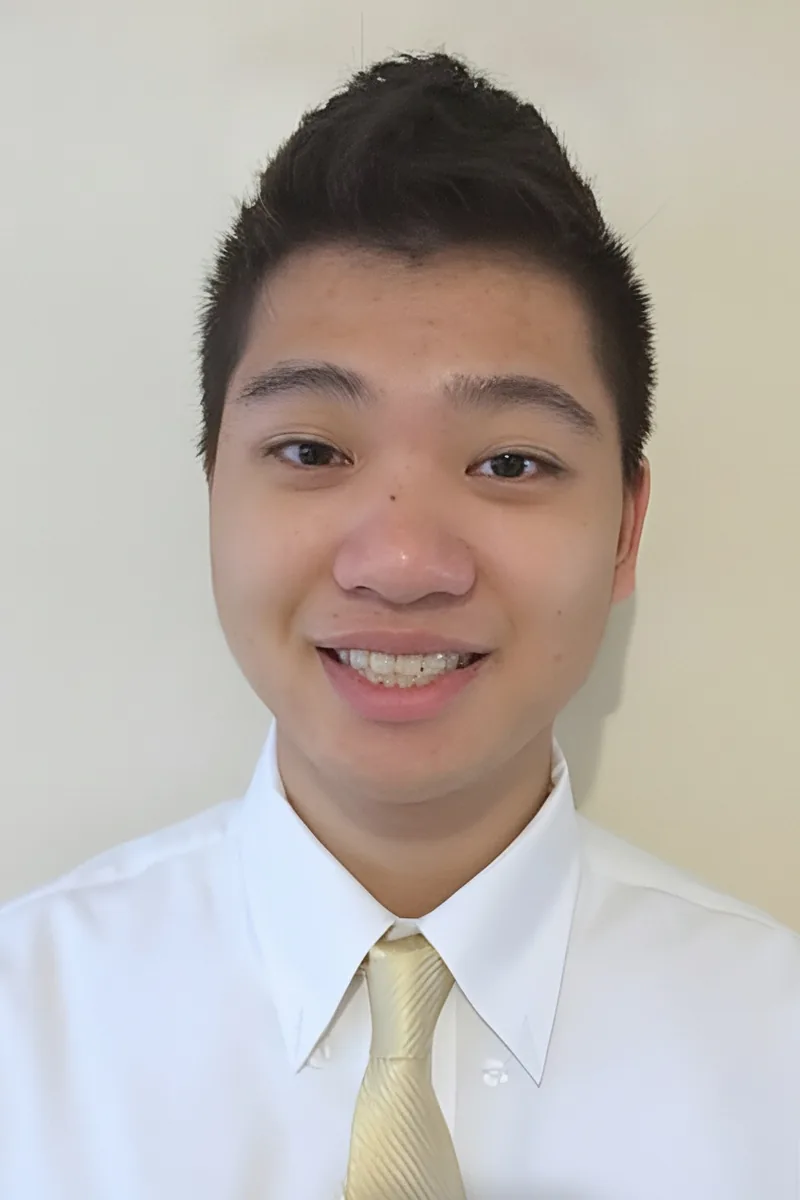
Chris isn't a German specialist, but having studied German 1 through 3 alongside a demanding biomedical engineering courseload at UCLA, he knows what it takes to learn a language efficiently under pressure. He brings an engineer's structured thinking to grammar — breaking down case endings and verb placement into logical patterns that make sense to analytically minded students.
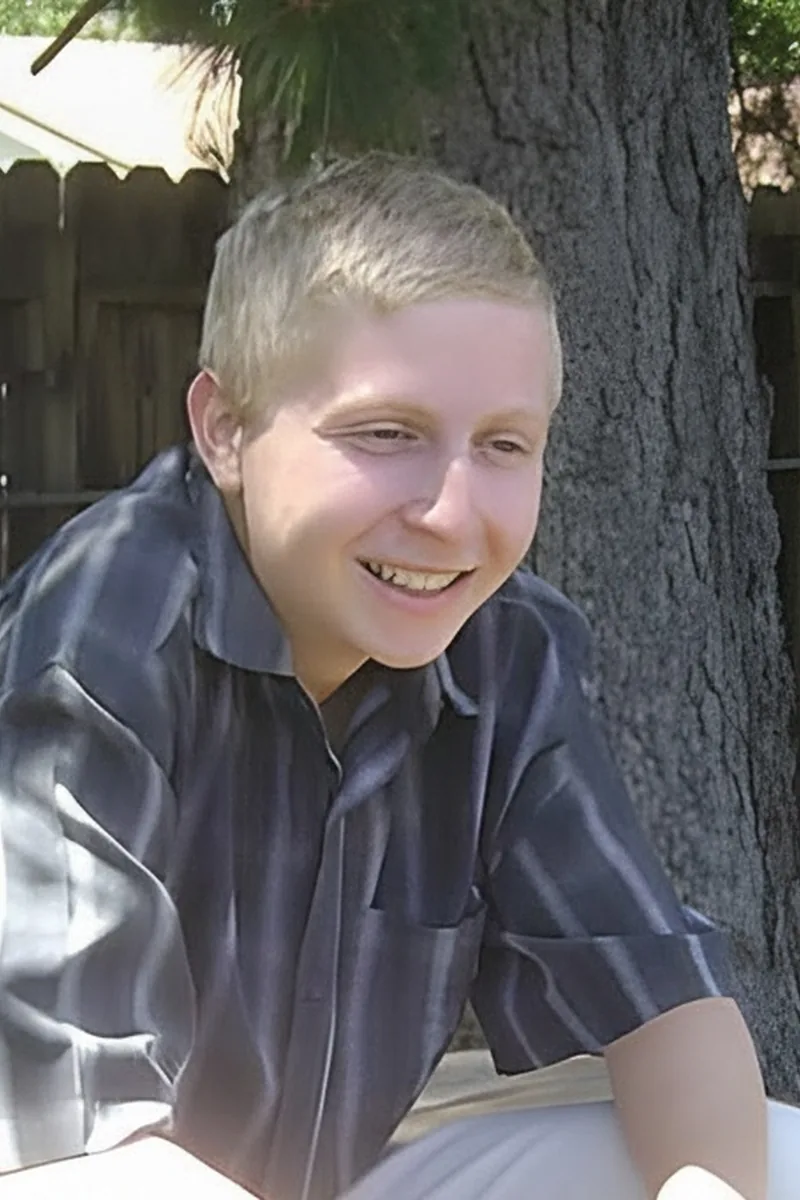
Nathan's primary strength is mathematics, so he approaches German the way he'd approach a proof — methodically, with attention to the underlying structure. That analytical lens is especially useful for tackling conversational German, where students need to internalize word order and verb placement well enough to produce them in real time, not just recognize them on a worksheet.
Learning German grammar — cases, verb conjugation, word order — rewards the same kind of systematic pattern recognition that Eric uses in his science background. He tackles tricky concepts like accusative vs. dative case by connecting rules to practical usage, so the logic behind the language starts to feel intuitive rather than arbitrary.
Carolyn's academic training in theology and religious studies required extensive work with German-language primary texts — a tradition where precise reading comprehension and command of complex sentence structures are non-negotiable. She teaches German 1 through German 4, bringing that text-heavy background to bear on vocabulary acquisition and the grammatical logic behind cases and word order.
I am a current senior at Davidson College, working towards my B.A. in German Studies and Arab Studies. I have spent many hours tutoring the German and Arabic language to college students. I have spent time abroad in Germany, studying German as a second language with AATG (American Association of Teachers of German). My years of being a camp counselor and babysitter have translated into my teaching methods and style. I encourage young learners to approach problems in multiple ways by retesting previously learned material and encouraging independent thinking. I am a huge believer in discovering answers instead of being told them. I look forward to working with you!
Studying German at Carleton College means Amanda uses the language daily — in coursework, in conversation, and in reading original texts. She walks students through everything from noun cases and gendered articles in German 1 to more complex subordinate clause structures in German 2, building each lesson around practical usage so grammar rules actually stick.
At UC Berkeley, Jacob earned an M.A. in German and received formal training in foreign language pedagogy while teaching college-level German courses. That combination of academic depth and classroom experience means he can explain tricky grammar — separable verbs, adjective endings, subjunctive mood — in ways that actually make structural sense rather than feeling like arbitrary rules.
Lisa has studied German through an advanced level, covering everything from case declensions and subordinate clause word order to reading authentic texts. She approaches grammar as a logical system rather than a set of rules to memorize, which makes tricky concepts like dative prepositions and adjective endings feel more predictable. Her 5.0 rating speaks to how well that approach lands.
Hani studied German through two levels and brings an engineer's systematic approach to the language — mapping out case declensions, verb conjugation patterns, and word-order rules as logical structures rather than lists to memorize. For students working through German 1 or 2, he connects grammar concepts to practical sentence-building so that rules like accusative vs. dative stop feeling arbitrary.
Learning German means wrestling with case endings, separable verbs, and a word-order system that feels alien to English speakers. John breaks these structures down systematically, connecting grammar rules to patterns students can actually internalize rather than just memorize from a chart. His experience across every level of German coursework means he can adjust complexity on the fly.
Learning German means wrestling with case endings, separable verbs, and a sentence structure that puts the verb in places English speakers don't expect. Susie has studied German extensively and teaches grammar as a logical system — once students see the patterns behind accusative versus dative, for instance, the rules stop feeling arbitrary. She pairs structural drills with reading and listening practice to build real fluency.
Sabrina minors in German studies at Princeton and has done physics research at a Max Planck Institute in Germany, so her command of the language extends well beyond the classroom. She tackles everything from case endings and verb conjugation patterns to reading comprehension of authentic German texts.
Learning German grammar means wrestling with cases, gendered nouns, and a sentence structure that puts verbs in unexpected places — all of which feel overwhelming without a clear system. Nivedina teaches the underlying patterns so that accusative versus dative stops being a guessing game and starts being predictable. Her analytical mindset as a scientist turns German's notoriously rigid rules into something students can actually internalize.
Stephen teaches German at multiple levels — from mastering case endings and der/die/das patterns to navigating subordinate clause word order that trips up so many English speakers. His coursework through German 4 means he can bridge the gap between textbook grammar drills and actually understanding how the language fits together.
Testimonials
Because the right German tutor makes all the difference.
Average Session Rating – Based on 3.4M Learner Ratings
Nearby German Tutors
Other Concord Tutors
Related Languages Tutors in Concord
Frequently Asked Questions
In a typical classroom with a 20.9:1 student-teacher ratio, students in Concord get limited time to practice speaking with their instructor. With personalized tutoring, you get dedicated conversation practice focused on your specific needs—whether that's building confidence, improving pronunciation, or mastering natural dialogue. Tutors can adapt conversations to your interests and level, making speaking practice engaging and effective rather than intimidating.
German grammar, especially verb conjugation, is best learned through a combination of understanding the rules and practicing them in real contexts. Expert tutors help you see the patterns behind conjugations rather than just memorizing tables, then reinforce learning through conversation and writing exercises. This approach—mixing explicit instruction with practical application—helps grammar stick much better than classroom lectures alone.
Vocabulary sticks best when you use it repeatedly in different contexts—speaking, writing, reading, and listening. Tutors can help you build vocabulary strategically by connecting new words to topics you care about, using spaced repetition techniques, and incorporating them into real conversations. This personalized approach is far more effective than memorizing word lists.
Yes. Varsity Tutors connects you with tutors who understand German curricula taught across Concord's school districts and can align their instruction with what you're learning in class. Whether you're working on specific units, preparing for assessments, or getting ahead, tutors can coordinate with your classroom learning to reinforce and deepen your understanding.
Absolutely. Learning German is much richer when you understand German-speaking cultures—from literature and film to history and current events. Tutors can weave cultural context into lessons, use authentic German media, and create immersion-style experiences that make the language feel alive and relevant. This approach builds both language skills and genuine interest in German-speaking communities.
Pronunciation is one of the biggest advantages of 1-on-1 tutoring—you get real-time feedback and modeling from a native or fluent speaker. Tutors can identify specific sounds that are challenging for English speakers (like the German 'ü' or guttural 'r'), break them down, and give you targeted practice. With consistent feedback and repetition, noticeable improvement typically comes within weeks.
Expert tutors assess which skills you need most and create a balanced plan that strengthens all four. If you're strong in reading but weak in listening, they'll emphasize conversation and audio materials. If you struggle with writing, they'll incorporate more composition work. This personalized balance ensures you develop well-rounded proficiency rather than excelling in only one or two areas.
Your first session is an assessment and getting-to-know-you conversation. The tutor will evaluate your current level across reading, writing, speaking, and listening, understand your goals (whether that's improving grades, preparing for the AP exam, or building conversational fluency), and discuss what you want to focus on. From there, they'll create a personalized plan tailored to your needs and learning style.
Let’s find your perfect tutor
Answer a few quick questions. We’ll recommend the right plan and match you with a top 5% tutor.