Award-Winning AP Computer Science Principles Tutors
serving Indio, CA
AP Computer Science Principles
Tutors in Indio
Private 1-on-1 tutoring, weekly live classes for academic support, test prep & enrichment, practice tests and diagnostics, and more to elevate grades and test scores.
Based on 3.4M Learner Ratings
UniversitiesSchools & Universities
DeliveredHours Delivered
ProficiencyGrowth in Proficiency
Who needs tutoring?
No obligation. Takes ~1 minute.
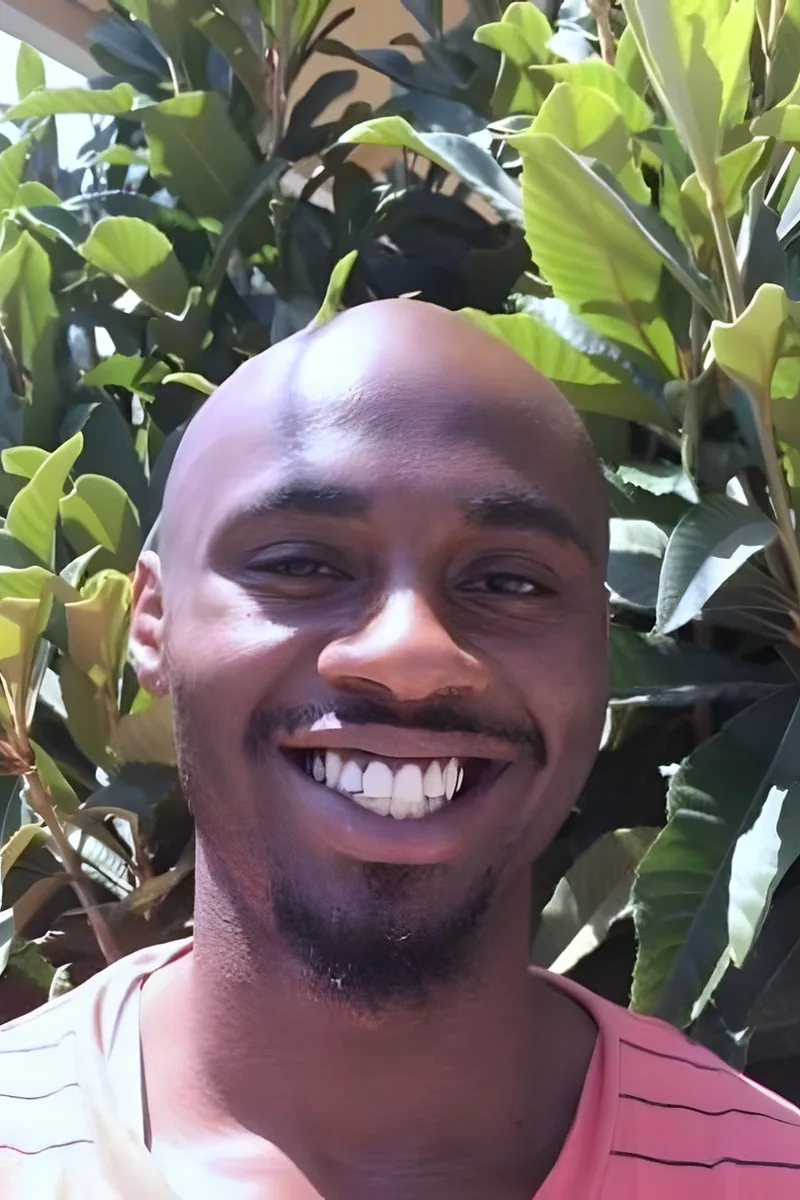
Caltech's CS curriculum drills computational thinking at a level that makes AP CSP's big ideas — abstraction, algorithm design, data representation — feel like familiar territory for Brian. He teaches students to reason through pseudocode and explain their design choices in plain language, which is exactly what the Create Task and the multiple-choice exam reward. His 1580 SAT speaks to the kind of precise, analytical communication that carries across disciplines.
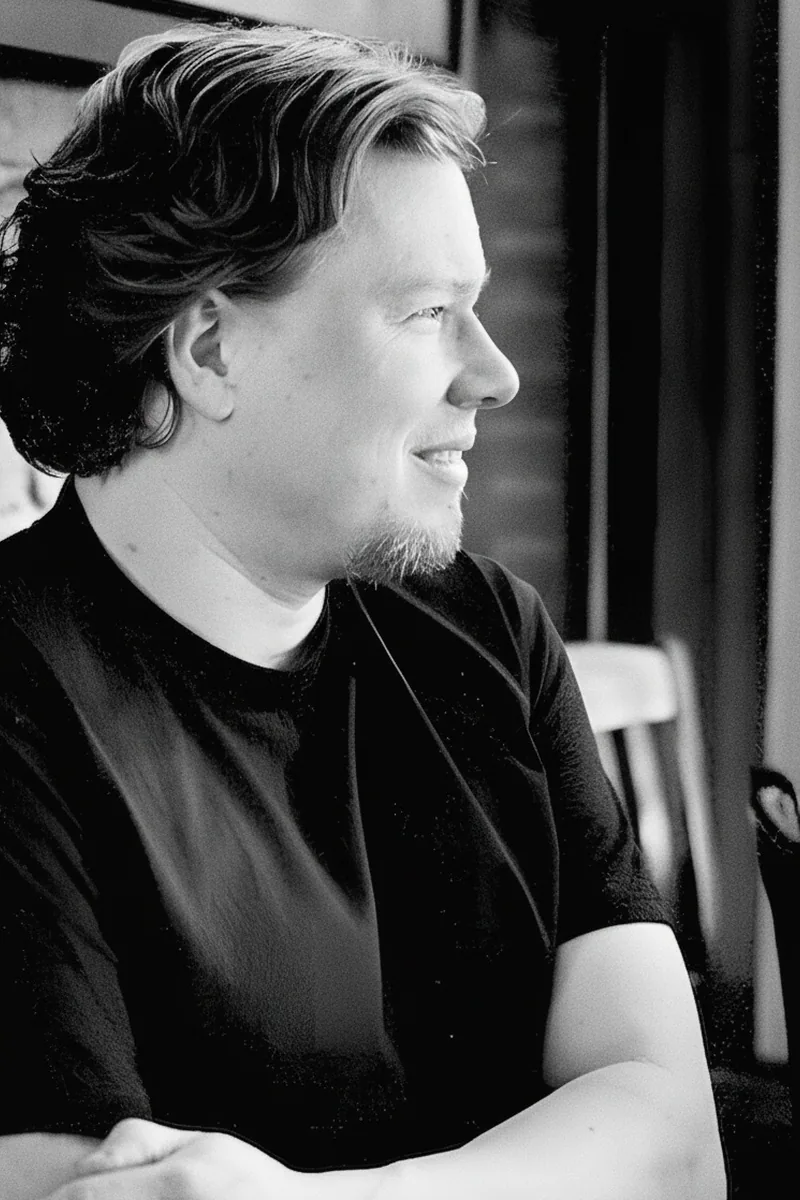
The AP CSP exam's multiple-choice section leans heavily on reading comprehension — interpreting pseudocode, parsing scenario descriptions, and eliminating wrong answers under time pressure. Dennis's communication background makes him unusually good at teaching students to slow down and decode what a question is actually asking before jumping to an answer. Rated 5.0 by students.
Daniel's electrical engineering coursework at Vanderbilt means he writes actual code in Java and works with hardware-software interfaces daily — background that makes the pseudocode and abstraction concepts in AP CSP click faster for students. He zeroes in on algorithm design and data representation, breaking down how binary encoding and compression work at the circuit level so the logic sticks. His 36 ACT composite speaks to the kind of structured, analytical thinking he brings to Create Task coaching and exam prep.
Cognitive science training at Stanford gave David an unusual lens for AP CSP — he studied how humans process information before studying how computers do, which means he can explain abstraction, algorithms, and data representation in terms that actually click. His experience teaching web and app development to high schoolers abroad sharpened his ability to walk students through the Create Task from planning to polished written response.
Manideep's day-to-day at Northwestern splits between biology coursework and programming in Python for data analysis, which maps directly onto AP CSP's emphasis on how computing intersects with other fields. He teaches the algorithmic thinking and data representation concepts by tying them to problems he's actually solved — like modeling biological datasets — so the exam's Big Ideas feel grounded rather than abstract. Rated 5.0 by students.
Dalila's math degree gives her a sharper lens on the algorithmic and data-representation units that carry the most weight in AP CSP — she can explain why a particular sorting approach scales better than another or how abstraction layers simplify a complex problem. For the Create Performance Task, she emphasizes building clean pseudocode logic first, then translating it into a written response that hits every rubric point without overcomplicating the code.
Firas's machine learning research at Princeton means he can show students what abstraction, algorithms, and data representation actually look like in practice — not just as AP exam vocabulary but as tools working scientists use daily. He's particularly sharp at teaching the pseudocode reasoning and written response skills the Create Task demands, since his PhD work required translating complex computational ideas into clear, precise language. Rated 5.0 by students.
Studying Computer Science at UNC Chapel Hill, Jack brings hands-on programming experience in Java and C to a course where most students are writing their first real program for the Create Task. He digs into the pseudocode logic and algorithm design questions that trip up students on the multiple-choice section, connecting them back to actual coding patterns so the reasoning clicks. Rated 4.7 by students.
Payton is a Computer Science major at Texas A&M who codes in Python, C++, and Haskell — but AP CSP's exam cares more about pseudocode reasoning and explaining computational ideas in plain English than writing compilable programs. She teaches students to bridge that gap, translating real programming instincts into the kind of clear, structured responses the Create Task and multiple-choice questions actually reward. Rated 4.9 by students.
Most AP CSP students get tripped up not by the coding but by the Big Idea questions that ask them to reason about how computing affects the world — privacy, bias in algorithms, digital divide issues. Susie pairs her Duke CS coursework with a genuine interest in the humanities side of tech, which means she can coach students through both the conceptual exam material and the written responses on the Create Task without defaulting to jargon.
I am a current student at the University of Michigan. I am studying molecular biology in the school of literature, science, and the arts. I will graduate in 2025. I am most passionate about teaching SAT test material, because that was an area that I focused on and improved my own score to reach my goals. I am excited to teach both the english and the math sections. I teach using extensive practice problems and practice tests, because that is what helped me learn best and improve my relevant skills. In my spare time I like to workout, swim at the beach, and surf. I would love to work with you to achieve your goals!
I'm always up for the challenge of changing my methods of instruction and breaking down topics to foster a deeper understanding of a subject. On a different note, I generally spend my spare time playing lacrosse or running outdoors when possible. I also play the violin with a school quartet, and teach lessons to beginning students working through the Suzuki program.
Susanna codes in Java, Python, and MATLAB — but for AP CSP, she shifts gears from syntax to the bigger questions: how does data move across the internet, why does abstraction matter, and what makes an algorithm efficient? Her physics training at UC Berkeley means she's used to translating messy real-world problems into clean logical models, which is exactly the skill the Create Task and exam reward.
Currently studying Computer Science at UCLA's Engineering School with a software engineering internship at Adobe under his belt, David knows how the abstractions taught in AP CSP — algorithms, data representation, internet protocols — actually play out in production code. He uses that industry context to make pseudocode tracing and the Create Task feel purposeful rather than academic. Rated 4.8 by students.
Testimonials
Because the right AP Computer Science Principles tutor makes all the difference.
Average Session Rating – Based on 3.4M Learner Ratings
Nearby AP Computer Science Principles Tutors
Other Indio Tutors
Related Technology and Coding Tutors in Indio
Frequently Asked Questions
Varsity Tutors matches Indio students with expert AP Computer Science Principles tutors for 1-on-1 instruction. We pair each student with a tutor based on their specific needs, learning style, and goals.
Whether you need homework help, exam prep, or want to get ahead, our AP Computer Science Principles tutors are ready to help.
Common challenges include gaps from earlier material, difficulty with specific concepts, and trouble applying learning to new problems. These issues can snowball quickly in AP Computer Science Principles.
A tutor identifies where you're stuck, fills in gaps, and provides targeted practice. The 1-on-1 format means you get help exactly where you need it.
Tutors work with your student's actual coursework—homework assignments, class notes, and upcoming tests. This keeps tutoring directly relevant to what's happening in the classroom.
When you share information about your student's school and curriculum, we can match you with a tutor who has relevant experience.
All tutors complete background checks, credential verification, and teaching evaluation. Many of our AP Computer Science Principles tutors hold advanced degrees or have years of teaching experience.
You can review tutor profiles to find someone with the right background for your student's level and needs.
Many students see improved grades within a few weeks, along with better understanding of AP Computer Science Principles concepts and more confidence tackling challenging material.
Tutors track progress and adjust their approach to ensure continued improvement.
Most students benefit from 1-2 sessions per week. More frequent sessions help if your student is significantly behind or has an important exam coming up.
Your tutor can recommend a schedule based on your student's specific situation and goals.
Tutoring is purchased in packages of hours, with rates varying by tutor experience. Varsity Tutors offers several options to fit different budgets and needs.
You can discuss pricing during your consultation to find what works best.
Your tutor will assess where your student is, discuss goals, and start working on priority areas. Most students bring current homework or upcoming test material to focus on.
By the end, you'll have a clear sense of how the tutor can help and a plan for moving forward.
Let’s find your perfect tutor
Answer a few quick questions. We’ll recommend the right plan and match you with a top 5% tutor.