Award-Winning AP Computer Science Principles Tutors
serving Oxnard, CA
AP Computer Science Principles
Tutors in Oxnard
Private 1-on-1 tutoring, weekly live classes for academic support, test prep & enrichment, practice tests and diagnostics, and more to elevate grades and test scores.
Based on 3.4M Learner Ratings
UniversitiesSchools & Universities
DeliveredHours Delivered
ProficiencyGrowth in Proficiency
Who needs tutoring?
No obligation. Takes ~1 minute.
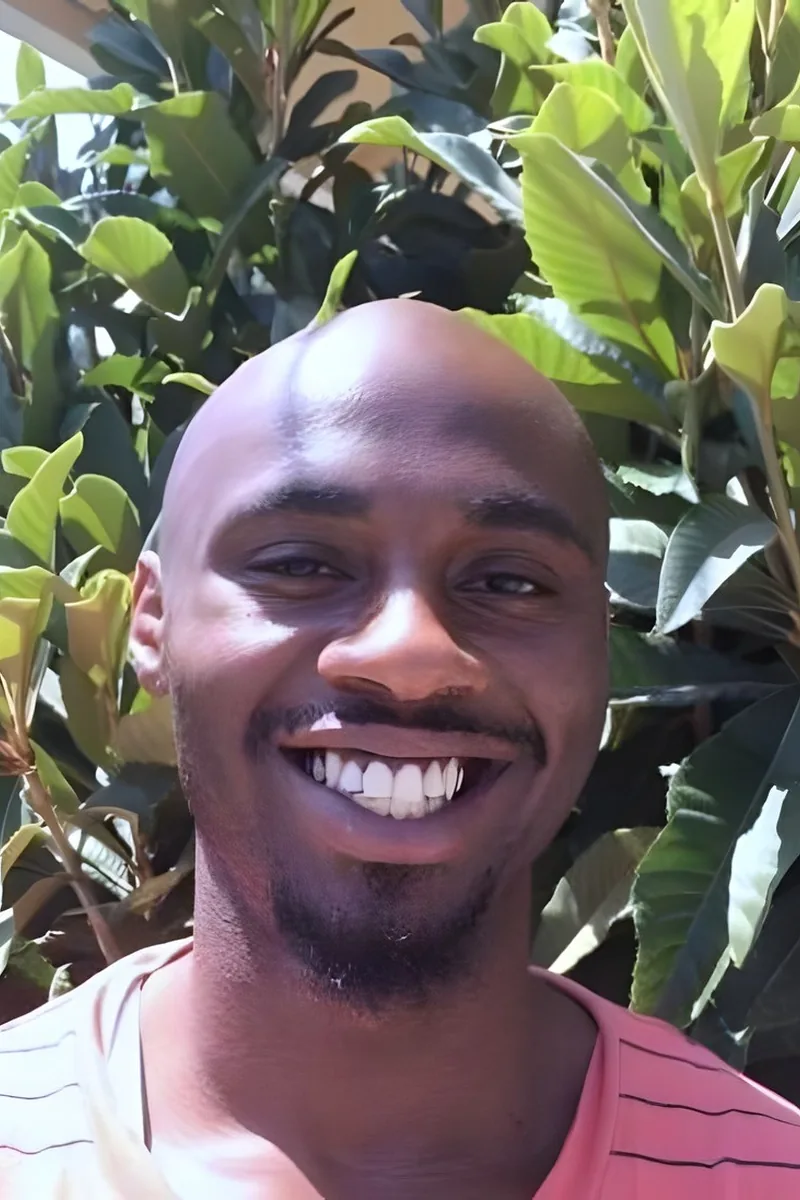
Caltech's CS curriculum drills computational thinking at a level that makes AP CSP's big ideas — abstraction, algorithm design, data representation — feel like familiar territory for Brian. He teaches students to reason through pseudocode and explain their design choices in plain language, which is exactly what the Create Task and the multiple-choice exam reward. His 1580 SAT speaks to the kind of precise, analytical communication that carries across disciplines.

The AP CSP exam's multiple-choice section leans heavily on reading comprehension — interpreting pseudocode, parsing scenario descriptions, and eliminating wrong answers under time pressure. Dennis's communication background makes him unusually good at teaching students to slow down and decode what a question is actually asking before jumping to an answer. Rated 5.0 by students.
Firas's machine learning research at Princeton means he can show students what abstraction, algorithms, and data representation actually look like in practice — not just as AP exam vocabulary but as tools working scientists use daily. He's particularly sharp at teaching the pseudocode reasoning and written response skills the Create Task demands, since his PhD work required translating complex computational ideas into clear, precise language. Rated 5.0 by students.
Computer engineering at Georgia Tech means Yash lives in the space where hardware meets software — exactly the kind of systems-level thinking that makes AP CSP's Big Ideas about the internet, abstraction, and data representation feel intuitive rather than abstract. He teaches students to trace pseudocode and reason through algorithm questions the way an engineer debugs a circuit: step by step, with nothing assumed. Rated 5.0 by students.
Pratik doesn't come from a traditional CS background, but his premed training at Cornell — where he regularly works with data sets, statistical models, and logical reasoning — maps directly onto the computational thinking AP CSP tests. He's especially effective at breaking down the data analysis and algorithm units, translating abstract pseudocode into the kind of step-by-step problem solving he uses in biology and chemistry every day.
Joshua scored a 5 on the AP Computer Science A exam, which means the Principles course's pseudocode and algorithm questions draw on knowledge he's already internalized at a deeper level. He teaches the Create Task as a scaled-down version of real software development — planning, building, and documenting — using his hands-on experience in Java, Python, and JavaScript to show students what clean, explainable code actually looks like.
Cindy doesn't come from a traditional CS background, but her 36 ACT and analytical training as a Harvard English student give her a sharp edge on AP CSP's most underestimated challenge: the written responses. The Create Task and exam both reward students who can explain computational ideas — abstraction, algorithms, data patterns — in clear, precise language, and that's exactly the skill set she brings to every session.
Giovanni's dual training in mathematics and computer science at Emory means he can teach the algorithmic thinking in AP CSP from both a coding perspective and a pure logic perspective — particularly useful when students hit pseudocode trace problems or need to reason through abstraction layers on the exam. He also brings hands-on experience in Java and Python, which gives him a practical toolkit for coaching students through the Create Task from initial design to final written response. Rated 5.0 by students.
With a strong background in STEM education and administration, I am passionate about helping students achieve academic success through personalized learning. My experience as a high school STEM teacher has allowed me to guide students in subjects such as artificial intelligence, machine learning, renewable energy technology, supply chain management, and manufacturing systems. Additionally, my administrative expertise has honed my ability to provide structured and efficient support to learners of all levels. I have earned certifications from the Massachusetts Institute of Technology, International Business Machines (IBM), and the New York Institute of Finance, dedicating years to making complex concepts more engaging and accessible. My tutoring style is adaptive, ensuring that each student's unique learning needs are met with patience and clarity. I believe in creating a supportive learning environment where students feel confident in tackling challenges and mastering new skills. While I tutor a broad range of subjects, I am particularly passionate about STEM-related fields, as they shape the future of technology and innovation. Beyond academics, I enjoy exploring advancements in artificial intelligence, renewable energy solutions, and automotive technology. My goal is to inspire curiosity, critical thinking, and a lifelong love of learning in every student I work with.
Having TA'd computer science courses at MIT and now pursuing a PhD in Operations Research at Georgia Tech, Isabella brings real programming fluency — particularly in Python — to the algorithmic thinking and data analysis threads that run through AP CSP. She digs into how pseudocode on the exam maps to actual code students write for the Create Task, making the connection between abstract logic and working programs click. Rated 5.0 by students.
Robotics engineering at WPI means Matthew writes code that has to actually control physical systems — sensors, motors, feedback loops — which gives him a practical lens on AP CSP's units on algorithms, abstraction, and data representation. He teaches the pseudocode reasoning behind exam questions by tying each concept back to how real machines process information. Rated 5.0 by students.
I am a current student at the University of Michigan. I am studying molecular biology in the school of literature, science, and the arts. I will graduate in 2025. I am most passionate about teaching SAT test material, because that was an area that I focused on and improved my own score to reach my goals. I am excited to teach both the english and the math sections. I teach using extensive practice problems and practice tests, because that is what helped me learn best and improve my relevant skills. In my spare time I like to workout, swim at the beach, and surf. I would love to work with you to achieve your goals!
I am a recent graduate with a master's in electrical engineering from Case Western Reserve University. I won the Bill and Melinda Gates Millennium Scholarship which covers full tuition up to Ph.D. I was on the Dean's List for three consecutive years. Additionally, I won the OZY Media Genius Award in 2015 to work on high-temperature superconductors. I currently work as a Technology Analyst at Accenture. I am also seriously considering whether I should go for a Ph.D. or not.
Samuel's applied math training at Caltech intersects directly with AP CSP's algorithm and data units — he can trace how a sorting algorithm's efficiency scales or why lossy compression works because he uses that math daily. He also taught a discrete mathematics course through PACT, which means pseudocode logic and combinatorial reasoning come naturally when prepping students for both the multiple-choice exam and the Create Task.
Testimonials
Because the right AP Computer Science Principles tutor makes all the difference.
Average Session Rating – Based on 3.4M Learner Ratings
Nearby AP Computer Science Principles Tutors
Other Oxnard Tutors
Related Technology and Coding Tutors in Oxnard
Frequently Asked Questions
Varsity Tutors matches Oxnard students with expert AP Computer Science Principles tutors for 1-on-1 instruction. We pair each student with a tutor based on their specific needs, learning style, and goals.
Whether you need homework help, exam prep, or want to get ahead, our AP Computer Science Principles tutors are ready to help.
Common challenges include gaps from earlier material, difficulty with specific concepts, and trouble applying learning to new problems. These issues can snowball quickly in AP Computer Science Principles.
A tutor identifies where you're stuck, fills in gaps, and provides targeted practice. The 1-on-1 format means you get help exactly where you need it.
Tutors work with your student's actual coursework—homework assignments, class notes, and upcoming tests. This keeps tutoring directly relevant to what's happening in the classroom.
When you share information about your student's school and curriculum, we can match you with a tutor who has relevant experience.
All tutors complete background checks, credential verification, and teaching evaluation. Many of our AP Computer Science Principles tutors hold advanced degrees or have years of teaching experience.
You can review tutor profiles to find someone with the right background for your student's level and needs.
Many students see improved grades within a few weeks, along with better understanding of AP Computer Science Principles concepts and more confidence tackling challenging material.
Tutors track progress and adjust their approach to ensure continued improvement.
Most students benefit from 1-2 sessions per week. More frequent sessions help if your student is significantly behind or has an important exam coming up.
Your tutor can recommend a schedule based on your student's specific situation and goals.
Tutoring is purchased in packages of hours, with rates varying by tutor experience. Varsity Tutors offers several options to fit different budgets and needs.
You can discuss pricing during your consultation to find what works best.
Your tutor will assess where your student is, discuss goals, and start working on priority areas. Most students bring current homework or upcoming test material to focus on.
By the end, you'll have a clear sense of how the tutor can help and a plan for moving forward.
Let’s find your perfect tutor
Answer a few quick questions. We’ll recommend the right plan and match you with a top 5% tutor.