Award-Winning AP Computer Science Principles Tutors
serving Murrieta, CA
AP Computer Science Principles
Tutors in Murrieta
Private 1-on-1 tutoring, weekly live classes for academic support, test prep & enrichment, practice tests and diagnostics, and more to elevate grades and test scores.
Based on 3.4M Learner Ratings
UniversitiesSchools & Universities
DeliveredHours Delivered
ProficiencyGrowth in Proficiency
Who needs tutoring?
No obligation. Takes ~1 minute.
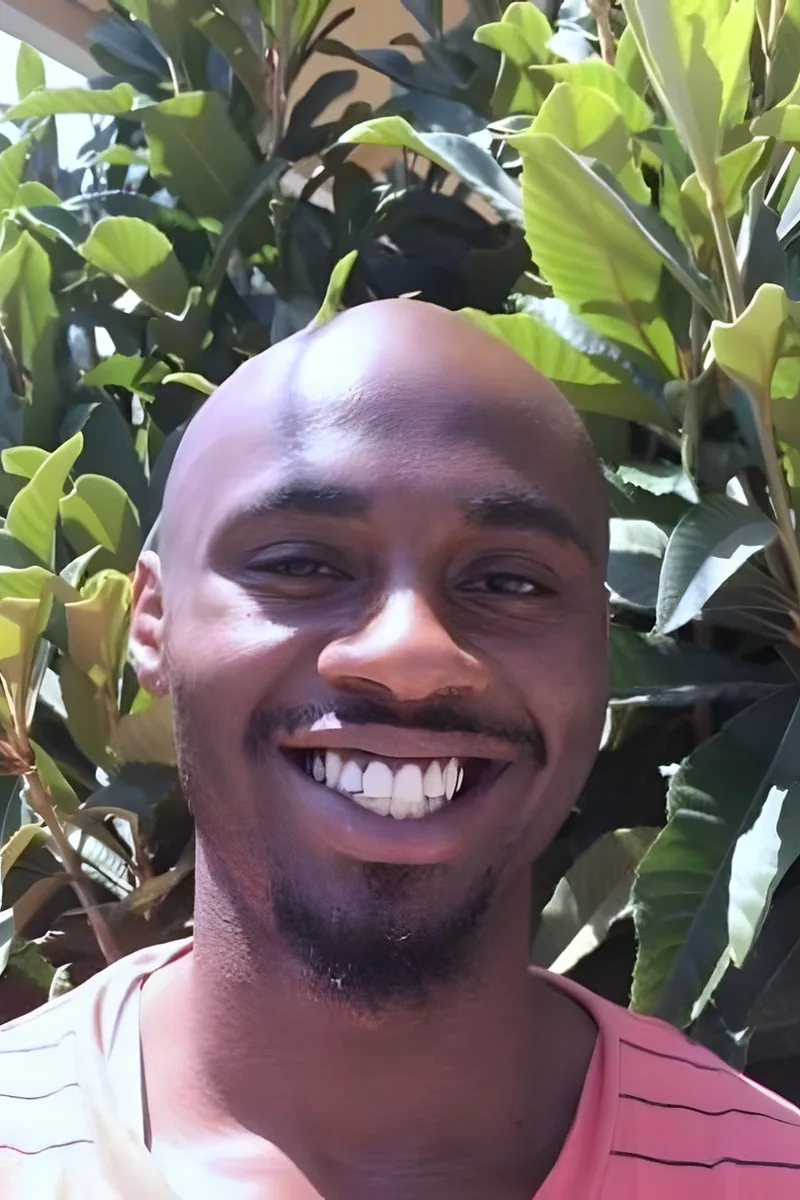
Caltech's CS curriculum drills computational thinking at a level that makes AP CSP's big ideas — abstraction, algorithm design, data representation — feel like familiar territory for Brian. He teaches students to reason through pseudocode and explain their design choices in plain language, which is exactly what the Create Task and the multiple-choice exam reward. His 1580 SAT speaks to the kind of precise, analytical communication that carries across disciplines.
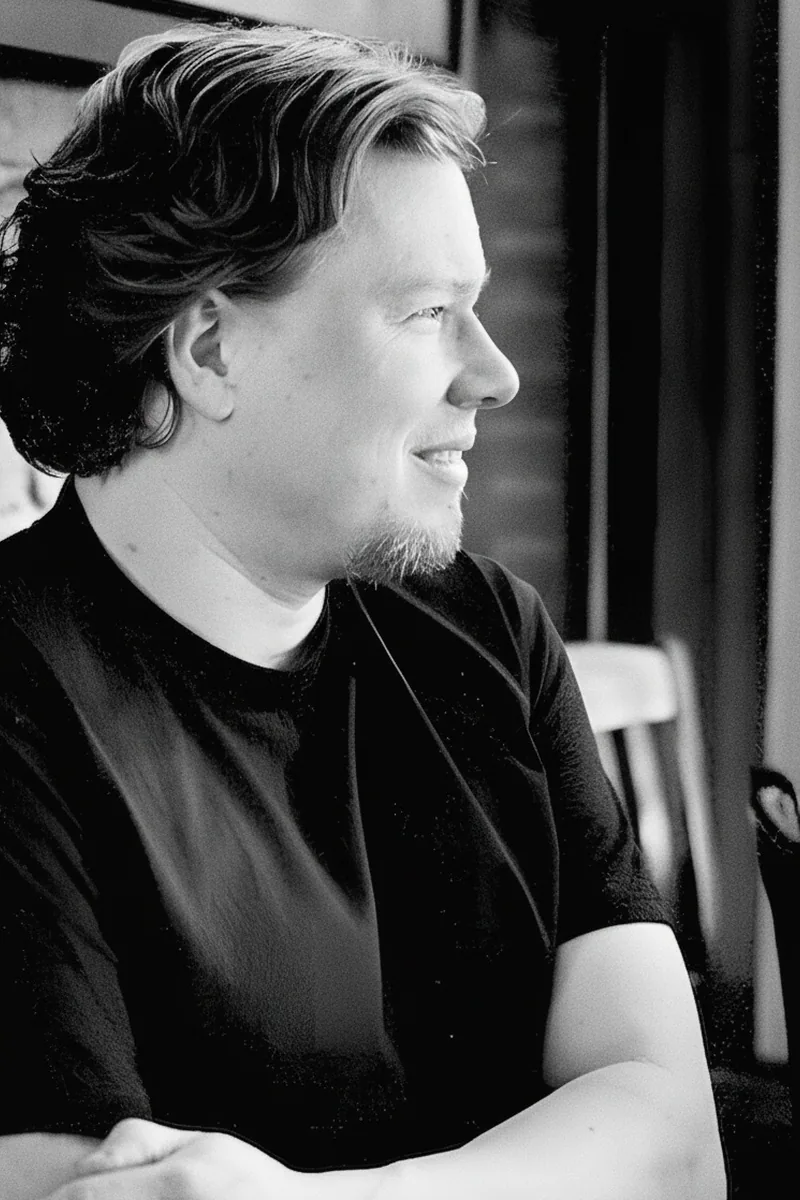
The AP CSP exam's multiple-choice section leans heavily on reading comprehension — interpreting pseudocode, parsing scenario descriptions, and eliminating wrong answers under time pressure. Dennis's communication background makes him unusually good at teaching students to slow down and decode what a question is actually asking before jumping to an answer. Rated 5.0 by students.
Electrical engineering taught Jake to think in systems — how signals move, how data gets encoded, how layers of abstraction stack to make hardware and software talk to each other. That mindset maps directly onto AP CSP's trickiest material, from binary representation to internet protocols to algorithm tracing in pseudocode. He also teaches across five programming languages, so the Create Task's coding component comes naturally.
Dalila's math degree gives her a sharper lens on the algorithmic and data-representation units that carry the most weight in AP CSP — she can explain why a particular sorting approach scales better than another or how abstraction layers simplify a complex problem. For the Create Performance Task, she emphasizes building clean pseudocode logic first, then translating it into a written response that hits every rubric point without overcomplicating the code.
Bryan codes in Java, C++, Python, and JavaScript daily as a CS major at Penn, which means the programming and algorithm design portions of AP CSP come naturally — but he's equally sharp on the conceptual side, like explaining how data travels across the internet or why abstraction matters in system design. He scored a 35 ACT and holds a 5.0 tutoring rating, and he's particularly effective at coaching students through the written response component of the Create Task, where clear technical communication counts as much as the code itself.
Studying computational science at Stanford while coming from a creative arts background at Juilliard's Pre-College program, Julia brings an unusual lens to AP CSP — she naturally bridges the course's technical units on algorithms and data representation with its emphasis on the societal and creative dimensions of computing. Her 1560 SAT and 5.0 tutoring rating back up the analytical chops, but it's that crossover between engineering and the arts that makes her especially effective at coaching the Create Task, where students need both programming logic and clear written explanation.
Susanna codes in Java, Python, and MATLAB — but for AP CSP, she shifts gears from syntax to the bigger questions: how does data move across the internet, why does abstraction matter, and what makes an algorithm efficient? Her physics training at UC Berkeley means she's used to translating messy real-world problems into clean logical models, which is exactly the skill the Create Task and exam reward.
I am a current student at the University of Michigan. I am studying molecular biology in the school of literature, science, and the arts. I will graduate in 2025. I am most passionate about teaching SAT test material, because that was an area that I focused on and improved my own score to reach my goals. I am excited to teach both the english and the math sections. I teach using extensive practice problems and practice tests, because that is what helped me learn best and improve my relevant skills. In my spare time I like to workout, swim at the beach, and surf. I would love to work with you to achieve your goals!
Sasha's computer engineering degree means the hardware side of AP CSP — binary encoding, logic gates, how data physically moves through networks — isn't abstract theory but something she's built circuits around. She uses that hands-on perspective to make the course's Big Ideas feel grounded, especially when students hit the units on data representation and internet protocols that tend to blur together without a concrete mental model. Rated 4.9 by students.
Giovanni's dual training in mathematics and computer science at Emory means he can teach the algorithmic thinking in AP CSP from both a coding perspective and a pure logic perspective — particularly useful when students hit pseudocode trace problems or need to reason through abstraction layers on the exam. He also brings hands-on experience in Java and Python, which gives him a practical toolkit for coaching students through the Create Task from initial design to final written response. Rated 5.0 by students.
Payton is a Computer Science major at Texas A&M who codes in Python, C++, and Haskell — but AP CSP's exam cares more about pseudocode reasoning and explaining computational ideas in plain English than writing compilable programs. She teaches students to bridge that gap, translating real programming instincts into the kind of clear, structured responses the Create Task and multiple-choice questions actually reward. Rated 4.9 by students.
Computer engineering at Georgia Tech means Yash lives in the space where hardware meets software — exactly the kind of systems-level thinking that makes AP CSP's Big Ideas about the internet, abstraction, and data representation feel intuitive rather than abstract. He teaches students to trace pseudocode and reason through algorithm questions the way an engineer debugs a circuit: step by step, with nothing assumed. Rated 5.0 by students.
Matthew codes in Java, C++, Python, and JavaScript — so when AP CSP asks students to reason about algorithms or explain how a program works in pseudocode, he can ground those abstractions in actual programming logic most students haven't seen yet. His Harvard math and CS coursework also means he's sharp on the data analysis and binary representation questions that trip up students who only studied the vocabulary. Rated 4.9 by students.
Coming from Thomas Jefferson High School for Science and Technology — one of the most competitive STEM programs in the country — and now studying computer engineering at Vanderbilt, Rhamy brings real depth to the algorithms and abstraction concepts that AP CSP tests. He digs into how programming logic actually maps to hardware, which gives students an intuitive grasp of topics like data representation and protocol layers that most review guides gloss over. Rated 5.0 by students.
Testimonials
Because the right AP Computer Science Principles tutor makes all the difference.
Average Session Rating – Based on 3.4M Learner Ratings
Nearby AP Computer Science Principles Tutors
Other Murrieta Tutors
Related Technology and Coding Tutors in Murrieta
Frequently Asked Questions
AP Computer Science Principles covers five big ideas: creative development, data, algorithms, programming, and computing innovations. The course emphasizes computational thinking skills like abstraction, algorithm design, and debugging, rather than focusing on a single programming language. Students work on the Create Performance Task (a programming project) and the Explore Performance Task (analyzing computing innovations), which together make up 30% of the AP exam score, with the remaining 70% from the multiple-choice section.
Score improvement depends on your starting point and how consistently you engage with tutoring. Most students who work with a tutor see meaningful gains by focusing on their specific weak areas—whether that's understanding algorithms, mastering the performance tasks, or improving multiple-choice test-taking strategies. A tutor can help you identify which concepts need more practice and create a study plan tailored to your goals, typically leading to noticeable improvement within 4-6 weeks of regular sessions.
The performance tasks account for 30% of your AP score, so mastering them is critical. Tutors can help you understand the rubric requirements, brainstorm project ideas, debug code, and write strong explanations of your computational thinking. They'll also review your work to ensure you're meeting College Board standards for documentation, code quality, and written responses—areas where many students lose points despite having good ideas.
Many students struggle with translating abstract computational thinking concepts into actual code, managing the time and scope of their performance tasks, and understanding the nuances of multiple-choice questions that test conceptual knowledge rather than just coding syntax. Additionally, students often underestimate how much time the performance tasks require and rush through documentation, which costs them points. A tutor can help you pace your work, break down complex concepts, and practice the specific question formats you'll see on test day.
Practice tests are essential for getting comfortable with the multiple-choice format and timing—you'll have 120 minutes for 120 questions on exam day. Working through full-length practice tests helps you identify which topics you need to review and builds test-taking stamina. A tutor can review your practice test results with you, explain why you missed questions, and help you develop strategies for managing your time across different question types.
Your first session will focus on understanding where you're starting from—what concepts feel solid, where you're struggling, and what your AP exam goals are. The tutor will likely assess your current understanding of key topics like algorithms, data representation, and programming, then work with you to create a personalized study plan. You'll also discuss the performance tasks and timeline so the tutor can help you stay on track with College Board deadlines.
Look for tutors with strong computer science backgrounds, ideally with experience teaching or tutoring AP Computer Science Principles specifically. They should understand the AP exam format, the performance task rubrics, and be able to explain computational thinking concepts clearly. Experience with the programming language used in your course (often Python or JavaScript) is also valuable, as is familiarity with how the College Board grades both the multiple-choice section and performance tasks.
With 35 schools across Murrieta's three school districts and an average student-teacher ratio of 23.5:1, many students benefit from personalized 1-on-1 instruction to supplement classroom learning. A tutor can work at your pace, spend extra time on concepts your teacher moved through quickly, and provide targeted help with performance tasks and exam preparation. This personalized approach is especially valuable in a busy classroom setting where teachers have limited time for individual support.
Let’s find your perfect tutor
Answer a few quick questions. We’ll recommend the right plan and match you with a top 5% tutor.