Award-Winning AP Computer Science Principles Tutors
serving Los Angeles, CA
AP Computer Science Principles
Tutors in Los Angeles
Private 1-on-1 tutoring, weekly live classes for academic support, test prep & enrichment, practice tests and diagnostics, and more to elevate grades and test scores.
Based on 3.4M Learner Ratings
UniversitiesSchools & Universities
DeliveredHours Delivered
ProficiencyGrowth in Proficiency
Who needs tutoring?
No obligation. Takes ~1 minute.

Caltech's CS curriculum drills computational thinking at a level that makes AP CSP's big ideas — abstraction, algorithm design, data representation — feel like familiar territory for Brian. He teaches students to reason through pseudocode and explain their design choices in plain language, which is exactly what the Create Task and the multiple-choice exam reward. His 1580 SAT speaks to the kind of precise, analytical communication that carries across disciplines.
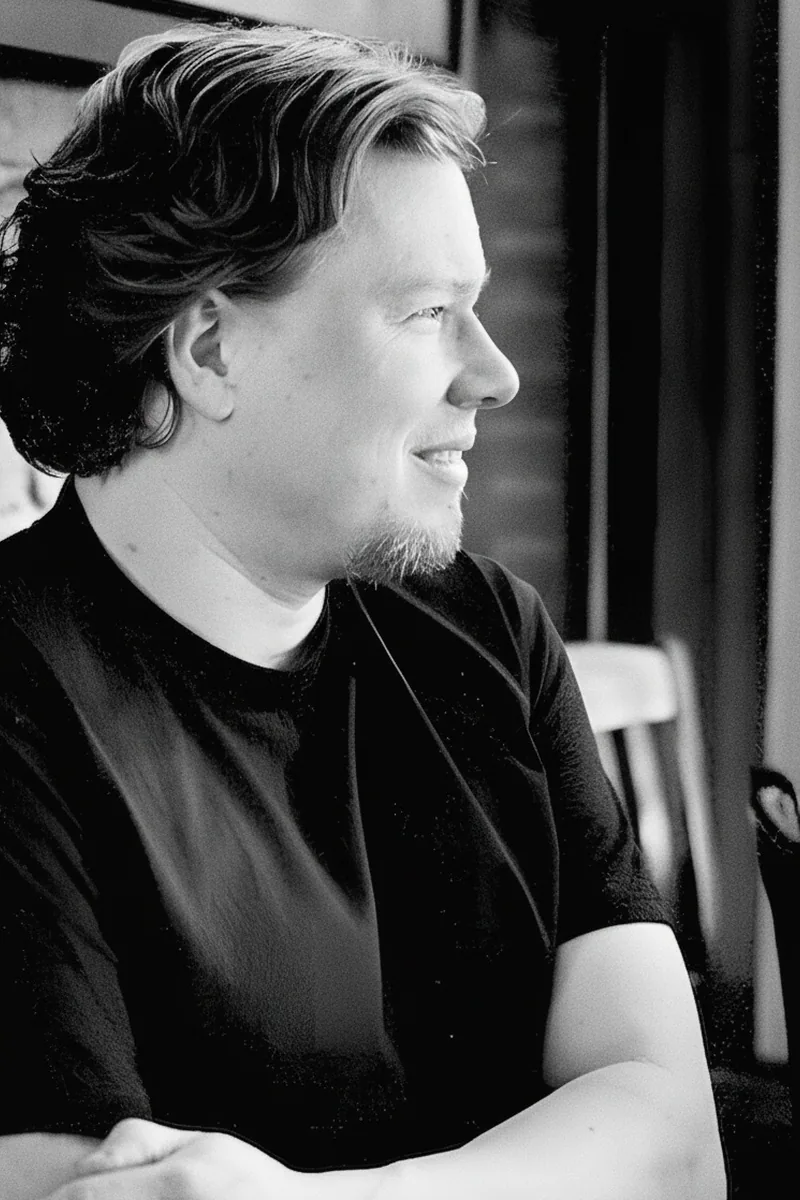
The AP CSP exam's multiple-choice section leans heavily on reading comprehension — interpreting pseudocode, parsing scenario descriptions, and eliminating wrong answers under time pressure. Dennis's communication background makes him unusually good at teaching students to slow down and decode what a question is actually asking before jumping to an answer. Rated 5.0 by students.
Biomedical engineering at Cornell means Annie writes Python and MATLAB to process real research data — skills that map directly onto AP CSP's emphasis on programming, data analysis, and algorithmic thinking. She teaches the Create Task as a scaled-down version of the same design process she uses in lab: define the problem, plan the logic, build iteratively, then explain your choices clearly. Rated 4.9 by students.
Nikitha earned her CS degree from Michigan writing actual code — which gives her a practical lens on AP CSP's more conceptual terrain, where students often stumble because the material feels too broad to pin down. She zeroes in on the impact-of-computing and cybersecurity threads that many tutors gloss over, tying them back to real design decisions she encountered in her own coursework. Rated 5.0 by students.
I am a recent graduate with a master's in electrical engineering from Case Western Reserve University. I won the Bill and Melinda Gates Millennium Scholarship which covers full tuition up to Ph.D. I was on the Dean's List for three consecutive years. Additionally, I won the OZY Media Genius Award in 2015 to work on high-temperature superconductors. I currently work as a Technology Analyst at Accenture. I am also seriously considering whether I should go for a Ph.D. or not.
Stanford's economics curriculum leans heavily on data analysis and programming — skills that map directly onto AP CSP's units on data representation, algorithms, and computational thinking. Julia applies that quantitative training to demystify pseudocode logic and the Create Task's written responses, where clearly explaining your program matters as much as building it. Rated 4.8 by students.
Intensely curious, I am interested in STEM subjects and the liberal arts. I tutor to help you reach your educational goals and because it's immensely gratifying to see my students succeed.
Currently studying Computer Science at UCLA's Engineering School with a software engineering internship at Adobe under his belt, David knows how the abstractions taught in AP CSP — algorithms, data representation, internet protocols — actually play out in production code. He uses that industry context to make pseudocode tracing and the Create Task feel purposeful rather than academic. Rated 4.8 by students.
Studying Computer Science at UNC Chapel Hill, Jack brings hands-on programming experience in Java and C to a course where most students are writing their first real program for the Create Task. He digs into the pseudocode logic and algorithm design questions that trip up students on the multiple-choice section, connecting them back to actual coding patterns so the reasoning clicks. Rated 4.7 by students.
Daniel writes production software for a living and is pursuing a PhD in Computer Science, which means he can show students exactly how concepts like abstraction, algorithms, and data representation play out in real codebases — not just on slides. He's particularly effective at coaching the Create Task, walking students through project planning and the written responses that separate a 3 from a 5. Rated 5.0 by students.
Most AP CSP students get tripped up not by the coding but by the Big Idea questions that ask them to reason about how computing affects the world — privacy, bias in algorithms, digital divide issues. Susie pairs her Duke CS coursework with a genuine interest in the humanities side of tech, which means she can coach students through both the conceptual exam material and the written responses on the Create Task without defaulting to jargon.
Robotics engineering at WPI means Matthew writes code that has to actually control physical systems — sensors, motors, feedback loops — which gives him a practical lens on AP CSP's units on algorithms, abstraction, and data representation. He teaches the pseudocode reasoning behind exam questions by tying each concept back to how real machines process information. Rated 5.0 by students.
Kevin's Stanford Biocomputation research sits at the intersection of CS and biology, which means he can teach AP CSP's algorithmic thinking and data analysis concepts through real examples — like how machine learning models process biological datasets or how compression algorithms handle genomic sequences. He also brings hands-on Python and C++ fluency to the Create Task, coaching students through both the programming and the written explanation that the rubric demands. Rated 5.0 by students.
Ritesh's physics training at Cornell actually maps neatly onto AP CSP — both demand thinking about systems in layers, whether that's abstraction in computing or modeling forces in mechanics. He teaches the pseudocode and algorithm-tracing portions by treating them like physics problem-solving: break the system into parts, track what changes at each step, and verify the output makes sense.
Testimonials
Because the right AP Computer Science Principles tutor makes all the difference.
Average Session Rating – Based on 3.4M Learner Ratings
Nearby AP Computer Science Principles Tutors
Other Los Angeles Tutors
Related Technology and Coding Tutors in Los Angeles
Frequently Asked Questions
AP Computer Science Principles focuses on the creative and practical aspects of computing, covering topics like algorithms, data representation, cybersecurity, and the impact of computing on society. The course emphasizes computational thinking and problem-solving through hands-on projects, performance tasks, and the Create Performance Task—a major component where you develop an original program. Unlike AP Computer Science A, CSP doesn't require extensive programming knowledge upfront, making it accessible while still building strong foundational skills.
The AP CSP exam consists of two components: the Create Performance Task (worth 30% of your score) and the end-of-course exam (worth 70%). The exam itself includes multiple-choice questions and free-response questions covering the five big ideas: creativity, abstraction, data and information, algorithms, and the internet. The Create Performance Task requires you to design and build a program, document your process, and explain your work—skills that are tested throughout the course, not just on exam day.
Many students struggle with the balance between conceptual understanding and hands-on coding, especially if they're new to programming. The Create Performance Task can feel overwhelming because it requires planning, coding, testing, and clear documentation—all while meeting specific rubric criteria. Additionally, understanding how algorithms work and explaining computational thinking in writing (rather than just coding) trips up students who expect the course to be purely technical. Personalized tutoring helps you break down these components and develop a clear strategy for tackling each part of the course.
Score improvement depends on your starting point and how much you engage with tutoring. Students who work with tutors typically see gains by developing stronger problem-solving strategies, understanding the exam format better, and refining their Create Performance Task before submission. The national average AP CSP score is around 2.9 out of 5, so targeted help with algorithm design, data analysis, and clear written explanations of your computational thinking can move you into the 3-4 range. Consistent practice with past exam questions and feedback on your performance task draft are key to measurable improvement.
In your first session, a tutor will assess your current understanding of core CSP concepts, identify which topics feel strongest and where you need the most support, and learn about your learning style and goals. They'll ask about your progress on the Create Performance Task (if applicable), review any practice test results, and discuss your timeline for the exam. From there, they'll work with you to create a personalized study plan that targets your specific gaps—whether that's algorithm design, data representation, or strengthening your performance task documentation.
Varsity Tutors connects you with tutors who have deep expertise in computer science and proven experience preparing students for the AP CSP exam. They understand the exam's unique structure—including the Create Performance Task rubric—and know how to teach both the conceptual and practical sides of computing. Many tutors have backgrounds in computer science, software development, or education, and they're skilled at breaking down complex topics like algorithms and data structures into understandable pieces for students at all levels.
Most students benefit from consistent preparation throughout the school year, dedicating 3-5 hours per week to coursework, practice problems, and the Create Performance Task. If you're starting tutoring closer to exam day, intensive sessions focused on your weakest areas and a thorough review of practice exams can still make a meaningful difference. The Create Performance Task typically requires 12+ hours of work over several weeks, so planning ahead and getting feedback from a tutor early helps you avoid last-minute stress and produce stronger work.
Los Angeles has a strong tech community and many schools offering AP CSP, which means there's good access to tutors with local teaching experience and familiarity with different school curricula across the area's 169 school districts. Personalized tutoring lets you work around your school's specific pacing and project deadlines, whether your school emphasizes certain programming languages or approaches the Create Performance Task differently. Connecting with a tutor who understands the LA area's diverse school environments helps you get support tailored to your exact course and timeline.
Let’s find your perfect tutor
Answer a few quick questions. We’ll recommend the right plan and match you with a top 5% tutor.