Award-Winning AP Computer Science Principles Tutors
serving Sacramento, CA
AP Computer Science Principles
Tutors in Sacramento
Private 1-on-1 tutoring, weekly live classes for academic support, test prep & enrichment, practice tests and diagnostics, and more to elevate grades and test scores.
Based on 3.4M Learner Ratings
UniversitiesSchools & Universities
DeliveredHours Delivered
ProficiencyGrowth in Proficiency
Who needs tutoring?
No obligation. Takes ~1 minute.

Caltech's CS curriculum drills computational thinking at a level that makes AP CSP's big ideas — abstraction, algorithm design, data representation — feel like familiar territory for Brian. He teaches students to reason through pseudocode and explain their design choices in plain language, which is exactly what the Create Task and the multiple-choice exam reward. His 1580 SAT speaks to the kind of precise, analytical communication that carries across disciplines.
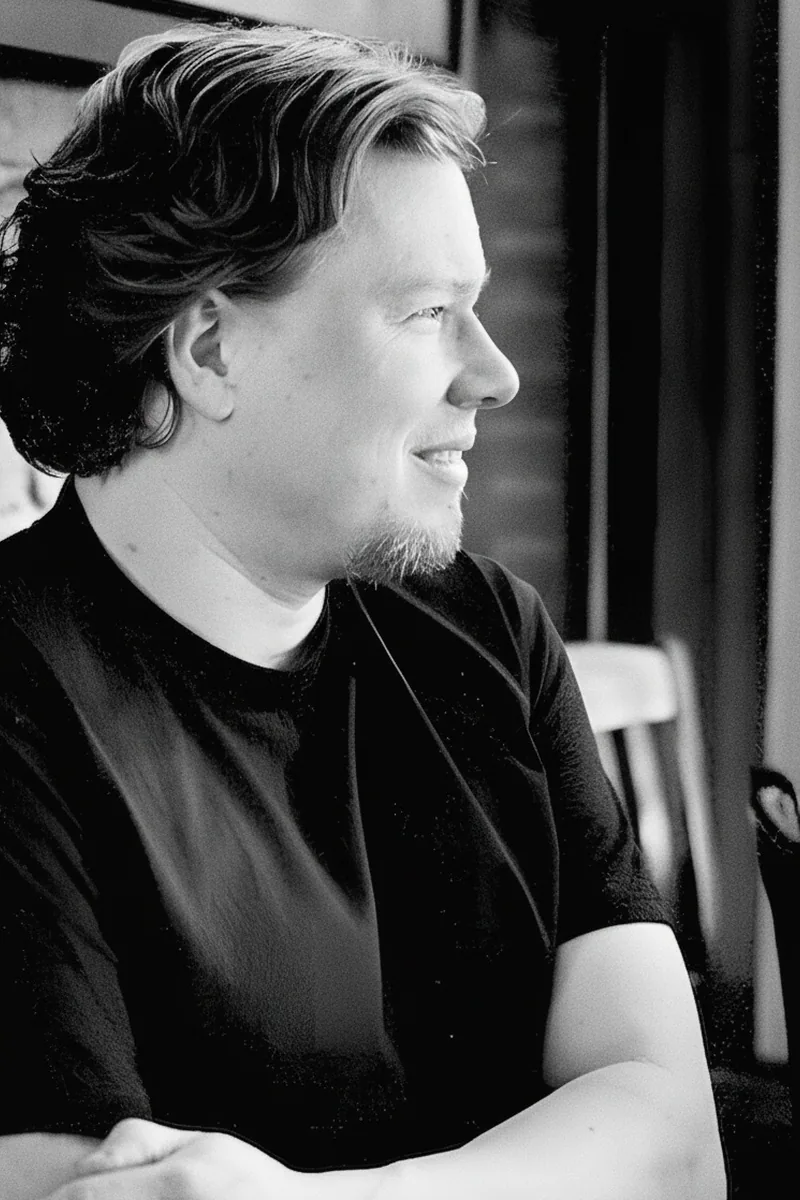
The AP CSP exam's multiple-choice section leans heavily on reading comprehension — interpreting pseudocode, parsing scenario descriptions, and eliminating wrong answers under time pressure. Dennis's communication background makes him unusually good at teaching students to slow down and decode what a question is actually asking before jumping to an answer. Rated 5.0 by students.
I am a current student at the University of Michigan. I am studying molecular biology in the school of literature, science, and the arts. I will graduate in 2025. I am most passionate about teaching SAT test material, because that was an area that I focused on and improved my own score to reach my goals. I am excited to teach both the english and the math sections. I teach using extensive practice problems and practice tests, because that is what helped me learn best and improve my relevant skills. In my spare time I like to workout, swim at the beach, and surf. I would love to work with you to achieve your goals!
Computer engineering at Georgia Tech means Yash lives in the space where hardware meets software — exactly the kind of systems-level thinking that makes AP CSP's Big Ideas about the internet, abstraction, and data representation feel intuitive rather than abstract. He teaches students to trace pseudocode and reason through algorithm questions the way an engineer debugs a circuit: step by step, with nothing assumed. Rated 5.0 by students.
Joshua scored a 5 on the AP Computer Science A exam, which means the Principles course's pseudocode and algorithm questions draw on knowledge he's already internalized at a deeper level. He teaches the Create Task as a scaled-down version of real software development — planning, building, and documenting — using his hands-on experience in Java, Python, and JavaScript to show students what clean, explainable code actually looks like.
With a strong background in STEM education and administration, I am passionate about helping students achieve academic success through personalized learning. My experience as a high school STEM teacher has allowed me to guide students in subjects such as artificial intelligence, machine learning, renewable energy technology, supply chain management, and manufacturing systems. Additionally, my administrative expertise has honed my ability to provide structured and efficient support to learners of all levels. I have earned certifications from the Massachusetts Institute of Technology, International Business Machines (IBM), and the New York Institute of Finance, dedicating years to making complex concepts more engaging and accessible. My tutoring style is adaptive, ensuring that each student's unique learning needs are met with patience and clarity. I believe in creating a supportive learning environment where students feel confident in tackling challenges and mastering new skills. While I tutor a broad range of subjects, I am particularly passionate about STEM-related fields, as they shape the future of technology and innovation. Beyond academics, I enjoy exploring advancements in artificial intelligence, renewable energy solutions, and automotive technology. My goal is to inspire curiosity, critical thinking, and a lifelong love of learning in every student I work with.
Software engineering internships at Apple and Microsoft gave Jerry a firsthand view of how the concepts in AP CSP — abstraction, algorithm design, data representation — actually play out in production code. He uses that industry context to make the Create Performance Task feel like a real development project rather than a classroom exercise, which sharpens both the programming and the written-response components. Rated 4.9 by students.
Nicholas codes in Java, Python, JavaScript, C#, and HTML/CSS daily — so when AP CSP asks students to reason about algorithms or data representation in pseudocode, he can instantly translate those abstractions into real programming scenarios that make the logic click. His Penn State CS degree also means he understands the networking and cybersecurity concepts woven through the course at a technical level most high schoolers never see. Rated 5.0 by students.
Payton is a Computer Science major at Texas A&M who codes in Python, C++, and Haskell — but AP CSP's exam cares more about pseudocode reasoning and explaining computational ideas in plain English than writing compilable programs. She teaches students to bridge that gap, translating real programming instincts into the kind of clear, structured responses the Create Task and multiple-choice questions actually reward. Rated 4.9 by students.
Studying both neuroscience and computer science at Duke means Ankit lives at the intersection AP CSP actually tests — how computing shapes real-world systems, from brain imaging pipelines to cybersecurity ethics. He digs into the algorithmic thinking and data representation questions that trip students up on the multiple-choice section, and coaches the Create Task from initial planning through the written response. Rated 4.8 by students.
Samuel's applied math training at Caltech intersects directly with AP CSP's algorithm and data units — he can trace how a sorting algorithm's efficiency scales or why lossy compression works because he uses that math daily. He also taught a discrete mathematics course through PACT, which means pseudocode logic and combinatorial reasoning come naturally when prepping students for both the multiple-choice exam and the Create Task.
Adel's PhD in mechanical engineering required extensive work in Java and computational modeling — skills that translate directly to the algorithmic thinking and pseudocode analysis at the heart of AP CSP. He unpacks topics like data representation and abstraction by tying them to engineering simulations where those concepts have real consequences. Rated 4.8 by students.
Daniel's biomedical engineering coursework at Rice means he writes algorithms to process real biological data — exactly the kind of computational thinking AP CSP tests through its Big Ideas on data analysis and abstraction. He brings that applied perspective to the Create Task, coaching students to plan, build, and document projects that hit every rubric criterion without overcomplicating the code.
JF studies mathematical and computational science at Stanford, which means the algorithmic thinking and data representation ideas in AP CSP are woven into his daily coursework — not abstract exam topics. He teaches students to reason through pseudocode problems and structure their Create Task projects so every rubric criterion is addressed with clarity. Rated 5.0 by students.
Testimonials
Because the right AP Computer Science Principles tutor makes all the difference.
Average Session Rating – Based on 3.4M Learner Ratings
Nearby AP Computer Science Principles Tutors
Other Sacramento Tutors
Related Technology and Coding Tutors in Sacramento
Frequently Asked Questions
AP Computer Science Principles focuses on broad computational thinking skills rather than programming syntax alone. The course covers five big ideas: creative development (designing programs), data (collecting and analyzing information), algorithms (step-by-step problem solving), programming (writing code), and the internet (how systems connect). For students in Sacramento, understanding these interconnected concepts is key to succeeding on the AP exam, which emphasizes both written responses and practical performance tasks.
The AP CSP exam has two components: a multiple-choice section (120 minutes, 50% of score) and the Create Performance Task (30 hours throughout the course, 50% of score). The multiple-choice questions test conceptual understanding and problem-solving across all five big ideas, while the Create Task requires you to design and document a functional program. Many students find the performance task challenging because it demands sustained effort and clear documentation—personalized tutoring can help you develop strong planning and communication strategies for both components.
Students often struggle with three main areas: translating algorithmic thinking into actual code, managing the Create Performance Task's documentation requirements, and understanding how internet and data concepts connect to real-world applications. The course requires both technical skills and conceptual depth—you need to code, but you also need to explain *why* your approach works. Tutors can help you break down complex algorithms, organize your performance task work, and build confidence in explaining technical concepts clearly.
A score of 3 or higher earns college credit at most institutions, though some schools require a 4 or 5 for credit in computer science majors. The national average typically falls around 2.9-3.0, so scoring a 3 puts you at or above average. Your goal depends on your college plans and major—if computer science is your focus, aiming for a 4 or 5 is worthwhile. Personalized tutoring helps you identify weak areas early and develop targeted strategies to reach your goal score.
Ideally, preparation begins at the start of the course in September, giving you the full academic year to build conceptual understanding and complete the Create Performance Task thoughtfully. However, students often benefit from tutoring support during key phases: early in the course to solidify foundational concepts, mid-year as you tackle the performance task, and in the final weeks before the May exam for targeted review. For students in Sacramento, connecting with a tutor early helps you establish strong study habits and avoid last-minute cramming.
The Create Performance Task is a 30-hour project where you design a program and document its purpose, development process, and functionality. Tutors help you choose a meaningful project idea, break it into manageable coding steps, and craft clear written explanations that meet AP rubric requirements. Many students underestimate the documentation component—tutors ensure your code is solid *and* your explanations demonstrate deep understanding of the algorithms and design choices you made.
AP CSP is language-agnostic, meaning you can use any programming language for your Create Performance Task—Python, JavaScript, Java, and block-based languages like App Inventor are all common choices. Your school may recommend a specific language based on their curriculum. The important thing is learning computational thinking concepts that transfer across languages. Tutors can help you master whichever language your course uses and show you how to apply those skills to solve problems effectively.
Success on the multiple-choice section requires understanding concepts deeply, not just memorizing facts. Read questions carefully—AP CSP questions often test your ability to trace code, predict outputs, and apply algorithms to new scenarios. Practice tests are essential; they help you identify which big ideas (data, algorithms, internet, programming, creativity) challenge you most. Tutors can teach you to manage the 120-minute timeframe, recognize common question patterns, and build confidence by working through practice problems with feedback.
Let’s find your perfect tutor
Answer a few quick questions. We’ll recommend the right plan and match you with a top 5% tutor.