Award-Winning AP Computer Science Principles Tutors
serving Mission Viejo, CA
AP Computer Science Principles
Tutors in Mission Viejo
Private 1-on-1 tutoring, weekly live classes for academic support, test prep & enrichment, practice tests and diagnostics, and more to elevate grades and test scores.
Based on 3.4M Learner Ratings
UniversitiesSchools & Universities
DeliveredHours Delivered
ProficiencyGrowth in Proficiency
Who needs tutoring?
No obligation. Takes ~1 minute.

Caltech's CS curriculum drills computational thinking at a level that makes AP CSP's big ideas — abstraction, algorithm design, data representation — feel like familiar territory for Brian. He teaches students to reason through pseudocode and explain their design choices in plain language, which is exactly what the Create Task and the multiple-choice exam reward. His 1580 SAT speaks to the kind of precise, analytical communication that carries across disciplines.
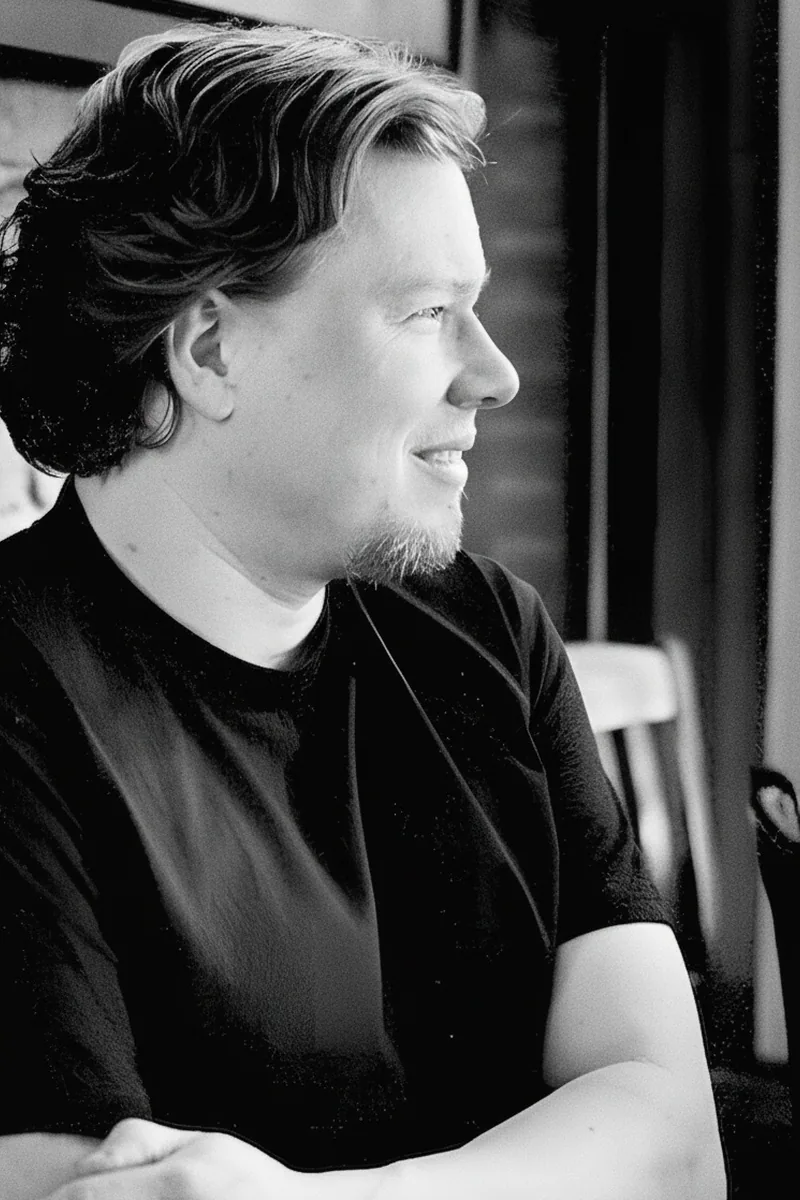
The AP CSP exam's multiple-choice section leans heavily on reading comprehension — interpreting pseudocode, parsing scenario descriptions, and eliminating wrong answers under time pressure. Dennis's communication background makes him unusually good at teaching students to slow down and decode what a question is actually asking before jumping to an answer. Rated 5.0 by students.
Studying computational science at Stanford while coming from a creative arts background at Juilliard's Pre-College program, Julia brings an unusual lens to AP CSP — she naturally bridges the course's technical units on algorithms and data representation with its emphasis on the societal and creative dimensions of computing. Her 1560 SAT and 5.0 tutoring rating back up the analytical chops, but it's that crossover between engineering and the arts that makes her especially effective at coaching the Create Task, where students need both programming logic and clear written explanation.
Evan's game development work in Unity — building systems that rely on abstraction layers, event-driven logic, and efficient data handling — maps directly onto the computational thinking AP CSP tests. He uses his own projects to show students how pseudocode translates into real design decisions, which makes the Create Task feel like building something instead of checking rubric boxes. His 34 ACT reflects the kind of cross-disciplinary reasoning this exam rewards.
Biomedical engineering at Cornell means Annie writes Python and MATLAB to process real research data — skills that map directly onto AP CSP's emphasis on programming, data analysis, and algorithmic thinking. She teaches the Create Task as a scaled-down version of the same design process she uses in lab: define the problem, plan the logic, build iteratively, then explain your choices clearly. Rated 4.9 by students.
Cindy doesn't come from a traditional CS background, but her 36 ACT and analytical training as a Harvard English student give her a sharp edge on AP CSP's most underestimated challenge: the written responses. The Create Task and exam both reward students who can explain computational ideas — abstraction, algorithms, data patterns — in clear, precise language, and that's exactly the skill set she brings to every session.
Daniel's electrical engineering coursework at Vanderbilt means he writes actual code in Java and works with hardware-software interfaces daily — background that makes the pseudocode and abstraction concepts in AP CSP click faster for students. He zeroes in on algorithm design and data representation, breaking down how binary encoding and compression work at the circuit level so the logic sticks. His 36 ACT composite speaks to the kind of structured, analytical thinking he brings to Create Task coaching and exam prep.
Manideep's day-to-day at Northwestern splits between biology coursework and programming in Python for data analysis, which maps directly onto AP CSP's emphasis on how computing intersects with other fields. He teaches the algorithmic thinking and data representation concepts by tying them to problems he's actually solved — like modeling biological datasets — so the exam's Big Ideas feel grounded rather than abstract. Rated 5.0 by students.
Two years working in AI and machine learning gave Brandon a firsthand sense of how the Big Ideas in AP CSP — data representation, algorithmic efficiency, the societal implications of computing — play out in industry, especially around bias in datasets and the ethics of automation. He teaches the Internet and cybersecurity portions of the course through the lens of systems he's actually built, and his CS master's work at RIT keeps him sharp on the pseudocode reasoning the exam demands. Rated 4.9 by students.
Nikitha earned her CS degree from Michigan writing actual code — which gives her a practical lens on AP CSP's more conceptual terrain, where students often stumble because the material feels too broad to pin down. She zeroes in on the impact-of-computing and cybersecurity threads that many tutors gloss over, tying them back to real design decisions she encountered in her own coursework. Rated 5.0 by students.
Ronit studies computer science at Yale and knows AP CSP's curriculum from the student side — which Big Ideas actually trip people up on the multiple-choice and where the Create Task rubric quietly punishes vague written responses. He digs into the explanatory writing piece that most students underestimate, teaching how to describe an algorithm's purpose and trace through pseudocode with the precision the exam expects. Rated 5.0 by students.
I'm always up for the challenge of changing my methods of instruction and breaking down topics to foster a deeper understanding of a subject. On a different note, I generally spend my spare time playing lacrosse or running outdoors when possible. I also play the violin with a school quartet, and teach lessons to beginning students working through the Suzuki program.
I am graduated from Penn State University in Industrial Engineering in 2017. I've tutored ever since I was in high school, and I love helping people! I like to help my students understand math (and other topics) instead of just doing it blindly. My goal is to help my students improve their math (and other topics) and build skills that will help them find learning easier in the future! Fun fact, I used to work for Disney and I like to salsa dance!
Studying both neuroscience and computer science at Duke means Ankit lives at the intersection AP CSP actually tests — how computing shapes real-world systems, from brain imaging pipelines to cybersecurity ethics. He digs into the algorithmic thinking and data representation questions that trip students up on the multiple-choice section, and coaches the Create Task from initial planning through the written response. Rated 4.8 by students.
Testimonials
Because the right AP Computer Science Principles tutor makes all the difference.
Average Session Rating – Based on 3.4M Learner Ratings
Nearby AP Computer Science Principles Tutors
Other Mission Viejo Tutors
Related Technology and Coding Tutors in Mission Viejo
Frequently Asked Questions
AP Computer Science Principles covers five core units: creative development (designing programs and apps), data (storing, processing, and analyzing information), algorithms (solving problems through step-by-step procedures), programming (writing code in languages like Python or JavaScript), and the internet (how data travels and networks function). The course emphasizes computational thinking and real-world applications rather than memorization, making it accessible to students without prior coding experience.
Score improvement depends on your starting point and commitment level. With personalized 1-on-1 instruction, most students see meaningful gains by focusing on their specific weak areas—whether that's understanding algorithms, debugging code, or explaining computational concepts clearly. A tutor can help you target the exact skills the exam tests, identify gaps in your understanding, and develop a study plan tailored to your learning pace.
Many students struggle with the balance between conceptual understanding and hands-on coding—the exam tests both your ability to write programs and explain how computing impacts society. Others find it difficult to translate abstract algorithm concepts into working code, or to manage time during the performance tasks (like the Create and Explore projects). A tutor can break down these complex ideas, provide targeted practice with real exam-style questions, and help you develop strategies for each section.
The AP exam has two main components: the multiple-choice section (50% of your score) covering computational thinking and programming concepts, and performance tasks (50%) where you design and explain your own programs. You'll have time to work on the performance tasks during the school year, then take the 120-minute multiple-choice exam in May. Understanding the format and practicing with official College Board materials is key to managing your time effectively on test day.
Varsity Tutors connects you with expert tutors who specialize in AP Computer Science Principles and understand the specific challenges students in Mission Viejo face. During your first session, your tutor will assess your current understanding, identify your strongest and weakest topics, and create a personalized study plan. From there, you'll work through practice problems, review code together, and build the confidence and skills you need to excel on both the performance tasks and the multiple-choice exam.
Your first session is about building a foundation for success. Your tutor will discuss your goals, review your current coursework or practice test results, and gauge your comfort level with coding and computational concepts. You'll likely work through a sample problem or code snippet together to identify where you need the most support—whether that's understanding loops and conditionals, tackling the Create Task, or preparing for the multiple-choice section. This helps your tutor design a focused plan for future sessions.
Practice tests are essential for AP Computer Science Principles because they help you understand the exam's format, pacing, and question types. Taking full-length practice exams under timed conditions reveals which topics you need to review and builds test-day confidence. Your tutor can use your practice test results to pinpoint weak areas, explain tricky questions, and help you develop strategies for managing the 120-minute exam while balancing multiple-choice and conceptual questions.
Varsity Tutors makes it easy to connect with tutors for students in Mission Viejo who have deep expertise in AP Computer Science Principles. When you reach out, you'll be matched with a tutor based on your specific needs—whether you're just starting the course, preparing for the performance tasks, or cramming before the May exam. You can discuss your goals upfront, and your tutor will tailor sessions to your learning style and pace.
Let’s find your perfect tutor
Answer a few quick questions. We’ll recommend the right plan and match you with a top 5% tutor.