Award-Winning Microbiology Tutors
serving Fayetteville, AR
Microbiology
Tutors in Fayetteville
Private 1-on-1 tutoring, weekly live classes for academic support, test prep & enrichment, practice tests and diagnostics, and more to elevate grades and test scores.
Based on 3.4M Learner Ratings
UniversitiesSchools & Universities
DeliveredHours Delivered
ProficiencyGrowth in Proficiency
Who needs tutoring?
No obligation. Takes ~1 minute.
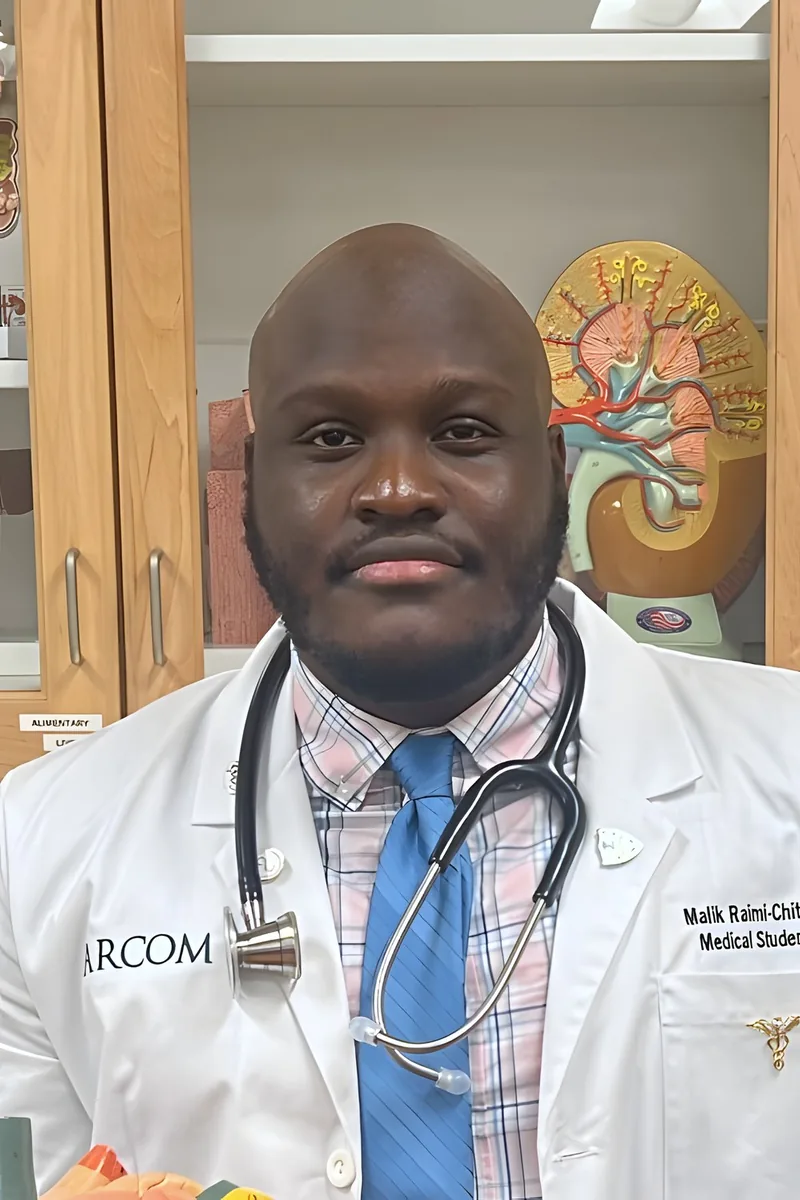
As a second-year medical student with a strong foundation in science and a passion for education, I specialize in making tough subjects easier to understand. I excel in math, biology, physics, and other challenging topics that often intimidate students and I genuinely enjoy helping others master them. My approach combines patience, clarity, and high-level understanding to break down complex ideas into manageable, confidence-boosting lessons. Whether it's reviewing homework or prepping for exams, I'm here to support and motivate students at any level below mine to reach their full academic potential. My interests include: Weightlifting and fitness training (especially strength and hypertrophy programs) Morning cardio and physical conditioning Studying medicine with a focus on anatomy, physiology, and clinical problem-solving Teaching and tutoring tough academic subjects like math, biology, and physics Watching anime as a way to relax and recharge (especially after a long day) Cooking (with a focus on high-protein, keto/carnivore meals)
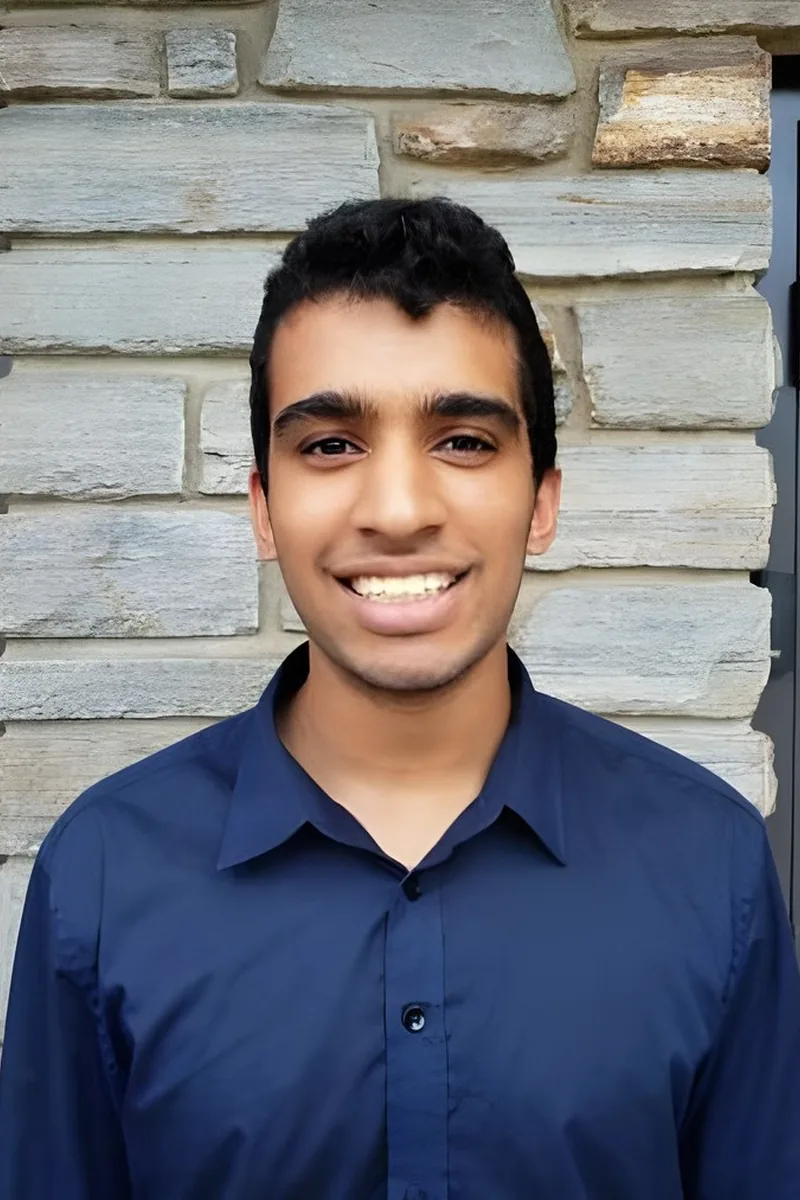
As a fourth-year medical student at Thomas Jefferson University, Anshel has spent years immersed in bacterial pathogenesis, antimicrobial mechanisms, and the clinical consequences of infections that microbiology courses describe in the abstract. He connects concepts like gram staining, virulence factors, and antibiotic resistance to the patient scenarios that make them memorable. That clinical lens turns dense microbiology material into something students can actually reason through on exams.
Understanding microbiology means keeping dozens of organisms, metabolic pathways, and virulence mechanisms straight — and knowing when the differences actually matter. Jonathan's human biology training and pre-med preparation at Cornell gave him a clinical lens for bacterial genetics, host-pathogen interactions, and antimicrobial resistance that makes the material more intuitive than rote flashcard review.
Understanding bacterial metabolism, viral replication cycles, and immune response pathways requires more than memorizing diagrams — it requires seeing how microorganisms interact with living systems. Li's training in both speech-and-hearing science and medicine gives her a clinical lens that makes microbiology concepts feel relevant and interconnected.
Understanding microbiology means more than memorizing bacterial classifications — it requires seeing how metabolic pathways, genetic regulation, and environmental pressures shape microbial behavior. Alec studied genetics, genomics, and development at Cornell and taught biology content in both lecture and small-group settings, giving him a knack for making concepts like quorum sensing or virulence factor regulation feel intuitive rather than overwhelming.
Between her Columbia nutrition degree and her PA training at Rutgers, Victoria has spent years studying bacterial metabolism, host-pathogen interactions, and immune responses at the cellular level. She unpacks microbiology concepts like gram staining protocols, virulence factors, and microbial genetics by tying them to clinical scenarios that make the material stick.
Bioengineering trains you to think about microorganisms as systems — how bacterial metabolism, gene regulation, and surface interactions can be modeled, measured, and manipulated. Casey applies that engineering mindset to microbiology topics like growth kinetics and sterilization techniques, breaking down each process into the quantitative and biological components that actually explain it. Her parallel background in physiology and organic chemistry lets her trace microbial behavior from the molecular scale up to host-level effects.
Bacterial morphology, Gram staining techniques, viral replication cycles — microbiology throws a lot of vocabulary at students before asking them to think critically about pathogenesis and immune response. Ade's biology degree gives him the foundation to break down these interconnected systems and show how individual microorganisms actually behave in clinical and environmental contexts.
Between his biochemistry degree from Rice and his medical school training, Sanjay has spent years immersed in the microbial world — bacterial cell structure, pathogenic mechanisms, antimicrobial resistance, and the metabolic pathways that distinguish different organisms. He connects microbiology concepts to clinical scenarios, which makes memorizing genera, gram stain results, and virulence factors far more intuitive.
Gram stains, bacterial metabolic pathways, and viral replication cycles all require a kind of systematic memorization that falls apart without conceptual scaffolding. Anni's graduate work in biomedical sciences at UMDNJ gave her direct experience with microbial concepts, and she teaches them by linking each organism's structure to its clinical significance.
Anurag studied microbiology as part of his biology degree at VCU and reinforced that knowledge as a Cell Biology and Genetics preceptor, where bacterial cell structure, metabolic pathways, and microbial genetics came up constantly. He unpacks dense topics like gram staining mechanisms, viral replication cycles, and antibiotic resistance by connecting them to the underlying cell biology that makes each process logical.
Emily studied molecular, cellular, and developmental biology at Yale and then earned her MPH in epidemiology, giving her a dual lens on microbiology — she knows the bench science of bacterial genetics and viral replication cycles, and she understands how those organisms behave in populations. She digs into topics like gram staining, metabolic pathways, and host-pathogen interactions with the detail a college-level course demands.
Philosophy, Politics and Economics isn't the typical path into microbiology, but Noah's biology coursework gave him enough grounding in cellular processes to break down topics like prokaryotic structure and microbial growth curves for students encountering them for the first time. He takes a methodical, logic-driven approach — the kind his PPE training sharpened — to help untangle classification systems and keep bacterial phyla from blurring together.
Testimonials
Because the right Microbiology tutor makes all the difference.
Average Session Rating – Based on 3.4M Learner Ratings
Nearby Microbiology Tutors
Other Fayetteville Tutors
Related Science Tutors in Fayetteville
Frequently Asked Questions
Varsity Tutors matches Fayetteville students with expert Microbiology tutors for 1-on-1 instruction. We pair each student with a tutor based on their specific needs, learning style, and goals.
Whether you need homework help, exam prep, or want to get ahead, our Microbiology tutors are ready to help.
Common challenges include gaps from earlier material, difficulty with specific concepts, and trouble applying learning to new problems. These issues can snowball quickly in Microbiology.
A tutor identifies where you're stuck, fills in gaps, and provides targeted practice. The 1-on-1 format means you get help exactly where you need it.
Tutors work with your student's actual coursework—homework assignments, class notes, and upcoming tests. This keeps tutoring directly relevant to what's happening in the classroom.
When you share information about your student's school and curriculum, we can match you with a tutor who has relevant experience.
All tutors complete background checks, credential verification, and teaching evaluation. Many of our Microbiology tutors hold advanced degrees or have years of teaching experience.
You can review tutor profiles to find someone with the right background for your student's level and needs.
Many students see improved grades within a few weeks, along with better understanding of Microbiology concepts and more confidence tackling challenging material.
Tutors track progress and adjust their approach to ensure continued improvement.
Most students benefit from 1-2 sessions per week. More frequent sessions help if your student is significantly behind or has an important exam coming up.
Your tutor can recommend a schedule based on your student's specific situation and goals.
Tutoring is purchased in packages of hours, with rates varying by tutor experience. Varsity Tutors offers several options to fit different budgets and needs.
You can discuss pricing during your consultation to find what works best.
Your tutor will assess where your student is, discuss goals, and start working on priority areas. Most students bring current homework or upcoming test material to focus on.
By the end, you'll have a clear sense of how the tutor can help and a plan for moving forward.
Let’s find your perfect tutor
Answer a few quick questions. We’ll recommend the right plan and match you with a top 5% tutor.