Award-Winning AP Environmental Science Tutors
serving Fayetteville, AR
AP Environmental Science
Tutors in Fayetteville
Private 1-on-1 tutoring, weekly live classes for academic support, test prep & enrichment, practice tests and diagnostics, and more to elevate grades and test scores.
Based on 3.4M Learner Ratings
UniversitiesSchools & Universities
DeliveredHours Delivered
ProficiencyGrowth in Proficiency
Who needs tutoring?
No obligation. Takes ~1 minute.

As a PhD student researching microbial ecology, Isaac lives the material that AP Environmental Science covers — biogeochemical cycles, ecosystem dynamics, biodiversity loss, and human impact on natural systems. He brings current research context into exam prep, connecting FRQ strategies to the kind of scientific reasoning the College Board actually rewards. His 5.0 rating speaks to how well that approach lands with students.
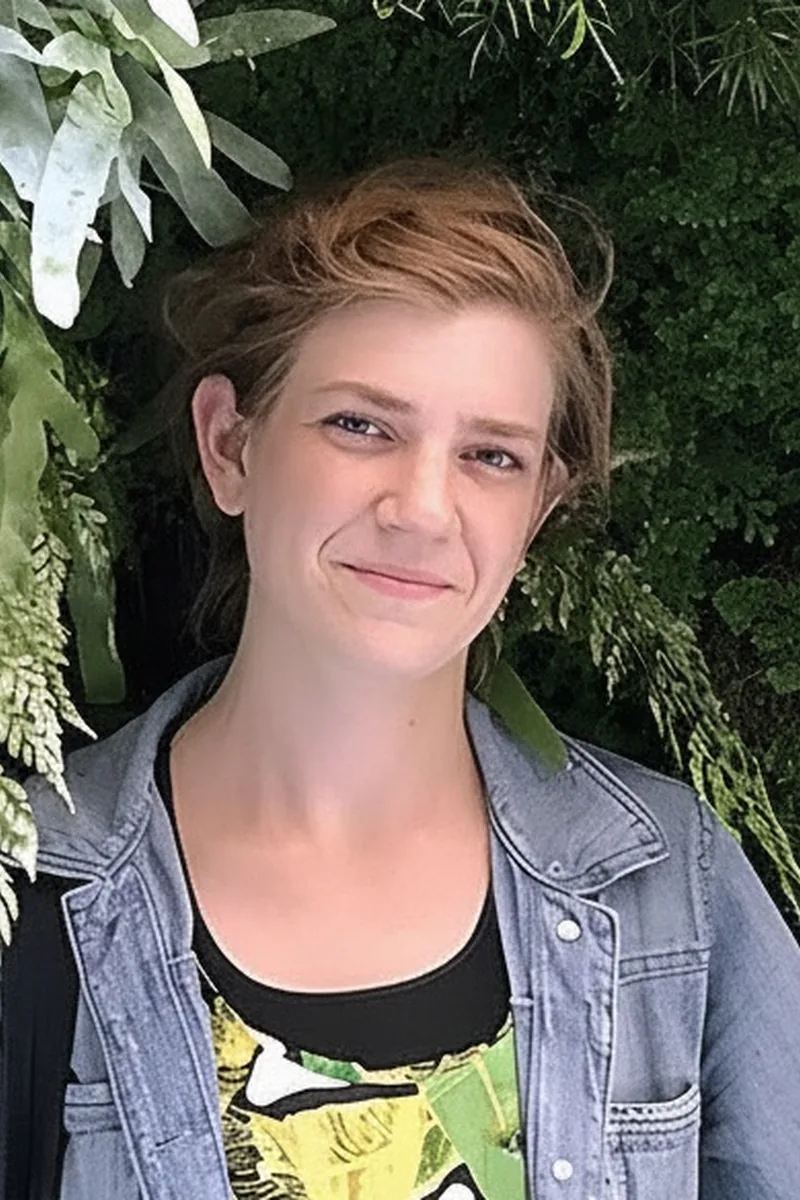
Political science might seem distant from APES, but Emily's government background is a real asset for the policy-heavy free-response questions — evaluating legislation like the Clean Air Act, weighing economic trade-offs of resource management, and constructing evidence-based arguments about environmental regulation. She pairs that with a 34 ACT and the visual-thinking skills of a trained photographer, which means she's unusually effective at teaching students to extract information from the data tables, diagrams, and graphs the exam relies on. Rated 5.0 by students.
Eileen's neuroscience coursework at Vanderbilt — tracing how disruptions propagate through biological systems — gives her a useful lens for APES topics like bioaccumulation, feedback loops in climate systems, and how environmental toxins affect organisms at multiple scales. She scored a 36 on the ACT and brings that same precision to the data-interpretation and calculation questions that catch students off guard on exam day.
Medical school at UMKC built on a cellular and molecular biology foundation means Lina understands the biological machinery — nutrient cycling, cellular respiration, photosynthetic pathways — that underpins the ecosystem-level questions APES actually tests. She teaches students to trace environmental problems back to their molecular origins, like connecting eutrophication to the specific biochemistry of decomposition and dissolved oxygen depletion. Rated 5.0 by students.
Running a marine biology summer camp means Zoey has taught kids to trace real ecological relationships — predator-prey dynamics, nutrient runoff in coastal systems, habitat loss from human development — which map directly onto the APES curriculum's core units. Her master's in marine biology gives her the field-level understanding of biodiversity, conservation, and ecosystem interactions that turns abstract exam topics into concrete examples students actually remember. Rated 4.9 by students.
Brown's public health curriculum digs into the human side of environmental problems — epidemiology, toxicology, resource policy — and Paul pairs that perspective with a biology major's understanding of the ecological systems APES actually tests. He teaches students to connect pollution sources to health outcomes and trace nutrient cycles through ecosystems, building the kind of layered cause-and-effect reasoning that earns full marks on free-response questions. Rated 5.0 by students.
Chemical and biomolecular engineering coursework covers thermodynamics, mass balances, and reaction kinetics — the same principles underlying APES topics like energy transfer through trophic levels, pollutant fate in water systems, and carbon cycle calculations. Akshaya uses that engineering lens to demystify the quantitative free-response problems where students need to set up unit conversions and efficiency calculations under time pressure. Rated 4.8 by students.
Most APES tutors come at the subject from biology or policy — Courage holds a Master's in Environmental Science, meaning he studied climate systems, land degradation, and resource management as his primary discipline, not a sidebar. He digs into the interconnections between Earth systems that the exam's free-response questions demand, teaching students to trace how a single disruption — deforestation, nutrient runoff, atmospheric CO₂ increases — ripples across multiple units.
Shawn's master's in chemistry gives him a molecular-level understanding of the processes that drive APES content — ocean acidification equilibria, nitrogen fixation pathways, ozone depletion mechanisms — so he can explain the why behind environmental phenomena instead of just naming them. He also teaches the course's surprisingly tricky math, from parts-per-million conversions to energy budget calculations, with the comfort of someone who's done far harder stoichiometry. Rated 4.9 by students.
Kelsey earned her Master of Science in Environmental Sciences and Policy from Johns Hopkins, which means she doesn't just know the APES curriculum — she's done the fieldwork and data analysis behind it. From biogeochemical cycles to environmental legislation and ecological footprint calculations, she teaches students to think like environmental scientists, not just memorize vocabulary for the exam. Rated 4.9 by students.
Primary care medicine means Kellyann sees the downstream effects of environmental problems daily — asthma exacerbated by air quality, waterborne pathogens, the health toll of industrial pollutants — which gives her a clinical lens on APES units covering pollution, toxicology, and human impact that pure ecology tutors often lack. She pairs that real-world perspective with nine years of science tutoring experience and a 4.9 rating, teaching students to trace environmental causes through biological systems the way a clinician would during a differential diagnosis.
Chemical engineering coursework at Princeton drills material and energy balances — tracking what flows in, what transforms, and what flows out — which maps directly onto APES topics like biogeochemical cycles, pollution transport, and energy resource calculations. Satya applies that systems-level thinking to the exam's quantitative questions, breaking down ecological footprint math and efficiency problems with an engineer's precision. A perfect 36 ACT score speaks to the data-interpretation and scientific reasoning skills the free-response section demands.
Testimonials
Because the right AP Environmental Science tutor makes all the difference.
Average Session Rating – Based on 3.4M Learner Ratings
Practice AP Environmental Science
Free practice tests, flashcards, and AI tutoring for AP Environmental Science
Nearby AP Environmental Science Tutors
Other Fayetteville Tutors
Related Science Tutors in Fayetteville
Frequently Asked Questions
Varsity Tutors matches Fayetteville students with expert AP Environmental Science tutors for 1-on-1 instruction. We pair each student with a tutor based on their specific needs, learning style, and goals.
Whether you need homework help, exam prep, or want to get ahead, our AP Environmental Science tutors are ready to help.
Common challenges include gaps from earlier material, difficulty with specific concepts, and trouble applying learning to new problems. These issues can snowball quickly in AP Environmental Science.
A tutor identifies where you're stuck, fills in gaps, and provides targeted practice. The 1-on-1 format means you get help exactly where you need it.
Tutors work with your student's actual coursework—homework assignments, class notes, and upcoming tests. This keeps tutoring directly relevant to what's happening in the classroom.
When you share information about your student's school and curriculum, we can match you with a tutor who has relevant experience.
All tutors complete background checks, credential verification, and teaching evaluation. Many of our AP Environmental Science tutors hold advanced degrees or have years of teaching experience.
You can review tutor profiles to find someone with the right background for your student's level and needs.
Many students see improved grades within a few weeks, along with better understanding of AP Environmental Science concepts and more confidence tackling challenging material.
Tutors track progress and adjust their approach to ensure continued improvement.
Most students benefit from 1-2 sessions per week. More frequent sessions help if your student is significantly behind or has an important exam coming up.
Your tutor can recommend a schedule based on your student's specific situation and goals.
Tutoring is purchased in packages of hours, with rates varying by tutor experience. Varsity Tutors offers several options to fit different budgets and needs.
You can discuss pricing during your consultation to find what works best.
Your tutor will assess where your student is, discuss goals, and start working on priority areas. Most students bring current homework or upcoming test material to focus on.
By the end, you'll have a clear sense of how the tutor can help and a plan for moving forward.
Let’s find your perfect tutor
Answer a few quick questions. We’ll recommend the right plan and match you with a top 5% tutor.