Award-Winning Microbiology Tutors
serving Little Rock, AR
Microbiology
Tutors in Little Rock
Private 1-on-1 tutoring, weekly live classes for academic support, test prep & enrichment, practice tests and diagnostics, and more to elevate grades and test scores.
Based on 3.4M Learner Ratings
UniversitiesSchools & Universities
DeliveredHours Delivered
ProficiencyGrowth in Proficiency
Who needs tutoring?
No obligation. Takes ~1 minute.
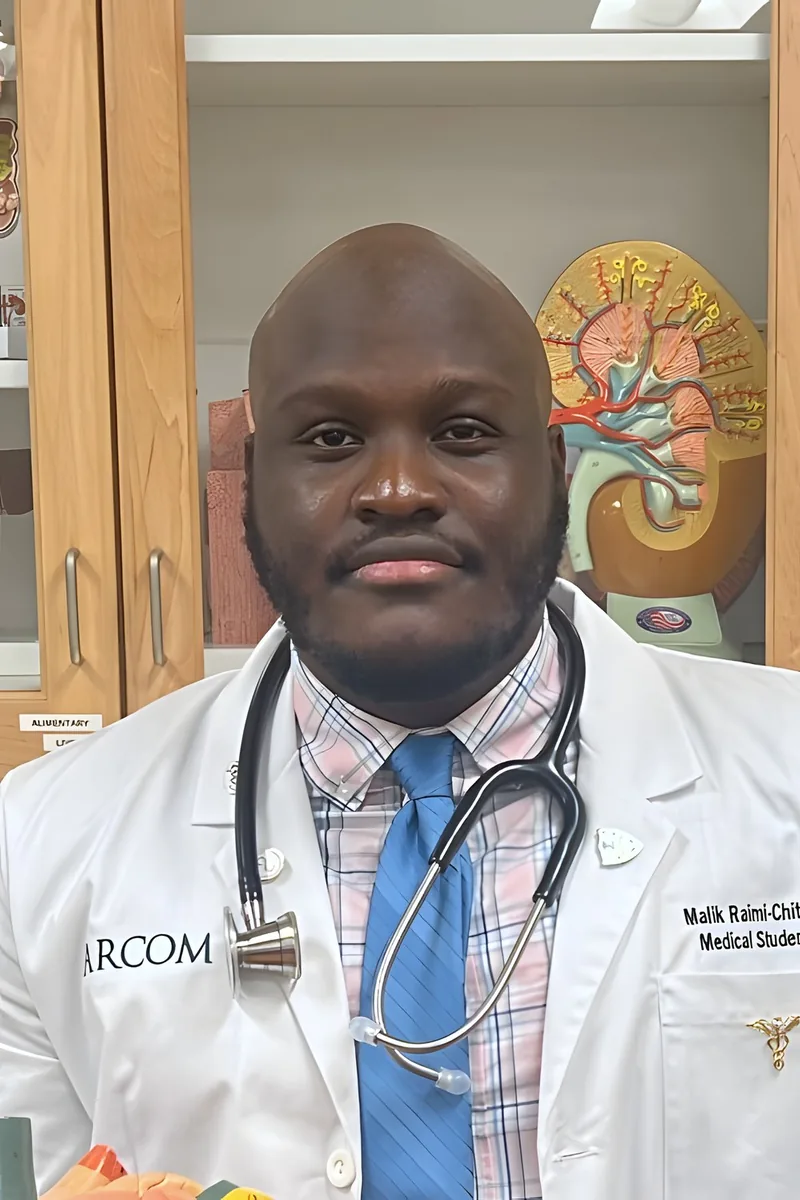
As a second-year medical student with a strong foundation in science and a passion for education, I specialize in making tough subjects easier to understand. I excel in math, biology, physics, and other challenging topics that often intimidate students and I genuinely enjoy helping others master them. My approach combines patience, clarity, and high-level understanding to break down complex ideas into manageable, confidence-boosting lessons. Whether it's reviewing homework or prepping for exams, I'm here to support and motivate students at any level below mine to reach their full academic potential. My interests include: Weightlifting and fitness training (especially strength and hypertrophy programs) Morning cardio and physical conditioning Studying medicine with a focus on anatomy, physiology, and clinical problem-solving Teaching and tutoring tough academic subjects like math, biology, and physics Watching anime as a way to relax and recharge (especially after a long day) Cooking (with a focus on high-protein, keto/carnivore meals)
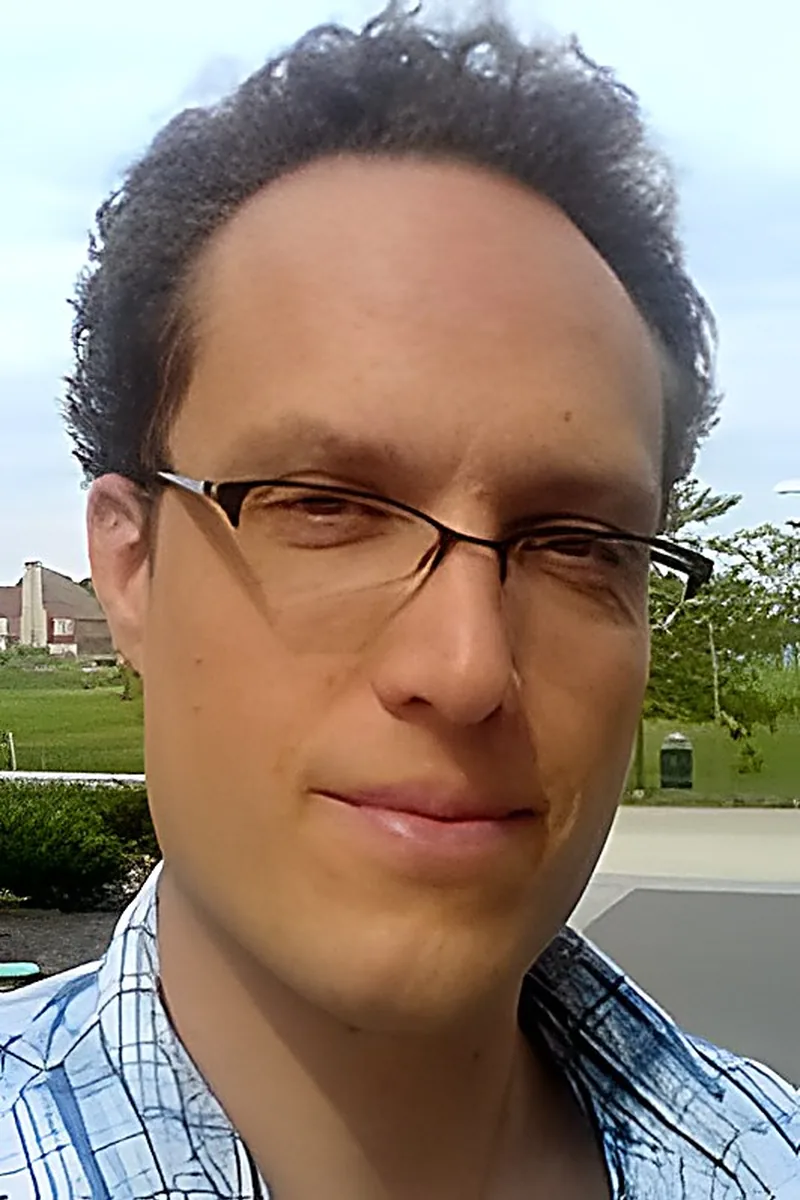
This is Brian's home turf. As a PhD microbiologist and associate professor of the subject at Collin County Community College, he unpacks everything from bacterial gene expression and metabolic pathways to virology and immunological responses with the specificity that upper-level coursework demands. Students get someone who reads the primary literature daily and can translate it into clear, testable understanding.
Medical school gave Amanda a front-row seat to microbiology that matters — bacterial pathogenesis, viral replication cycles, immune evasion strategies, and antimicrobial resistance. She teaches microbiology by organizing organisms around the mechanisms that make them dangerous or clinically important, which turns a subject that can feel like pure memorization into a set of logical patterns. Students preparing for exams or applying to health professions get a tutor who knows exactly how this material shows up later.
Between his biochemistry degree from Rice and his medical school training, Sanjay has spent years immersed in the microbial world — bacterial cell structure, pathogenic mechanisms, antimicrobial resistance, and the metabolic pathways that distinguish different organisms. He connects microbiology concepts to clinical scenarios, which makes memorizing genera, gram stain results, and virulence factors far more intuitive.
Studying cancer biology at the University of Chicago means Jessica spends time with microbial mechanisms at the cellular and molecular level — bacterial gene regulation, pathogenesis, and immune evasion strategies. She unpacks these dense topics by tying them to specific experimental techniques students encounter in their own coursework.
Garrett's biology degree paired with his coursework in physiology and anatomy means he understands microorganisms in the context of the systems they infect — not as isolated names on a flashcard. He walks through topics like microbial cell structure, pathogen life cycles, and immune evasion strategies by anchoring each organism to the tissue-level damage it actually causes, which turns a massive taxonomy into something students can reason through.
Neuroscience training at the undergraduate level means Jhonatan spent significant time with the microbial world — understanding how pathogens cross the blood-brain barrier, how CNS infections progress, and how the gut microbiome communicates with neural tissue. He teaches microbial physiology and host interactions by anchoring them to these neuroimmune connections, giving students a narrative thread through what can otherwise feel like an overwhelming catalog of organisms. Rated 5.0 by students.
Studying both Biology and Political Science at the college level, Andrea is immersed in microbiology coursework — from bacterial cell structure and metabolic pathways to viral replication cycles. She unpacks dense material by tying molecular-level processes to bigger-picture concepts like immune response and antibiotic resistance, which makes the details easier to retain.
Neuroscience at Brown doesn't let you skip the micro — Owen's coursework in biology and chemistry built a working understanding of how microorganisms operate at the cellular level, from membrane transport to metabolic regulation. He brings that mechanistic thinking to topics like bacterial growth curves and immune evasion, breaking down each process into the molecular steps that actually explain it.
Anurag studied microbiology as part of his biology degree at VCU and reinforced that knowledge as a Cell Biology and Genetics preceptor, where bacterial cell structure, metabolic pathways, and microbial genetics came up constantly. He unpacks dense topics like gram staining mechanisms, viral replication cycles, and antibiotic resistance by connecting them to the underlying cell biology that makes each process logical.
Medical school demands a granular understanding of pathogens — bacterial cell wall differences, viral replication cycles, antibiotic resistance mechanisms. Daniel earned his M.D. and brings that clinical lens to microbiology, connecting each organism's structure and behavior to the disease processes students are expected to know for exams.
Currently in graduate study with a focus on evolution and bioanthropology, Alex brings real lab-level understanding to microbiology topics like bacterial genetics, microbial ecology, and host-pathogen interactions. He connects microscopic processes to big-picture evolutionary questions, which makes concepts like horizontal gene transfer and antibiotic resistance click for students who struggle with rote memorization.
Between her molecular biology degree and her current biomedical science graduate program, Sierra has spent years working with bacterial physiology, microbial genetics, and host-pathogen interactions. She explains dense topics like gram staining protocols, metabolic pathways, and antimicrobial resistance mechanisms by tying them back to real clinical and research scenarios that make the material stick.
Testimonials
Because the right Microbiology tutor makes all the difference.
Average Session Rating – Based on 3.4M Learner Ratings
Nearby Microbiology Tutors
Other Little Rock Tutors
Related Science Tutors in Little Rock
Frequently Asked Questions
Microbiology requires mastering both microscopic concepts you can't see with the naked eye and complex processes like bacterial reproduction, metabolic pathways, and immune responses. Many students struggle to visualize how microorganisms interact at the cellular level, and connecting abstract concepts to real-world applications—like how antibiotics work or why certain bacteria cause disease—can feel disconnected from lecture material. Personalized tutoring helps bridge this gap by using visual explanations, real-world examples, and hands-on problem-solving to make these invisible processes tangible.
Yes. Tutors can help you understand the scientific method, prepare for lab protocols, interpret experimental results, and troubleshoot common lab challenges like culturing techniques, staining procedures, and microscopy skills. Beyond just completing assignments, tutors help you develop scientific reasoning—understanding why you're following specific steps and what your observations actually mean. This deeper understanding makes lab work more meaningful and helps you perform better on practical exams and lab reports.
Tutors cover the full range of microbiology coursework, including bacterial structure and function, viral replication, fungal and parasitic organisms, microbial genetics, metabolism and fermentation, immunology, epidemiology, and applied microbiology in healthcare and industry. Whether you're in an introductory microbiology course or an advanced AP or college-level class, tutors adapt their approach to your specific curriculum and learning goals. They can also help you connect microbiology to related subjects like general biology, chemistry, and health sciences.
Memorizing bacterial names or antibiotic classes won't help you solve novel problems or explain why certain microorganisms behave a certain way. Expert tutors focus on building conceptual understanding by asking you to explain processes in your own words, work through case studies, and apply concepts to new situations. This approach develops true scientific thinking—the ability to reason through microbiology problems even when you haven't seen the exact scenario before, which is what exams and real-world microbiology actually require.
Your first session focuses on understanding your specific needs, current challenges, and learning goals. The tutor will assess your grasp of key microbiology concepts, identify areas where you're struggling (whether it's visualizing cellular processes, balancing equations, or connecting theory to applications), and discuss your course requirements and upcoming exams. From there, you'll work together to create a personalized plan that targets your biggest obstacles and builds confidence in the areas that matter most for your success.
One of microbiology's biggest challenges is understanding processes happening at scales invisible to the human eye. Tutors use diagrams, animations, 3D models, and step-by-step explanations to make these abstract concepts concrete and visual. They break down complex processes like bacterial conjugation, viral entry, or immune system responses into manageable pieces, helping you build mental models of how microorganisms actually function. This visual foundation makes it easier to remember concepts and apply them to new problems.
Varsity Tutors connects you with expert tutors who have strong backgrounds in microbiology, biology, and related sciences. Many have advanced degrees, professional experience in healthcare, research, or laboratory settings, and proven success teaching microbiology to students at various levels. When you get matched with a tutor, you can review their qualifications and teaching approach to ensure they're the right fit for your learning style and goals.
Many students see noticeable improvement within the first few sessions—better understanding of key concepts, increased confidence tackling problem sets, and improved performance on quizzes and exams. However, building deep understanding in microbiology takes time and consistent practice. Working with a tutor regularly over several weeks or months helps you master increasingly complex topics, develop strong scientific reasoning skills, and achieve the grade or test score you're aiming for. Your tutor will help you track progress and adjust the approach as needed.
Let’s find your perfect tutor
Answer a few quick questions. We’ll recommend the right plan and match you with a top 5% tutor.