Award-Winning History Tutors
serving Birmingham, AL
History
Tutors in Birmingham
Private 1-on-1 tutoring, weekly live classes for academic support, test prep & enrichment, practice tests and diagnostics, and more to elevate grades and test scores.
Based on 3.4M Learner Ratings
UniversitiesSchools & Universities
DeliveredHours Delivered
ProficiencyGrowth in Proficiency
Who needs tutoring?
No obligation. Takes ~1 minute.
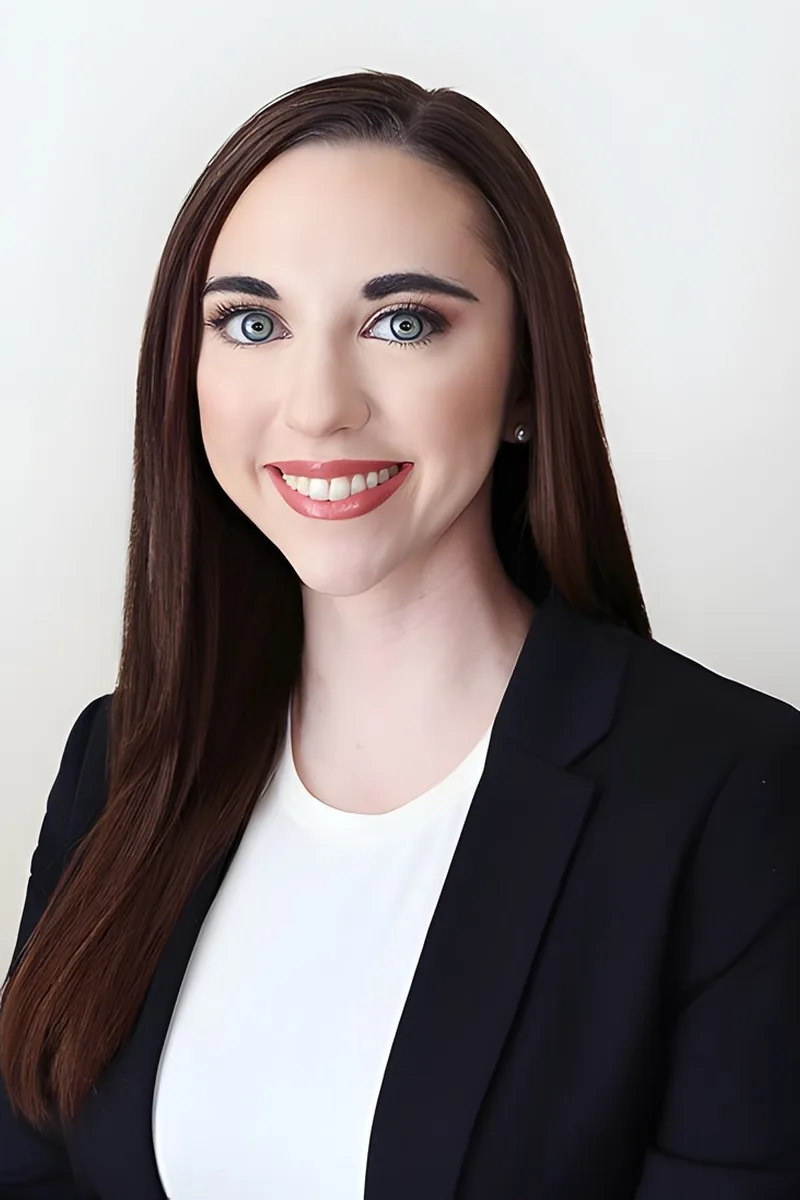
Haley's background in public health and malaria research gives her a tangible connection to topics like colonialism, disease and empire, and the social determinants that shaped historical events. She teaches students to read primary sources the way a scientist reads data — looking for bias, context, and what's missing from the record.
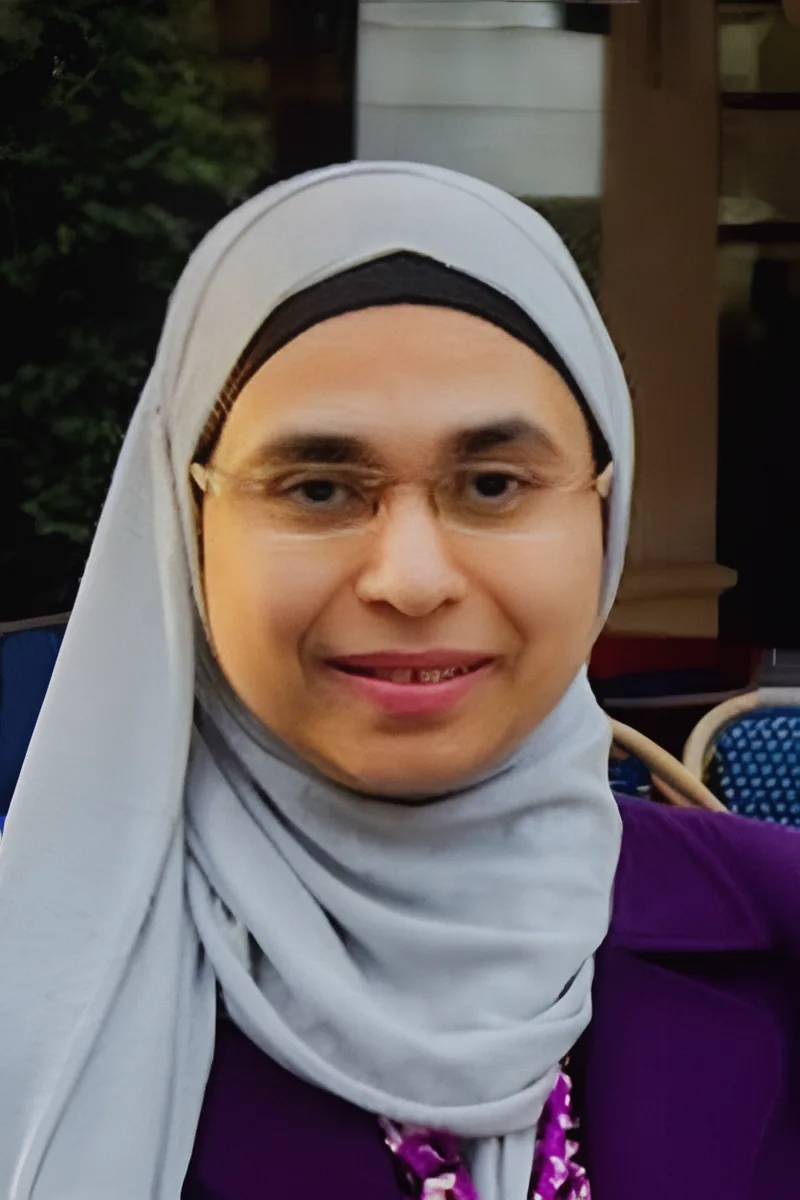
As a former IB student, my love for knowledge runs deep. I majored in Biomedical Engineering at the University of Alabama at Birmingham, graduating in December 2015 with honors (BME honors and Science and Technology Honors program) and going on to earn a Master's degree in Management Information Systems from the same university in 2019. I am currently pursuing a Master of Engineering in Artificial Intelligence and Machine Learning from the University of Illinois at Chicago and hope to start a career in data science and analytics. I greatly enjoy helping others learn and tutored throughout high school and college; I love seeing the light flash on in a student's eyes when they finally understand something they had been struggling with or when they easily solve a problem. I have tutored both young children as well as high school and college students, in just about every subject. I particularly enjoy language tutoring; I am fluent in Arabic and French and I love literature and poetry. I also love to tutor math and science subjects. My tutoring style is very much student-first; I listen and observe to determine the best approach for each individual student and what methods or strategies will be most helpful for you specifically. I am not averse to making a fool of myself with song or dance if it will help! I enjoy what I do and I want the students I work with to enjoy learning as well.
Reading history well means evaluating sources, identifying bias, and constructing arguments from messy, contradictory evidence — skills Joshua sharpened writing interdisciplinary research at Stanford that connected political theory to contemporary culture. He teaches students to treat historical documents the way a scientist treats data: skeptically, systematically, and with an eye toward what the evidence actually supports rather than what it seems to say at first glance.
Pursuing an Art History minor alongside his math degree at Vanderbilt, Mustafa understands history as a discipline built on interpreting evidence and constructing arguments — not memorizing dates. He teaches students to analyze primary sources, identify cause-and-effect relationships across eras, and write thesis-driven responses that go beyond simple narration.
A math major at Amherst who also explores psychology and Black Studies, Rosalyn brings an interdisciplinary curiosity to history that sharpens how she teaches students to read sources — asking whose story is being told, what's being left out, and how power structures shaped the narrative. That cross-disciplinary instinct is especially useful for essay prompts and DBQs where surface-level summaries won't cut it. Rated 5.0 by students.
Studying International Relations at Boston College means Jennessa spends her days analyzing how historical events — revolutions, treaties, colonial legacies — shaped the political world students read about today. She teaches history as a story of cause and effect rather than a list of dates, pushing students to ask why something happened and what changed because of it.
Emma's strength in history lies in teaching students how to build and defend an argument rather than just recall dates. Her analytical training at Georgia Tech carries over naturally to evaluating primary sources, identifying cause-and-effect chains, and writing clear document-based essays.
Nina's environmental studies work at Oberlin means she's constantly tracing how human societies have interacted with landscapes, resources, and policy over centuries — skills that translate directly into historical thinking. She teaches students to pull threads between social, political, and ecological forces when analyzing a period, which makes essay writing and document analysis feel less like guesswork and more like building a case.
Studying wildlife science means constantly reconstructing how environments, policies, and human decisions have interacted over decades — skills Darcey applies directly when tutoring history. She's especially effective at teaching students to trace how environmental and economic pressures drove events like westward expansion, colonial resource extraction, and industrial-era reform movements. Rated 4.8 by students, she brings a naturalist's eye for systems and context to essay writing and exam prep.
With a bachelor's degree in religion from Dartmouth College, I have developed a deep appreciation for the power of language and storytelling. My tutoring experience has equipped me to foster a supportive learning environment where students can flourish and express themselves authentically. I aim to guide them in seeing literature not merely as a medium but as a profound revelation of the human experience. By focusing on English Grammar and Syntax, as well as UK A Level Irish and Russian, I strive to cultivate not just academic skills but also a lifelong love for literature and learning.
I am an aerospace engineering student. I am very passionate about teaching math, physics, and chemistry. I realized tutoring was my calling while working as a tutor at my school. Seeing students gain a greater understanding of the subject was the highlight of my day while working there.
Reading history well means evaluating sources, understanding cause and effect across decades, and constructing arguments from evidence — not just memorizing dates. Anna's anthropology degree from Northwestern trained her to analyze human societies through exactly this kind of critical lens. She teaches students to ask "why did this happen" before "when did this happen."
A sociology degree means Daniel sees history through the lens of social structures, movements, and power dynamics rather than just names and dates. He teaches students to analyze primary sources and build cause-and-effect arguments, skills that transfer directly to document-based questions and research essays. His 5.0 rating speaks to how well that analytical approach lands.
Medical school admissions forced Nishad to spend serious time with the social and ethical history of medicine — how public health crises, civil rights movements, and government policy shaped the healthcare system students encounter today. That premed lens gives him a concrete way to teach cause-and-effect reasoning and document analysis, especially for U.S. history units covering industrialization, Progressive-era reform, or twentieth-century policy debates.
Reading history well means evaluating competing narratives, not just memorizing dates — a skill Elena sharpened through her government major and continues to use daily in law school. She teaches students to treat primary sources like evidence in a case, weighing context, bias, and intent to build arguments that go beyond surface-level summary.
Keith studied political science and history at Williams College, where he learned to treat history as an ongoing argument rather than a fixed set of dates. He teaches students to analyze causation, trace how events connect across periods, and build the kind of evidence-based reasoning that turns a B essay into an A.
Comparative literature training sharpens a specific skill that transfers directly to history: reading primary sources critically and situating them within larger cultural movements. Sash applies this lens to help students build arguments from documents rather than simply memorizing dates, making essay-based assessments and DBQs far more manageable.
Three years running a Cell Biology lab at Notre Dame taught Connor something history teachers also prize: how to guide someone from scattered observations to a coherent argument about what actually happened and why. He brings that same evidence-first approach to historical writing, coaching students through document analysis and essay structure with the rigor of a scientist building a case from data. Rated 5.0 by students.
Cognitive science is essentially the study of how people think — and David brings that lens to history, asking how belief systems, cognitive biases, and decision-making under uncertainty shaped the actions of historical figures and populations. His Stanford training in both cognitive science and computer science means he's comfortable with both the humanistic side of interpreting motives and the analytical side of building structured, evidence-driven arguments. That combination is especially useful for document analysis and essay writing, where students need to explain not just what happened but how people's thinking led them there.
A good history student doesn't just memorize dates — they read like a detective, asking who wrote a source, why, and what it leaves out. Meghan spent her Northwestern journalism career doing exactly that kind of critical analysis, and she now applies it to teaching students how to evaluate primary sources, trace cause-and-effect chains, and write evidence-based historical arguments.
A PhD program at the University of Chicago immersed Justin in an intellectual culture where historical context matters — understanding how ideas developed over time and why certain arguments won out over others. He applies that same rigor to history tutoring, teaching students to evaluate sources critically and construct essays that do more than recite facts.
Engineering coursework at Yale means Charles spends most of his time solving real-world application problems — figuring out why systems behave the way they do under specific conditions. That same cause-and-effect reasoning carries into history, where he teaches students to treat events like engineering failures: trace the forces, identify the breaking points, and explain the outcome with evidence rather than summary. His writing and literature background rounds out the analytical side with the essay-crafting skills history courses actually grade on.
Three finance degrees mean Matt instinctively reads history through the lens of money — who controlled it, how it moved, and what happened when it dried up. That financial literacy is particularly useful when students need to explain the economic pressures behind events like mercantilism, industrialization, or the 2008 crisis in essay form. His 1530 SAT underscores the analytical reading and writing skills that make historical arguments land.
Testimonials
Because the right History tutor makes all the difference.
Average Session Rating – Based on 3.4M Learner Ratings
Nearby History Tutors
Other Birmingham Tutors
Related Social Studies Tutors in Birmingham
Frequently Asked Questions
Many students struggle with memorizing dates and names without understanding the broader context and significance of historical events. Others find it difficult to analyze primary sources, construct arguments based on evidence, or see connections between different time periods. Personalized tutoring helps students move beyond memorization by focusing on critical thinking skills, thematic understanding, and how to support their ideas with historical evidence.
In a classroom with an 18.9:1 student-teacher ratio, it's challenging for teachers to address each student's specific learning gaps or pacing needs. Personalized 1-on-1 instruction allows tutors to focus on your student's unique challenges—whether that's essay writing, source analysis, or exam preparation—and adjust the approach based on what works best for them. This targeted support helps students build confidence and develop deeper historical understanding faster.
Yes, tutors connecting through Varsity Tutors are familiar with Alabama's History standards and the specific content expectations for each grade level. Whether your student is studying state history in elementary school, U.S. History in middle school, or world history and AP History courses in high school, tutors can ensure instruction aligns with what's being taught in the classroom while providing deeper exploration and practice.
Absolutely. Many History courses require students to write analytical essays and analyze primary and secondary sources—skills that take practice to develop. Tutors can work with students on thesis development, evidence selection, argumentation, and how to construct compelling historical narratives. This targeted support significantly improves both essay grades and students' ability to think like historians.
AP History exams (U.S. History, World History, European History) require not just content knowledge but also the ability to analyze documents, make connections across time periods, and construct evidence-based arguments under time pressure. Tutors can help students master the specific question formats, practice with released exams, build test-taking strategies, and strengthen weak content areas—all essential for scoring well on these challenging assessments.
The first session is about understanding where your student is starting from. The tutor will discuss current coursework, identify specific challenges (whether it's test anxiety, essay writing, or content gaps), and learn about learning preferences. From there, the tutor creates a personalized plan focused on your student's goals—whether that's improving grades, preparing for an exam, or building stronger historical thinking skills.
Birmingham's rich history—from its role in the Civil Rights Movement to its industrial heritage—offers meaningful local context for studying American history. Tutors can connect national and world history concepts to local examples, which helps students see how history is relevant to their own community. This approach makes historical learning more engaging and memorable for Birmingham students.
Varsity Tutors connects you with expert tutors who specialize in History and understand the needs of students in Birmingham. Simply share your student's grade level, specific challenges, and goals, and we'll match them with a tutor whose expertise and teaching style fit. You can get started with personalized instruction tailored to your student's pace and learning needs.
Let’s find your perfect tutor
Answer a few quick questions. We’ll recommend the right plan and match you with a top 5% tutor.