Award-Winning Elementary School Reading Tutors
serving Birmingham, AL
Elementary School Reading
Tutors in Birmingham
Private 1-on-1 tutoring, weekly live classes for academic support, test prep & enrichment, practice tests and diagnostics, and more to elevate grades and test scores.
Based on 3.4M Learner Ratings
UniversitiesSchools & Universities
DeliveredHours Delivered
ProficiencyGrowth in Proficiency
Who needs tutoring?
No obligation. Takes ~1 minute.
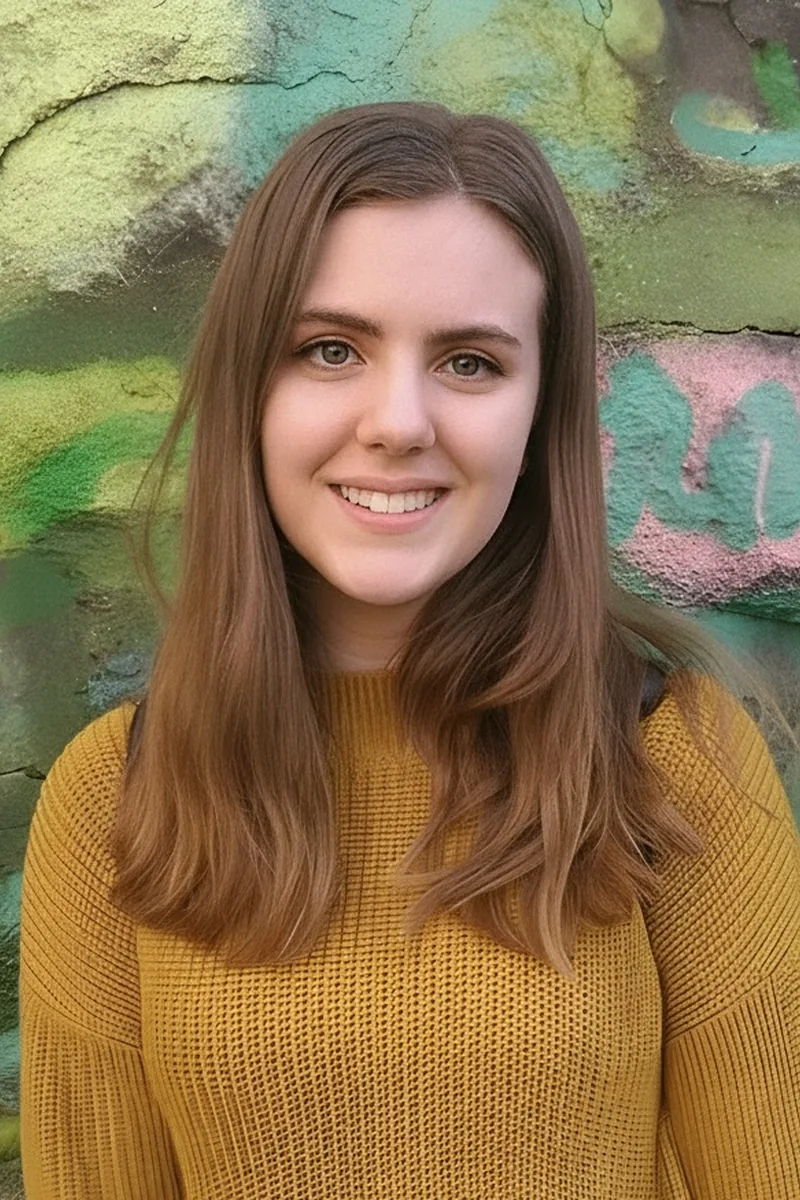
Early reading clicks when a child connects sounds, words, and meaning all at once — not just decoding but actually understanding what's on the page. Jennessa's work with immigrant families in Boston means she's experienced at building reading skills with kids at every level, from phonics and sight words to reading a short chapter book independently and retelling what happened.

Early readers need someone patient enough to sit with a tricky word and turn it into a small victory. Agustin breaks phonics patterns and sight words into manageable chunks, building fluency through repetition that feels like a game rather than a chore. His experience across multiple languages gives him an intuitive sense for how young learners process sounds and letter combinations.
Early reading skills like phonics, fluency, and basic comprehension set the trajectory for everything that comes after in school. Sugi's cognitive science degree from Rice included extensive study of how the brain acquires language, giving her practical insight into why some students struggle with decoding or retention — and what specific techniques actually move them forward.
Early reading clicks when a child learns to connect sounds, letters, and meaning — not just decode words on a page. Pinelopi uses her psychology background from Duke to tailor phonics, vocabulary, and comprehension strategies to how each young reader actually processes information. Rated 5.0 by students and families.
Building real reading confidence at the elementary level means more than just decoding words — it means learning to make predictions, ask questions about characters, and connect stories to personal experience. Vivian teaches these comprehension strategies explicitly, giving young readers tools they can use every time they pick up a book.
Rachel spent years as a classroom teacher and a volunteer educator at national parks, where she learned to make stories come alive for young audiences. She applies that same energy to elementary reading, building skills like phonics, sight-word recognition, and basic comprehension by connecting texts to things kids already care about in the world around them.
Early reading clicks when a child connects decoding skills to actual meaning — sounding out words matters, but so does understanding what a sentence is really saying. Clare pairs phonics and sight-word practice with comprehension strategies like predicting, visualizing, and retelling, adjusting the balance depending on where each reader needs the most support.
Phonics patterns, sight words, and reading fluency each require a different kind of practice, and Ingrid tailors her approach depending on where a young reader is gaining confidence. Her patience and structured teaching style — honed through leading hands-on workshops for undergraduates at Northwestern — translate well to working with elementary-age learners building early literacy skills.
For early readers, the difference between frustration and excitement often comes down to finding the right book at the right level. Maya builds phonics, sight-word recognition, and basic comprehension skills through stories that match each child's interests, keeping motivation high. Her experience with differently-abled learners means she adapts pacing and techniques to fit how each student actually processes language.
Through her nonprofit work educating families in Ecuador, Vanessa has seen firsthand how foundational early reading skills shape everything that comes after. She builds young readers' confidence by connecting phonics, vocabulary, and comprehension to stories that genuinely interest them — turning reading from a chore into something a child wants to do on their own.
Before a student can analyze a novel, they need to decode vocabulary in context, make predictions, and distinguish main ideas from supporting details. Erinrose's years teaching English across grade levels — from Philadelphia public schools to a Connecticut prep school — mean she knows how to match reading strategies to a child's current skill level and push just beyond it.
Early reading skills like phonics and sight words are only part of the picture — Angela also digs into comprehension strategies like predicting, summarizing, and making connections to a story's characters. Her psychology background at the University of Pennsylvania gives her insight into how young learners process new information and build vocabulary. She's rated 5.0 by the families she tutors.
Early reading clicks when a child connects decoding skills to actual meaning — sounding out words matters, but so does understanding what a sentence is saying. Julia's mentoring work with elementary students gave her practice making that bridge, using context clues, picture cues, and guided questions to build both fluency and comprehension at the same time. She's patient and adaptive, adjusting her approach based on what each reader needs.
Testimonials
Because the right Elementary School Reading tutor makes all the difference.
Average Session Rating – Based on 3.4M Learner Ratings
Nearby Elementary School Reading Tutors
Other Birmingham Tutors
Related English Tutors in Birmingham
Frequently Asked Questions
Elementary readers often struggle with phonics, decoding unfamiliar words, and comprehending what they've read—especially as texts become more complex in upper elementary grades. Many students also find it hard to connect ideas across sentences or remember key details from stories. Personalized 1-on-1 instruction helps identify exactly where a student is getting stuck and builds confidence through targeted practice.
Tutors work with students on proven strategies like predicting what happens next, asking questions while reading, visualizing scenes, and summarizing main ideas. They also help students understand how characters' actions connect to the plot and theme. With personalized feedback and practice, students learn to engage actively with texts rather than just reading words on a page.
The first session focuses on understanding your child's current reading level, strengths, and specific challenges. Tutors typically have students read aloud or silently, ask comprehension questions, and listen to identify where support is needed—whether that's decoding, fluency, or deeper understanding. This assessment helps create a personalized plan tailored to your child's goals and learning style.
Most students show noticeable progress within 4-6 weeks of consistent tutoring, though the timeline depends on their starting point and how frequently they meet with a tutor. Reading fluency improves through repeated practice with appropriate-level texts and immediate feedback. Regular sessions combined with reading practice at home accelerate results.
Varsity Tutors matches you with expert tutors who specialize in elementary reading and understand the Birmingham area curriculum. You can share your child's specific needs, preferred meeting times, and learning style, and we'll connect you with a tutor who's the right fit. The process is straightforward, and you can start sessions as soon as a match is made.
Tutors assess your child's current level by listening to them read, checking comprehension through questions, and reviewing any school assessments or progress reports you have. They look at both accuracy (can they decode words?) and understanding (do they grasp the meaning?). This helps them select books and materials that are challenging enough to build skills but not so difficult that they cause frustration.
In a classroom with an 18.9:1 student-teacher ratio, teachers manage many different reading levels and learning needs simultaneously. Tutoring provides one-on-one attention focused entirely on your child's pace and style—allowing tutors to spend time on exactly what your child needs, give immediate feedback, and adjust strategies in real time. This personalized approach helps students who need extra support catch up or those ready to move ahead accelerate.
Reading together daily—even 15-20 minutes—makes a huge difference. Let your child pick books they're interested in, ask them questions about what's happening, and celebrate their effort. Your tutor will also suggest specific strategies and books to practice between sessions. Consistency at home reinforces what happens in tutoring and builds reading confidence.
Let’s find your perfect tutor
Answer a few quick questions. We’ll recommend the right plan and match you with a top 5% tutor.