Award-Winning AP Art History Tutors
serving Birmingham, AL
AP Art History
Tutors in Birmingham
Private 1-on-1 tutoring, weekly live classes for academic support, test prep & enrichment, practice tests and diagnostics, and more to elevate grades and test scores.
Based on 3.4M Learner Ratings
UniversitiesSchools & Universities
DeliveredHours Delivered
ProficiencyGrowth in Proficiency
Who needs tutoring?
No obligation. Takes ~1 minute.
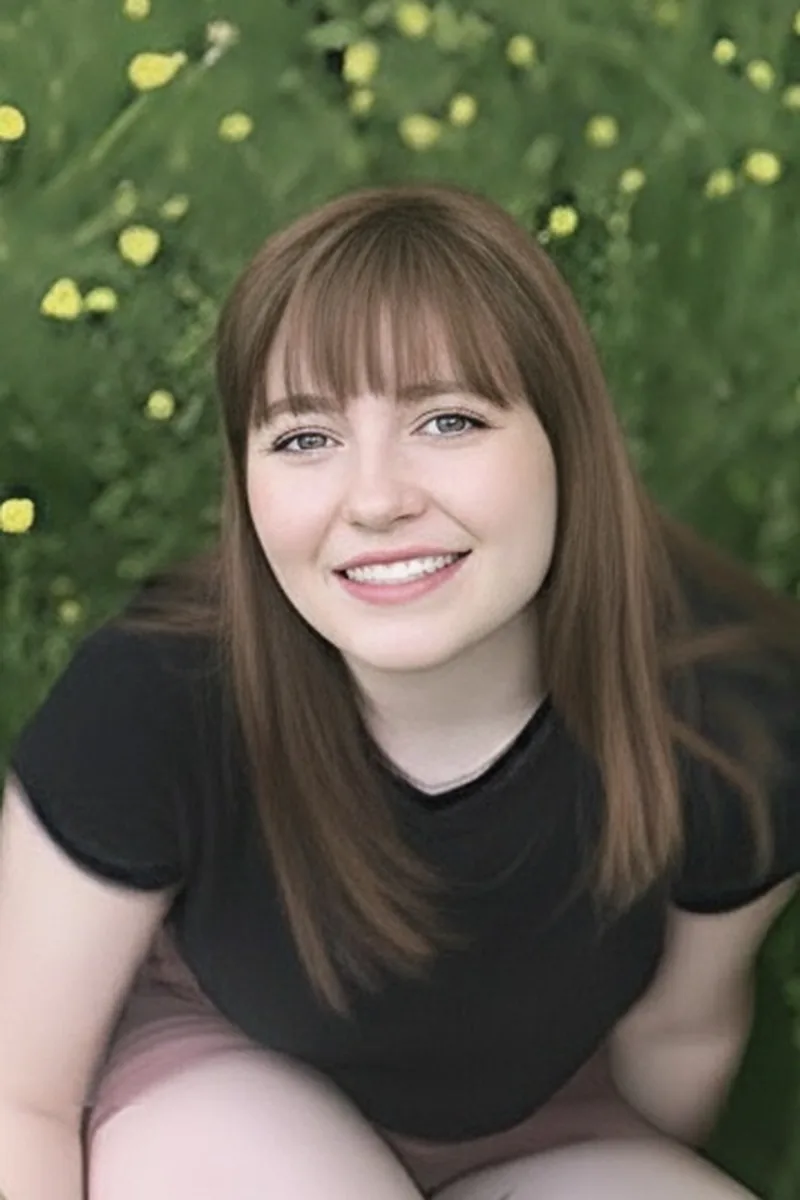
MiMi is currently pursuing the same degree the AP Art History exam was built around — Art History, Criticism, and Conservation — at Stanford, which means she's actively studying the critical methodologies and conservation debates that underpin the course's approach to the 250-image set. Her coursework in modern languages also strengthens her ability to teach students how non-Western and cross-cultural works communicate meaning through form and context. A 34 ACT reflects the kind of sharp analytical reading that translates directly to the exam's timed essays.

Teaching high school history daily means Ben already walks students through the political upheavals, religious shifts, and colonial encounters that AP Art History's contextual questions demand — he just adds the visual layer on top of a narrative framework students already trust. His creative writing training also sharpens the free-response side, where building a clear analytical argument about a work's function or meaning matters as much as recognizing the image. Rated 5.0 by students.
A practicing photographer with an MFA from SCAD, Emily brings real fluency in visual analysis to AP Art History — she teaches students to move past surface description and articulate how form, context, and function intersect in works from the Global Prehistory image set through contemporary installations. Her background in both studio art and academic writing makes the comparison essay feel far less intimidating.
Leading debates on Senate bills with high schoolers at the Edward M. Kennedy Institute taught Danlan how to make students argue from evidence about institutions, power, and policy — skills that transfer directly to AP Art History's free-response essays on patronage, governance, and the cultural forces behind artistic production. Her international relations degree adds genuine depth when students need to contextualize works across non-Western political and religious traditions. Rated 5.0 by students.
I'm a native Spanish and English speaker. I graduated with Honors in Art History and Philosophy from the University of Chicago. As a trilingual, I easily understand the difficulties and processes involved in learning a new language! I have been teaching Spanish and English to students worldwide for years. I am passionate about teaching languages as I have been blessed by life-changing opportunities by speaking fluidly with people from other cultures.
Kelly's French degree might seem like an odd fit for AP Art History, but language training builds exactly the close-reading and cultural-context skills the exam's free-response essays demand — she knows how to teach students to analyze a work's function within a specific society rather than just describe what they see. Her international travel across multiple countries also gives her firsthand familiarity with art and architecture that many students only encounter as slides.
Studying art history at Vanderbilt means Elena doesn't just recognize a Bernini sculpture or a Mughal miniature — she can explain the cultural, religious, and political contexts that produced them. AP Art History covers 250 required works spanning global traditions, and Elena teaches students to analyze visual evidence using formal vocabulary like contrapposto, chiaroscuro, and iconography. She turns what feels like overwhelming memorization into a set of analytical patterns.
Christopher's memory-sport training — he's actively working toward a Guinness World Record — gives him a genuinely unusual skill set for tackling the 250-image set, where students need to recall specific works, artists, dates, and cultural contexts under exam pressure. But he pairs those memorization techniques with a science student's habit of asking how systems connect, which translates well to the contextual and comparative essays where the AP exam tests whether students understand why a work was made, not just what it looks like.
Working as a museum educator at the Hudson River Museum, Vivian does daily what the AP Art History exam asks students to do on paper — she walks people through artworks and teaches them to see how historical context, religious function, and patronage shaped what ended up on the wall. Her Fordham training in theology, philosophy, and Medieval Studies gives her particular depth with the sacred and medieval works in the 250-image set, where understanding iconography and liturgical purpose is the difference between describing a work and actually analyzing it. Rated 5.0 by students.
Traveling extensively across cultures gave Mat a firsthand sense of how art functions differently depending on its social and historical setting — the kind of cross-cultural thinking that drives AP Art History's contextual analysis questions. His history minor at NYU's Stern School of Business sharpened his ability to connect artistic production to broader economic and political forces, especially around patronage and trade. He teaches students to build arguments that link formal details to these larger narratives, which is where the exam's free-response points actually live.
Most students walk into AP Art History expecting to memorize 250 images and call it a day. Rachel reframes the course around the questions the exam actually asks: how context shapes artistic choices, how form communicates meaning, and how to write a sharp comparative analysis under time pressure. Her background in political science adds depth when discussing art tied to power, propaganda, and social movements.
Currently pursuing degrees in Art Education, Art History, and Community Arts at Temple, Madeleine is studying the very material this exam covers — she's immersed daily in the visual analysis, cultural contextualization, and critical frameworks that drive the 250-image set. That community arts focus also gives her a practical understanding of how art functions within social and institutional spaces, which sharpens her teaching on the exam's questions about patronage, audience, and purpose.
Testimonials
Because the right AP Art History tutor makes all the difference.
Average Session Rating – Based on 3.4M Learner Ratings
Practice AP Art History
Free practice tests, flashcards, and AI tutoring for AP Art History
Nearby AP Art History Tutors
Other Birmingham Tutors
Related Social Studies Tutors in Birmingham
Frequently Asked Questions
AP Art History spans roughly 250 works of art across 11 historical periods, from prehistoric times through the present day. The course emphasizes understanding art in its cultural, social, and historical contexts—not just memorizing artists and dates. Students learn to analyze visual elements, interpret meaning, and connect artworks to broader themes like power, spirituality, and cultural identity.
The exam has two main sections: Section I includes 80 multiple-choice questions (50 minutes) and 4 short-answer questions (40 minutes), while Section II features one long-essay question (15 minutes of planning, 40 minutes of writing). Success requires both quick identification skills for unfamiliar artworks and the ability to construct thoughtful arguments connecting art to historical context.
Many students struggle with identifying unfamiliar artworks under timed conditions and distinguishing between similar periods or styles. Others find it difficult to move beyond surface-level descriptions to analyze how cultural, political, and social factors shaped artistic production. Time management on the exam—balancing quick multiple-choice questions with thoughtful essay writing—is another frequent pain point.
Varsity Tutors connects you with expert tutors who can build your visual literacy through targeted practice with real exam images, teach you efficient strategies for analyzing unfamiliar works quickly, and help you develop strong essay arguments that connect art to historical themes. Tutors can also identify your specific weak areas—whether that's a particular time period, region, or type of analysis—and create a focused study plan to strengthen them before test day.
Most students benefit from starting preparation 3-4 months before the exam, dedicating 5-7 hours per week to studying. This timeline allows you to work through the 250 required artworks systematically, practice full-length exams, and refine your essay-writing skills. If you're starting later or need more intensive support, a tutor can help you create an accelerated study schedule tailored to your pace and learning style.
Practice tests are essential for building confidence and identifying weak areas before exam day. They help you get comfortable with the pacing—especially managing the transition from rapid multiple-choice questions to longer essay writing—and familiarize you with the types of unfamiliar artworks the exam uses. Taking full-length practice exams under timed conditions every 2-3 weeks gives you realistic feedback on your readiness and helps you refine your strategy.
Varsity Tutors matches you with expert tutors who specialize in AP Art History and understand the specific challenges students face on this exam. You can connect with tutors who offer flexible scheduling and personalized instruction tailored to your learning style, whether you need help mastering the curriculum, building essay skills, or conquering test anxiety.
Score improvement depends on your starting point and how consistently you engage with tutoring and practice. Students who start with foundational gaps and work with a tutor for 2-3 months often see improvements of 2-4 points on the 1-5 scale. The key is combining targeted instruction with regular practice tests and active review of your mistakes—tutors help you maximize both.
Let’s find your perfect tutor
Answer a few quick questions. We’ll recommend the right plan and match you with a top 5% tutor.