Award-Winning Organic Chemistry Tutors
serving Birmingham, AL
Organic Chemistry
Tutors in Birmingham
Private 1-on-1 tutoring, weekly live classes for academic support, test prep & enrichment, practice tests and diagnostics, and more to elevate grades and test scores.
Based on 3.4M Learner Ratings
UniversitiesSchools & Universities
DeliveredHours Delivered
ProficiencyGrowth in Proficiency
Who needs tutoring?
No obligation. Takes ~1 minute.
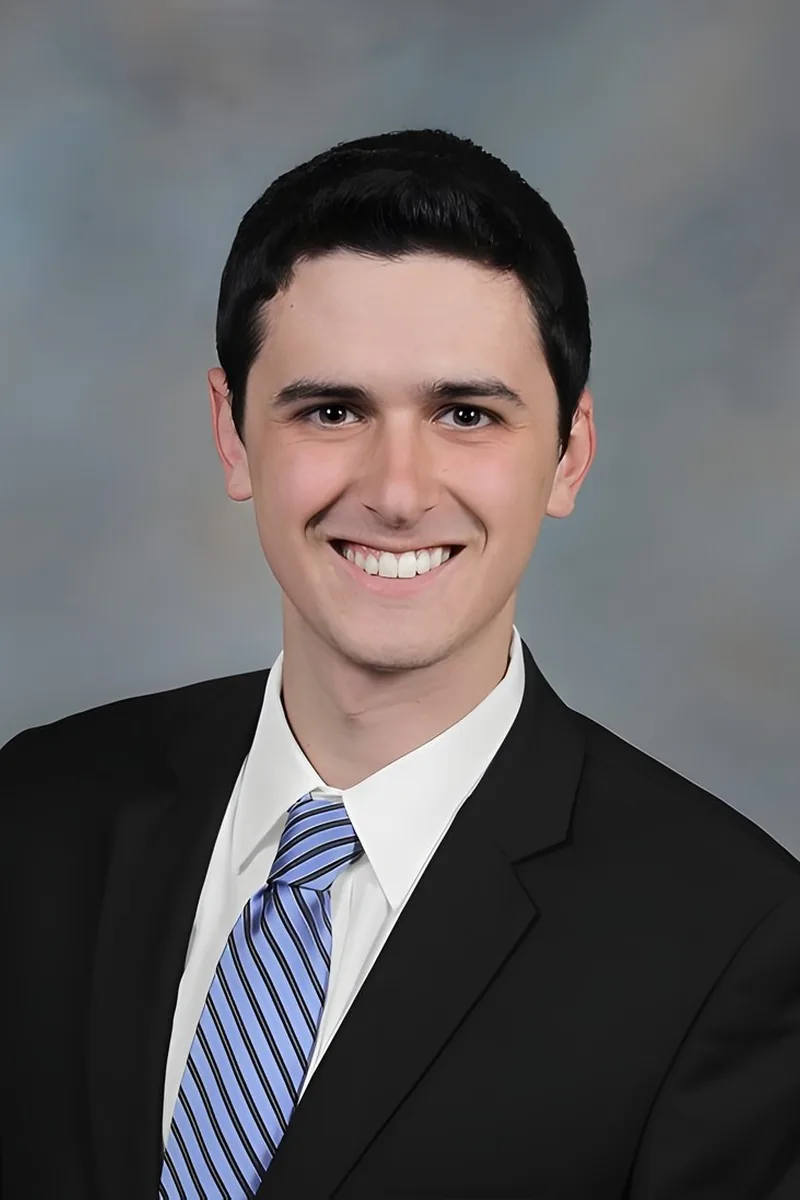
Reaction mechanisms are the language of organic chemistry, and David treats them that way — once a student can read electron flow through curved arrows, predicting products for substitution, elimination, and addition reactions becomes systematic rather than overwhelming. His Yale neuroscience training required two semesters of organic chemistry, and he still uses those fundamentals daily in his bioethics graduate work.
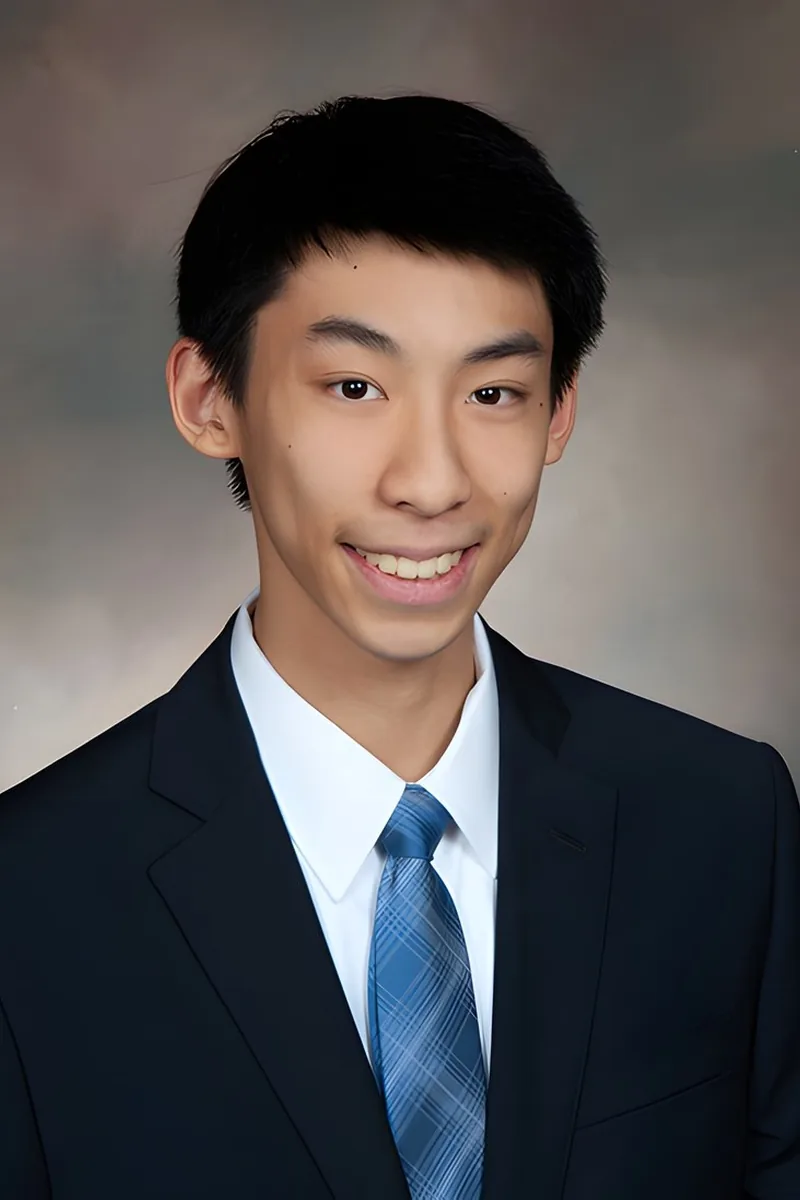
Max spent much of high school independently pursuing organic chemistry through coursework and projects well beyond what was required — the kind of deep, self-driven study that builds real fluency with reaction types and synthesis logic. His chemistry degree from MIT and mathematical instincts mean he approaches problems like retrosynthetic analysis and multi-step mechanism design as structured puzzles, breaking each one into clear decision points. Rated 5.0 by students.
Reaction mechanisms are the backbone of organic chemistry, and learning to predict products means recognizing electron-density patterns, not memorizing hundreds of individual reactions. Alec's approach — honed through years of TA work in Cornell's chemistry department — emphasizes arrow-pushing logic and functional group reactivity so that substitution, elimination, and addition reactions start to feel like variations on a theme rather than separate things to memorize.
Reaction mechanisms are the backbone of organic chemistry, and Natasha teaches them the way she learned them in her biomolecular engineering program — by tracing electron movement step by step until the logic feels inevitable rather than arbitrary. She digs into arrow-pushing, stereochemistry, and functional group reactivity by asking students to predict products before revealing answers, building real intuition for how molecules behave.
Studying chemistry at Harvard while preparing for Columbia Medical School means James has worked through organic chemistry from both the academic and pre-med sides — understanding mechanisms deeply enough to satisfy a chemistry major, and efficiently enough to apply them in biochemistry and pharmacology contexts. He's particularly strong at teaching students how to predict reaction outcomes by analyzing charge stability and leaving group trends rather than treating each transformation as a new thing to memorize. Rated 4.9 by students.
Preparing for medical school means Benjamin ground through organic chemistry with the kind of intensity that only MCAT stakes demand — reaction mechanisms, carbonyl chemistry, and spectroscopy all studied until the logic behind each transformation became second nature. His evolutionary anthropology background at Duke also gives him a knack for seeing patterns across complex systems, which is exactly the skill that separates students who struggle with synthesis problems from those who can map a retrosynthetic pathway confidently. Rated 5.0 by students.
Currently majoring in chemistry at MIT, Nicholas is immersed in the reaction logic and electron-pushing that organic chemistry demands — and he's learning it at a program known for its rigorous mechanistic approach. He breaks down topics like nucleophilic additions and stereochemical outcomes by connecting them to the underlying thermodynamic and kinetic reasoning, making unfamiliar transformations feel predictable rather than random. Rated 5.0 by students.
Most students dread organic chemistry because it feels like a new language, but the logic underneath reaction mechanisms is surprisingly consistent once someone lays it out clearly. Ade approaches each reaction type — substitution, elimination, addition — by teaching students to read electron movement and predict products rather than memorize hundreds of individual reactions.
Four years of tutoring organic chemistry at Yale — while simultaneously doing pre-med coursework — gave Marcus a sharp sense of where students get stuck, particularly with carbonyl reactivity and multi-step synthesis planning. His current research at the Hospital for Special Surgery keeps him actively applying these concepts, so he teaches functional group transformations as interconnected tools rather than an isolated reaction catalog.
Cornell's biology curriculum threw Raphael into organic chemistry as the bridge between general chemistry and the biochemistry he needed for his pre-med track — meaning he learned reaction mechanisms through the lens of biological relevance, not just isolated transformations on an exam. He tackles arrow-pushing and functional group reactivity by zeroing in on the "why" behind electron movement, building each mechanism step from nucleophile-electrophile logic so students can reason through unfamiliar problems on their own. Holds a 5.0 rating.
I am a freshman at Vanderbilt University studying biochemistry and involved in analytical chemistry research. Despite my studies being very science oriented, I also enjoy studying English and the humanities. I'd be happy to tutor you in any of these areas!
Decades of running an organic chemistry research lab and teaching it at the college level mean Wyatt has explained arrow-pushing mechanisms, retrosynthetic analysis, and spectroscopy interpretation thousands of times — and learned exactly where students get stuck on each one. His PhD in the subject gives him the depth to trace a tricky multi-step synthesis back to the underlying electronic principles, then rebuild it at whatever pace clicks. Rated 4.9 by students.
Testimonials
Because the right Organic Chemistry tutor makes all the difference.
Average Session Rating – Based on 3.4M Learner Ratings
Practice Organic Chemistry
Free practice tests, flashcards, and AI tutoring for Organic Chemistry
Nearby Organic Chemistry Tutors
Other Birmingham Tutors
Related Science Tutors in Birmingham
Frequently Asked Questions
Organic Chemistry requires understanding reaction mechanisms and molecular structures at a deeper level than memorization alone. Personalized 1-on-1 instruction allows tutors to identify whether you're struggling with foundational concepts (like hybridization or resonance) or with applying those concepts to new problems. This targeted approach helps you build genuine understanding rather than just memorizing reactions, which is essential for success in exams and upper-level chemistry courses.
Your first session focuses on assessment and connection. A tutor will review your current coursework, discuss specific topics causing difficulty (whether it's mechanisms, synthesis problems, or spectroscopy), and learn your learning style. This helps establish a personalized plan—whether you need help visualizing 3D molecular structures, working through reaction sequences, or mastering the scientific reasoning behind organic transformations.
Students often struggle with three key areas: visualizing 3D structures and stereochemistry, understanding reaction mechanisms beyond memorization, and applying concepts to unfamiliar synthesis problems. Many also find it difficult to balance the need to know named reactions with the deeper logic of why those reactions occur. Tutors help bridge this gap by building conceptual understanding alongside practical problem-solving skills.
Mechanisms involve tracking electron movement and understanding why bonds break and form—concepts that benefit greatly from visual explanation and guided practice. Tutors use drawing techniques, molecular models, and step-by-step walkthroughs to help you see the logic behind each arrow-pushing step. This transforms mechanisms from abstract symbols into a coherent story about how molecules react, making them easier to remember and apply to new problems.
Yes. Beyond classroom theory, tutors can help you connect lab procedures to the underlying chemistry—why you use specific solvents, what to expect from reactions, and how to interpret results. This bridges the gap between theoretical knowledge and hands-on experimentation, helping you understand not just what happened in the lab, but why it happened and what it means for your understanding of organic chemistry concepts.
Synthesis problems require both knowledge of reactions and strategic thinking about how to build complex molecules step-by-step. Tutors teach you to work backwards (retrosynthesis) by breaking target molecules into simpler pieces, then identifying the reactions needed to connect them. This systematic approach, combined with practice on progressively harder problems, builds the problem-solving skills needed to tackle unfamiliar synthesis questions on exams.
Exam preparation with a tutor focuses on both content mastery and test-taking strategy. You'll work through practice problems similar to exam questions, identify patterns in your mistakes, and learn to manage time during timed tests. Tutors also help you distinguish between concepts you truly understand versus those you've only memorized, ensuring you're ready for both straightforward questions and the application problems that often appear on exams.
Varsity Tutors connects you with expert tutors in the Birmingham area who specialize in Organic Chemistry. You can specify your needs—whether you're in a college course, preparing for the MCAT, or need help with a specific unit—and get matched with a tutor whose expertise fits your goals. The process is straightforward: share your situation, and we'll connect you with someone ready to help you master this challenging subject.
Let’s find your perfect tutor
Answer a few quick questions. We’ll recommend the right plan and match you with a top 5% tutor.