Award-Winning Science Tutors
serving Las Vegas, NV
Science
Tutors in Las Vegas
Private 1-on-1 tutoring, weekly live classes for academic support, test prep & enrichment, practice tests and diagnostics, and more to elevate grades and test scores.
Based on 3.4M Learner Ratings
UniversitiesSchools & Universities
DeliveredHours Delivered
ProficiencyGrowth in Proficiency
Who needs tutoring?
No obligation. Takes ~1 minute.
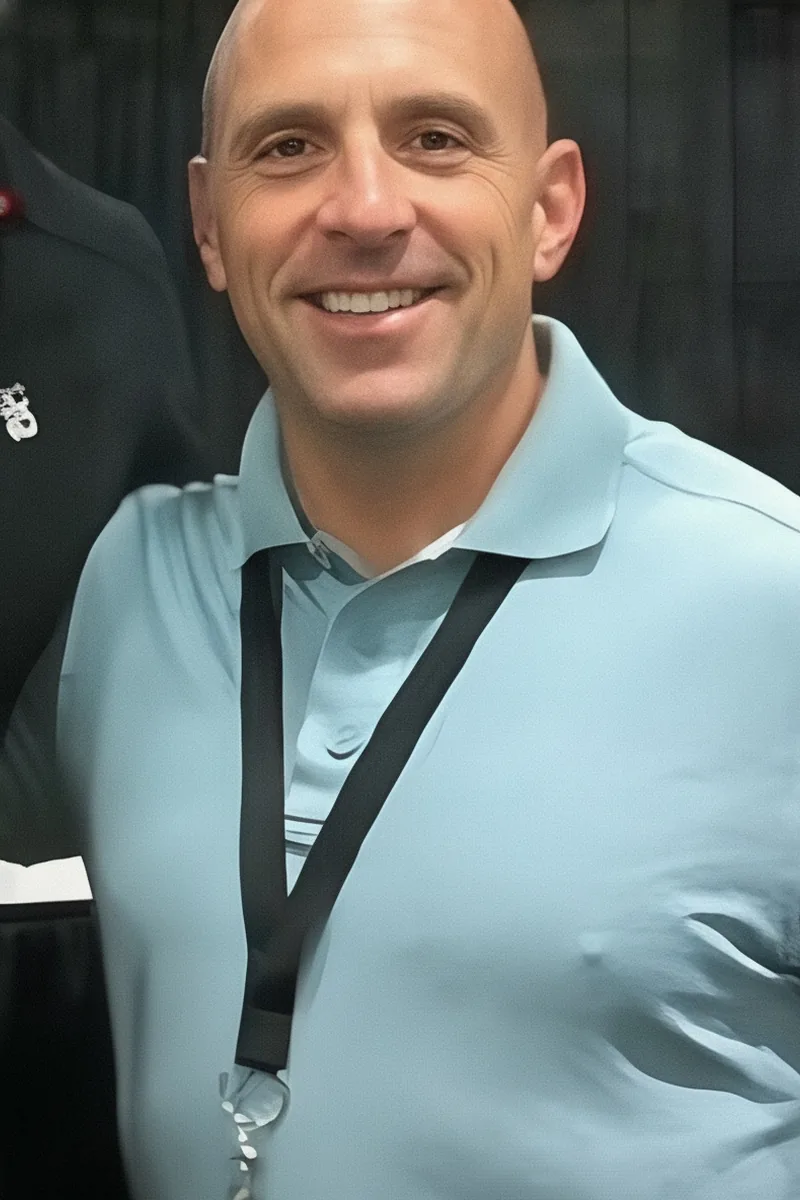
Tony's master's in Latin American Studies involved substantial research methodology — gathering primary sources, analyzing demographic and environmental data, and drawing evidence-based conclusions across disciplines including geography, economics, and ecology. That cross-disciplinary training means he can walk students through the scientific method with real-world context, connecting abstract concepts like hypothesis testing and variable control to tangible examples from fields they might not expect.
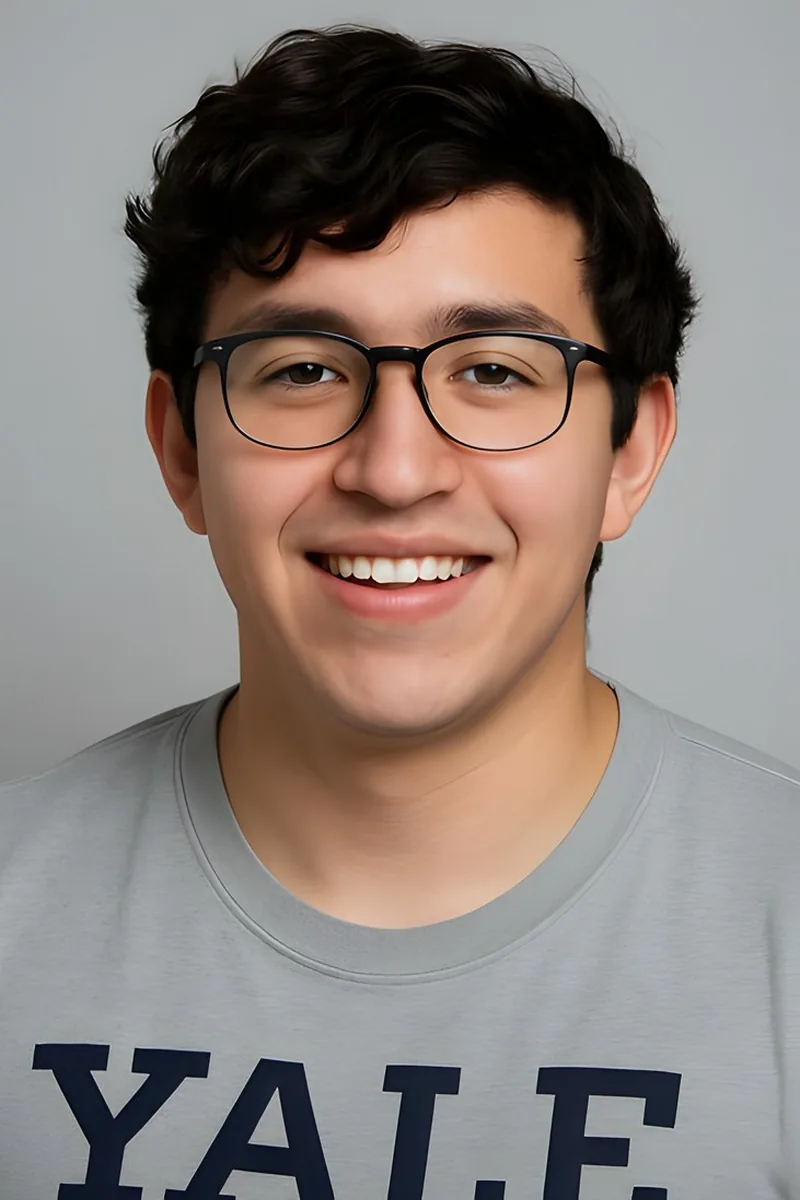
Applied mathematics coursework means Daniel spends his days working with the same tools science relies on — modeling relationships, interpreting data, and translating real-world phenomena into equations that actually predict outcomes. He's especially useful for the quantitative side of science: unit conversions, proportional reasoning, and making sense of graphs that would otherwise blur together. Rated 4.7 by students.
Northwestern's engineering sequence put Dylan through both mechanics and electricity & magnetism at the college level, so he understands the physics backbone that most science courses build on. He unpacks tricky concepts — free-body diagrams, circuit analysis, energy conservation — by tying equations back to the physical intuition behind them.
Biology, chemistry, physics, biochemistry, organic chemistry — Cassandra's science background is unusually broad, built on a Biology degree and years of tutoring across the hard sciences. That range matters because science subjects constantly borrow from each other; she connects thermodynamics in chemistry to energy flow in biology, or vectors in physics to enzyme kinetics, so concepts reinforce instead of competing.
Shawn's M.S. in Chemistry gives him deep fluency across the physical sciences, but what sets his science tutoring apart is his insistence on connecting concepts — showing how energy transfer in physics relates to bond energy in chemistry relates to nutrient cycles in environmental science. He breaks down the scientific method not as a list to memorize but as a thinking tool students can apply to any lab report or data analysis question. Rated 4.9 by students.
Economics coursework — particularly statistics, modeling, and interpreting quantitative data — gave Martina practice with the same analytical reasoning that science demands: isolating variables, reading graphs, and explaining what results actually mean. Her multilingual background also turns out to be surprisingly practical here, since so much of science vocabulary traces back to Latin and Italian roots she can break apart on sight. Rated 4.8 by students.
Having taught math from pre-algebra through calculus, Gabriela knows the quantitative backbone of science inside out — unit conversions, graphing relationships, and interpreting data tables are second nature to her. Her Master's in Math Education also means she can spot exactly where a student's math gaps are creating confusion in science, and address both at once. Rated 5.0 by students.
Emily's pharmacy residency in acute care gave her deep, applied science knowledge — biology, chemistry, and physiology aren't abstract subjects for her but tools she uses daily in clinical practice. She unpacks scientific concepts by tying them to how the body actually works, which tends to make topics like cellular respiration or chemical equilibrium far more intuitive.
An International Relations major at Tufts doesn't sound like a science background, but Michelle's economics minor and 1530 SAT required exactly the kind of analytical reasoning science demands — reading data carefully, weighing evidence, and distinguishing what results actually prove from what they merely suggest. She's especially handy for students who can handle the concepts but struggle to put scientific explanations into clear, precise language, since writing-intensive coursework was the backbone of her degree.
A chemical engineering background means Zelalem approaches science the way working scientists do — connecting energy, matter, and mathematical relationships across chemistry and physics rather than treating them as separate chapters. He breaks down concepts like stoichiometry, thermodynamics, and kinematics by tying them to real engineering problems he solved during his graduate research. Rated 4.9 by students.
Studying cell and molecular biology at UNLV while also tutoring physics, chemistry, and environmental science means Michael sees the connections between disciplines that most students miss — like how thermodynamics principles from physics explain enzyme kinetics in biology. He unpacks scientific reasoning as a skill rather than treating each subject as an isolated set of facts. That cross-disciplinary lens makes complex topics click faster.
Electrical engineering at UNLV means Serena lives inside physics, chemistry, and applied science every day — circuits, energy transfer, material properties. She brings that hands-on perspective to younger students by tying science concepts like force, matter, and ecosystems back to things they can actually observe. Curiosity drives her teaching style: she'd rather a student ask ten questions than silently nod through a lesson.
Sam's Human Biology degree means he's spent real time with cell biology, genetics, anatomy, and ecology — not just skimmed a textbook. He peer-tutored life sciences in college and approaches each topic by connecting it to something tangible, like linking mitosis to wound healing or explaining osmosis through everyday cooking.
Studying Biomedical Engineering at USC means Deepal lives at the intersection of biology, chemistry, and physics every day. He unpacks scientific concepts by connecting them to real applications — like how fluid dynamics shows up in blood flow or why cellular respiration is really just an energy transfer problem — which makes abstract material easier to retain.
Having attended math and science focused schools throughout her education, Megan built an intuitive comfort with scientific reasoning — forming hypotheses, interpreting lab data, and connecting concepts across biology, chemistry, and physics — long before her economics coursework reinforced those quantitative skills. She's especially good at walking students through graph interpretation and experimental design, treating each problem like a puzzle to decode rather than a set of facts to memorize.
Lauryn's science tutoring draws on the same analytical thinking she applies to her strongest subjects — breaking complex information into claims supported by evidence. Her 32 ACT composite shows she can navigate scientific reasoning and data interpretation, and she's especially good at teaching students how to read graphs, extract key variables, and connect experimental results to underlying concepts.
Computer science sits at the intersection of math and applied science, so Million brings a quantitative, systems-level mindset to scientific concepts. He's particularly effective at walking through data interpretation, unit analysis, and the kind of structured problem-solving that shows up across physics, chemistry, and biology coursework.
Working daily with high schoolers as a case manager, Phonemany knows exactly which science concepts students tend to fake-understand — and which ones actually need to be rebuilt from scratch. She uses that instinct to zero in on gaps in topics like classification, basic chemistry, or earth systems before they snowball into bigger problems. Rated 5.0 by students.
A mechanical engineering degree means Elizabeth didn't just study science in a textbook — she applied physics principles to real systems and used chemistry and biology concepts across interdisciplinary coursework. She's particularly strong at teaching students to set up problems correctly, interpret units, and connect formulas to the physical phenomena they describe.
Accounting and finance coursework drills the same core skills science demands — collecting data, testing assumptions, and drawing defensible conclusions from the numbers in front of you. Karen applies that quantitative discipline to teaching students how to set up controlled comparisons, read graphs accurately, and explain results rather than just report them. Rated 4.5 by students.
Between his biology major at UNLV and his Advanced Honors Diploma in biotechnology, Samuel has spent years inside labs and science classrooms. He unpacks topics across biology and chemistry — from cellular respiration pathways to stoichiometry — by tying abstract processes to tangible examples students can visualize and remember.
Anthropology is a science — fieldwork, hypothesis testing, cross-cultural data analysis — and Justin's degree means he learned the scientific method by actually using it to study human populations and behavior. He's especially strong at teaching students how to move from observation to explanation, whether that means classifying organisms or interpreting results from a controlled experiment. Rated 5.0 by students.
From thermodynamics to life sciences to physical chemistry, Katherine covers an unusually wide range of science disciplines, which means she can show students how concepts thread across fields — like how energy conservation in physics mirrors enthalpy changes in chemistry. She unpacks each topic with concrete examples and real-world applications that make abstract principles feel tangible.
A UCLA Physiological Sciences degree means Andrea spent years moving between biology labs, chemistry problem sets, and anatomy dissections — exactly the kind of cross-disciplinary thinking that general science courses demand. She breaks down topics like cellular respiration, chemical bonding, and ecological systems by connecting them to how the human body actually works, which tends to make abstract concepts click. Rated 4.9 by students.
Early science is really about learning to observe, ask questions, and describe what's happening — skills that lean heavily on language. Sanda's English background means she can teach a young student how to read a diagram, record an observation in a lab notebook, or explain the water cycle in their own words. She turns vocabulary-heavy topics like plant life cycles and states of matter into hands-on conversations rather than memorization lists.
Kendra's sociology and criminology coursework at Fordham involves constant practice with the nuts and bolts of scientific inquiry — designing surveys, controlling for confounding variables, and running statistical analyses on real datasets. That training means she can walk students through hypothesis formation, data collection, and interpreting results as someone who actually uses the scientific method in her own studies, not just reads about it in a textbook.
Forensic science sits at the intersection of biology, chemistry, and physics, so Kyle doesn't just teach scientific concepts in isolation — he connects them. Whether it's understanding cell structure, balancing chemical equations, or interpreting force diagrams, he draws on upper-level university coursework across all three disciplines.
While science isn't Alexis's core specialty, her graduate program in Agricultural Leadership at Texas A&M involves applied scientific reasoning — interpreting data, evaluating research methods, and understanding how evidence supports a claim. She's a strong fit for students who need to sharpen their science literacy and reading-heavy skills like analyzing experiments and drawing conclusions from graphs.
Chris's linguistics degree from NYU trained him to do exactly what science requires — observe patterns, form hypotheses about how systems work, and test those hypotheses against evidence. He's especially useful for students who struggle with scientific vocabulary, since breaking unfamiliar terms into Greek and Latin roots is something linguists do instinctively. Rated 5.0 by students.
Biology, chemistry, and physics all demand a slightly different kind of thinking — memorization for one, dimensional analysis for another, free-body diagrams for a third. As a biology major with a math minor at UNLV, Henry is comfortable across the sciences and particularly strong at connecting quantitative reasoning to lab-based concepts. He unpacks problems step by step so students build real understanding instead of pattern-matching answers.
A biology degree and years of teaching across multiple science disciplines give Elizabeth real fluency with the subject, whether a student needs to understand cell respiration for a high school exam or interpret experimental data for the GED Science section. She connects abstract concepts — like how enzymes lower activation energy or why natural selection favors certain traits — to concrete, observable examples that actually stick.
An engineering degree requires deep fluency in both physics and chemistry, and Aaron tutors all of those subjects individually as well. When a student is stuck on something like energy conservation or stoichiometry, he traces the idea back to its core logic and rebuilds understanding from there.
Vishaal's math-heavy course load at UNLV — spanning calculus, algebra, and beyond — means he's comfortable with the quantitative backbone of science: unit conversions, graphing relationships, and working through formulas in physics or chemistry problems. He walks students through the math embedded in science assignments so the numbers stop being a roadblock and start making the concepts clearer. Rated 5.0 by students.
Mackenzie's exercise science degree means she learned biology, chemistry, and anatomy from the inside out — not just as textbook concepts but as systems that interact in the real world. She uses that perspective to explain scientific processes in ways that click, whether a student is studying the water cycle or cell division.
Brandon's English degree path at UNLV means he's spent a lot of time close-reading dense texts and building arguments from evidence — skills that carry over when students need to interpret a data table, explain an experimental result, or write up a lab report that actually says something. He's strongest on the literacy-heavy side of science, where understanding what a passage or diagram is telling you matters more than memorizing formulas.
Testimonials
Because the right Science tutor makes all the difference.
Average Session Rating – Based on 3.4M Learner Ratings
Practice Science
Free practice tests, flashcards, and AI tutoring for Science
Other Las Vegas Tutors
Related Science Tutors in Las Vegas
Frequently Asked Questions
In a classroom with a 22:1 student-teacher ratio, it's challenging for teachers to address each student's unique learning pace and gaps. Personalized 1-on-1 instruction allows tutors to focus entirely on your learning style, identify exactly where concepts aren't clicking, and adjust explanations on the fly. This targeted approach helps students build confidence and master foundational skills before moving forward, rather than falling further behind in a group setting.
Many students struggle with connecting abstract concepts to real-world applications, especially in chemistry and physics where visualization is critical. Others find it difficult to balance memorization of facts with understanding underlying principles, or they lack strong math skills needed for quantitative science. A tutor can break down complex topics into manageable pieces, use visual demonstrations, and build the foundational knowledge students need to succeed at any level.
Varsity Tutors connects students with expert tutors across all grade levels—from elementary science through AP and college-level courses. Whether you need help with life science, earth science, biology, chemistry, physics, environmental science, or specialized AP courses, tutors can provide personalized instruction tailored to your curriculum and learning goals. This ensures alignment with Nevada state standards and your specific school's expectations.
The first session is about building a foundation for success. Your tutor will assess your current understanding, identify specific areas where you're struggling, and learn about your learning style and goals. From there, they'll create a personalized plan that targets your weak spots while building on your strengths, so you see measurable improvement from session to session.
Yes. Tutors help students prepare for state assessments, STAAR, AP exams, SAT science sections, ACT science reasoning, and other standardized tests. They focus on both content mastery and test-taking strategies—teaching you how to manage time, interpret questions, and approach problems efficiently. This combination of deep understanding and strategic skills leads to stronger performance on test day.
Many students notice improvement in understanding and confidence within the first few sessions, especially once a tutor identifies and addresses specific gaps. Measurable grade improvements typically follow within 2-4 weeks of consistent tutoring, depending on the starting point and frequency of sessions. The key is regular, focused practice between sessions combined with personalized guidance from your tutor.
Varsity Tutors connects you with tutors who have expertise in your specific subject—whether that's general science, biology, chemistry, physics, or AP-level courses. You can specify your needs, and we match you with someone qualified to teach at your level and familiar with Nevada's curriculum standards. This personalized matching ensures you work with someone who understands both your subject and your learning needs.
Absolutely. Beyond theory and problem-solving, tutors can guide you through lab report writing, experimental design, data analysis, and understanding scientific methodology. They help you connect hands-on lab work to the concepts you're learning, making the science more concrete and memorable. This is especially valuable if you're preparing for advanced courses or college-level science.
Let’s find your perfect tutor
Answer a few quick questions. We’ll recommend the right plan and match you with a top 5% tutor.