Award-Winning AP Biology Tutors
serving Las Vegas, NV
AP Biology
Tutors in Las Vegas
Private 1-on-1 tutoring, weekly live classes for academic support, test prep & enrichment, practice tests and diagnostics, and more to elevate grades and test scores.
Based on 3.4M Learner Ratings
UniversitiesSchools & Universities
DeliveredHours Delivered
ProficiencyGrowth in Proficiency
Who needs tutoring?
No obligation. Takes ~1 minute.
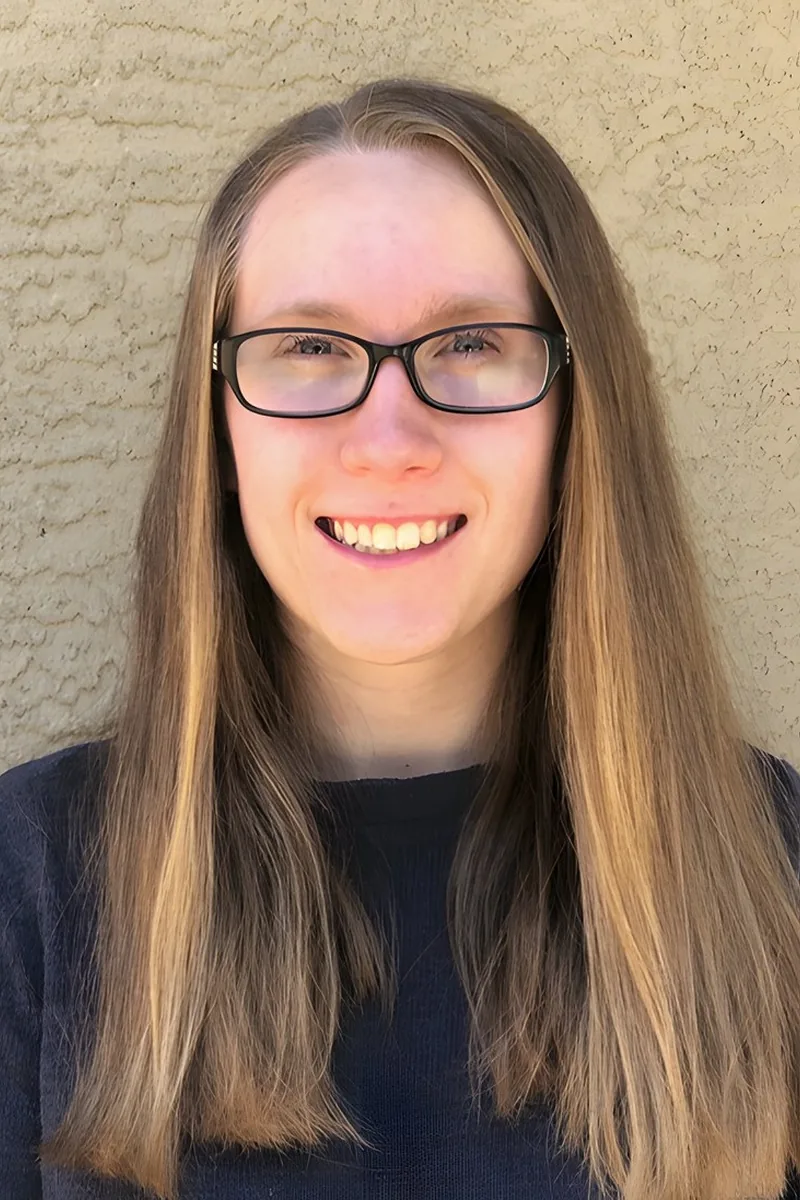
Cassandra's biology degree gave her deep exposure to genetics, ecology, and cellular processes — but what sets her apart for AP Bio is seven years of breaking down those topics for students ranging from middle school to college, which means she can calibrate explanations to wherever a student actually is in their understanding. She's especially effective at teaching the kind of experimental design and data interpretation questions that trip students up on the exam, connecting lab reasoning back to core concepts like heredity and natural selection. Rated 4.9 by students.
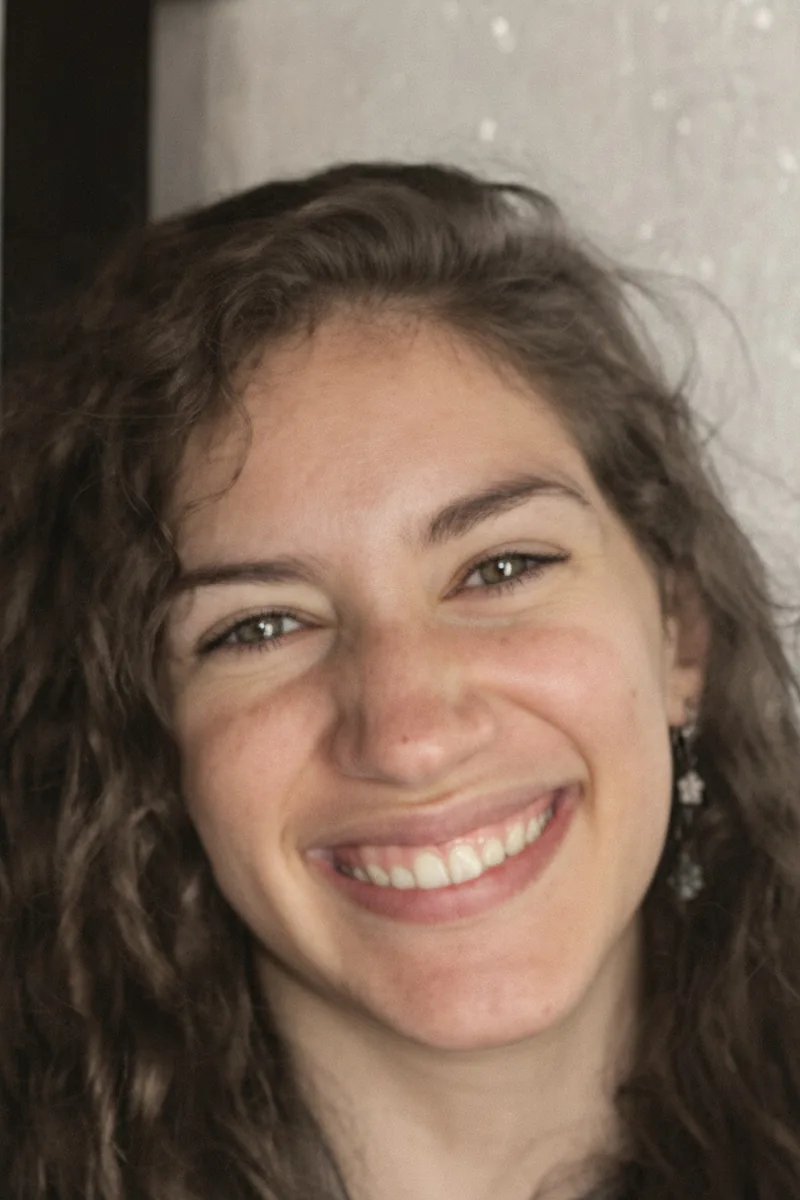
Ruthie studied the biological basis of behavior in college, which means she didn't just memorize AP Bio content like cell signaling and genetics — she had to apply it to understand how nervous systems produce behavior, how neurotransmitters cross synapses, and how gene expression shapes organisms at every level. That interdisciplinary angle is especially useful for the exam's ecology and evolution units, where students need to connect molecular mechanisms to organism-level outcomes. Rated 5.0 by students.
Studying neurobiology and behavior at Penn means Emily lives in the territory where AP Bio gets hardest — signal transduction, nervous system function, and the molecular machinery behind how cells communicate and respond to their environment. She's especially good at unpacking the genetics-to-phenotype pipeline, showing students how a mutation in one gene can ripple through protein folding, cell signaling, and ultimately organism-level behavior. Rated 5.0 by students.
As a premed biosciences student at Rice University, Jessy is actively working through the same molecular biology, genetics, and physiology content that AP Bio covers — which means she can pinpoint exactly where textbook explanations lose students and rephrase them on the fly. She recently peer-tutored classmates through AP-level coursework in high school and earned a 34 ACT, so she understands both the science and the test-taking strategy behind interpreting data sets and constructing free-response answers. Rated 5.0 by students.
Studying biology and chemistry on the pre-med track at Northwestern means Kade is immersed daily in the exact material the AP Bio exam tests — from cellular respiration and signal transduction to gene regulation and evolutionary mechanisms. He also runs study groups at his university, so he's practiced at explaining dense concepts like feedback inhibition or Hardy-Weinberg equilibrium in ways that actually stick. That combination of current coursework and teaching experience makes a real difference on exam day.
Three years running a cell biology lab section at Notre Dame gave Connor a front-row seat to exactly where students stumble on AP Bio material — signal transduction pathways, gene regulation, experimental design questions. His master's work in biomedical sciences deepened that knowledge, and he teaches the course with an eye toward the free-response questions that separate 4s from 5s.
Rice University's biochemistry program is notoriously rigorous, and Michelle came out of it with a deep understanding of how molecular processes — protein folding, enzyme kinetics, gene regulation — drive the larger biological systems AP Bio tests at every level. Now in her second year of medical school at Baylor, she's actively applying concepts like metabolic pathways and cellular communication in clinical settings, which means she can teach students not just what happens during something like signal transduction, but why it matters physiologically.
A neuroscience degree plus a master's in biotechnology means Rithi has spent serious time with the molecular and cellular content that trips up most AP Bio students — think signal transduction pathways, gene regulation, and how neurons actually fire. She's now in medical school at Robert Wood Johnson, so she's applying these concepts daily at a level well beyond what the exam demands, which makes her especially sharp at unpacking the mechanistic "explain how" questions the free-response section loves to ask.
Studying biological engineering at MIT means Lainie encounters AP Bio's core content — gene regulation, cellular energetics, metabolic pathways — through the lens of designing and modeling biological systems, which gives her a more mechanistic understanding than a standard biology curriculum provides. She scored a 1580 SAT and has tutored students as young as four, so she's practiced at adjusting her explanations to match exactly how much detail a student can absorb. Rated 5.0 by students.
Stephanie is a molecular biology major at Princeton who tutors biology and general chemistry at the university's peer tutoring center — meaning she's actively teaching concepts like gene regulation, enzyme kinetics, and cellular signaling to college students, then turning around and making that same material accessible for AP Bio. Her 5.0 rating speaks to how well she translates that Princeton-level depth into the kind of precise, mechanism-driven explanations the exam's free-response questions demand.
A Yale biochemistry degree plus a year of wet lab research at the NIH means Matthew knows AP Biology's toughest units — molecular genetics, cellular energetics, signal transduction — from the inside out. He teaches the exam's data-analysis questions the way a working scientist reads them: by identifying variables, controls, and what the graph is actually telling you. His 4.9 rating speaks to how well that real-world perspective translates in sessions.
Graduate research in Chemical and Physical Biology at Vanderbilt meant Dennis spent years at the intersection of chemistry and living systems — dissecting metabolic pathways, protein interactions, and cellular energetics at a level that makes AP Bio's toughest biochemistry content second nature. His biochemistry undergraduate degree adds even more depth to the molecular biology and genetics units, where he can unpack processes like enzyme kinetics or gene regulation by grounding them in the actual chemistry students rarely get to see in a high school course. Rated 5.0 by students.
Laura's economics background might seem like an odd fit for AP Bio, but it actually sharpens one of the exam's trickiest skills: interpreting data sets, reading graphs under pressure, and constructing logical arguments from evidence — exactly what the free-response section demands. She also tutors the SAT Bio Subject Test and college biology, so she's comfortable with content from ecology and population dynamics to cellular processes. Rated 5.0 by students.
Testimonials
Because the right AP Biology tutor makes all the difference.
Average Session Rating – Based on 3.4M Learner Ratings
Practice AP Biology
Free practice tests, flashcards, and AI tutoring for AP Biology
Other Las Vegas Tutors
Related Science Tutors in Las Vegas
Frequently Asked Questions
Score improvement depends on your starting point and how consistently you engage with tutoring. Students who work with a tutor typically see gains of 1-2 points on the AP scale (out of 5), though some improve more significantly by addressing specific weak areas like free-response questions or data analysis. The key is identifying which sections—Unit 1 through Unit 8—are causing the most trouble and focusing your preparation there.
Many students struggle with the volume of content—AP Biology covers cellular biology, genetics, evolution, ecology, and more—making it hard to know what to prioritize. Free-response questions are another major challenge; they require you to explain concepts in depth and apply your knowledge to new scenarios, not just recall facts. Time management during the exam is also critical, since you have limited minutes for both the multiple-choice section and the written responses.
Varsity Tutors connects you with expert tutors who assess your current understanding, identify gaps in specific units or question types, and create a personalized study plan. Tutors help you master difficult concepts, practice with released AP exam questions, and develop strategies for tackling free-response prompts under time pressure. Regular sessions leading up to the exam ensure you're building confidence and retention, not just cramming.
The AP Biology exam gives you 90 minutes for 60 multiple-choice questions (about 1.5 minutes each) and 90 minutes for 6 free-response questions (roughly 15 minutes each). A tutor can help you practice pacing by working through full-length practice tests and teaching you to quickly identify what each question is asking. Knowing when to move on from a tough multiple-choice question and how to allocate time to longer free-response answers is crucial for maximizing your score.
The best way is to take a full-length practice test and review your performance by unit—College Board organizes AP Biology into 8 units covering everything from cellular transport to ecology. A tutor can help you analyze which units consistently trip you up, whether it's Unit 3 (Genetics) or Unit 7 (Natural Selection), and focus your study time there. This targeted approach is much more efficient than trying to review everything equally.
Free-response questions require you to explain concepts clearly and apply your knowledge to new situations, so practice writing out full answers under timed conditions. A tutor can review your responses, show you what AP graders are looking for, and help you develop a framework for tackling unfamiliar scenarios. Working through released exam questions and getting feedback on your explanations is far more effective than just reading sample answers.
Ideally, you'll work with a tutor throughout the school year, but if you're starting closer to exam day, even a few months of focused preparation can make a real difference. For Las Vegas students taking the exam in May, starting tutoring by January or February gives you time to cover weak areas without rushing. If you're struggling earlier in the year, starting sooner helps you master the fundamentals so later units make more sense.
Confidence comes from preparation, and a tutor helps you build that by ensuring you understand the material and know what to expect on exam day. Regular practice with real AP questions, timed practice tests, and feedback on your answers reduces uncertainty and anxiety. Tutors can also teach you test-taking strategies and help you develop a mindset focused on what you can control—your preparation and effort—rather than worrying about the score.
Let’s find your perfect tutor
Answer a few quick questions. We’ll recommend the right plan and match you with a top 5% tutor.