Award-Winning Microbiology Tutors
serving Las Vegas, NV
Microbiology
Tutors in Las Vegas
Private 1-on-1 tutoring, weekly live classes for academic support, test prep & enrichment, practice tests and diagnostics, and more to elevate grades and test scores.
Based on 3.4M Learner Ratings
UniversitiesSchools & Universities
DeliveredHours Delivered
ProficiencyGrowth in Proficiency
Who needs tutoring?
No obligation. Takes ~1 minute.
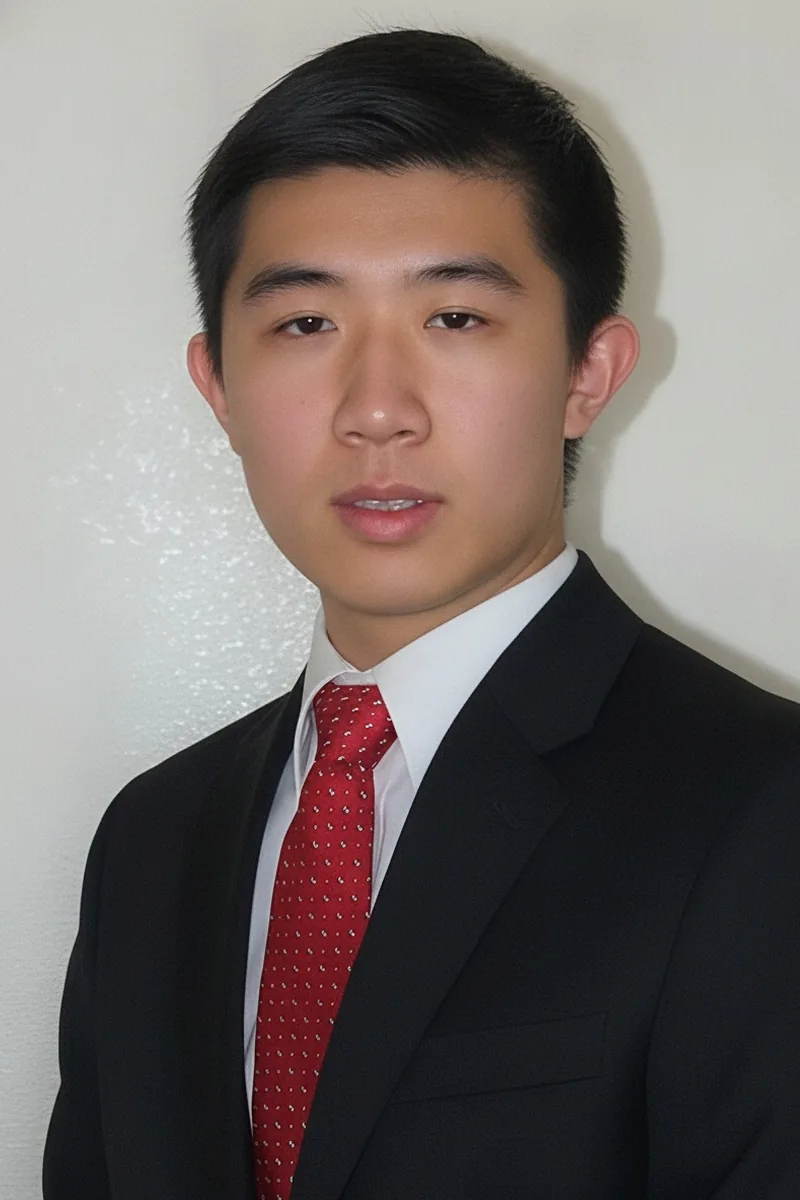
Studying cell and molecular biology at UNLV means Michael spends his coursework immersed in the microbial world — bacterial genetics, metabolic pathways, and the mechanisms behind host-pathogen interactions. He unpacks dense topics like gram staining protocols, viral replication cycles, and antibiotic resistance with the detail of someone who encounters them in lab regularly. Students preparing for exams on microbial physiology or immunology get a tutor who genuinely lives in this material.
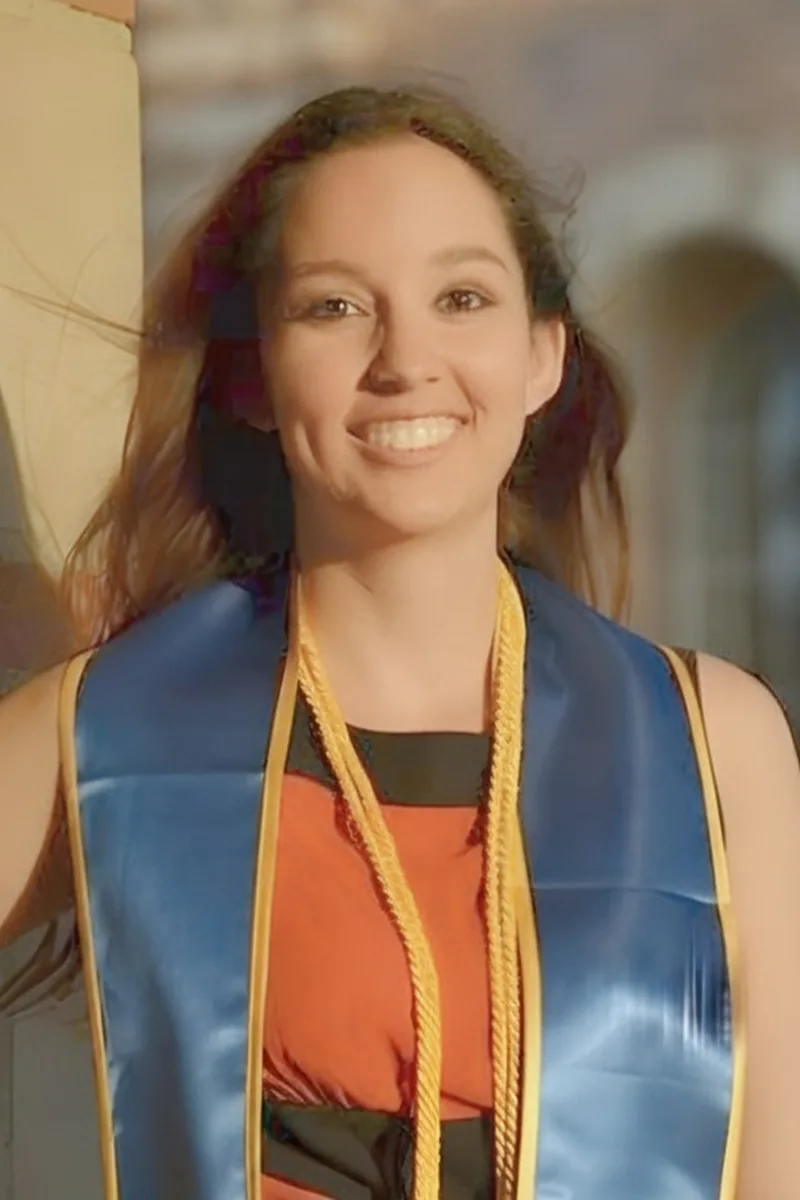
UCLA's Physiological Sciences program put Andrea deep into the biology of how body systems function — and that includes understanding the microorganisms that disrupt or support those systems, from normal flora maintaining gut homeostasis to pathogens triggering inflammatory cascades. She teaches microbiology by linking bacterial and viral behavior back to the host physiology she knows best, so students see infection and immune response as connected processes rather than separate chapters. Rated 4.9 by students.
Studying forensic science means Kyle lives in microbiology — from bacterial culture techniques and Gram staining to understanding how pathogens interact with host immune responses. He breaks down dense topics like microbial genetics and metabolic pathways into logical sequences that are easier to retain for exams. Rated 4.6 by students.
Studying microbiology means juggling bacterial morphology, metabolic pathways, gram staining protocols, and immune response mechanisms all at once. Elizabeth earned her bachelor's in biology and digs into the details of prokaryotic cell structure, viral replication cycles, and antimicrobial resistance with the kind of specificity that turns overwhelming material into a clear framework. She's a strong fit for students in introductory or pre-med micro courses who need to connect lecture content to lab work.
Studying microbiology in a medical context means Amir doesn't just know bacterial classifications and viral replication cycles — he understands how they matter clinically. He teaches concepts like gram staining, pathogen virulence factors, and antibiotic mechanisms by connecting each one to real scenarios, using visual aids that turn dense material into something students can actually retain.
Keeping bacterial classification, virulence factors, and immune evasion strategies straight requires a system, not just flashcards. As a medical student at the Medical College of Wisconsin, Abrahim deals with microbiology in a clinical context daily — he teaches students to organize pathogens by mechanism of action and host response, which makes exam recall far more reliable.
Keeping bacterial classification, metabolic pathways, and virulence factors straight requires more than flashcards — it requires a framework. Rachel approaches microbiology by organizing organisms around how they survive: their energy sources, their structural defenses, and how they interact with host immune responses. That structure turns a sprawling subject into something students can actually reason through on exams.
Bacterial morphology, Gram staining techniques, viral replication cycles — microbiology throws a lot of vocabulary at students before asking them to think critically about pathogenesis and immune response. Ade's biology degree gives him the foundation to break down these interconnected systems and show how individual microorganisms actually behave in clinical and environmental contexts.
Medical school at Penn's Perelman School of Medicine gave Daniel hands-on exposure to microbiology that goes well beyond a standard textbook — from bacterial virulence factors to antibiotic resistance mechanisms to the clinical presentations they produce. He connects microbial physiology to real infectious disease scenarios, which makes distinguishing gram-positive from gram-negative organisms or understanding viral replication cycles far more intuitive.
Josef's life sciences research at Cornell gave him hands-on familiarity with microbial systems, from bacterial cell structure and gram staining to pathogenic mechanisms and antibiotic resistance. He teaches microbiology by linking each organism's biology to its clinical or ecological significance, which makes classification and virulence factors far easier to retain.
Neuroscience training at the undergraduate level means Jhonatan spent significant time with the microbial world — understanding how pathogens cross the blood-brain barrier, how CNS infections progress, and how the gut microbiome communicates with neural tissue. He teaches microbial physiology and host interactions by anchoring them to these neuroimmune connections, giving students a narrative thread through what can otherwise feel like an overwhelming catalog of organisms. Rated 5.0 by students.
Bacterial classification, viral replication cycles, and host-pathogen interactions are central to both microbiology coursework and clinical medicine. As a medical student at UMKC, Evelyn encounters these concepts in a clinical context every week, which means she can explain the difference between gram-positive and gram-negative organisms — or how antibiotic resistance develops — with real diagnostic scenarios in mind.
Before starting her doctoral work at Princeton, Edna spent time in an immunology and genetics laboratory where microbial behavior wasn't theoretical — it was daily benchwork. She digs into bacterial structure, viral replication cycles, and host-pathogen interactions with the kind of detail that comes from having actually cultured organisms and interpreted experimental results. Her Columbia public health training adds an epidemiological lens that connects micro-scale biology to real-world disease patterns.
Richard's PhD research at Northwestern is in microbiology, which means he's not teaching this subject from a textbook — he's living it. He digs into topics like bacterial pathogenesis, microbial genetics, and host-immune interactions with the kind of detail that comes from years at the bench. Students preparing for exams or struggling with lab reports get someone who can connect microscopic mechanisms to the bigger public health picture.
Medical school demands a granular understanding of pathogens — bacterial cell wall differences, viral replication cycles, antibiotic resistance mechanisms. Daniel earned his M.D. and brings that clinical lens to microbiology, connecting each organism's structure and behavior to the disease processes students are expected to know for exams.
Studying microbiology in preparation for medical school gave Nishad a detailed command of bacterial physiology, viral replication cycles, and immune response pathways. He teaches students to connect structure to function — understanding why Gram-negative bacteria resist certain antibiotics, for instance, by tracing the architecture of their outer membrane.
Testimonials
Because the right Microbiology tutor makes all the difference.
Average Session Rating – Based on 3.4M Learner Ratings
Other Las Vegas Tutors
Related Science Tutors in Las Vegas
Frequently Asked Questions
Varsity Tutors connects you with expert tutors who have deep knowledge of microbiology and understand the specific curriculum taught in Las Vegas schools. We consider your learning goals, schedule, and areas of focus—whether that's bacterial identification, immunology, or lab techniques—to find the right match for your needs.
Absolutely. Microbiology tutors help you connect lab procedures to the underlying science, explaining why you're performing each step and what the results mean. Whether you're struggling with staining techniques, culturing organisms, or interpreting microscope observations, personalized instruction breaks down the hands-on skills and scientific reasoning behind the work.
One of the biggest challenges in microbiology is understanding structures and processes at the cellular and molecular level. Tutors use diagrams, animations, and real-world examples to help you build mental models of how bacteria reproduce, how viruses infect cells, and how the immune system responds. This bridges the gap between abstract concepts and concrete understanding.
Microbiology is much more than memorization—it's about understanding mechanisms and relationships. Expert tutors focus on the 'why' behind concepts: why certain bacteria thrive in specific environments, how antibiotic resistance develops, and how metabolic pathways work. When you understand the logic, you retain information longer and can apply it to new problems rather than just recalling facts.
Students often struggle with connecting microscopic-level processes to larger biological systems, mastering microbial identification and classification, and understanding the balance between memorizing terminology and grasping underlying concepts. Additionally, many find lab work challenging because they don't fully understand the 'why' behind procedures. Personalized tutoring addresses these gaps by building conceptual understanding alongside practical skills.
Your first session is about understanding where you are and where you want to go. The tutor will assess your current understanding of key microbiology concepts, identify specific challenges (whether it's taxonomy, metabolic processes, or lab techniques), and learn about your learning style. From there, you'll develop a personalized plan to build confidence and mastery in the areas that matter most to you.
Tutors create targeted study plans based on your exam format and content focus, whether you're preparing for a class exam, AP Biology with microbiology emphasis, or another standardized test. They use practice problems, concept mapping, and retrieval practice to strengthen weak areas, help you apply knowledge to unfamiliar questions, and build the scientific reasoning skills that exams test.
Varsity Tutors offers flexible pricing options tailored to your needs and budget. Whether you need intensive weekly sessions or occasional help before exams, you can work with a tutor to find a schedule and plan that fits your situation. Contact us to discuss your specific goals and get pricing details for microbiology tutoring in Las Vegas.
Let’s find your perfect tutor
Answer a few quick questions. We’ll recommend the right plan and match you with a top 5% tutor.