Award-Winning Science Tutors
serving Reno, NV
Science
Tutors in Reno
Private 1-on-1 tutoring, weekly live classes for academic support, test prep & enrichment, practice tests and diagnostics, and more to elevate grades and test scores.
Based on 3.4M Learner Ratings
UniversitiesSchools & Universities
DeliveredHours Delivered
ProficiencyGrowth in Proficiency
Who needs tutoring?
No obligation. Takes ~1 minute.
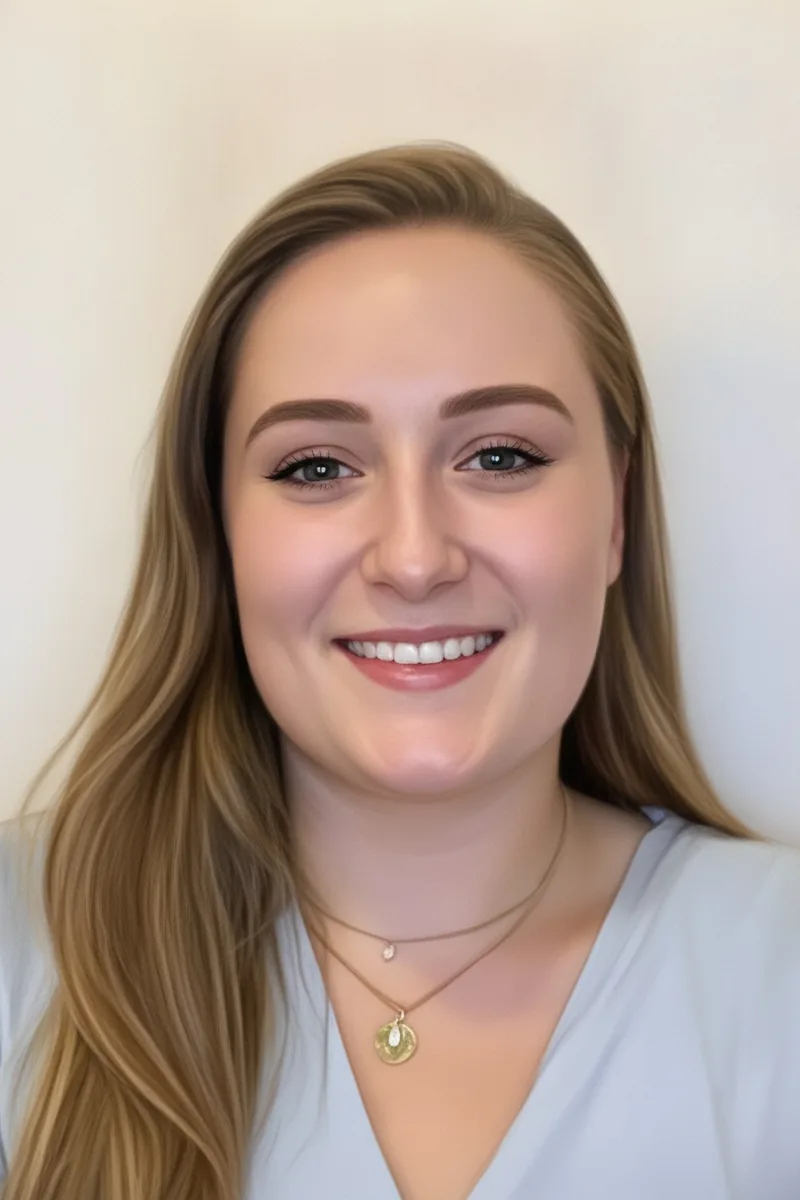
Mimi's Masters in Education from Harvard focused on inquiry-based and object-based learning — an approach that turns science into something students can observe, question, and test rather than just read about in a textbook. Her integrated arts background means she often teaches concepts like ecosystems or states of matter through hands-on exploration and visual models, which tends to stick with students who struggle to learn from lectures alone. She's especially strong with younger and middle school learners building their first real science habits.
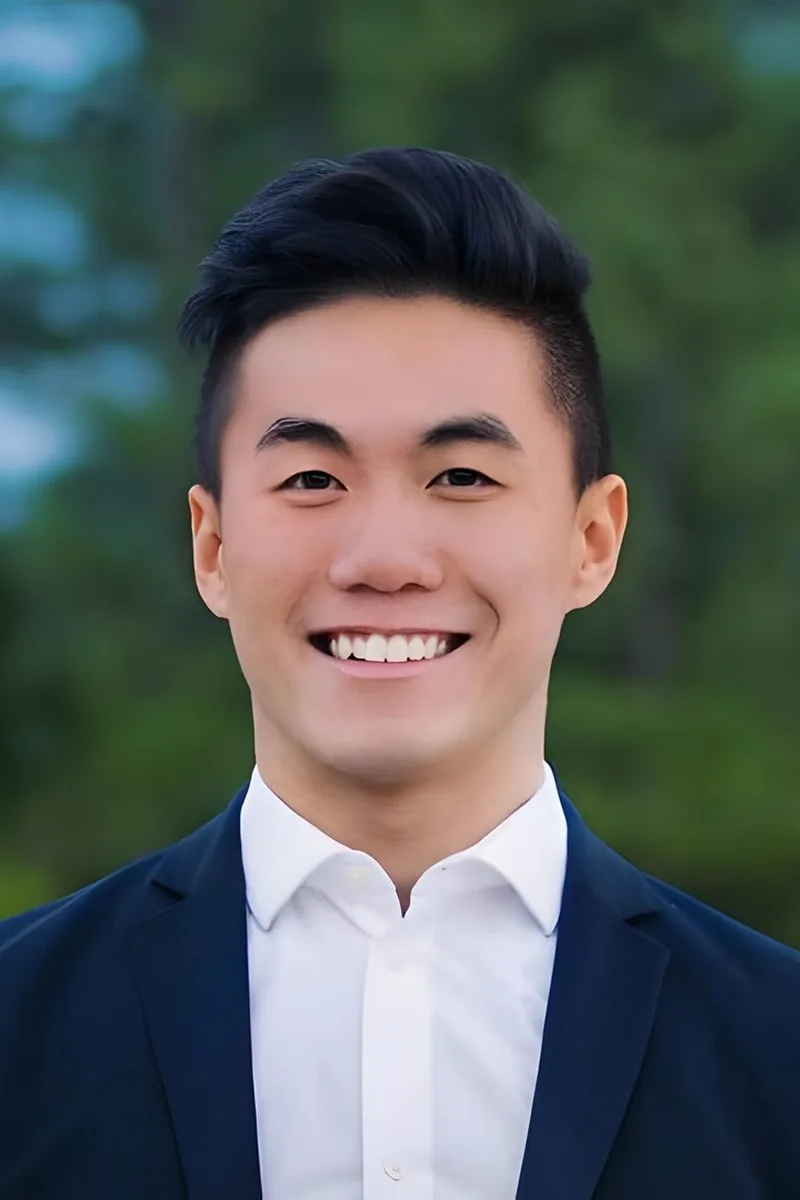
A mechanical engineering grad student who builds things, breaks things, and troubleshoots what went wrong — Aaron brings that same hands-on diagnostic process to science topics like forces, energy, properties of matter, and experimental design. His 1530 SAT confirms the analytical horsepower, and his 5.0 rating suggests he explains the reasoning behind results in a way that actually lands.
A neurobiology-focused biology degree from Northwestern means Nina didn't just take introductory science — she studied cellular mechanisms, genetics, and brain physiology in depth. She connects textbook concepts like mitosis or enzyme kinetics to real research contexts, which tends to make the material click faster than rote memorization. Rated 5.0 by students.
Reid treats science as a way of thinking rather than a collection of facts to memorize. He walks students through how to read data tables, design controlled experiments, and connect observations to underlying principles — the same analytical habits that show up across biology, chemistry, and earth science courses.
Engineering at Yale means Charles lives at the intersection of physics, chemistry, and applied math every day — analyzing forces in a truss, modeling heat transfer, or interpreting experimental data. He brings that hands-on perspective to general science tutoring, connecting abstract formulas to physical situations students can actually picture. Whether the topic is kinematics, energy conservation, or interpreting lab results, he makes the reasoning behind each step visible.
As a mechanical engineering student at Harvard, Christopher lives at the intersection of physics and chemistry daily — calculating forces, analyzing material properties, and modeling energy systems. That applied perspective makes him especially effective at showing students why scientific concepts matter beyond the textbook, turning abstract formulas into concrete, intuitive ideas.
A biochemistry degree from Rice and a current M.D. program at Baylor mean Michelle lives at the intersection of biology and chemistry every day. She unpacks concepts like cellular respiration, acid-base equilibria, and molecular genetics by tying them to how the body actually works — turning dense textbook material into something students can visualize and retain.
Running a tutoring program at a charter middle school meant Liz wasn't just teaching science content — she was figuring out how to make vocabulary-heavy units on cells, ecosystems, and states of matter land for students with dyslexia, ADHD, and other learning differences. Her special education master's gave her a toolkit of concrete strategies for breaking down dense nonfiction text and multi-step processes, which is where most science students actually get stuck. She holds a 4.7 rating across her subjects.
Sociology research at Harvard meant Solange spent years designing surveys, analyzing datasets, and defending conclusions in front of professors who demanded airtight reasoning — all of which is applied scientific method, even if the subject matter was social rather than physical. She's especially effective at teaching students to distinguish correlation from causation and to read charts and graphs with a critical eye, since those skills were daily requirements in her coursework. Her 34 ACT confirms she can handle the quantitative side of science just as comfortably as the conceptual.
A PhD in Computational Mathematics from the University of Chicago means Justin doesn't just know science — he understands the quantitative reasoning that ties physics, chemistry, and earth science together. He breaks down concepts like energy conservation, wave behavior, and data analysis by connecting them to real-world phenomena, from climate modeling to how lenses form images. Rated 5.0 by students.
Henry's Harvard thesis on John Dewey's philosophy of education was fundamentally about how people learn through inquiry and experimentation — the same cycle of questioning, testing, and revising that sits at the heart of the scientific method. He teaches science by grounding abstract concepts in that inquiry process, pushing students to ask why an experiment is designed a certain way before worrying about memorizing the outcome. His 1530 SAT confirms he can handle the quantitative and analytical reasoning science coursework demands.
Andrew holds a BS in Physics and a PhD in Biomedical Engineering, which means he's spent over a decade thinking scientifically — designing experiments, interpreting data, and connecting abstract principles to measurable outcomes. He unpacks concepts in mechanics, electricity, and biology-adjacent topics like biomechanics with the kind of depth that comes from genuine research experience. Students get explanations rooted in understanding, not just memorized definitions.
A philosophy grad student at UNM with a 34 ACT, Justin treats science the way he treats an argument in formal logic — isolating each claim, checking whether the evidence actually supports it, and identifying where the reasoning breaks down. That approach is especially useful when students need to evaluate hypotheses, interpret graphs, or explain why an experiment's results do or don't match a prediction. His 5.0 rating suggests the method lands.
Undergraduate research in Northwestern's John Rogers Lab and a biomedical engineering curriculum gave Ingrid hands-on experience with biology, chemistry, physics, and thermodynamics. She explains scientific concepts by connecting them to real applications — like how drug delivery systems depend on diffusion or why cells respond to mechanical forces — which makes abstract ideas stick.
Applied math and computer science at Johns Hopkins means Sabira spends her days quantifying patterns and testing models — the same core loop students encounter in science when they're asked to measure, predict, and explain. She's particularly strong on the computational side of science: reading data tables, graphing relationships, and working through the math embedded in physics or chemistry problems. Holds a 5.0 rating.
An MIT math degree and a PhD track in operations research at Georgia Tech mean Isabella has spent years inside labs and classrooms where the scientific method isn't a textbook concept — it's a daily practice of modeling real systems, testing assumptions, and interpreting results. She's especially strong on the quantitative backbone of science: reading data tables, understanding units, and translating observations into precise claims. Rated 5.0 by students.
A chemistry major headed to Columbia Medical School, James treats science tutoring as an exercise in building intuition — understanding why a reaction proceeds a certain way or how energy flows through a biological system, not just memorizing diagrams. He's especially sharp at bridging the gap between introductory courses and the more rigorous thinking that AP or IB-level science demands.
Having studied biology and chemistry alongside her political science degree at the University of Chicago, Asta can walk students through core science concepts — from cell structure to chemical reactions — with genuine content knowledge rather than just test-taking tricks. Her 35 ACT confirms she handled the Science section's rapid-fire data interpretation at a near-perfect level, and she brings that same ability to teach students how to read graphs, pull patterns from tables, and connect evidence to conclusions. Rated 5.0 by students.
As a curriculum developer building courses for middle and high schoolers, Elena knows exactly how to make dense material click — including the scientific vocabulary, classification systems, and cause-and-effect reasoning that science coursework demands. Her Religious Studies training at McGill involved rigorous textual analysis and structured argumentation, skills she now channels into teaching students how to read scientific texts carefully, interpret what an experiment actually shows, and explain their reasoning clearly.
Daniel's sociology degree means he spent years learning to design surveys, analyze demographic data, and apply the scientific method to real human behavior — skills that translate naturally when teaching students how to form hypotheses, control variables, and interpret results in a general science context. He's especially comfortable helping students who freeze up at graphs and data tables, since reading quantitative evidence was a daily requirement in his coursework. Holds a 5.0 rating.
Pre-health coursework at the University of Pennsylvania means Shayan has lived the full gauntlet — biology, biochemistry, physiology, pharmacology, and anatomy — and knows how to connect those disciplines into a coherent picture. He teaches science by grounding every concept in a concrete example, whether that's explaining cellular respiration through energy metabolism or walking through organ systems one function at a time.
Chemistry is Sung's home discipline, which means he teaches science the way a working scientist thinks about it: grounding every concept in evidence, units, and careful reasoning. Whether a student is balancing equations, interpreting lab data, or connecting molecular structure to physical properties, Sung ties abstract ideas back to observable, concrete examples.
A PhD program in Spanish and Iberian Studies might not scream 'science,' but Renee's doctoral training drilled the same core skills science coursework requires — forming a thesis from evidence, analyzing patterns in complex material, and defending conclusions under scrutiny. She's particularly useful for students who struggle with the literacy-heavy side of science: parsing dense textbook passages, interpreting diagrams, and writing clear lab reports that actually explain what happened and why.
Emily's undergraduate degree in Molecular, Cellular, and Developmental Biology and her MPH in Epidemiology give her deep fluency in both life sciences and the quantitative reasoning that underpins them. She unpacks topics like cell division, genetics, and experimental design by tying abstract concepts to real-world examples from public health research. Rated 5.0 by students.
Ben's science tutoring draws on his IB Chemistry background and the quantitative rigor of his Penn math training, which means he's especially effective when science gets mathematical — balancing equations, interpreting rate laws, or working through stoichiometry. He teaches students to translate word-heavy science problems into clean mathematical setups they can actually solve.
Comparative literature might seem worlds away from science, but Brittney's Princeton training in close reading and textual analysis translates surprisingly well to parsing dense lab instructions, extracting meaning from data tables, and interpreting the kind of evidence-based passages that show up across science coursework. She's strongest with students who can grasp the concepts but struggle to articulate their reasoning in writing — lab reports, short-answer explanations, and constructing arguments from observations. Rated 5.0 by students.
Doctoral work in clinical psychology at Duke means Shelley designs and analyzes research studies regularly — controlling variables, interpreting statistical output, and defending conclusions in front of faculty who pick apart every methodological choice. That daily practice with the scientific method gives her a practical fluency she brings to teaching concepts like experimental design, data analysis, and hypothesis testing. Her 5.0 rating suggests she makes that rigor accessible rather than intimidating.
A social sciences master's degree means Lauren spent years doing what science coursework actually asks of students — reading studies, questioning methodology, and pulling defensible conclusions from messy data. She's particularly good at walking through how to set up a controlled experiment and explain results in plain language, since her own graduate research required exactly that. Rated 5.0 by students.
While science isn't Keith's primary academic background, his analytical training in political science and law makes him effective at teaching students how to read data, interpret experiments, and reason through cause-and-effect relationships. He's particularly useful for students who struggle with the reading-heavy side of science — understanding what a question is really asking and pulling the right information from charts and passages.
Biomedical engineering trained Sam to move fluidly between biology, chemistry, and physics — the same integration students need when tackling science coursework. He unpacks concepts like cellular respiration or circuit analysis by tying them back to the underlying math, which turns abstract diagrams into something students can actually reason through.
Speech-language pathology graduate training at Columbia is surprisingly science-heavy — anatomy, neuroscience, research design — and Sherry brings that clinical lens to teaching students how biological systems work and how experiments should be structured. Her UChicago psychology and linguistics background also means she's comfortable with everything from statistical reasoning to breaking apart dense scientific terminology using morphological roots. Rated 5.0 by students.
Having earned a 1530 SAT — which leans heavily on interpreting data, reading graphs, and evaluating evidence-based claims — Matt brings sharp analytical skills to science material even though his degrees are in finance. He's particularly useful for the quantitative side of science: setting up calculations, converting units, and making sense of numerical relationships in lab work or textbook problems.
Holding a master's in cellular and molecular biology, Akarsh brings deep content knowledge across biology, chemistry, and physics — the three pillars most science courses draw from. He unpacks concepts like cellular respiration, stoichiometry, or Newton's laws by connecting them to observable, real-world phenomena that make the underlying logic click.
An economics degree means Simon spent years building and testing models — controlling for variables, interpreting data sets, and figuring out whether the numbers actually support a conclusion or just look like they do. That same process underpins every science class, from setting up a controlled experiment to reading a graph and explaining what it reveals. His 1540 SAT confirms the quantitative and analytical chops to back it up.
Tom's PhD in American Studies involved extensive research methodology — designing studies, evaluating sources for reliability, and building evidence-based arguments — which maps cleanly onto teaching students how to work through hypotheses, control variables, and interpret experimental outcomes. His Latin training also gives him an unusual edge when it comes to unpacking scientific terminology, since so many terms in biology and chemistry trace back to roots he already knows cold. Rated 4.9 by students.
Biology was Joseph's undergraduate focus at UCLA, and his public health master's at Yale keeps him immersed in how scientific concepts apply to real problems like disease transmission and environmental health. He unpacks topics like the scientific method, cell structure, and ecosystems by connecting them to questions students encounter outside the classroom.
Legal training is essentially argument construction from evidence — and Emily applies that same framework when teaching students to work through hypotheses, evaluate experimental outcomes, and explain what data actually supports versus what it doesn't. Her philosophy degree from Northwestern also built the formal logic skills that underpin scientific reasoning, from identifying control variables to spotting flawed conclusions in a lab report.
A medical student at Jefferson, Nishad has spent years immersed in biology, chemistry, and anatomy — the core disciplines that make up most K-12 and introductory college science coursework. He excels at translating abstract concepts like cellular respiration or chemical bonding into concrete, visual explanations that click on the first try. Students walk away understanding the "why" behind each process, which makes exam questions far more predictable.
Scoring in the 99th percentile on the MCAT required Josef to master science across disciplines — biology, chemistry, physics, and biochemistry — and he brings that integrated perspective to every session. Rather than treating each science topic as isolated, he connects ideas like energy transfer in physics to metabolic pathways in biology, showing students how the same principles reappear across fields.
A Yale biochemistry degree, NIH lab research, and medical school at Penn give Matthew an unusually deep bench to draw from when teaching science — whether the topic is cell biology, chemical reactions, or physics concepts like energy and motion. He connects textbook material to real experiments and clinical examples that make abstract ideas click.
Testimonials
Because the right Science tutor makes all the difference.
Average Session Rating – Based on 3.4M Learner Ratings
Practice Science
Free practice tests, flashcards, and AI tutoring for Science
Other Reno Tutors
Related Science Tutors in Reno
Frequently Asked Questions
In a classroom with an average student-teacher ratio of 18.9:1, it's challenging for teachers to address each student's specific learning gaps. Personalized 1-on-1 instruction allows tutors to focus on your exact struggles—whether that's understanding photosynthesis, mastering lab techniques, or building confidence with complex problem-solving—and adjust the pace to match your learning style. This targeted approach typically leads to faster concept mastery and stronger retention than whole-class instruction.
Many students struggle with abstract concepts like molecular structures, energy transfer, and chemical reactions because these topics require strong visualization skills. Others find the math components of physics intimidating, or they lack foundational knowledge in earlier topics, which creates a domino effect in advanced courses. Personalized tutoring addresses these root causes directly, breaking complex ideas into digestible pieces and filling knowledge gaps before they compound.
Your first session is an assessment and planning meeting. The tutor will evaluate your current understanding, identify specific areas where you're struggling, and learn about your learning preferences and goals. From there, they'll create a customized plan that aligns with your school's curriculum and focuses on building both foundational skills and confidence in science.
Varsity Tutors connects you with expert tutors who are familiar with Nevada science standards and the curricula used across Reno's school districts. They work with your specific textbooks, assignments, and learning objectives to ensure tutoring directly supports what you're learning in class. This alignment means you'll see immediate benefits in your homework, tests, and overall understanding.
Yes. Beyond theory and problem-solving, tutors can help you understand lab procedures, develop proper technique, and learn how to analyze experimental data. They can walk you through the scientific method, help you design experiments, and teach you how to draw valid conclusions from results. This hands-on support is especially valuable for students preparing for AP or honors science courses.
Varsity Tutors connects students with tutors for all science subjects and grade levels—from middle school earth science and biology through high school chemistry, physics, and advanced courses like AP Biology, AP Chemistry, and AP Physics. Whether you need help with foundational concepts or are tackling college-prep material, there's a tutor ready to support your specific needs.
Absolutely. Tutors can help you prepare for unit tests, standardized science assessments, AP exams, and college entrance exams like the SAT and ACT science sections. They'll review key concepts, teach test-taking strategies, provide practice problems with detailed explanations, and build your confidence so you can perform at your best on test day.
Varsity Tutors connects you with tutors who have strong backgrounds in science—many hold degrees in their subject area, have teaching experience, or bring professional expertise from science-related fields. All tutors are vetted to ensure they can explain complex concepts clearly and adapt their teaching to match your learning style and pace.
Let’s find your perfect tutor
Answer a few quick questions. We’ll recommend the right plan and match you with a top 5% tutor.