Award-Winning AP Chemistry Tutors
serving Las Vegas, NV
AP Chemistry
Tutors in Las Vegas
Private 1-on-1 tutoring, weekly live classes for academic support, test prep & enrichment, practice tests and diagnostics, and more to elevate grades and test scores.
Based on 3.4M Learner Ratings
UniversitiesSchools & Universities
DeliveredHours Delivered
ProficiencyGrowth in Proficiency
Who needs tutoring?
No obligation. Takes ~1 minute.
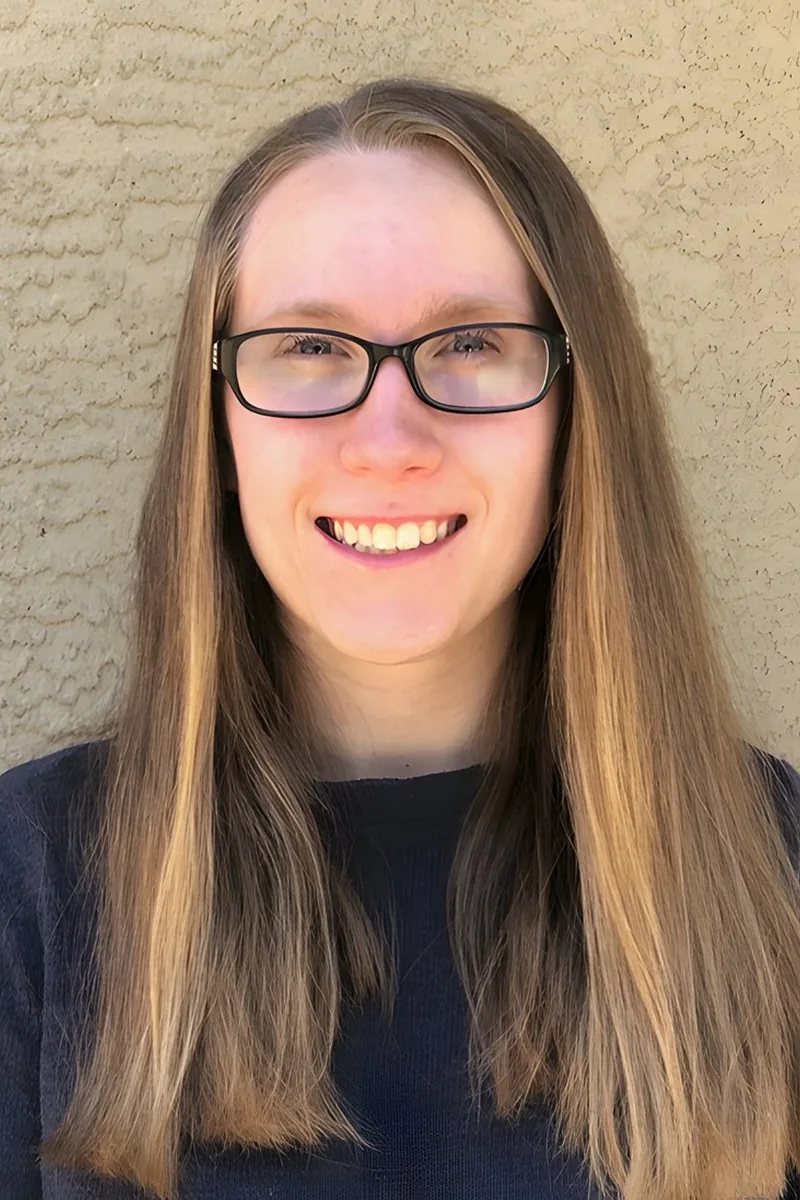
The jump from honors chemistry to AP Chemistry catches students off guard because suddenly they need to explain *why* — why equilibrium shifts, why certain reactions are spontaneous, why atomic structure dictates bonding behavior. Cassandra tackles these conceptual layers by tying each unit back to the underlying thermodynamic and kinetic principles, so students aren't just memorizing trends but understanding the logic that drives them. Her science degree and experience with analytical chemistry give her depth well beyond the AP curriculum.
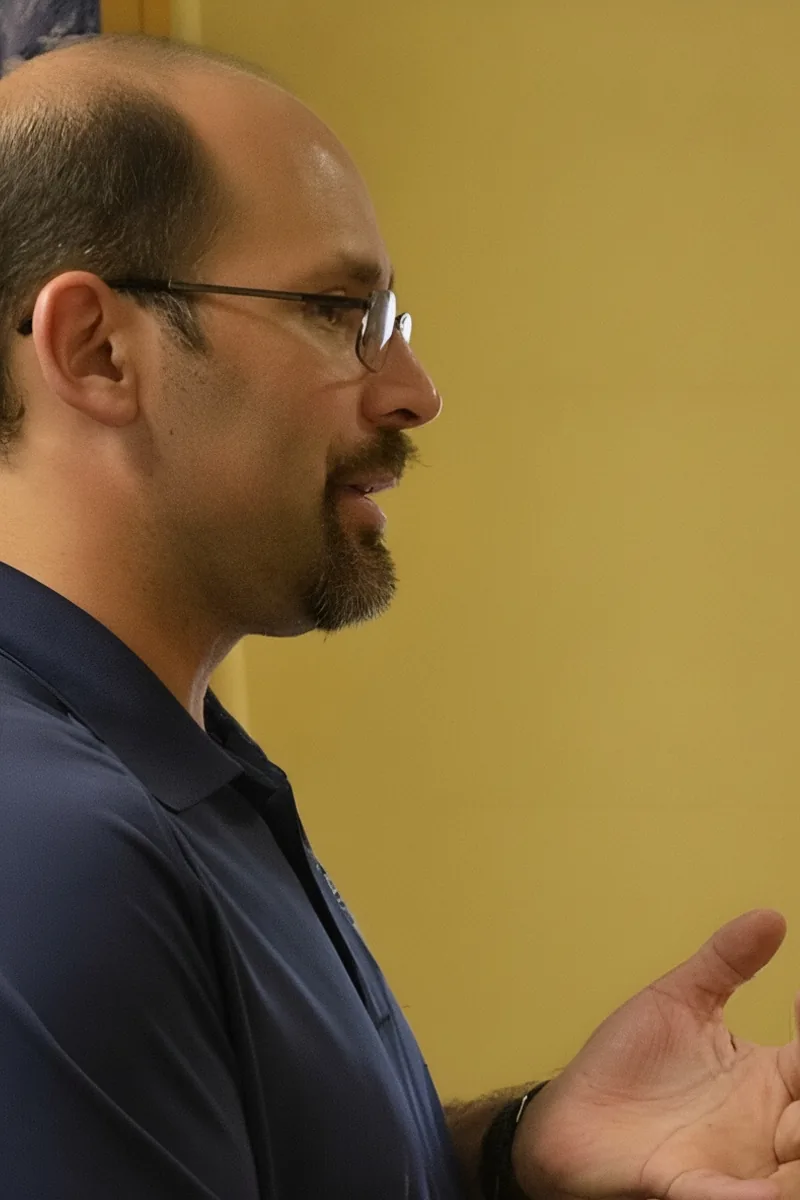
The AP Chemistry exam demands fluency with topics like electrochemistry, kinetics, and thermodynamic favorability — not just memorized formulas but the ability to explain why a reaction proceeds. Shawn earned his Master's in Chemistry, which means he can unpack the theory behind Le Chatelier shifts or galvanic cell potentials at whatever depth a student needs. His approach prioritizes the conceptual reasoning the free-response section rewards.
AP Chemistry's free-response questions demand more than knowing content — they require students to connect thermodynamics to equilibrium, or link atomic structure to periodic trends, all under time pressure. Nathaniel conducted doctoral research at Cornell that required deep command of chemical principles, and he brings that rigor to exam prep by drilling the multi-step reasoning the AP graders actually reward.
AP Chemistry's toughest sections — equilibrium, thermodynamics, electrochemistry — demand both conceptual understanding and fast quantitative reasoning. Brian brings strong analytical instincts from his Caltech science training, where rigorous problem-solving across disciplines was the norm. He breaks down multi-step free-response problems into the kind of logical chains that earn full credit on exam day.
As an Academic Fellow at Rice, Maddie tutors college-level chemistry and biochemistry, so she's deeply familiar with the rigor AP Chemistry demands — from equilibrium calculations to thermodynamics and electrochemistry. She tackles the toughest free-response questions by teaching students to connect conceptual reasoning with precise mathematical setups, the combination the exam rewards most.
AP Chemistry's free-response questions demand more than correct calculations — they want students to explain why a reaction proceeds, connect molecular structure to macroscopic behavior, and justify claims with particulate-level reasoning. Jake digs into those conceptual explanations alongside the quantitative work, so students aren't blindsided by the written portions of the exam.
Equilibrium calculations and thermodynamics tend to be the units where AP Chemistry separates students who understand the 'why' from those running on memorized procedures. Sharan digs into the conceptual logic behind Le Chatelier shifts and Gibbs free energy so that quantitative problems feel like extensions of ideas, not isolated formulas. Her premed science background at Cornell keeps her sharp on exactly the kind of rigorous problem-solving the AP exam rewards.
AP Chemistry's free-response questions demand more than knowing reactions — they require students to connect thermodynamic principles, equilibrium shifts, and kinetic data into coherent written arguments. Andrew's molecular biology background means he understands these concepts at the research level, and his 4.8 rating shows he communicates that understanding clearly.
I have over two years of tutoring and teaching experience at Case Western Reserve University. I served as a Supplemental Instructor for ENGR 145 (Chemistry of Materials), where I created worksheets, led review sessions, and helped students develop strong conceptual foundations. I later worked as a Teaching Assistant for ENGR 210 (Circuits and Instrumentation), grading assignments and assisting students with hands-on circuit building and lab work. As a Biomedical Engineering major on the pre-med track, I specialize in tutoring pre-health and engineering courses, including General and Physical Chemistry, Math, Biology, Physics, and Anatomy and Physiology. I also provide MCAT preparation in the B/B, C/P, and P/S sections. My teaching approach focuses on clear explanations, active problem-solving, and adapting to each student's learning style. I strive to make challenging material approachable while helping students build confidence and independent learning skills.
Studying cellular and molecular biology at Yale on the pre-med track, Shreya has gone deep into the chemistry that underpins life at the molecular level — making topics like intermolecular forces, Lewis structures, and VSEPR geometry feel less like abstract rules and more like tools for understanding how molecules actually behave. She teaches AP Chemistry's conceptual questions by grounding them in the molecular reasoning she uses daily in her own coursework. Rated 5.0 by students with a 36 ACT.
A biophysics major and premed student at Johns Hopkins, Czarina is currently deep in the college chemistry sequence that AP Chemistry is designed to preview — so she knows exactly which concepts, like molecular orbital theory and colligative properties, carry the most weight on the exam versus which ones fade into background noise. She earned a 770 on the SAT Chemistry Subject Test and teaches the subject by linking quantitative problem-solving to the physical intuition behind each reaction. Rated 5.0 by students.
I am a graduate from the University of Florida, University of Pennsylvania, and University of Illinois Urbana-Champaign. I have graduated with scholarship honors in Chemical Engineering with a Bachelor of Sciences from University of Florida, Masters of Computer and Information Technology from UPenn, and a degree in Master of Business Administration from University of Illinois Urbana-Champaign. I have been a private tutor and also a Teaching Assistant for my four years of study at the University of Florida. I teach various subjects ranging from math and the sciences to test prep such as the ACT. My favorite subject to teach is Chemistry because of my overall background in the field. I enjoy working with students of all ages from grade school to college. It makes me really happy when a student is finally able to comprehend a subject they found difficult before. I am very patient with my students and I will do everything in my power to give them the best education possible.
Cornell's engineering curriculum put Ravnoor through rigorous college-level chemistry, and his computer science training sharpened the algorithmic thinking that pays off when students need to systematically work through multi-step problems like limiting reagent calculations or electrochemical cell setups. He teaches AP Chemistry's quantitative sections by treating each problem like a debugging exercise — isolating variables, checking units at every step, and building toward answers methodically rather than jumping to formulas. Rated 5.0 by students.
Equilibrium, thermodynamics, and reaction kinetics aren't abstract concepts for Kristen — they were daily tools in her chemical-biological engineering coursework. She teaches AP Chemistry by connecting each unit back to underlying principles, so students can reason through unfamiliar free-response questions instead of relying on memorized shortcuts. Rated 4.9 by students.
AP Chemistry's toughest questions — equilibrium calculations, electrochemistry, thermodynamic spontaneity — demand both math fluency and chemical intuition. Rithi's neuroscience and biotechnology training means she's applied these principles in real research contexts, not just on paper. Her 4.9 rating speaks to how clearly she breaks down even the most abstract reaction dynamics.
Testimonials
Because the right AP Chemistry tutor makes all the difference.
Average Session Rating – Based on 3.4M Learner Ratings
Practice AP Chemistry
Free practice tests, flashcards, and AI tutoring for AP Chemistry
Other Las Vegas Tutors
Related Science Tutors in Las Vegas
Frequently Asked Questions
Score improvement depends on your starting point and commitment level, but students typically see gains of 1-2 points on the AP scale (out of 5) with consistent, focused preparation. The AP Chemistry exam is challenging—the national average score hovers around 2.5—so working with a tutor to master equilibrium, thermodynamics, and reaction mechanisms can make a meaningful difference. Your tutor will identify weak areas through practice tests and targeted review to maximize your score potential.
Students in Las Vegas and beyond often struggle most with equilibrium calculations, thermodynamics (especially entropy and free energy), and kinetics—topics that require both conceptual understanding and problem-solving skills. Acid-base chemistry and electrochemistry also trip up many students because they involve layered concepts and multi-step calculations. A tutor can break these topics into manageable pieces, use real-world examples, and provide plenty of practice to build confidence.
The AP Chemistry exam has two sections: a 90-minute multiple-choice section (60 questions) and a 105-minute free-response section (3 long questions and 4 short questions). Success requires both quick recall and deep problem-solving ability. Your tutor will help you develop time-management strategies, practice the specific question formats, and build the conceptual foundation you need to tackle unfamiliar problems on test day.
Most students benefit from taking 4-6 full-length practice tests spaced throughout their preparation, starting 2-3 months before the exam. This gives you enough data to identify weak areas without burning out. Between full tests, your tutor can assign targeted practice on specific topics and question types. The goal is to use practice tests diagnostically—reviewing every mistake carefully—rather than just taking them for a score.
Ideally, students begin tutoring early in the AP Chemistry course (September or October) to build a strong foundation and avoid cramming. However, if you're starting later—even in March or April—targeted tutoring can still help you focus on high-yield topics and test-taking strategies. The earlier you start, the more time you have to master difficult concepts like equilibrium and thermodynamics, but consistent effort in the final weeks can also yield real improvements.
Look for tutors with strong chemistry backgrounds—ideally a degree in chemistry or a related field, and experience teaching or tutoring AP-level content. They should be familiar with the current AP Chemistry curriculum, understand common student misconceptions, and have a track record of helping students improve their scores. Varsity Tutors connects you with expert tutors in Las Vegas who can demonstrate their expertise and teaching approach during an initial session.
Your first session is about building a roadmap. Your tutor will assess your current understanding, discuss your goals and timeline, and identify which topics need the most work. You might take a diagnostic quiz or review recent exams to pinpoint weak areas. From there, your tutor will create a personalized study plan that focuses on your priorities—whether that's mastering a specific unit or building test-taking confidence.
Test anxiety often stems from feeling unprepared or uncertain about question formats. A tutor builds confidence by helping you master the material, practice under timed conditions, and develop strategies for managing stress on exam day. Regular practice tests with your tutor simulate the real exam environment, so test day feels familiar rather than frightening. You'll also learn to recognize your strongest topics and leverage them when you encounter harder questions.
Let’s find your perfect tutor
Answer a few quick questions. We’ll recommend the right plan and match you with a top 5% tutor.