Award-Winning Python Tutors
serving St. Paul, MN
Python
Tutors in St. Paul
Private 1-on-1 tutoring, weekly live classes for academic support, test prep & enrichment, practice tests and diagnostics, and more to elevate grades and test scores.
Based on 3.4M Learner Ratings
UniversitiesSchools & Universities
DeliveredHours Delivered
ProficiencyGrowth in Proficiency
Who needs tutoring?
No obligation. Takes ~1 minute.
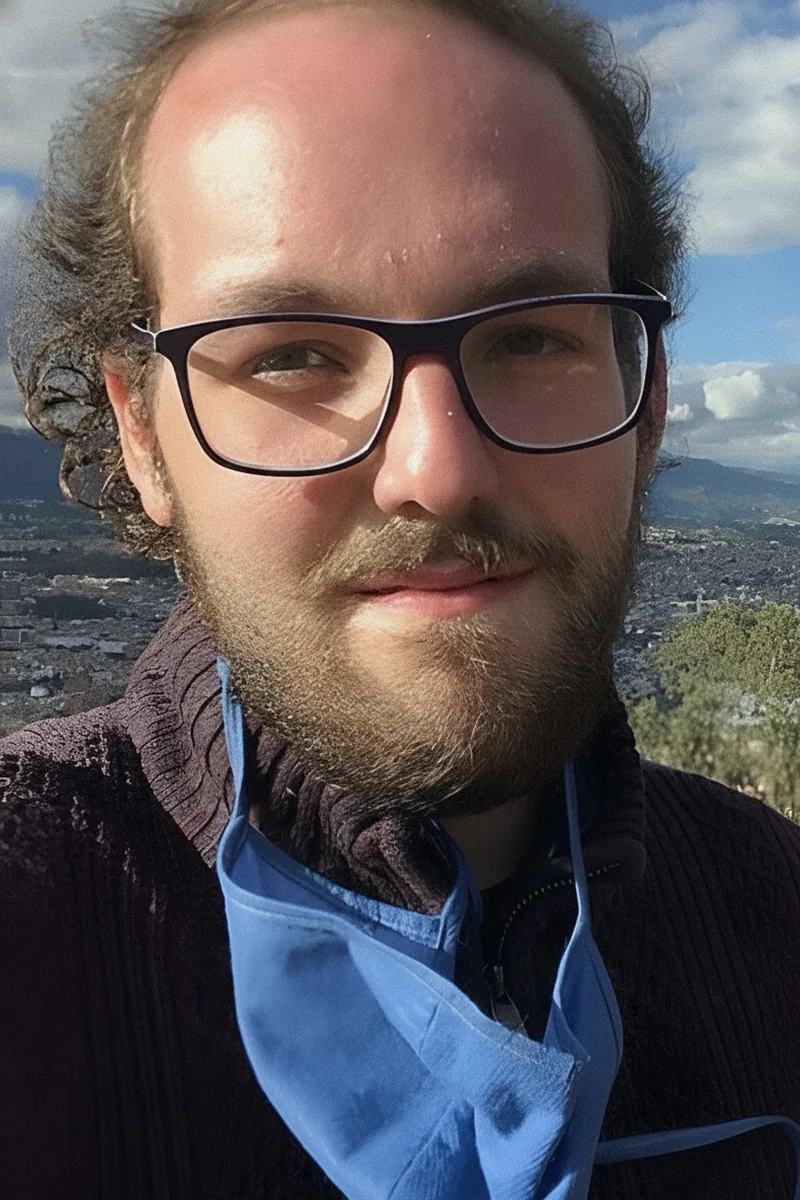
Python's readability makes it a great first language, but students still stumble on concepts like list comprehensions, object-oriented design, and debugging recursive functions. Nicholas brings real programming experience from his computer science degree and teaches Python with an emphasis on writing clean, logical code rather than just code that runs. He connects each concept to the underlying reasoning so students can solve new problems independently.
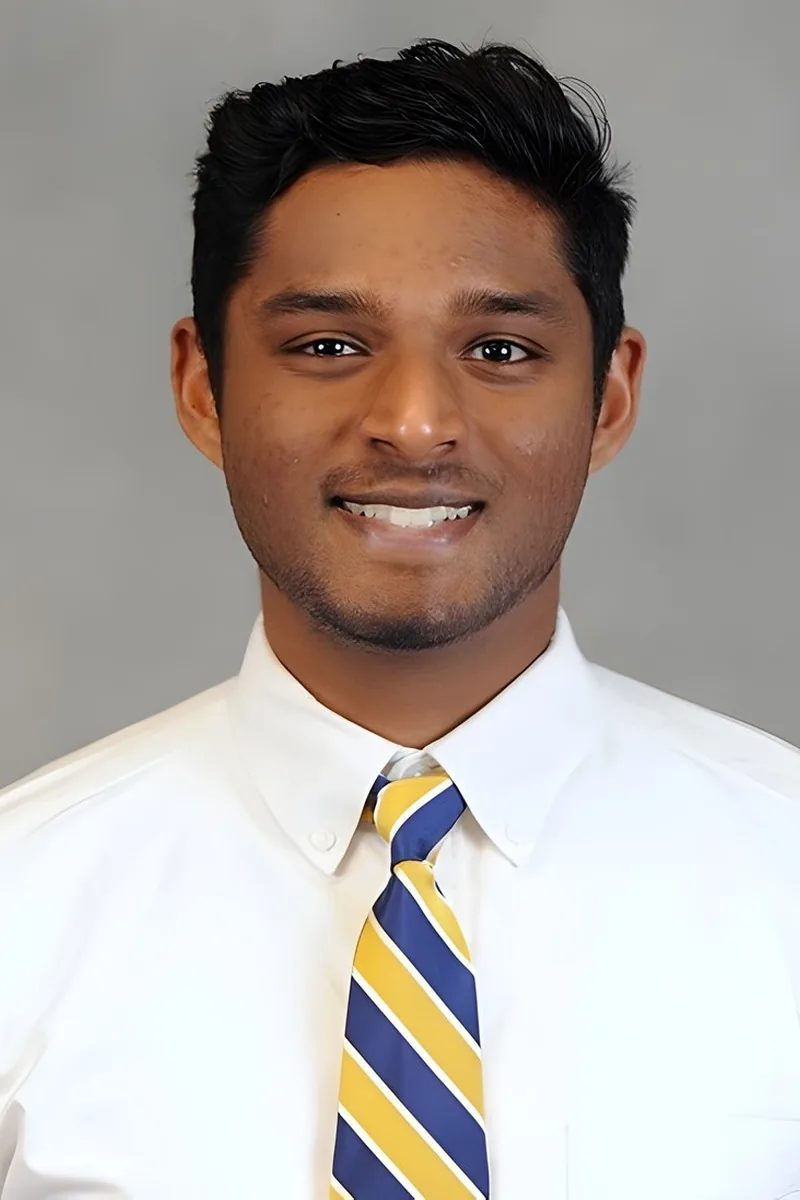
Learning Python is less about memorizing syntax and more about thinking through problems step by step — how to structure a loop, when to use a dictionary versus a list, why your function returns None instead of a value. Harry uses Python in his economics and math coursework for data analysis and modeling, so he teaches it with practical applications rather than abstract exercises. He walks through debugging methodically, turning error messages into learning moments.
Python's readable syntax makes it easy to start but deceptively tricky to master — list comprehensions, recursion, and class inheritance all demand a shift in how students think about structuring code. Ethan uses Python across both his aerospace and computer science coursework, from numerical simulations to data analysis scripts, and teaches it by building small working programs that make abstract concepts concrete.
Python's readability makes it a great first language, but students still stumble on list comprehensions, scope rules, and debugging recursive functions. David's CS degree and daily fluency with Python mean he can pinpoint exactly where a script breaks and explain the underlying logic so the fix actually makes sense. He treats each coding session as a chance to build real problem-solving instincts.
Learning Python alongside a mathematics education degree means Michelle sees code as a tool for solving problems, not just syntax to memorize. She digs into core concepts like functions, data structures, and control flow by building small projects that make abstract logic tangible.
Between physics coursework and her trajectory toward biomedical engineering, Jane picked up Python the same way most lab-bound scientists do — writing code to crunch data, model physical systems, and automate the tedious parts of analysis. She also codes in C++ and MATLAB, which means she can explain Python's quirks (dynamic typing, whitespace sensitivity, list comprehensions) by contrasting them with languages students might already know or encounter next. Rated 4.9 by students.
Python's readability makes it a great first language, but students still get tripped up by list comprehensions, scope rules, and the difference between mutable and immutable objects. Broden teaches these concepts by having students write and modify short scripts — building a web scraper or a simple game — so each idea has an immediate, visible payoff rather than staying abstract.
Most Python tutors learned the language inside a CS curriculum, but Logan picked it up through data science — writing scripts to wrangle messy datasets, build visualizations, and train machine learning models. That means he teaches core concepts like loops, functions, and libraries with a clear purpose behind every line of code. His 34 ACT and experience tutoring younger students through their own Python coursework keep his explanations sharp and accessible.
Python's readability makes it a great first language, but students still get tripped up by list comprehensions, scope, and object-oriented design. Cory teaches Python by connecting its syntax to the underlying logic, so writing a class or debugging a dictionary operation starts to feel intuitive rather than mysterious.
Python's readability makes it the go-to first language, but that simplicity hides real depth — list comprehensions, generators, decorators, and object-oriented design all trip up students who learned syntax without learning structure. Brandon uses Python daily in his AI and machine learning research at RIT and breaks down these intermediate concepts by building small, working projects rather than abstract exercises.
Python's readability makes it a great first language, but students still stumble on list comprehensions, recursion, and knowing when to use dictionaries versus lists. Kiran uses Python across both his physics simulations and his CS coursework at Stony Brook, so he can teach it from the basics of control flow all the way through libraries like NumPy and Pandas for data analysis.
Python's readability makes it a great first language, but it also powers serious work in machine learning, data analysis, and scripting — and Kevin has used it across all three at Stanford. Whether a student is debugging their first for-loop or building a neural network with NumPy and PyTorch, he explains not just the how but the why behind Pythonic design patterns and library choices.
From list comprehensions to recursive algorithms to working with libraries like NumPy, Python covers a huge range depending on whether a student is learning to code for the first time or building data-driven projects. Anmolpreet teaches both — her math and CS dual degree at Yale gives her the depth to explain not just syntax but the logic underneath it.
From writing first scripts with loops and conditionals to building out classes and working with libraries like pandas or matplotlib, Elyse tailors Python sessions to wherever a student's project or coursework demands. Her Stanford CS training means she doesn't just teach syntax — she instills habits like clean code structure and meaningful variable naming that prevent headaches later.
Prakash picked up Python as a practical tool during his electrical engineering work — automating calculations, processing data sets, and scripting simulations. That industry context means he teaches loops, functions, and libraries like NumPy not as abstract exercises but as tools for solving real problems, which tends to make syntax and logic click faster for students.
I'm trying to work on personal projects. I really enjoy snowboarding, and have been doing that since the third grade. I also enjoy playing sports and video games.
Tim writes Python daily as part of his Computational Neuroscience work at MIT, building scripts for data analysis and simulation rather than just textbook exercises. That real-world coding context means he can walk students through everything from basic syntax and control flow to libraries like NumPy and Matplotlib, connecting each concept to problems that actually do something interesting.
Python's readability makes it a great first language, but students still get tripped up by list comprehensions, scope rules, and debugging logic errors they can't see. Joshua's application-oriented programming background means he teaches Python the way developers actually use it — writing clean, functional code and learning to read error messages like a roadmap.
A computer science bachelor's and ongoing PhD work at Columbia and Chicago mean David writes code to answer research questions — scraping datasets, running statistical models, and automating the kind of tedious data processing that social science demands. That research-driven workflow translates directly into teaching Python, because he can show students how core concepts like loops, dictionaries, and file I/O come together in scripts that actually produce answers. Rated 4.9 by students.
Sarah's statistics minor at Penn involved writing Python scripts for data analysis — cleaning datasets, building visualizations, and automating repetitive calculations. She teaches Python fundamentals like loops, functions, and data structures by connecting each concept to a concrete mini-project, so students see their code do something useful right away.
Python's beginner-friendly syntax can mask some tricky concepts — list comprehensions, mutable vs. immutable types, or debugging recursive functions. Michelle teaches Python with an emphasis on writing clean, readable code and understanding what's actually happening in memory, not just getting output that looks right. She's a Duke CS graduate now pursuing her PhD at Michigan.
Testimonials
Because the right Python tutor makes all the difference.
Average Session Rating – Based on 3.4M Learner Ratings
Nearby Python Tutors
Other St. Paul Tutors
Related Technology and Coding Tutors in St. Paul
Frequently Asked Questions
Varsity Tutors matches St. Paul students with expert Python tutors for 1-on-1 instruction. We pair each student with a tutor based on their specific needs, learning style, and goals.
Whether you need homework help, exam prep, or want to get ahead, our Python tutors are ready to help.
Common challenges include gaps from earlier material, difficulty with specific concepts, and trouble applying learning to new problems. These issues can snowball quickly in Python.
A tutor identifies where you're stuck, fills in gaps, and provides targeted practice. The 1-on-1 format means you get help exactly where you need it.
Tutors work with your student's actual coursework—homework assignments, class notes, and upcoming tests. This keeps tutoring directly relevant to what's happening in the classroom.
When you share information about your student's school and curriculum, we can match you with a tutor who has relevant experience.
All tutors complete background checks, credential verification, and teaching evaluation. Many of our Python tutors hold advanced degrees or have years of teaching experience.
You can review tutor profiles to find someone with the right background for your student's level and needs.
Many students see improved grades within a few weeks, along with better understanding of Python concepts and more confidence tackling challenging material.
Tutors track progress and adjust their approach to ensure continued improvement.
Most students benefit from 1-2 sessions per week. More frequent sessions help if your student is significantly behind or has an important exam coming up.
Your tutor can recommend a schedule based on your student's specific situation and goals.
Tutoring is purchased in packages of hours, with rates varying by tutor experience. Varsity Tutors offers several options to fit different budgets and needs.
You can discuss pricing during your consultation to find what works best.
Your tutor will assess where your student is, discuss goals, and start working on priority areas. Most students bring current homework or upcoming test material to focus on.
By the end, you'll have a clear sense of how the tutor can help and a plan for moving forward.
Let’s find your perfect tutor
Answer a few quick questions. We’ll recommend the right plan and match you with a top 5% tutor.