Award-Winning Physiology Tutors
serving Trenton, NJ
Physiology
Tutors in Trenton
Private 1-on-1 tutoring, weekly live classes for academic support, test prep & enrichment, practice tests and diagnostics, and more to elevate grades and test scores.
Based on 3.4M Learner Ratings
UniversitiesSchools & Universities
DeliveredHours Delivered
ProficiencyGrowth in Proficiency
Who needs tutoring?
No obligation. Takes ~1 minute.
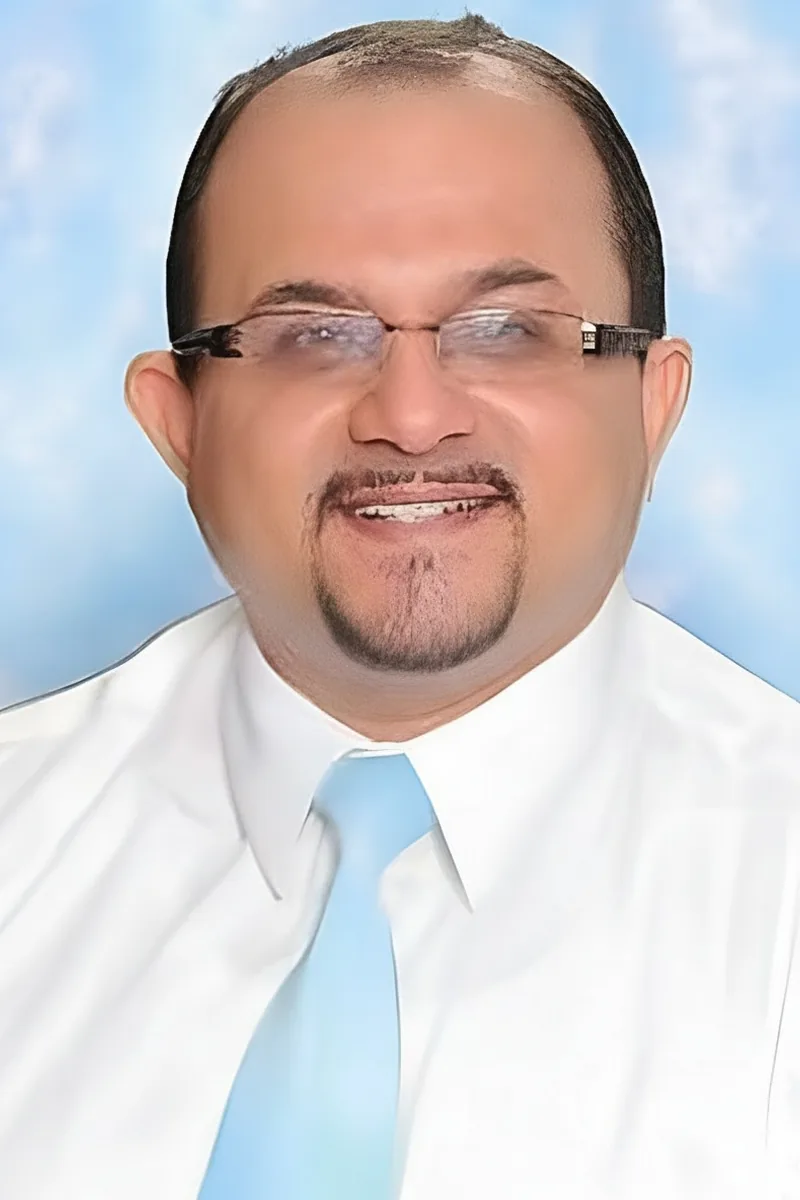
Teaching physiology well means connecting the molecular details — ion channels, hormone cascades, oxygen-hemoglobin dissociation — to how whole organ systems actually behave. Emad has taught physiology as an adjunct professor and brings a clinician's perspective from two medical degrees, making concepts like cardiac output regulation or renal filtration tangible rather than theoretical.
Understanding physiology means tracing cause and effect through interconnected organ systems — why a drop in blood pressure triggers a specific renal response, or how ion channels drive an action potential. Jeff's molecular biology background gives him a ground-up perspective on these mechanisms, connecting molecular events to whole-body function. Rated 5.0 by students.
Studying physiology in an MD program means Sagar doesn't just know how organ systems work — he knows how they fail, which turns out to be the fastest way to understand normal function. He unpacks topics like cardiac output regulation, renal filtration, and neuromuscular signaling by linking each mechanism to clinical examples that make the logic memorable.
Sam's master's in biomedical science means she studied physiology at the graduate level — not just memorizing what happens during gas exchange or renal filtration, but digging into why compensatory mechanisms kick in when homeostasis breaks down. Her dual undergraduate background in biological sciences and history of science gives her a knack for explaining how physiological concepts were actually discovered, which makes dense topics like autonomic regulation or acid-base balance click in a way that pure textbook summaries often don't.
I am currently working towards a doctorate in medicine from New Jersey Medical School. Throughout high school, college, and graduate school, I have tutored students ranging in age from elementary school to college freshmen in a variety of subjects particularly math and science. My favorite subject to tutor is math because it is very methodical and visual. Having a passion to help others, I am drawn to tutoring for the opportunity to share my knowledge with others. My family and friends have described me as being patient, compassionate, and personableall of the qualities that I believe I bring to my students. Outside of tutoring, I like Notre Dame football, dogs (especially my family's German Shepherd!), yoga, cooking, and reading.
Studying osteopathic medicine means understanding the body as an integrated system, and that perspective shapes how Jasen teaches physiology. He digs into mechanisms like cardiac output regulation, renal filtration, and neuromuscular signaling by tracing cause-and-effect chains rather than asking students to memorize isolated facts.
Rachel's biology degree gives her a strong grasp of the underlying mechanisms that drive physiology — she's particularly effective at breaking down how hormonal signaling cascades regulate everything from blood pressure to metabolism. When students get lost in the complexity of, say, the autonomic nervous system's effect on heart rate, she maps out each step so the logic becomes visible instead of overwhelming.
Pre-med coursework at Rutgers gave Sam a thorough grounding in how the body's systems interact — and graduating summa cum laude with a 4.0 suggests he didn't just survive those courses but genuinely mastered the material. He's especially useful for students who need to connect the dots between what they learned in anatomy and the functional "why" behind it, whether that's tracing how negative feedback maintains thyroid hormone levels or understanding why ventilation-perfusion matching matters in the lungs.
Studying biomedical engineering at Rutgers means Mahir lives inside physiology — cardiac output equations, renal filtration mechanics, and neural signal propagation are part of his daily coursework. He unpacks organ-system interactions by tying each mechanism back to the underlying physics and chemistry, which makes complex feedback loops like the renin-angiotensin system or oxygen-hemoglobin dissociation curves far easier to internalize.
Psychology and biology don't often share a major, but Ahmed studied both — which turns out to be a useful combination when physiology questions land in the overlap, like how the hypothalamic-pituitary-adrenal axis translates psychological stress into cortisol release or how neurotransmitter dynamics shape autonomic responses. That behavioral-science lens gives him a different entry point into topics like endocrine regulation and nervous system function, where understanding the 'why' behind a physiological response matters as much as memorizing the pathway.
Hannah's biology degree means she studied physiology alongside the chemistry and microbiology that underpin it — so when she teaches a topic like gas exchange or renal filtration, she can pull in the relevant biochemistry without skipping a beat. That cross-subject fluency is especially handy when students need to understand not just what a system does but what's driving it at the cellular and molecular level.
I am a person dedicated to lifelong learning and teaching. I enjoy the complexities of school work and the opportunity to make complex concepts easy and understandable. As a medical student, I value discipline and hard work but I also believe that enjoying what you study makes a big difference in the outcome.
I'm a Mechanical Engineering PhD Candidate at Lehigh University. I enjoy lifting, basketball, soccer, investing, technology, and soon hope to travel. I graduated from Bucknell University with a BS in Biomedical Engineering in May, along with a Math Minor.
I'm speaking a foreign language to them. I get a personal sense of satisfaction when someone stops and goes, "oh, I've never thought of it that way before - now it all makes sense." In addition, often times I feel the education system here is misunderstood and students spend too much time memorizing "steps" to a subject rather than learning it, and inevitably end up failing when they are required to utilize the knowledge in future, more advanced work. In my experience, proper explanations toward understand subjects builds a much more lasting impression and life-long knowledge than short-term exam preparation could ever achieve.
I'm currently a senior at New York University. I originally started college as a pre-medical student, but then switched to a Psychology major, with a Biology and Chemistry double minor after I decided Medical school just wasn't for me. My plan for he future is still undecided, however I'm leaning towards pursuing a higher degree in Genetics. I loved school when I was growing up, and science and math classes were my favorite subjects because they made the most sense to me, but I understand that they can become very challenging very fast.
I am eager to share this with the students of Varsity Tutors. I with students from K-12 in the US, university students in China, mentally disabled adults in Harlem, and villagers in Mozambique. My favorite subject is biology and I also particularly enjoy writing, but I am happy to work on a variety of subjects with students.
I am always excited to help others and would like to teach students to improve with their academic skills, help with home work, instant assistance and ace the college board tests, SAT I and SAT subject and AP Tests. I spent much time examining during my high school and would like to share my knowledge, experience, test tips, strategies and test time management skills.
I'm currently a third-year dental student pursuing a DMD degree at Rutgers School of Dental Medicine.
Helen earned a master's in pharmacology from Tulane, which means she didn't just study physiology — she studied what happens when you manipulate it. From cardiac output equations to renal filtration mechanics, she teaches organ systems by connecting structure to function to clinical relevance.
Understanding physiology means tracing cause and effect across organ systems — why a drop in blood pressure triggers a specific hormonal cascade, or how the nephron maintains electrolyte balance. Amanda's dual background in biology and anthropology gives her a unique lens for connecting physiological mechanisms to the bigger picture of how human bodies adapted over time. Rated 4.9 by students, she breaks down feedback loops and homeostatic processes into logic chains that actually stick.
Completing premed coursework at NYU while earning a finance degree gave Hanna an unusual double fluency — she thinks about the body's regulatory systems with the same rigor she'd apply to financial models, tracing inputs, outputs, and feedback the way she'd track capital flows. That analytical habit pays off in physiology topics like hormonal feedback loops, cardiac cycle timing, and renal clearance, where students who can follow the logic outperform those who just memorize the steps. Her subsequent classroom teaching experience also means she's practiced at breaking a dense process into smaller, sequenced pieces that actually stick.
Benjamin's pre-med coursework at Duke covered organ-system physiology in depth, from cardiac output and renal filtration to respiratory gas exchange. He unpacks each system by tracing the path a single molecule takes through the body, which turns dense content into a logical sequence rather than a wall of terminology.
Studying therapies for Alzheimer's and Parkinson's disease as a research scientist, Anthony encounters organ-system physiology daily — from neuronal signaling cascades to cardiovascular regulation. He teaches concepts like action potentials, renal filtration, and endocrine feedback loops by connecting textbook diagrams to what actually happens in a working lab.
Studying physiology means understanding how organ systems actually function — why the nephron filters blood the way it does, how action potentials propagate along neurons, what drives gas exchange in the alveoli. Pooja's biology degree from UC Irvine included extensive coursework in human physiology, and she connects each mechanism to the bigger picture of homeostasis. She walks through complex pathways step by step, making dense material manageable.
Currently pursuing a graduate degree in physiology while holding an MBBS, Muhammad teaches this subject from both the research side and the clinical side. Whether students are wrestling with renal countercurrent mechanisms or cardiac action potentials, he unpacks the underlying logic so each system feels connected rather than isolated. His 5.0 rating speaks to how well that approach lands.
Understanding physiology means seeing the body as an integrated system — how cardiac output affects renal filtration, or why a drop in blood pH triggers a respiratory response. Thomas earned his MD and MPH, which means he teaches organ-system physiology with the clinical context that makes abstract mechanisms click. His 5.0 rating speaks to how well that approach lands with students.
Preparing for PA school means Jennifer lives and breathes physiology — cardiac output equations, nephron function, the mechanics of gas exchange across alveolar membranes. She teaches organ system physiology by connecting structure to function at every level, so students can reason through unfamiliar scenarios instead of relying on rote recall.
Studying genetics and cell biology at the University of Minnesota means Brian lives in the details of how cells, tissues, and organ systems actually function — from action potentials and cardiac output to renal filtration and gas exchange. He teaches physiology by walking through the mechanism step by step, then tying it back to clinical or research scenarios from his lab work so each concept sticks.
Understanding physiology means tracing cause and effect across organ systems — how a drop in blood pressure triggers the renin-angiotensin-aldosterone pathway, or why disrupting one ion channel can cascade through cardiac function. Nicholas's biology training gives him a systems-level perspective, and he teaches students to map these feedback loops rather than memorize isolated facts about each organ.
Understanding physiology means tracing cause and effect across organ systems — why a drop in blood pressure triggers the renin-angiotensin pathway, or how an action potential propagates along a myelinated axon. Jhonatan's neuroscience specialization gives him deep fluency in these mechanisms, particularly neurophysiology and cardiovascular regulation. Rated 5.0 by students, he breaks down feedback loops and membrane dynamics until they genuinely click.
Testimonials
Because the right Physiology tutor makes all the difference.
Average Session Rating – Based on 3.4M Learner Ratings
Nearby Physiology Tutors
Other Trenton Tutors
Related Science Tutors in Trenton
Frequently Asked Questions
Varsity Tutors matches Trenton students with expert Physiology tutors for 1-on-1 instruction. We pair each student with a tutor based on their specific needs, learning style, and goals.
Whether you need homework help, exam prep, or want to get ahead, our Physiology tutors are ready to help.
Common challenges include gaps from earlier material, difficulty with specific concepts, and trouble applying learning to new problems. These issues can snowball quickly in Physiology.
A tutor identifies where you're stuck, fills in gaps, and provides targeted practice. The 1-on-1 format means you get help exactly where you need it.
Tutors work with your student's actual coursework—homework assignments, class notes, and upcoming tests. This keeps tutoring directly relevant to what's happening in the classroom.
When you share information about your student's school and curriculum, we can match you with a tutor who has relevant experience.
All tutors complete background checks, credential verification, and teaching evaluation. Many of our Physiology tutors hold advanced degrees or have years of teaching experience.
You can review tutor profiles to find someone with the right background for your student's level and needs.
Many students see improved grades within a few weeks, along with better understanding of Physiology concepts and more confidence tackling challenging material.
Tutors track progress and adjust their approach to ensure continued improvement.
Most students benefit from 1-2 sessions per week. More frequent sessions help if your student is significantly behind or has an important exam coming up.
Your tutor can recommend a schedule based on your student's specific situation and goals.
Tutoring is purchased in packages of hours, with rates varying by tutor experience. Varsity Tutors offers several options to fit different budgets and needs.
You can discuss pricing during your consultation to find what works best.
Your tutor will assess where your student is, discuss goals, and start working on priority areas. Most students bring current homework or upcoming test material to focus on.
By the end, you'll have a clear sense of how the tutor can help and a plan for moving forward.
Let’s find your perfect tutor
Answer a few quick questions. We’ll recommend the right plan and match you with a top 5% tutor.