Award-Winning AP Biology Tutors
serving Trenton, NJ
AP Biology
Tutors in Trenton
Private 1-on-1 tutoring, weekly live classes for academic support, test prep & enrichment, practice tests and diagnostics, and more to elevate grades and test scores.
Based on 3.4M Learner Ratings
UniversitiesSchools & Universities
DeliveredHours Delivered
ProficiencyGrowth in Proficiency
Who needs tutoring?
No obligation. Takes ~1 minute.
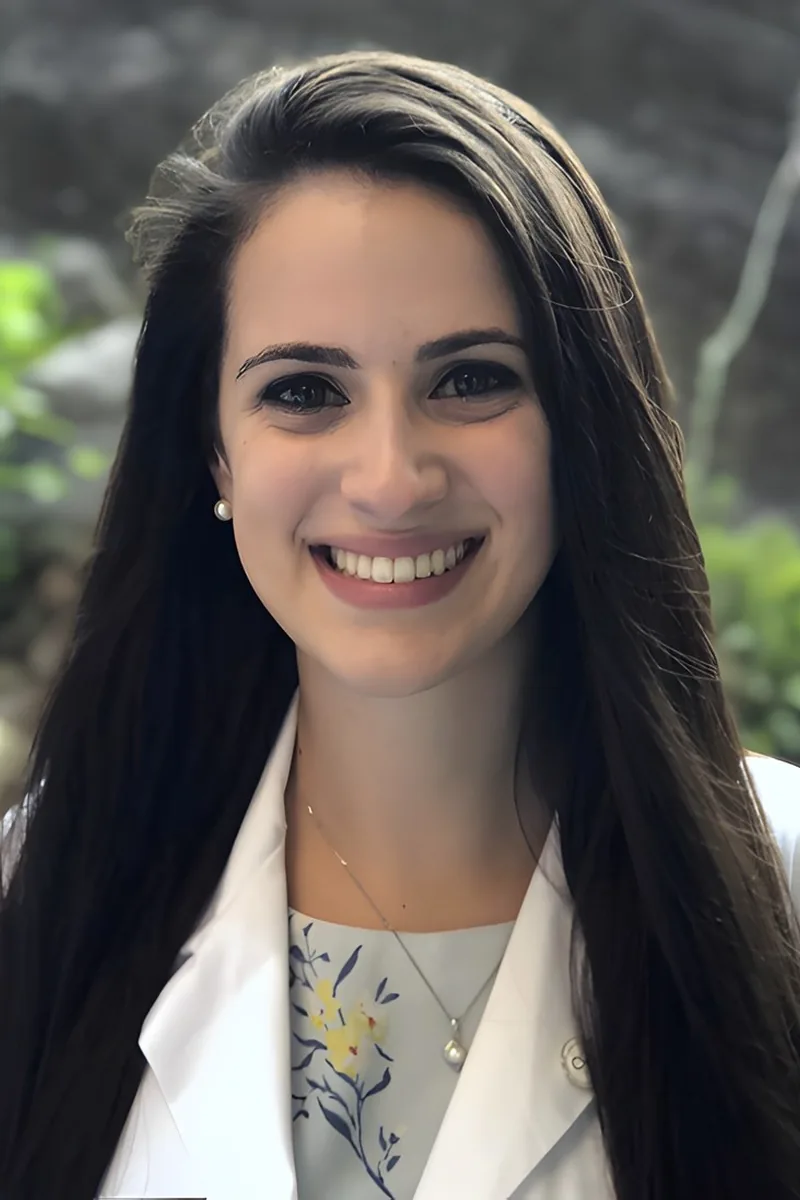
Sharon's Cornell Human Biology degree and medical school training mean she's traced every major AP Bio pathway — from gene expression to hormonal regulation — at increasing levels of detail across eight years of science education. She's especially strong at teaching students how to diagram and explain biological processes like signal transduction or the immune response in the structured, mechanistic way the free-response questions demand. Rated 5.0 by students.
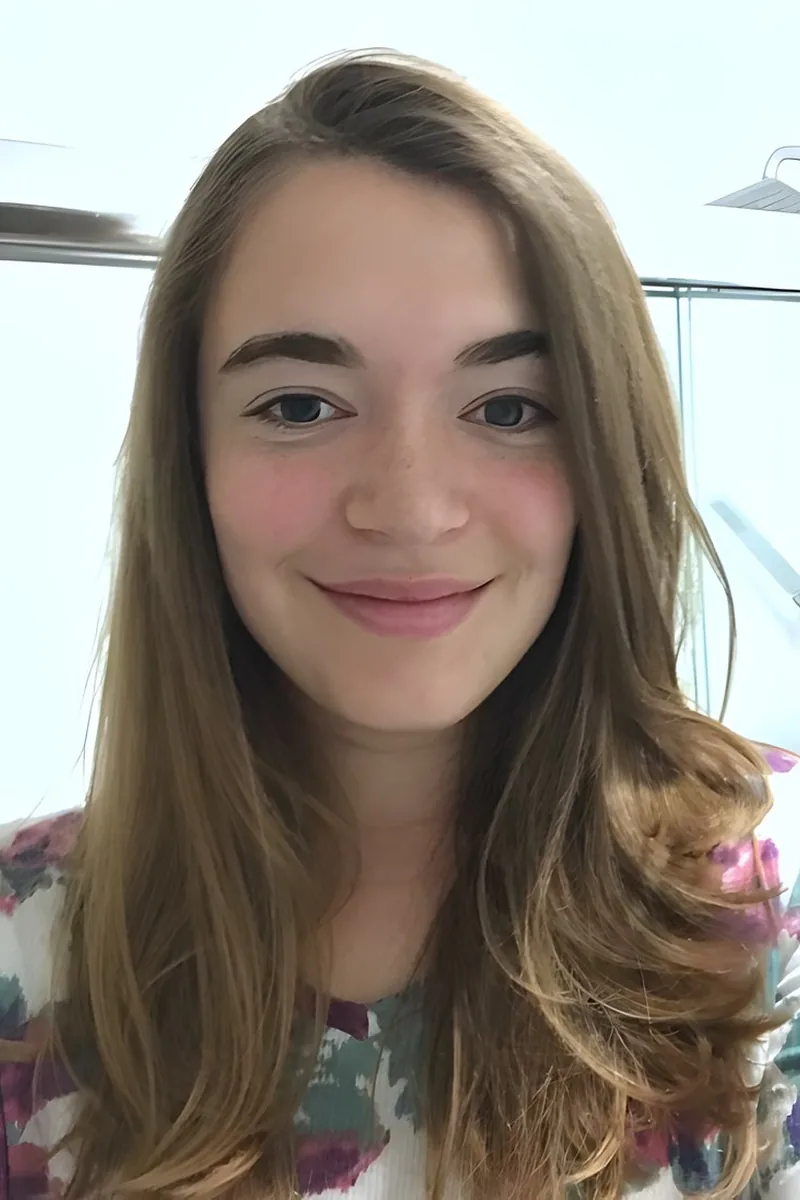
Most tutors on this page come from biology or pre-med backgrounds — Jenny's path through cultural anthropology gives her a different entry point, especially for AP Bio's evolution and ecology units where understanding population dynamics, adaptation, and organism-environment interactions matters more than molecular detail. She's strongest at teaching students to build the kind of evidence-based written arguments the free-response section demands, drawing on the analytical writing skills that anchor her humanities training. Her 1580 SAT also signals the reading comprehension chops needed to decode the exam's data-heavy passage questions.
Biomedical engineering at Carnegie Mellon meant Raaga spent years studying biological systems through a quantitative, systems-level lens — the kind of thinking that clicks especially well with AP Bio's units on cellular energetics and feedback mechanisms, where students need to trace inputs, outputs, and regulation rather than just memorize diagrams. She scored a 36 ACT and holds a 5.0 tutoring rating, and she's particularly sharp at teaching students how to translate what they know about a biological process into the precise, multi-step explanations the free-response questions demand.
Cellular respiration pathways, gene regulation, and ecological energy flow all require students to trace cause and effect through complex systems — exactly the kind of thinking Satya does as a biomolecular engineering student at Princeton. He unpacks dense AP Biology topics by mapping out the logic of each process step by step, so students can reason through unfamiliar experimental scenarios on the exam instead of relying on memorized details.
I am a student at the Honors College of Rutgers - New Brunswick. I am currently working towards attaining a B.S. in Biochemistry, as well as a minor in Business and Administration. Over the last five years, I have reconciled my passion for teaching and my desire to interact with fellow students through tutoring. While I have tutored in a broad range of subjects, I am most passionate about science, math, and English. Having taught many students, each of whom were different in terms of personality and learning style, I understand the importance of tailoring the lesson to the student's strengths. As a result, I work to create unique, individualized learning plans that engage the student and make learning feel like an opportunity, rather than a chore.
Andrew's biology BA and current biomedical sciences master's mean he's studied AP Bio's core content — from gene expression and cellular energetics to ecological dynamics — at increasing levels of depth, most recently while prepping for the MCAT. That recent, intensive review gives him a sharp sense of which concepts students actually struggle with, like distinguishing the mechanisms behind photosynthesis and cellular respiration or interpreting data from controlled experiments. His 1510 SAT also signals the kind of analytical reading skill that pays off on the exam's dense, data-heavy multiple-choice passages.
Benjamin's environmental biology degree from WashU means he learned AP Bio topics like ecology, energy flow, and evolutionary mechanisms in their real-world context — tracking how molecular processes play out in actual ecosystems. That perspective is especially useful for the exam's data-interpretation and experimental-design questions, where students need to reason across biological scales rather than just define terms. He's rated 5.0 by students.
I am a graduate of Cornell University. I received my Bachelor of Science in Human Biology, Health and Society. Since graduation, I have continued my education at Kean University. I plan to complete an informal postbach and apply directly to medical school. While I tutor a broad range of subjects, I am most passionate about Biology and Physics. I would best describe my tutoring style as very strategic and presenting the content as easy as possible to understand. In my spare time, I enjoy jogging, boxing and developing mobile games.
Jill's psychology major with a biology and chemistry double minor at NYU means she's taken the same college-level cell biology, genetics, and biochemistry courses that AP Bio condenses into a single year — and she's considering graduate work in genetics, so heredity and molecular biology are concepts she's actively deepening right now. She's particularly sharp at breaking down how genes are expressed and regulated, connecting the molecular details students memorize to the bigger evolutionary and physiological questions the exam actually asks.
AP Biology's shift toward data interpretation and experimental design means students need to do more than memorize cell processes — they need to analyze graphs, design controls, and justify claims with evidence. Rishik's computer science background gives him a natural edge in teaching the quantitative reasoning and data analysis that now dominate the exam's free-response section. He also covers the dense content areas like cellular energetics and genetics with clear, organized explanations.
As a recent graduate from Cornell University with a degree in biological sciences and someone who plans to attend medical school in the future, my passion and appreciation for the sciences and medicine is something I consider integral to my identity. My favorite subjects to tutor are biology and chemistry as those are the subjects in which I have past teaching experience in the classroom setting. In particular, my teaching style focuses on rephrasing and remodeling initially daunting concepts and information into bite-sized and digestible bits of information that any student can comprehend. I firmly believe that a lot of what slows students down in the learning process is their preconceived notions of course material. My passion for helping students stems from my experiences as an undergraduate where I can remember on countless occasions feeling lost in the material with little direction on how to approach the curriculum. I can think back to the many times I would have benefitted from having someone who could have guided me through stretches of daunting coursework which led me to become a tutor myself. As a teaching assistant, I discovered my passion for helping students manage their way through courses that many considered to be very difficult. Seeing how they reacted to my assistance reminded me why I applied for the position in the first place and motivates me to help students learn more every single day.
Biochemistry training at Drew University means Ved has worked through the molecular machinery behind AP Bio's toughest units — enzyme kinetics, metabolic regulation, and the central dogma — at a level where he can explain not just what happens but why a particular amino acid substitution disrupts protein folding or how feedback inhibition controls a metabolic pathway. That biochemical depth is especially useful for the exam's free-response questions on cellular processes, where students need to construct detailed mechanistic arguments rather than recite definitions.
Cellular respiration pathways, gene regulation, and ecology free-response questions each demand a different kind of thinking on the AP Bio exam — Sophie distinguishes between what needs memorization and what needs conceptual understanding. Her biomedical engineering minor and competitive high school science background mean she's encountered this material from multiple angles, which gives her a layered way of explaining dense biological systems.
Ian is currently in the Biology Honors program at the University of Illinois at Urbana-Champaign, which means AP Bio topics like cell signaling, gene regulation, and ecological dynamics are part of his daily academic life. He knows which concepts the exam tests hardest — from Hardy-Weinberg equilibrium to cellular respiration energetics — and teaches students to reason through data-analysis questions rather than rely on rote recall. Rated 5.0 by students.
AP Bio covers a staggering range, from cellular respiration pathways to population genetics to signal transduction. Keerthana tackles the exam's emphasis on experimental design and data interpretation by teaching students to read figures like a scientist — pulling conclusions from graphs before hunting for the "right" answer in the multiple choice. Her 4.9 rating speaks to how well that approach lands.
Few AP Bio tutors have actually run gel electrophoresis, designed PCR experiments, and defended a dissertation on molecular mechanisms — Shelly has done all three. She breaks down the toughest exam topics, from signal transduction pathways to gene regulation in operons, using the same logic she applied in her own research. That depth turns AP free-response questions from intimidating to manageable.
I'm a dedicated STEM tutor who makes challenging concepts in biology, chemistry, and neuroscience feel clear and approachable. With experience preparing students for the MCAT and SAT, I focus on building strong foundations and effective test-taking strategies. My sessions are personalized, interactive, and tailored to each student's learning style. I use visuals, real-world examples, and active recall techniques to turn memorization into true understanding.
I am currently a freshman at the College of William and Mary, majoring in Chemistry with a minor in Mathematics. During high school, I dedicated over 100 hours volunteering at a tutoring company focused on providing English and Math guidance for children. This experience not only honed my teaching skills but also fostered a deep appreciation for helping others overcome academic challenges. Building on my success in various chemistry courses including Honors Chemistry, AP Chemistry, and Advanced General Chemistry II am eager to assist high school students who may be struggling with the subject. My goal is to make learning chemistry an engaging and accessible experience by breaking down complex concepts into manageable steps and inspiring confidence in my students. I am also well acquainted in both mathematics and biology as I have received A's in all math and biology courses I have taken in college and high school. I am currently taking Multivariable Calculus and can teach any math level below Calc III. Aside from my academics, I like to spend time with my friends, read, and work at my cancer research lab.
Christina's computer science background gives her an unusual edge for AP Bio's data analysis and experimental design questions — she's comfortable with statistical reasoning, interpreting graphs, and the kind of algorithmic thinking that makes tracing metabolic pathways or gene expression cascades more systematic. Her ACT score of 34 also signals strong science reading skills, which matters for an exam where decoding dense passages and pulling evidence from figures is half the battle.
Studying biological engineering at MIT means Lainie encounters AP Bio's core content — gene regulation, cellular energetics, metabolic pathways — through the lens of designing and modeling biological systems, which gives her a more mechanistic understanding than a standard biology curriculum provides. She scored a 1580 SAT and has tutored students as young as four, so she's practiced at adjusting her explanations to match exactly how much detail a student can absorb. Rated 5.0 by students.
Stanford's Human Biology program with a bioinformatics and stem cell science concentration meant Matthew spent his coursework at the intersection of computation and living systems — analyzing gene expression data, studying cell differentiation pathways, and thinking about biology as information processing. That lens is especially useful for AP Bio's molecular biology and genetics units, where students need to trace how information encoded in DNA gets read, regulated, and occasionally misread. Rated 4.9 by students.
AP Biology's shift toward data analysis and experimental design catches many students off guard — it's no longer enough to memorize cell structures and metabolic pathways. Noel's policy-analysis training at the University of Chicago sharpened his ability to interpret graphs, evaluate experimental controls, and construct evidence-based arguments, which maps directly onto the AP exam's free-response demands. He pairs content review with targeted practice on the analytical skills the College Board actually tests.
Ruthie studied the biological basis of behavior in college, which means she didn't just memorize AP Bio content like cell signaling and genetics — she had to apply it to understand how nervous systems produce behavior, how neurotransmitters cross synapses, and how gene expression shapes organisms at every level. That interdisciplinary angle is especially useful for the exam's ecology and evolution units, where students need to connect molecular mechanisms to organism-level outcomes. Rated 5.0 by students.
Between her teaching assistant role for introductory biology at Cornell and her active cancer immunotherapy research on melanoma, Annie lives the material that AP Biology tests. She digs into the toughest units — cell signaling, gene expression and regulation, energy pathways — with the kind of mechanistic detail that earns 4s and 5s on the exam.
Brown's Health and Human Biology concentration has Nova deep in the cellular and molecular content that AP Bio tests hardest — but her real edge is on the SAT Subject Test in Biology E/M, which means she's drilled the kind of rapid concept application the AP exam's multiple-choice section demands. She scored a 1530 SAT and holds a 5.0 rating, and she approaches the evolution and ecology units by tying them back to the human biology lens that makes abstract population dynamics feel concrete.
AP Bio covers a staggering range — from cellular respiration pathways to ecology population models to gene regulation — and the exam rewards students who can analyze data, not just recall facts. Kate's science background and engineering training make her especially sharp on the quantitative side of the course, including Chi-square analysis, Hardy-Weinberg calculations, and interpreting experimental results.
Studying neurobiology and behavior at Penn means Emily lives in the territory where AP Bio gets hardest — signal transduction, nervous system function, and the molecular machinery behind how cells communicate and respond to their environment. She's especially good at unpacking the genetics-to-phenotype pipeline, showing students how a mutation in one gene can ripple through protein folding, cell signaling, and ultimately organism-level behavior. Rated 5.0 by students.
Succeeding on the AP Biology exam means going beyond memorizing cell structures and metabolic pathways — it means interpreting experimental data, constructing explanations, and reasoning across biological scales from molecules to ecosystems. Jake studies Human Biology at Stanford, where his coursework in genetics, physiology, and ecology maps directly onto the AP curriculum's four big ideas.
Few tutors bring a neuroscience specialization to AP Biology, which means Jhonatan can unpack signal transduction, membrane potentials, and nervous system physiology with a depth most students never get in the classroom. He also tackles the broader curriculum — from cellular respiration energetics to Hardy-Weinberg equilibrium — by tying each unit back to the four Big Ideas the exam is built around.
A UCLA biology grad with cum laude honors now pursuing his MD at the Medical College of Wisconsin, Abrahim has studied AP Bio's content at every level — from undergrad genetics and cell biology through the clinical physiology he encounters in medical school daily. He's particularly sharp at teaching students how to design and interpret experiments, a skill he honed through years of science coursework and standardized exam prep where data analysis is make-or-break. Rated 5.0 by students.
Testimonials
Because the right AP Biology tutor makes all the difference.
Average Session Rating – Based on 3.4M Learner Ratings
Practice AP Biology
Free practice tests, flashcards, and AI tutoring for AP Biology
Nearby AP Biology Tutors
Other Trenton Tutors
Related Science Tutors in Trenton
Frequently Asked Questions
Varsity Tutors matches Trenton students with expert AP Biology tutors for 1-on-1 instruction. We pair each student with a tutor based on their specific needs, learning style, and goals.
Whether you need homework help, exam prep, or want to get ahead, our AP Biology tutors are ready to help.
Common challenges include gaps from earlier material, difficulty with specific concepts, and trouble applying learning to new problems. These issues can snowball quickly in AP Biology.
A tutor identifies where you're stuck, fills in gaps, and provides targeted practice. The 1-on-1 format means you get help exactly where you need it.
Tutors work with your student's actual coursework—homework assignments, class notes, and upcoming tests. This keeps tutoring directly relevant to what's happening in the classroom.
When you share information about your student's school and curriculum, we can match you with a tutor who has relevant experience.
All tutors complete background checks, credential verification, and teaching evaluation. Many of our AP Biology tutors hold advanced degrees or have years of teaching experience.
You can review tutor profiles to find someone with the right background for your student's level and needs.
Many students see improved grades within a few weeks, along with better understanding of AP Biology concepts and more confidence tackling challenging material.
Tutors track progress and adjust their approach to ensure continued improvement.
Most students benefit from 1-2 sessions per week. More frequent sessions help if your student is significantly behind or has an important exam coming up.
Your tutor can recommend a schedule based on your student's specific situation and goals.
Tutoring is purchased in packages of hours, with rates varying by tutor experience. Varsity Tutors offers several options to fit different budgets and needs.
You can discuss pricing during your consultation to find what works best.
Your tutor will assess where your student is, discuss goals, and start working on priority areas. Most students bring current homework or upcoming test material to focus on.
By the end, you'll have a clear sense of how the tutor can help and a plan for moving forward.
Let’s find your perfect tutor
Answer a few quick questions. We’ll recommend the right plan and match you with a top 5% tutor.