Award-Winning Microbiology Tutors
serving Youngstown, OH
Microbiology
Tutors in Youngstown
Private 1-on-1 tutoring, weekly live classes for academic support, test prep & enrichment, practice tests and diagnostics, and more to elevate grades and test scores.
Based on 3.4M Learner Ratings
UniversitiesSchools & Universities
DeliveredHours Delivered
ProficiencyGrowth in Proficiency
Who needs tutoring?
No obligation. Takes ~1 minute.
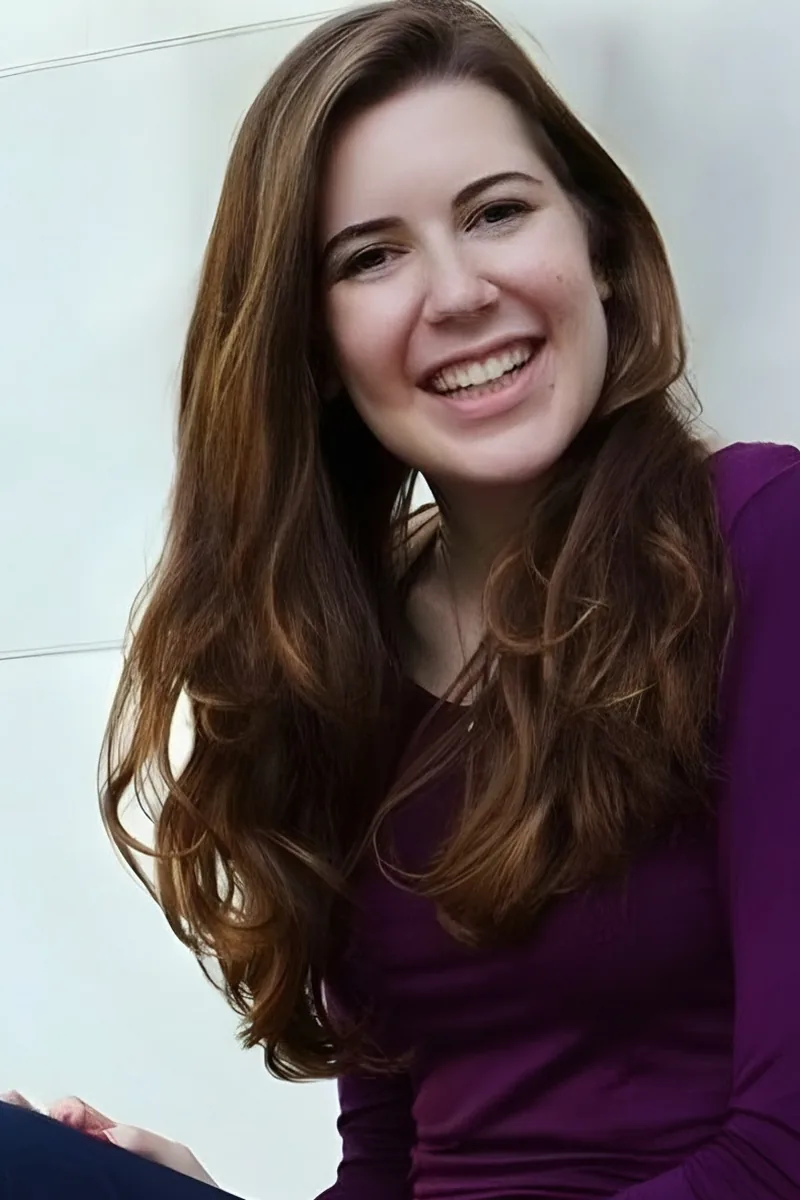
Emily studied molecular, cellular, and developmental biology at Yale and then earned her MPH in epidemiology, giving her a dual lens on microbiology — she knows the bench science of bacterial genetics and viral replication cycles, and she understands how those organisms behave in populations. She digs into topics like gram staining, metabolic pathways, and host-pathogen interactions with the detail a college-level course demands.
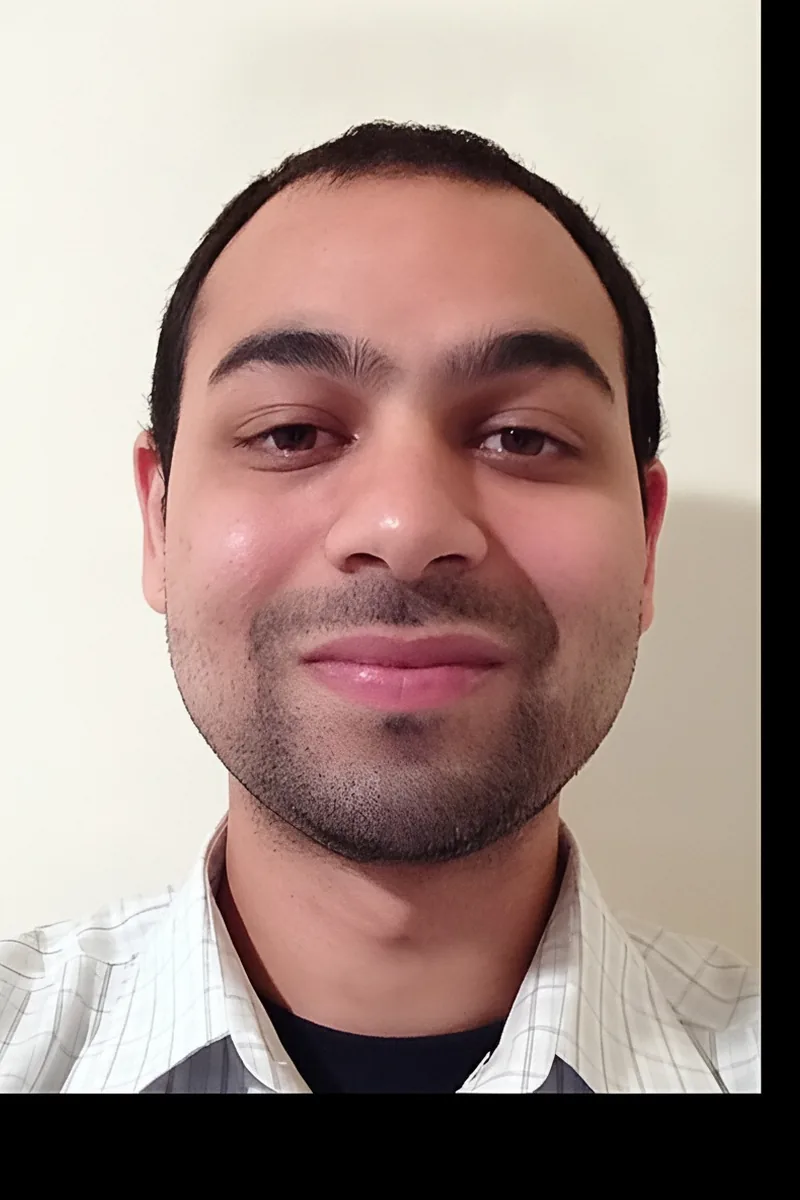
As a second-year medical student with an undergraduate degree in Molecular, Cell, & Developmental Biology from UCLA, Vinay brings clinical context to microbiology topics like bacterial pathogenesis, viral replication cycles, and antimicrobial resistance mechanisms. He connects each organism's structure to its behavior — explaining *why* gram-negative bacteria respond differently to antibiotics, not just *that* they do. His pharmacology knowledge adds an extra layer for students studying micro in a pre-health context.
Delaney's biology degree covered the foundational cell biology and ecology that makes microbiology click — understanding how microorganisms interact with their environments, compete for resources, and drive nutrient cycles. She also teaches graduate-level biology and ecology, so she can connect microbial concepts like quorum sensing or biofilm ecology to the larger biological systems students encounter in upper-level coursework. Rated 5.0 by students.
Four years of medical school means Sanjul has encountered bacteria, viruses, fungi, and parasites not just in a textbook but in clinical differential diagnoses. He digs into topics like bacterial cell structure, gram staining, pathogenic mechanisms, and antimicrobial resistance with visual models that make complex microbial processes easier to retain. Rated 5.0 by students.
Rosalyn's M.S. in Chemistry and her pre-med biochemistry background converge perfectly in microbiology, where understanding bacterial metabolism, enzyme kinetics, and cellular structures requires comfort with both biology and chemistry. She unpacks topics like gram staining mechanisms, microbial genetics, and pathogenic life cycles by tying them back to the underlying chemical processes. That dual-lens approach is especially useful for pre-med students preparing for exams that test across disciplines.
A biochemistry degree means Lyndsey learned microbiology from the molecular side first — understanding how enzymes drive bacterial metabolism, how protein structures determine virulence, and why certain antimicrobial agents target specific cellular machinery. She carries that chemical precision into topics like membrane transport and metabolic regulation, giving students a way to reason through microbial processes instead of treating them as isolated facts. Rated 5.0 by students.
Studying neuroscience meant John spent serious time with microbiology — bacterial cell structure, viral replication cycles, and the immune responses they trigger. He unpacks dense topics like gram staining protocols and metabolic pathways by tying them to the bigger picture of how microorganisms interact with human systems. That clinical relevance makes the material far easier to retain.
Studying bacterial pathogenesis, viral replication cycles, and immune responses is daily life for a fourth-year medical student. Linda connects microbiology topics like gram staining, antibiotic resistance mechanisms, and Koch's postulates to the clinical cases she's encountered in her training, which makes dense material far more memorable. She holds a 5.0 rating from her students.
Studying medical physiology at the graduate level means Ryan lives in the world of microbiology — bacterial pathogenesis, immune responses, and the molecular machinery of infection. He teaches microbiology by linking structure to function: why Gram-negative outer membranes matter for antibiotic resistance, how quorum sensing coordinates virulence, and what makes certain organisms thrive in specific host environments. That clinical connection makes dense material far easier to retain.
Medical school has given Hyerin daily exposure to the microbial world — from bacterial cell structure and Gram staining techniques to viral replication cycles and antibiotic resistance mechanisms. She teaches microbiology by connecting pathogens to the clinical scenarios that make them memorable, turning dense classification systems into something students can actually reason through.
Christine's biology coursework at the University of Chicago includes deep exposure to microbial genetics, metabolic pathways, and host-pathogen interactions. She unpacks complex topics like bacterial gene regulation, viral replication cycles, and antibiotic resistance mechanisms by tying them back to the underlying molecular logic that makes microbiology coherent rather than overwhelming.
Understanding how microorganisms behave starts with understanding cells — and Emily's extensive background in cell biology, molecular biology, and ecology means she can trace microbial processes like pathogen replication or bacterial signaling back to the cellular fundamentals that make them make sense. Her MS in Education also means she knows how to structure complex material like microbial classification and growth dynamics so students actually retain it, not just survive the exam. Rated 5.0 by students.
Tamera earned a Doctor of Science in Adult Health Nursing and holds a biology degree — a combination that makes her especially sharp on the clinical side of microbiology. She digs into bacterial pathogenesis, antimicrobial resistance mechanisms, and host immune responses with the depth that pre-med and nursing students need to succeed on exams and in clinical practice.
Leading study groups through Michigan's notoriously tough microbiology course gave Jenna a ground-level view of where students actually get stuck — whether it's keeping bacterial classification systems straight or tracing how microbes evade host defenses. Her Honors degree in Cellular and Molecular Biology, paired with applied statistics training, means she can unpack microbial processes at the molecular level while also making sense of the quantitative side, like interpreting growth curves or analyzing experimental data. Rated 5.0 by students.
I am a recent graduate from Grand Valley State University, with a Bachelor's of Science in Microbiology and a minor in Spanish. I will be attending medical school at Western Michigan University Homer Stryker MD. School of Medicine starting this summer. I have been a tutor for the past six years, and have worked with students from a diverse array of backgrounds. I started out as a volunteer K-5 English and Math tutor at a center for underprivileged youth in rural Ohio. After graduating high school and starting college, I began working as a college biology and Spanish tutor at the university success center. I was designated the top tutor of 2021, having conducted 250 sessions in one semester. Upon noticing a lack of affordable MCAT prep options, I began offering MCAT prep classes online during the height of the COVID19 pandemic. I have worked with veterans, adult learners, and people with disabilities. I am passionate about providing all students, regardless of age or situation, with personalized tutor sessions that help them achieve their full potential. In my free time, I enjoy volunteering at my church, running, and discovering new cuisines.
Studying microbiology in preparation for medical school gave Nishad a detailed command of bacterial physiology, viral replication cycles, and immune response pathways. He teaches students to connect structure to function — understanding why Gram-negative bacteria resist certain antibiotics, for instance, by tracing the architecture of their outer membrane.
Josef's life sciences research at Cornell gave him hands-on familiarity with microbial systems, from bacterial cell structure and gram staining to pathogenic mechanisms and antibiotic resistance. He teaches microbiology by linking each organism's biology to its clinical or ecological significance, which makes classification and virulence factors far easier to retain.
Garrett's biology degree paired with his coursework in physiology and anatomy means he understands microorganisms in the context of the systems they infect — not as isolated names on a flashcard. He walks through topics like microbial cell structure, pathogen life cycles, and immune evasion strategies by anchoring each organism to the tissue-level damage it actually causes, which turns a massive taxonomy into something students can reason through.
This is Brian's home turf. As a PhD microbiologist and associate professor of the subject at Collin County Community College, he unpacks everything from bacterial gene expression and metabolic pathways to virology and immunological responses with the specificity that upper-level coursework demands. Students get someone who reads the primary literature daily and can translate it into clear, testable understanding.
Between her molecular biology degree and her current biomedical science graduate program, Sierra has spent years working with bacterial physiology, microbial genetics, and host-pathogen interactions. She explains dense topics like gram staining protocols, metabolic pathways, and antimicrobial resistance mechanisms by tying them back to real clinical and research scenarios that make the material stick.
Between his biochemistry degree from Rice and his medical school training, Sanjay has spent years immersed in the microbial world — bacterial cell structure, pathogenic mechanisms, antimicrobial resistance, and the metabolic pathways that distinguish different organisms. He connects microbiology concepts to clinical scenarios, which makes memorizing genera, gram stain results, and virulence factors far more intuitive.
Monika's doctoral thesis was in microbiology, so she teaches bacterial physiology, metabolic pathways, and host-pathogen interactions from firsthand research experience. She unpacks dense topics like quorum sensing and biofilm formation by connecting them to the experimental techniques she actually used at the bench.
Micheal's biotechnology degree and his work at Massachusetts General Hospital mean microbiology isn't theoretical for him — it's the daily reality of understanding bacterial pathogenesis, culture techniques, and antimicrobial resistance. He unpacks dense topics like metabolic pathways and microbial genetics by tying them to clinical scenarios students can visualize.
A Stanford Human Biology degree with a concentration in bioinformatics gave Matthew a computational angle on microbiology — he thinks about microbial populations in terms of gene expression data, genomic analysis, and the quantitative patterns underlying concepts like antibiotic resistance and pathogen evolution. That top-down, systems-level perspective is especially useful for students who struggle to see how individual topics like bacterial metabolism or viral replication fit into the bigger biological picture. Rated 4.9 by students.
Medical school demands a granular understanding of pathogens — bacterial cell wall differences, viral replication cycles, antibiotic resistance mechanisms. Daniel earned his M.D. and brings that clinical lens to microbiology, connecting each organism's structure and behavior to the disease processes students are expected to know for exams.
Gram stains, bacterial metabolic pathways, and viral replication cycles all require a kind of systematic memorization that falls apart without conceptual scaffolding. Anni's graduate work in biomedical sciences at UMDNJ gave her direct experience with microbial concepts, and she teaches them by linking each organism's structure to its clinical significance.
As a fourth-year medical student at Thomas Jefferson University, Anshel has spent years immersed in bacterial pathogenesis, antimicrobial mechanisms, and the clinical consequences of infections that microbiology courses describe in the abstract. He connects concepts like gram staining, virulence factors, and antibiotic resistance to the patient scenarios that make them memorable. That clinical lens turns dense microbiology material into something students can actually reason through on exams.
Testimonials
Because the right Microbiology tutor makes all the difference.
Average Session Rating – Based on 3.4M Learner Ratings
Other Youngstown Tutors
Related Science Tutors in Youngstown
Frequently Asked Questions
Varsity Tutors matches Youngstown students with expert Microbiology tutors for 1-on-1 instruction. We pair each student with a tutor based on their specific needs, learning style, and goals.
Whether you need homework help, exam prep, or want to get ahead, our Microbiology tutors are ready to help.
Common challenges include gaps from earlier material, difficulty with specific concepts, and trouble applying learning to new problems. These issues can snowball quickly in Microbiology.
A tutor identifies where you're stuck, fills in gaps, and provides targeted practice. The 1-on-1 format means you get help exactly where you need it.
Tutors work with your student's actual coursework—homework assignments, class notes, and upcoming tests. This keeps tutoring directly relevant to what's happening in the classroom.
When you share information about your student's school and curriculum, we can match you with a tutor who has relevant experience.
All tutors complete background checks, credential verification, and teaching evaluation. Many of our Microbiology tutors hold advanced degrees or have years of teaching experience.
You can review tutor profiles to find someone with the right background for your student's level and needs.
Many students see improved grades within a few weeks, along with better understanding of Microbiology concepts and more confidence tackling challenging material.
Tutors track progress and adjust their approach to ensure continued improvement.
Most students benefit from 1-2 sessions per week. More frequent sessions help if your student is significantly behind or has an important exam coming up.
Your tutor can recommend a schedule based on your student's specific situation and goals.
Tutoring is purchased in packages of hours, with rates varying by tutor experience. Varsity Tutors offers several options to fit different budgets and needs.
You can discuss pricing during your consultation to find what works best.
Your tutor will assess where your student is, discuss goals, and start working on priority areas. Most students bring current homework or upcoming test material to focus on.
By the end, you'll have a clear sense of how the tutor can help and a plan for moving forward.
Let’s find your perfect tutor
Answer a few quick questions. We’ll recommend the right plan and match you with a top 5% tutor.