Award-Winning Microbiology Tutors
serving Canton, OH
Microbiology
Tutors in Canton
Private 1-on-1 tutoring, weekly live classes for academic support, test prep & enrichment, practice tests and diagnostics, and more to elevate grades and test scores.
Based on 3.4M Learner Ratings
UniversitiesSchools & Universities
DeliveredHours Delivered
ProficiencyGrowth in Proficiency
Who needs tutoring?
No obligation. Takes ~1 minute.
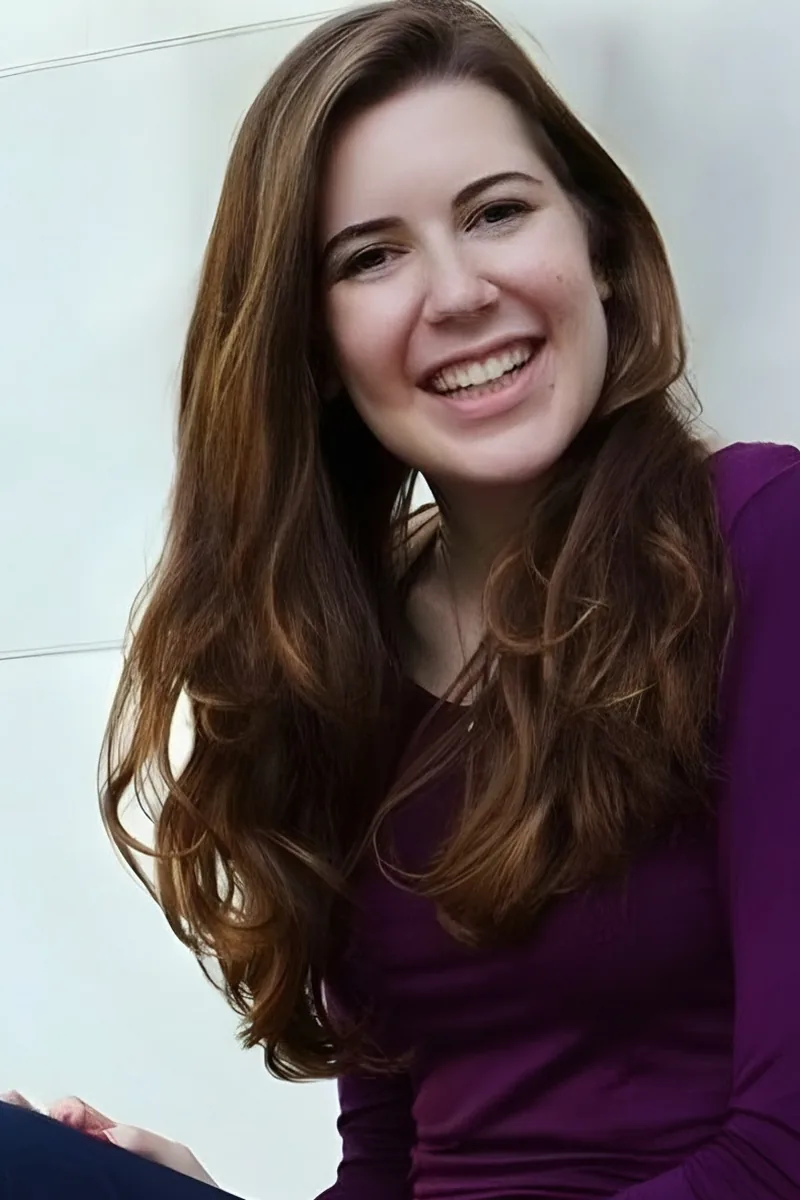
Emily studied molecular, cellular, and developmental biology at Yale and then earned her MPH in epidemiology, giving her a dual lens on microbiology — she knows the bench science of bacterial genetics and viral replication cycles, and she understands how those organisms behave in populations. She digs into topics like gram staining, metabolic pathways, and host-pathogen interactions with the detail a college-level course demands.
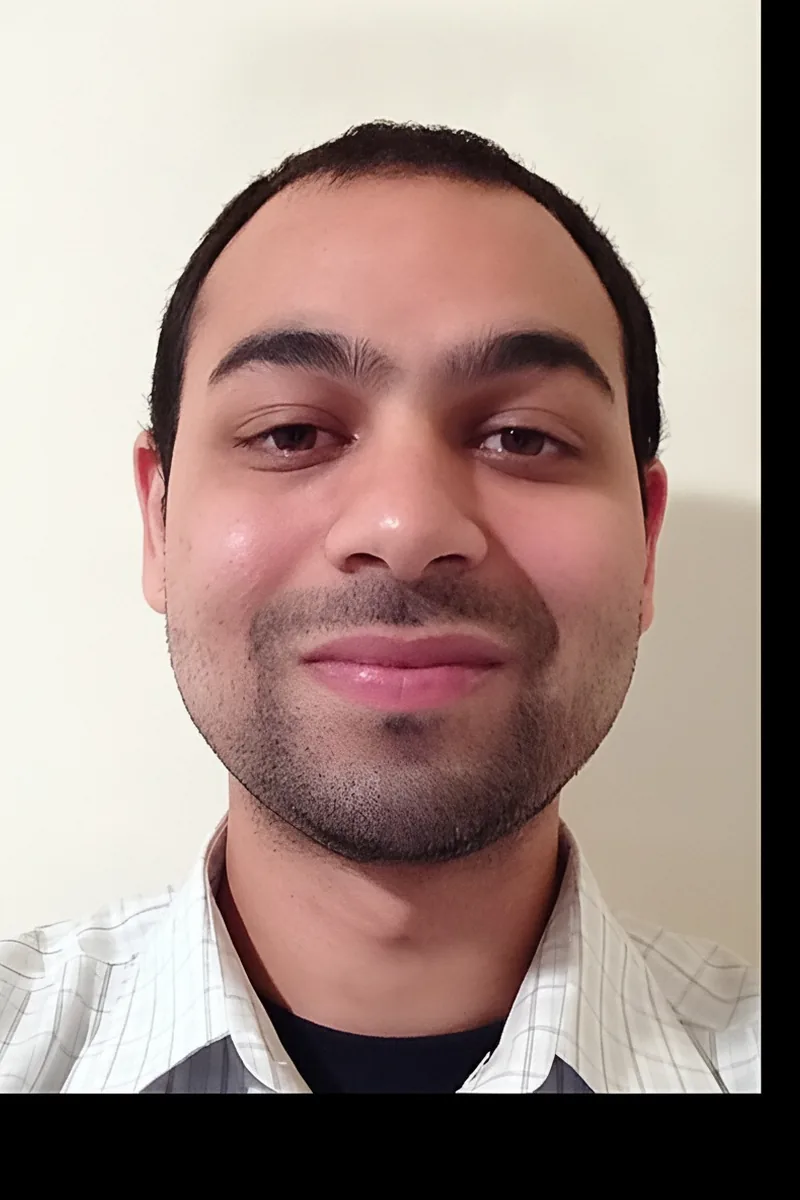
As a second-year medical student with an undergraduate degree in Molecular, Cell, & Developmental Biology from UCLA, Vinay brings clinical context to microbiology topics like bacterial pathogenesis, viral replication cycles, and antimicrobial resistance mechanisms. He connects each organism's structure to its behavior — explaining *why* gram-negative bacteria respond differently to antibiotics, not just *that* they do. His pharmacology knowledge adds an extra layer for students studying micro in a pre-health context.
Delaney's biology degree covered the foundational cell biology and ecology that makes microbiology click — understanding how microorganisms interact with their environments, compete for resources, and drive nutrient cycles. She also teaches graduate-level biology and ecology, so she can connect microbial concepts like quorum sensing or biofilm ecology to the larger biological systems students encounter in upper-level coursework. Rated 5.0 by students.
Four years of medical school means Sanjul has encountered bacteria, viruses, fungi, and parasites not just in a textbook but in clinical differential diagnoses. He digs into topics like bacterial cell structure, gram staining, pathogenic mechanisms, and antimicrobial resistance with visual models that make complex microbial processes easier to retain. Rated 5.0 by students.
Rosalyn's M.S. in Chemistry and her pre-med biochemistry background converge perfectly in microbiology, where understanding bacterial metabolism, enzyme kinetics, and cellular structures requires comfort with both biology and chemistry. She unpacks topics like gram staining mechanisms, microbial genetics, and pathogenic life cycles by tying them back to the underlying chemical processes. That dual-lens approach is especially useful for pre-med students preparing for exams that test across disciplines.
A biochemistry degree means Lyndsey learned microbiology from the molecular side first — understanding how enzymes drive bacterial metabolism, how protein structures determine virulence, and why certain antimicrobial agents target specific cellular machinery. She carries that chemical precision into topics like membrane transport and metabolic regulation, giving students a way to reason through microbial processes instead of treating them as isolated facts. Rated 5.0 by students.
Studying bacterial pathogenesis, viral replication cycles, and immune responses is daily life for a fourth-year medical student. Linda connects microbiology topics like gram staining, antibiotic resistance mechanisms, and Koch's postulates to the clinical cases she's encountered in her training, which makes dense material far more memorable. She holds a 5.0 rating from her students.
Medical school has given Hyerin daily exposure to the microbial world — from bacterial cell structure and Gram staining techniques to viral replication cycles and antibiotic resistance mechanisms. She teaches microbiology by connecting pathogens to the clinical scenarios that make them memorable, turning dense classification systems into something students can actually reason through.
Studying medical physiology at the graduate level means Ryan lives in the world of microbiology — bacterial pathogenesis, immune responses, and the molecular machinery of infection. He teaches microbiology by linking structure to function: why Gram-negative outer membranes matter for antibiotic resistance, how quorum sensing coordinates virulence, and what makes certain organisms thrive in specific host environments. That clinical connection makes dense material far easier to retain.
Studying neuroscience meant John spent serious time with microbiology — bacterial cell structure, viral replication cycles, and the immune responses they trigger. He unpacks dense topics like gram staining protocols and metabolic pathways by tying them to the bigger picture of how microorganisms interact with human systems. That clinical relevance makes the material far easier to retain.
Christine's biology coursework at the University of Chicago includes deep exposure to microbial genetics, metabolic pathways, and host-pathogen interactions. She unpacks complex topics like bacterial gene regulation, viral replication cycles, and antibiotic resistance mechanisms by tying them back to the underlying molecular logic that makes microbiology coherent rather than overwhelming.
Understanding how microorganisms behave starts with understanding cells — and Emily's extensive background in cell biology, molecular biology, and ecology means she can trace microbial processes like pathogen replication or bacterial signaling back to the cellular fundamentals that make them make sense. Her MS in Education also means she knows how to structure complex material like microbial classification and growth dynamics so students actually retain it, not just survive the exam. Rated 5.0 by students.
Tamera earned a Doctor of Science in Adult Health Nursing and holds a biology degree — a combination that makes her especially sharp on the clinical side of microbiology. She digs into bacterial pathogenesis, antimicrobial resistance mechanisms, and host immune responses with the depth that pre-med and nursing students need to succeed on exams and in clinical practice.
Leading study groups through Michigan's notoriously tough microbiology course gave Jenna a ground-level view of where students actually get stuck — whether it's keeping bacterial classification systems straight or tracing how microbes evade host defenses. Her Honors degree in Cellular and Molecular Biology, paired with applied statistics training, means she can unpack microbial processes at the molecular level while also making sense of the quantitative side, like interpreting growth curves or analyzing experimental data. Rated 5.0 by students.
I am a recent graduate from Grand Valley State University, with a Bachelor's of Science in Microbiology and a minor in Spanish. I will be attending medical school at Western Michigan University Homer Stryker MD. School of Medicine starting this summer. I have been a tutor for the past six years, and have worked with students from a diverse array of backgrounds. I started out as a volunteer K-5 English and Math tutor at a center for underprivileged youth in rural Ohio. After graduating high school and starting college, I began working as a college biology and Spanish tutor at the university success center. I was designated the top tutor of 2021, having conducted 250 sessions in one semester. Upon noticing a lack of affordable MCAT prep options, I began offering MCAT prep classes online during the height of the COVID19 pandemic. I have worked with veterans, adult learners, and people with disabilities. I am passionate about providing all students, regardless of age or situation, with personalized tutor sessions that help them achieve their full potential. In my free time, I enjoy volunteering at my church, running, and discovering new cuisines.
Studying both Biology and Political Science at the college level, Andrea is immersed in microbiology coursework — from bacterial cell structure and metabolic pathways to viral replication cycles. She unpacks dense material by tying molecular-level processes to bigger-picture concepts like immune response and antibiotic resistance, which makes the details easier to retain.
Gram stains, bacterial metabolic pathways, and viral replication cycles all require a kind of systematic memorization that falls apart without conceptual scaffolding. Anni's graduate work in biomedical sciences at UMDNJ gave her direct experience with microbial concepts, and she teaches them by linking each organism's structure to its clinical significance.
Medical school at Penn's Perelman School of Medicine gave Daniel hands-on exposure to microbiology that goes well beyond a standard textbook — from bacterial virulence factors to antibiotic resistance mechanisms to the clinical presentations they produce. He connects microbial physiology to real infectious disease scenarios, which makes distinguishing gram-positive from gram-negative organisms or understanding viral replication cycles far more intuitive.
Keeping bacterial classification, metabolic pathways, and virulence factors straight requires more than flashcards — it requires a framework. Rachel approaches microbiology by organizing organisms around how they survive: their energy sources, their structural defenses, and how they interact with host immune responses. That structure turns a sprawling subject into something students can actually reason through on exams.
Keeping bacterial classification, virulence factors, and immune evasion strategies straight requires a system, not just flashcards. As a medical student at the Medical College of Wisconsin, Abrahim deals with microbiology in a clinical context daily — he teaches students to organize pathogens by mechanism of action and host response, which makes exam recall far more reliable.
Studying biomedical engineering means Cassandra has spent serious time with microbial physiology, from bacterial cell structure and metabolic pathways to how pathogens interact with host immune systems. She teaches microbiology by linking each organism's characteristics to the mechanisms that make it clinically or industrially relevant, turning dense material into a coherent story.
As a biology major at Boston College, Andrew's coursework in cell biology and lab science gave him hands-on experience with the microbial world — bacterial structure, growth dynamics, and the metabolic differences that determine how organisms thrive in different environments. His parallel study of chemistry strengthens how he explains topics like cell membrane function and nutrient uptake at the molecular level, turning dense material into something students can actually reason through. Rated 5.0 by students.
Before pursuing her graduate degree, Kelsey taught microbiology at a community college, designing her own review materials and walking students through bacterial metabolism, microbial genetics, and lab techniques like Gram staining and culture analysis. That classroom experience means she knows which concepts trip students up — and how to explain them differently the second time around. Rated 4.9 by students.
Richard's PhD research at Northwestern is in microbiology, which means he's not teaching this subject from a textbook — he's living it. He digs into topics like bacterial pathogenesis, microbial genetics, and host-immune interactions with the kind of detail that comes from years at the bench. Students preparing for exams or struggling with lab reports get someone who can connect microscopic mechanisms to the bigger public health picture.
Studying microbiology in preparation for medical school gave Nishad a detailed command of bacterial physiology, viral replication cycles, and immune response pathways. He teaches students to connect structure to function — understanding why Gram-negative bacteria resist certain antibiotics, for instance, by tracing the architecture of their outer membrane.
Understanding microbiology means more than memorizing bacterial classifications — it requires seeing how metabolic pathways, genetic regulation, and environmental pressures shape microbial behavior. Alec studied genetics, genomics, and development at Cornell and taught biology content in both lecture and small-group settings, giving him a knack for making concepts like quorum sensing or virulence factor regulation feel intuitive rather than overwhelming.
Environmental science and public policy might seem distant from microbiology, but Ethan's coursework in biology, chemistry, and ecology covered the microbial ecology and nutrient cycling that underpin environmental systems — how soil bacteria drive nitrogen fixation, how waterborne pathogens behave in different conditions, and why microbial communities matter for public health policy. That environmental angle gives him a unique way of explaining concepts like bacterial metabolism and population dynamics, grounding abstract processes in real-world ecological contexts. Holds a 5.0 rating.
Testimonials
Because the right Microbiology tutor makes all the difference.
Average Session Rating – Based on 3.4M Learner Ratings
Other Canton Tutors
Related Science Tutors in Canton
Frequently Asked Questions
Varsity Tutors matches Canton students with expert Microbiology tutors for 1-on-1 instruction. We pair each student with a tutor based on their specific needs, learning style, and goals.
Whether you need homework help, exam prep, or want to get ahead, our Microbiology tutors are ready to help.
Common challenges include gaps from earlier material, difficulty with specific concepts, and trouble applying learning to new problems. These issues can snowball quickly in Microbiology.
A tutor identifies where you're stuck, fills in gaps, and provides targeted practice. The 1-on-1 format means you get help exactly where you need it.
Tutors work with your student's actual coursework—homework assignments, class notes, and upcoming tests. This keeps tutoring directly relevant to what's happening in the classroom.
When you share information about your student's school and curriculum, we can match you with a tutor who has relevant experience.
All tutors complete background checks, credential verification, and teaching evaluation. Many of our Microbiology tutors hold advanced degrees or have years of teaching experience.
You can review tutor profiles to find someone with the right background for your student's level and needs.
Many students see improved grades within a few weeks, along with better understanding of Microbiology concepts and more confidence tackling challenging material.
Tutors track progress and adjust their approach to ensure continued improvement.
Most students benefit from 1-2 sessions per week. More frequent sessions help if your student is significantly behind or has an important exam coming up.
Your tutor can recommend a schedule based on your student's specific situation and goals.
Tutoring is purchased in packages of hours, with rates varying by tutor experience. Varsity Tutors offers several options to fit different budgets and needs.
You can discuss pricing during your consultation to find what works best.
Your tutor will assess where your student is, discuss goals, and start working on priority areas. Most students bring current homework or upcoming test material to focus on.
By the end, you'll have a clear sense of how the tutor can help and a plan for moving forward.
Let’s find your perfect tutor
Answer a few quick questions. We’ll recommend the right plan and match you with a top 5% tutor.