Award-Winning Microbiology Tutors
serving Riverside, CA
Microbiology
Tutors in Riverside
Private 1-on-1 tutoring, weekly live classes for academic support, test prep & enrichment, practice tests and diagnostics, and more to elevate grades and test scores.
Based on 3.4M Learner Ratings
UniversitiesSchools & Universities
DeliveredHours Delivered
ProficiencyGrowth in Proficiency
Who needs tutoring?
No obligation. Takes ~1 minute.
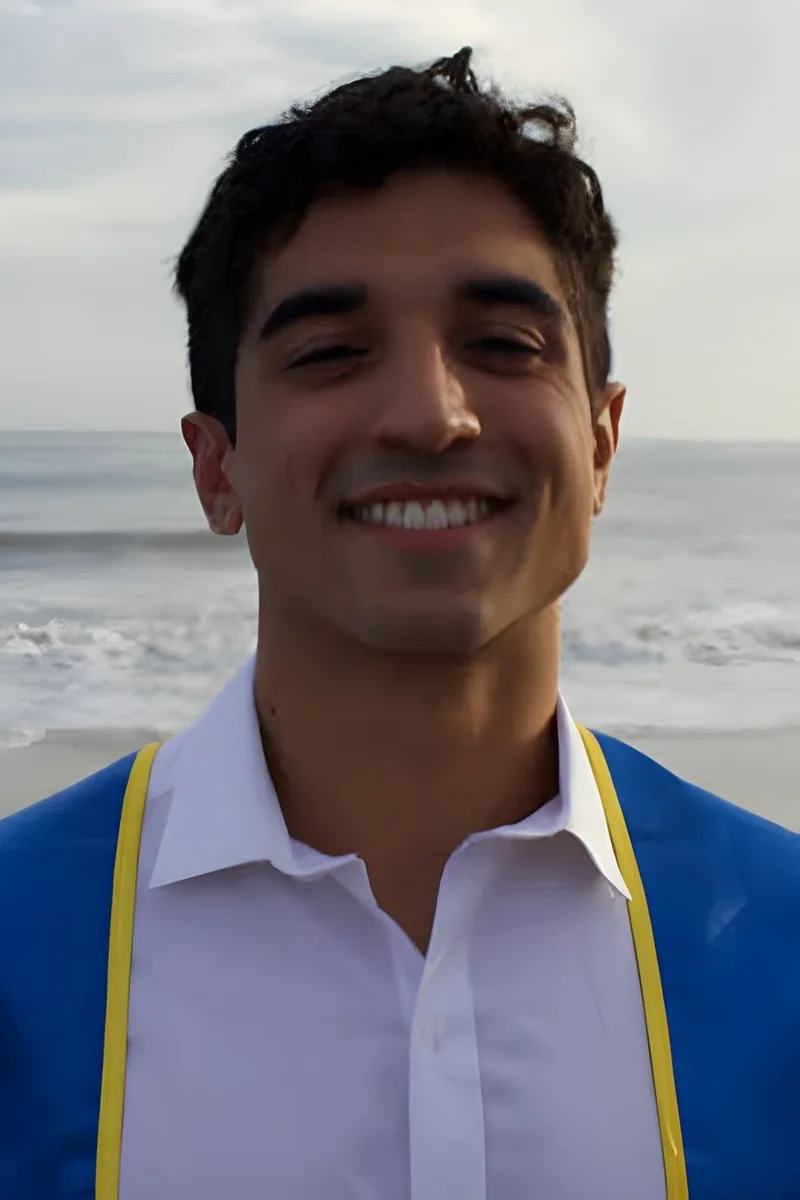
Kevin's honors biology degree from UC Santa Barbara included deep work with microbial systems — bacterial cell structure, metabolic pathways, and the mechanisms behind antibiotic resistance. He unpacks dense topics like gram staining protocols, viral replication cycles, and microbial genetics by connecting each process to its clinical or environmental significance. For pre-med students especially, he knows exactly which concepts carry forward into pathology and pharmacology.
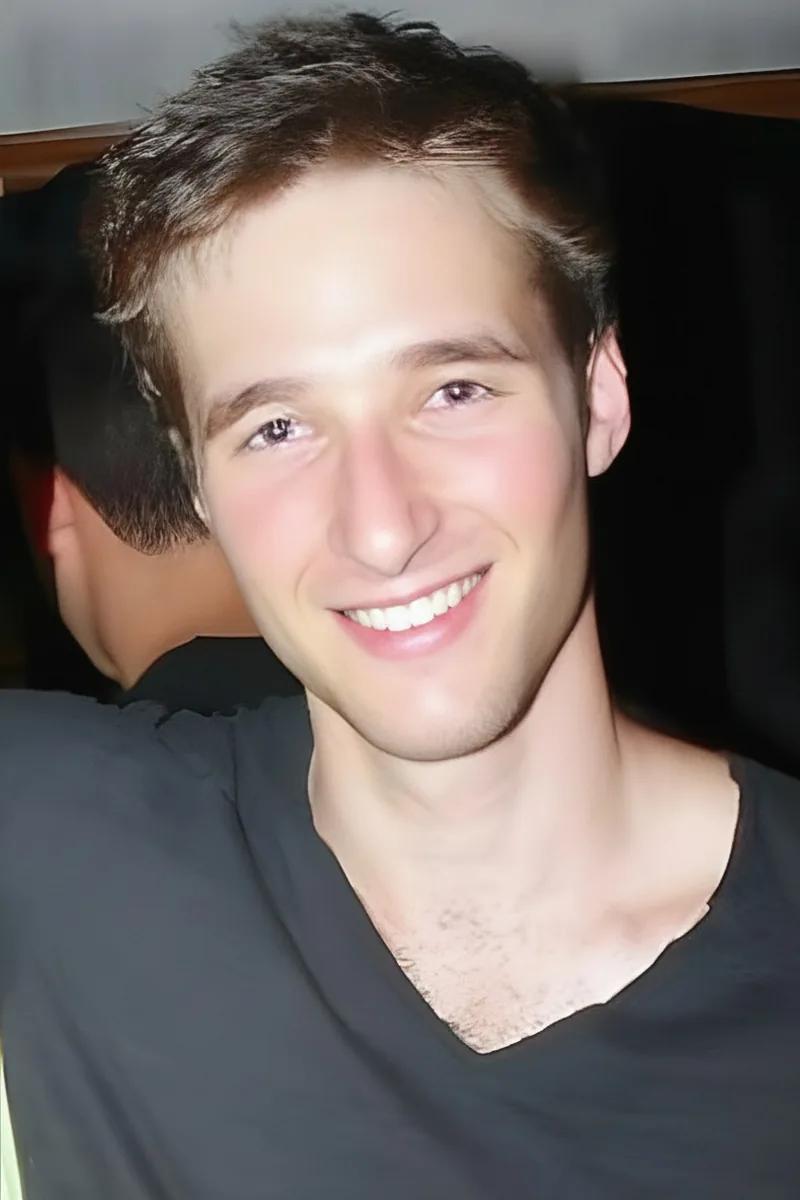
The trick with microbiology is that it sits at the intersection of biology, chemistry, and physics — and Nicholas actually teaches all three, which means he can trace a concept like bacterial membrane transport from the biological function down to the thermodynamics and chemical gradients driving it. His biology degree gave him the core training in cell structure and microbial physiology, while his physical chemistry and organic chemistry background lets him explain mechanisms like cell wall synthesis or metabolic pathways at the molecular level where they actually make sense.
Having completed his biology degree at UCLA with coursework in cell biology and physiology, Nathan can trace microbial processes — like how opportunistic pathogens exploit immune gaps or how metabolic differences between aerobic and anaerobic bacteria shape infection outcomes — back to the underlying biology. He also teaches anatomy, physiology, and nutrition, so he naturally frames microorganisms in terms of the body systems they colonize and disrupt.
Pre-med preparation means Fady has spent real time with the microbial world — learning how pathogens cause disease, how the immune system responds, and how microbial physiology ties into the bigger picture of human health. His biology degree and parallel coursework in anatomy, physiology, and chemistry let him trace concepts like bacterial structure and infection mechanisms back to the underlying science rather than treating them as disconnected vocabulary lists.
Sam's Yale degree in Molecular Biophysics and Biochemistry gave him deep exposure to the cellular and molecular mechanisms that microbiology courses demand — membrane transport, metabolic pathways, bacterial genetics, and immune response. He connects these topics to their biochemical underpinnings, which makes processes like quorum sensing or antibiotic resistance easier to understand at a mechanistic level rather than through rote memorization.
A Stanford Human Biology degree with a concentration in bioinformatics gave Matthew a computational angle on microbiology — he thinks about microbial populations in terms of gene expression data, genomic analysis, and the quantitative patterns underlying concepts like antibiotic resistance and pathogen evolution. That top-down, systems-level perspective is especially useful for students who struggle to see how individual topics like bacterial metabolism or viral replication fit into the bigger biological picture. Rated 4.9 by students.
Micheal's biotechnology degree and his work at Massachusetts General Hospital mean microbiology isn't theoretical for him — it's the daily reality of understanding bacterial pathogenesis, culture techniques, and antimicrobial resistance. He unpacks dense topics like metabolic pathways and microbial genetics by tying them to clinical scenarios students can visualize.
Ryan's master's work in cellular and molecular biology at Stanford, combined with hands-on synthetic biology research at NASA Ames, gave him deep fluency in microbial genetics, metabolic pathways, and laboratory techniques like PCR and gene cloning. He unpacks topics like bacterial pathogenesis and antimicrobial resistance by connecting them to the molecular mechanisms driving each process. Rated 5.0 by students.
Richard's PhD research at Northwestern is in microbiology, which means he's not teaching this subject from a textbook — he's living it. He digs into topics like bacterial pathogenesis, microbial genetics, and host-immune interactions with the kind of detail that comes from years at the bench. Students preparing for exams or struggling with lab reports get someone who can connect microscopic mechanisms to the bigger public health picture.
Michelle's PhD thesis centered on bacterial infections, so microbiology isn't a textbook subject for her — it's the system she lived in for years. She digs into topics like biofilm formation, antimicrobial resistance mechanisms, and host-pathogen dynamics with the kind of specificity that comes from designing experiments around those exact processes.
An environmental biology degree means Andrew spent real time studying how microbial communities shape ecosystems — from soil bacteria driving decomposition to waterborne microorganisms cycling nutrients through aquatic systems. That ecological grounding lets him teach concepts like microbial metabolism and population dynamics by connecting them to the environmental processes students can actually visualize, rather than treating them as isolated textbook definitions.
I believe every student can make meaningful progress when instruction is tailored to their starting point, goals, and learning style. With more than 15 years of tutoring and teaching experience, including SAT, ACT, MCAT, and medical licensing examinations, along with a background teaching chemistry and physics, I help students strengthen academic skills, improve test-taking strategies, and build confidence. My approach is individualized and results-focused. I identify strengths and knowledge gaps, then create a clear plan targeting content, problem-solving, timing, organization, and study habits. I am patient, encouraging, and experienced working with diverse learning needs, including ADHD, as well as students who struggle with test anxiety, focus, or confidence. I also value clear communication with students and families so everyone understands the student's goals, progress, and next steps.
Garrett's biology degree paired with his coursework in physiology and anatomy means he understands microorganisms in the context of the systems they infect — not as isolated names on a flashcard. He walks through topics like microbial cell structure, pathogen life cycles, and immune evasion strategies by anchoring each organism to the tissue-level damage it actually causes, which turns a massive taxonomy into something students can reason through.
Gram stains, bacterial metabolic pathways, and viral replication cycles all require a kind of systematic memorization that falls apart without conceptual scaffolding. Anni's graduate work in biomedical sciences at UMDNJ gave her direct experience with microbial concepts, and she teaches them by linking each organism's structure to its clinical significance.
As a fourth-year medical student at Thomas Jefferson University, Anshel has spent years immersed in bacterial pathogenesis, antimicrobial mechanisms, and the clinical consequences of infections that microbiology courses describe in the abstract. He connects concepts like gram staining, virulence factors, and antibiotic resistance to the patient scenarios that make them memorable. That clinical lens turns dense microbiology material into something students can actually reason through on exams.
Neuroscience training at the undergraduate level means Jhonatan spent significant time with the microbial world — understanding how pathogens cross the blood-brain barrier, how CNS infections progress, and how the gut microbiome communicates with neural tissue. He teaches microbial physiology and host interactions by anchoring them to these neuroimmune connections, giving students a narrative thread through what can otherwise feel like an overwhelming catalog of organisms. Rated 5.0 by students.
Testimonials
Because the right Microbiology tutor makes all the difference.
Average Session Rating – Based on 3.4M Learner Ratings
Nearby Microbiology Tutors
Other Riverside Tutors
Related Science Tutors in Riverside
Frequently Asked Questions
Microbiology courses in Riverside schools generally cover cellular structure and function, microbial metabolism, genetics, and pathogenesis. High school biology may include basic germ theory and disease transmission, while college-level microbiology delves into bacterial identification, culturing techniques, immunology, and epidemiology. The specific curriculum varies by school district—Riverside's seven districts may emphasize different applications depending on whether students are college-prep or pursuing healthcare fields. A tutor familiar with your specific course can align instruction with your school's pacing and exam focus.
Microbiology labs require both conceptual understanding and hands-on skill. Many students struggle with the why behind procedures—why you use specific staining techniques, what you're actually observing under the microscope, or how lab results connect to theory. Personalized tutoring helps bridge this gap by walking through experimental design, explaining what each step accomplishes, and connecting observations to underlying microbial processes. This approach transforms lab work from rote procedure-following into genuine scientific thinking, making both results and exams more meaningful.
The most effective approach combines both. Microbiology involves factual knowledge—bacterial genera, metabolic pathways, disease characteristics—but simply memorizing these creates fragile learning that doesn't transfer to new problems. Understanding the underlying principles (how cell walls function, why certain antibiotics work, how immune responses develop) lets you reason through unfamiliar scenarios on exams and in healthcare settings. Personalized instruction helps you build this conceptual foundation first, then strategically anchor facts to deeper understanding rather than rote memory alone.
One of microbiology's core challenges is working with organisms and structures invisible to the naked eye—bacterial flagella, viral replication, biofilm formation. Tutors use multiple visualization strategies: drawing and labeling structures, using digital models and animations, connecting microscopic processes to observable real-world examples (like how fermentation produces visible bubbles), and working through problem sets that build spatial reasoning. By repeatedly engaging with these invisible processes through different representations, you develop mental models that make exams and lab work significantly more manageable.
Understanding how microbiology applies to medicine, food safety, environmental remediation, and public health transforms abstract concepts into meaningful knowledge. When you know that your study of gram-positive bacteria connects to actual antibiotic selection in clinical practice, or that microbial metabolism principles explain fermentation in yogurt production, the content becomes more memorable and engaging. For students in Riverside pursuing healthcare, biotechnology, or science-related careers, connecting theory to real applications also strengthens exam performance and interview readiness. Tutors can highlight these connections throughout your course.
Varsity Tutors connects you with expert tutors who specialize in microbiology and understand the specific curriculum taught across Riverside's seven school districts. When you reach out, you can specify your course level (high school biology, college microbiology, AP), your school or district, and particular topics you're struggling with. Tutors are matched based on subject expertise, teaching style, and availability, ensuring you get someone who can address your specific challenges whether that's lab technique, exam preparation, or conceptual understanding of complex processes.
Effective microbiology exam prep goes beyond last-minute cramming. It involves building understanding throughout the course, practicing retrieval (testing yourself repeatedly on key concepts), and connecting isolated topics into coherent frameworks. For cumulative finals, you need to see how early concepts (cell structure) relate to later ones (antibiotic resistance, evolution). A tutor can help you create study systems that use spaced repetition, identify which topics are highest-priority for your specific exam, and practice application problems that mirror your test format. This strategic approach reduces test anxiety and typically yields significant score improvements.
Let’s find your perfect tutor
Answer a few quick questions. We’ll recommend the right plan and match you with a top 5% tutor.