Award-Winning Japanese Tutors
serving Riverside, CA
Japanese
Tutors in Riverside
Private 1-on-1 tutoring, weekly live classes for academic support, test prep & enrichment, practice tests and diagnostics, and more to elevate grades and test scores.
Based on 3.4M Learner Ratings
UniversitiesSchools & Universities
DeliveredHours Delivered
ProficiencyGrowth in Proficiency
Who needs tutoring?
No obligation. Takes ~1 minute.
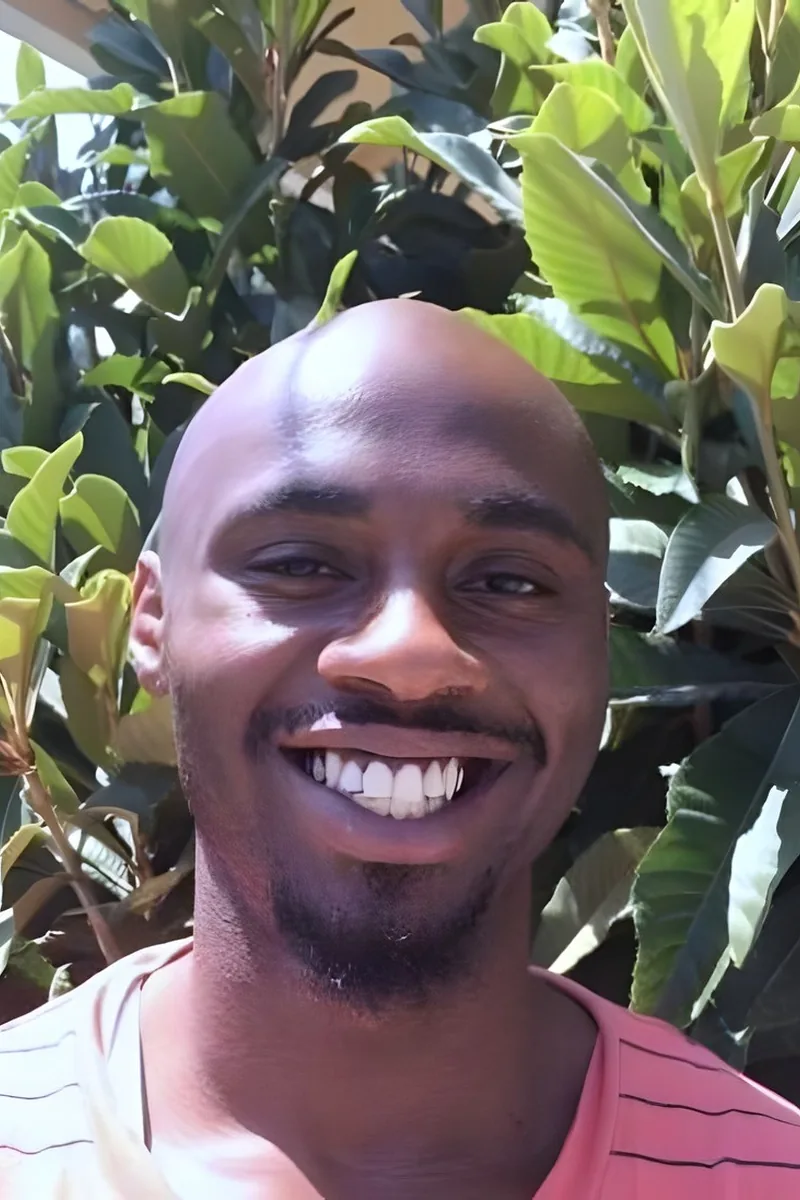
Brian prepared for and took the SAT Subject Test in Japanese with Listening, which means he's worked through the grammar structures, kanji recognition, and listening comprehension challenges that define intermediate Japanese study. He approaches language learning with the same systematic thinking he applied to economics and CS at Caltech — breaking down sentence patterns and verb conjugations into logical rules rather than pure memorization.

A drama degree might not scream Japanese fluency, but John's literary work — he's a section editor for the Los Angeles Review of Books and literary manager for two theater companies — means he's deeply attuned to how language shapes meaning, tone, and register. That sensitivity to nuance transfers directly to navigating Japanese's layered politeness levels and context-dependent sentence endings. Rated 5.0 by students.
As a native Japanese speaker with over fifty years of fluency in reading, writing, and conversation, Hatsuki teaches the language the way it's actually used — from particle usage and keigo (honorific speech) to the nuances between hiragana, katakana, and kanji in everyday contexts. She currently lives in the U.S. with her family, giving her a natural understanding of where English speakers stumble with Japanese grammar and pronunciation.
Growing up attending the Japanese Weekend School of New Jersey while enrolled in American public schools, Hidefusa developed native-level fluency in both languages and a deep understanding of where English speakers stumble with Japanese. He teaches everything from hiragana and katakana basics to kanji recognition, particle usage, and keigo (formal speech) — drawing on the bilingual instincts of someone who has lived in both linguistic worlds.
Having prepared for and taken the SAT Subject Test in Japanese with Listening, Dylan brings practical fluency in grammar structures like particle usage, verb conjugation groups, and honorific registers. He tackles reading comprehension by teaching students to decode kanji compounds in context rather than relying purely on rote memorization. Rated 5.0 by students.
Triple-majoring in Japanese, linguistics, and computer science at UMass Amherst, Connor brings both fluency and analytical rigor to teaching the language. He unpacks grammar patterns like particle usage and verb conjugation groups by connecting them to the underlying logic of how Japanese sentences are built — making new structures easier to internalize and recall.
Learning Japanese means juggling three writing systems, honorific levels, and grammar that works nothing like English — and Karen tackles all of it from firsthand experience using the language abroad. Whether a student is memorizing their first hundred kanji or practicing particle usage in complex sentences, she builds each lesson around practical communication skills.
Learning Japanese means juggling three writing systems, unfamiliar grammar structures, and a set of politeness registers that don't exist in English. Katharine brings a methodical, pattern-oriented mindset to breaking down concepts like particle usage, verb conjugation groups, and kanji radicals so that each lesson builds logically on the last.
I'm a student at Brown University with an eclectic set of interests. I am trilingual, analytical, and creative and look forward to tutoring you! :)
I am an experienced tutor and teacher from Okinawa, Japan who recently graduated from Brown University and now lives in Brooklyn.
I am a current student at the University of Vermont. I am completing two Bachelors in Linguistics and Japanese, and am a researcher for both departments. From high school to the present day I have tutored people my age and younger, and I have experience working with refugee/ELL students; I have collected 2 years of experience. Though I can tutor several subjects, I am most passionate for Japanese, and feel it is my true calling. In my experience helping those who want to learn a foreign language like Japanese, I have found that scaffolding, or building off of, your interests in film, food, literature and culture has a profound and positive effect on your learning. I love education and learning for the sake of learning, and I will soon graduate and plan to teach English in Japan; sharing language and culture is my way of helping others and the world.
Briana minored in Japanese at Michigan State, giving her a grounded understanding of the language's grammar patterns, particle usage, and writing systems — hiragana, katakana, and introductory kanji. She approaches Japanese as someone who learned it systematically in an academic setting, which means she can explain the "why" behind structures that often confuse English speakers.
Studying Japanese as a minor at Columbia — with plans to eventually work in Japan's renewable energy sector — Shin uses the language as a living tool, not just a classroom exercise. He teaches everything from hiragana and katakana basics to intermediate grammar patterns like ~てしまう and ~ことにする, adjusting to each student's level and building real conversational confidence alongside written accuracy.
Linguistics training gives Andrew a structural advantage when teaching Japanese — he understands how languages build meaning differently, which matters when explaining why particles replace prepositions or why verbs land at the end of every sentence. His background in Korean and German means he's personally navigated multiple grammar systems far removed from English, and he applies that comparative instinct to make Japanese word order and conjugation feel logical rather than arbitrary.
Testimonials
Because the right Japanese tutor makes all the difference.
Average Session Rating – Based on 3.4M Learner Ratings
Nearby Japanese Tutors
Other Riverside Tutors
Related Languages Tutors in Riverside
Frequently Asked Questions
Speaking practice is one of the biggest challenges in traditional classroom settings, especially with Riverside's average 22.8:1 student-teacher ratio. Personalized 1-on-1 instruction provides dedicated conversation time where you can practice dialogues, receive immediate feedback on pronunciation and grammar, and build confidence in real-world scenarios. Tutors can tailor conversations to your interests and proficiency level, whether you're focusing on casual daily interactions or business communication. Regular speaking practice combined with listening exercises helps you internalize natural speech patterns and develop an ear for Japanese rhythm and intonation.
Kanji mastery requires consistent, strategic practice rather than memorization alone. The most effective approach combines multiple techniques: learning kanji alongside vocabulary and sentence context (not in isolation), using spaced repetition to reinforce characters over time, and understanding the radicals and stroke patterns that give kanji meaning. A personalized tutor can create a customized learning plan based on your current level and goals, whether you're aiming for JLPT proficiency or conversational fluency. They can also help you understand how kanji connects to reading and writing skills, making the learning process feel purposeful rather than overwhelming.
Japanese verb conjugation follows consistent patterns once you understand the underlying rules, but it's easy to feel lost without clear guidance. Rather than memorizing individual forms, learning the system behind conjugation—like how different stems create tense, mood, and formality levels—makes patterns stick. A tutor can break conjugation into manageable chunks, start with the most common forms you'll actually use in conversation, and gradually build your confidence with regular practice. They can also help you see how conjugation connects to listening comprehension and speaking, so you're not just memorizing rules in isolation but understanding how they function in real communication.
Japanese proficiency typically progresses through levels: beginner (understanding basic greetings and simple sentences), intermediate (holding everyday conversations and reading simple texts), and advanced (professional communication and complex reading comprehension). The Japanese Language Proficiency Test (JLPT) uses five levels (N5 through N1), with N1 being the highest. Reaching conversational fluency generally takes several hundred hours of dedicated study—the timeline depends on how frequently you practice and study. A tutor can assess your current level, set realistic milestones for your goals, and design a progression that keeps you motivated while building all four skills: reading, writing, speaking, and listening.
Absolutely. Language and culture are deeply connected in Japanese—understanding cultural context helps you grasp nuances that grammar rules alone don't explain. For example, formality levels in speech (keigo, casual, polite) reflect cultural values about respect and social relationships. Learning about Japanese etiquette, holidays, and everyday customs makes language feel more meaningful and helps you understand why certain phrases are used in specific situations. A tutor with cultural expertise can weave these connections throughout your lessons, making your learning more immersive and helping you develop authentic communication skills that go beyond textbook Japanese.
Listening comprehension improves through exposure and targeted practice, but you need the right balance—jumping straight to native-speed media is frustrating and ineffective. Start with slower, clearer audio tailored to your proficiency level, then gradually progress to natural conversational speed. A tutor provides a valuable bridge: they speak at an appropriate pace for your level while teaching pronunciation and listening strategies. Regular 1-on-1 conversation also trains your ear to recognize natural speech patterns, intonation, and the way native speakers connect words together. Combined with supplementary listening materials, personalized instruction accelerates your ability to follow movies, podcasts, and real conversations.
You can start personalized Japanese tutoring at any level—whether you're a complete beginner or already studying in one of Riverside's 110 schools and looking to accelerate your progress. Tutors assess where you're starting from and customize instruction accordingly. Beginning with a tutor can actually be beneficial because you'll build strong foundations in pronunciation, grammar, and all four skills from the start, rather than trying to correct habits later. If you're already studying Japanese, a tutor can identify gaps, tackle challenging concepts like kanji or conjugation, or provide the speaking practice that classroom instruction often lacks. Either way, personalized instruction helps you progress faster and more confidently than going it alone.
Let’s find your perfect tutor
Answer a few quick questions. We’ll recommend the right plan and match you with a top 5% tutor.