Award-Winning AP Environmental Science Tutors
serving Riverside, CA
AP Environmental Science
Tutors in Riverside
Private 1-on-1 tutoring, weekly live classes for academic support, test prep & enrichment, practice tests and diagnostics, and more to elevate grades and test scores.
Based on 3.4M Learner Ratings
UniversitiesSchools & Universities
DeliveredHours Delivered
ProficiencyGrowth in Proficiency
Who needs tutoring?
No obligation. Takes ~1 minute.
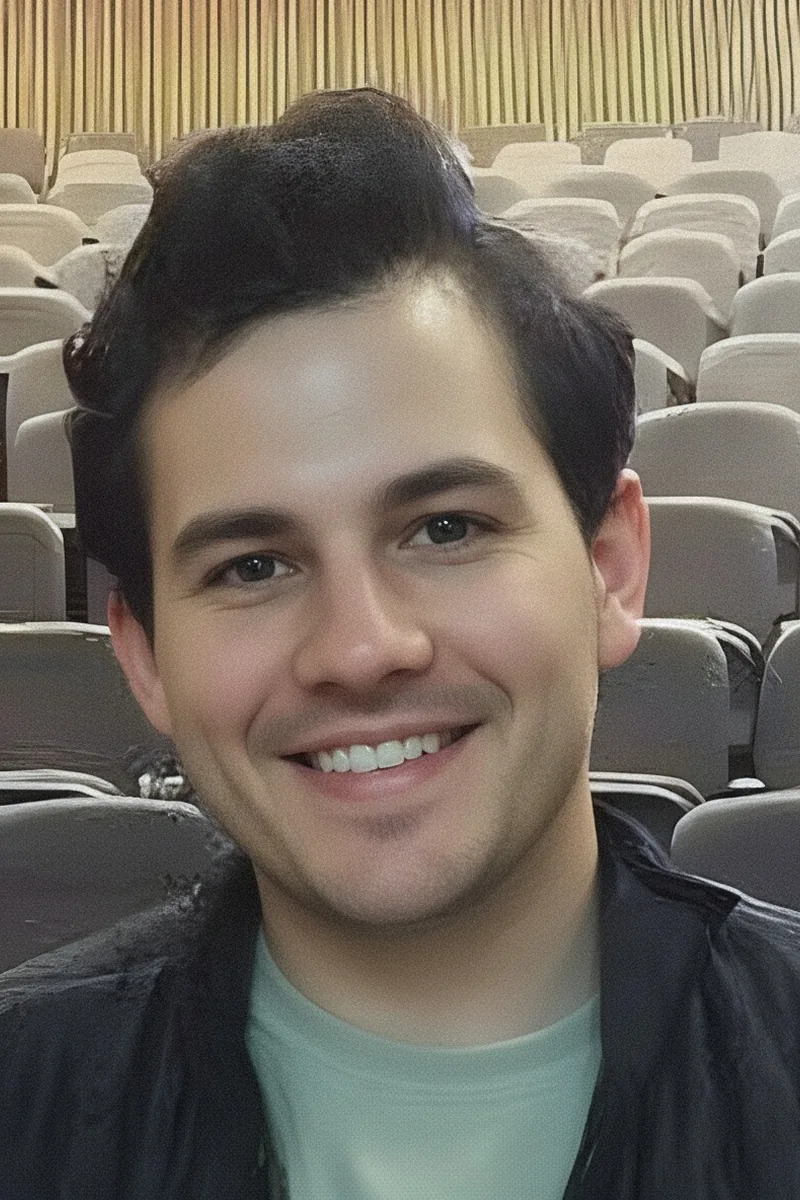
Geophysics sits at the intersection of earth systems and physical processes — so when Derrick teaches APES topics like plate tectonics, soil formation, or how geological activity shapes resource distribution, he's drawing on coursework that goes well beyond the AP curriculum. He also brings strong math and physics chops to the quantitative side of the exam, tackling energy budget calculations and atmospheric modeling problems that pure memorization won't solve. Rated 5.0 by students.
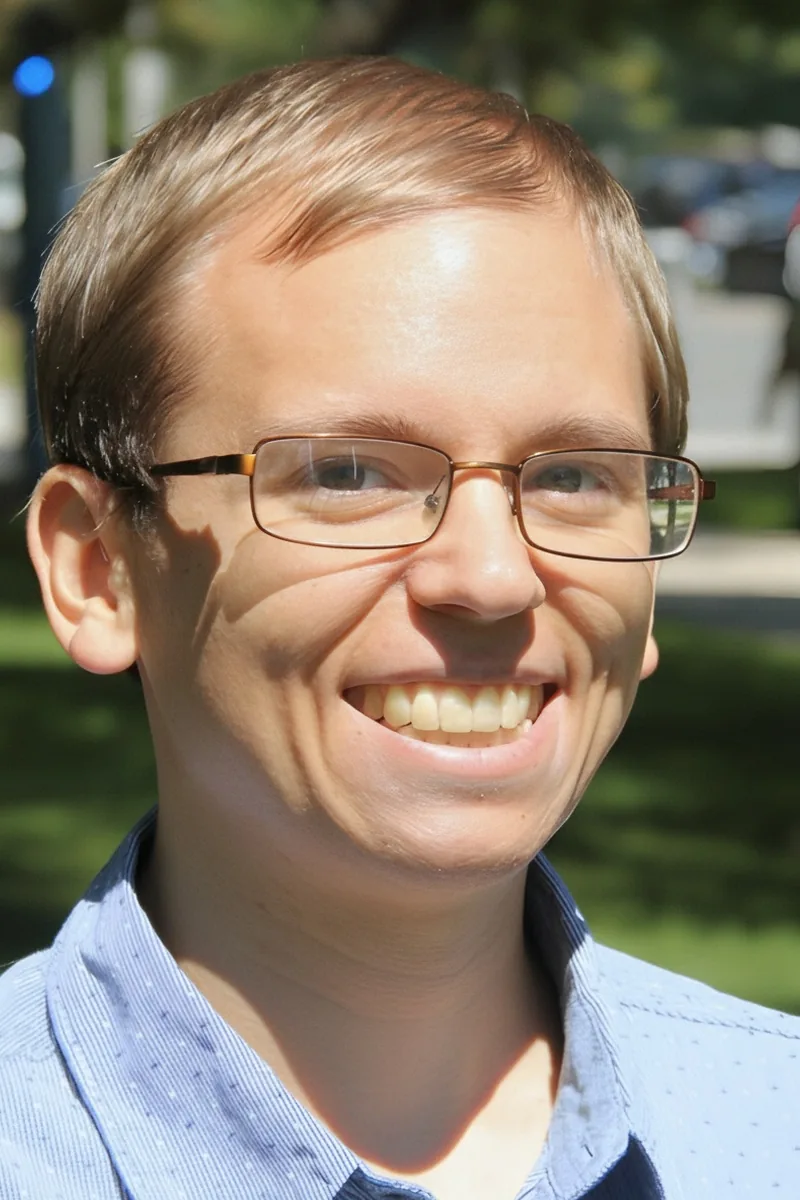
Running experiments in a cellular and molecular biology lab at Harvard Medical School means Patrick deals daily with the biological mechanisms — photosynthesis efficiency, cellular respiration pathways, microbial nutrient cycling — that APES only touches at the ecosystem level. He unpacks those processes so students understand *why* energy transfer is inefficient or *how* nitrogen moves through soil, which turns vague textbook definitions into answers that earn full marks on free-response questions. Rated 5.0 by students.
Studying Human Biology at Stanford with a concentration in health policy gives Jake a direct line into the APES units on public health, pollution, and environmental legislation — he understands how ecological disruptions translate into real human consequences, which is exactly the kind of reasoning the free-response section rewards. His 34 ACT and 5.0 tutoring rating back up an approach that emphasizes connecting biological systems to their policy implications rather than treating each unit as isolated material.
A physics degree builds the kind of systems thinking that translates directly to APES — understanding energy budgets, thermodynamic constraints on ecosystems, and how to set up the quantitative problems around resource depletion or atmospheric carbon that the exam loves to test. Nima applies that physics-trained rigor to topics like global energy flow and climate modeling, where students who only memorize vocabulary tend to lose points on calculation-heavy free-response questions.
Most APES tutors come at the subject from biology or policy — Courage holds a Master's in Environmental Science, meaning he studied climate systems, land degradation, and resource management as his primary discipline, not a sidebar. He digs into the interconnections between Earth systems that the exam's free-response questions demand, teaching students to trace how a single disruption — deforestation, nutrient runoff, atmospheric CO₂ increases — ripples across multiple units.
Sofia's ecology concentration at the University of Chicago means AP Environmental Science isn't a subject she just studied — it's her field. She unpacks FRQ-heavy topics like biogeochemical cycles, biodiversity loss, and energy resource tradeoffs with the depth of someone who does research in a neurobiology lab and thinks about ecosystems professionally. That firsthand scientific context makes the difference between memorizing vocabulary and actually understanding environmental systems.
Todd's biology degree from UIUC gives him the ecological and cellular foundations that underpin APES topics like nutrient cycling, energy flow through trophic levels, and ecosystem disruption — and his social work training adds a surprisingly useful lens for the policy and human-impact questions that dominate the free-response section. He teaches students to trace cause-and-effect across units, which is the skill the exam actually scores on. Rated 5.0 by students.
Sophie's Peace and Justice Studies program at Tufts dives deep into the social and policy dimensions of environmental issues, giving her a perspective on AP Environmental Science that goes well beyond textbook ecology. She connects topics like biodiversity loss, resource management, and pollution legislation to the real-world case studies that frequently appear on the AP exam's free-response questions.
Pharmacy students spend semesters on toxicology, chemical fate in biological systems, and dose-response relationships — concepts Amy applies directly to APES units on pollution, bioaccumulation, and human health impacts. Her biology minor at Northeastern reinforces the ecological side, from nutrient cycling to population dynamics, and a 1550 SAT signals the quantitative precision needed for the exam's calculation-heavy free-response questions. Rated 4.9 by students.
Before she ever tutored APES, Jenna was on the other side — she used tutoring herself in high school to push through tough coursework and earned a 31 ACT and full-tuition scholarship along the way. That experience gives her a sharp read on where students get stuck, especially on the policy and legislation units where environmental science intersects with the kind of big-picture cause-and-effect reasoning she sharpened across her humanities and writing coursework. Rated 4.9 by students.
Ashley's dual degrees in the Science of Natural and Environmental Systems and Economics mirror exactly what APES demands — the ability to think across ecological principles and the human economic forces driving resource depletion, land use change, and pollution policy. She tackles topics like cost-benefit analysis of environmental regulations and the economics behind tragedy-of-the-commons scenarios with genuine subject fluency, not just textbook familiarity.
Biology majors have an advantage in APES that's easy to overlook — Krisha's coursework in cellular biology and ecology means topics like biogeochemical cycles, trophic levels, and population growth models aren't abstract vocabulary terms but concepts she's studied with real depth. She also scored a 36 on the ACT, so the data-interpretation and calculation questions that blindside students expecting a soft science course are squarely in her wheelhouse. Rated 5.0 by students.
Testimonials
Because the right AP Environmental Science tutor makes all the difference.
Average Session Rating – Based on 3.4M Learner Ratings
Practice AP Environmental Science
Free practice tests, flashcards, and AI tutoring for AP Environmental Science
Nearby AP Environmental Science Tutors
Other Riverside Tutors
Related Science Tutors in Riverside
Frequently Asked Questions
Score improvement depends on your starting point and study effort, but students who work with expert tutors typically see meaningful gains. Many students move from a 2 or 3 to a 4 or 5 with focused preparation, particularly when tutoring addresses specific weak areas like data analysis or unit-specific concepts. The key is identifying your knowledge gaps early and dedicating consistent time to practice—tutors can help accelerate this process by personalizing instruction to your needs.
The AP Environmental Science exam has two sections: a 90-minute multiple-choice section (80 questions) and a 90-minute free-response section (3 questions). Success requires balancing broad content knowledge across all units (Earth systems, ecosystems, human populations, etc.) with strong analytical skills. Tutors can help you develop time-management strategies for both sections and teach you how to approach free-response questions, which often require connecting multiple concepts and interpreting real-world data.
Students often struggle with quantitative skills—particularly calculations involving population growth, energy flow, and water/nutrient cycles—as well as understanding complex systems and their interactions. Graph interpretation and data analysis are also frequent pain points. Additionally, students sometimes find it difficult to connect abstract concepts like biogeochemical cycles to real-world environmental issues. Personalized tutoring can break down these challenging topics into manageable pieces and help you practice with real AP-style questions.
Practice tests should be used strategically throughout your study plan, not just at the end. Take your first diagnostic test early to identify weak areas, then take timed section-specific practice tests as you learn new units. About 4-6 weeks before the exam, shift to full-length timed practice exams to build stamina and refine pacing. After each practice test, spend time analyzing mistakes—not just the wrong answer, but why you chose it and what concept you missed. Tutors can guide this review process and help you develop test-taking strategies specific to your weaknesses.
The timeline depends on your current understanding and target score. Students preparing for the AP Environmental Science exam typically benefit from 2-4 months of focused preparation, with sessions once or twice per week. If you're starting with significant gaps in foundational concepts, beginning earlier (4-6 months) with consistent tutoring helps build a stronger knowledge base. Tutors can assess your starting point and recommend a personalized study plan that fits your schedule and goals.
Free-response questions require you to integrate knowledge, interpret data, and communicate clearly—skills that improve with targeted practice. Start by understanding the question format and what each question type (calculations, explanations, analysis) is asking for. Then practice writing responses under timed conditions, which helps you learn to organize your thoughts quickly and write concisely. Tutors can review your responses, give feedback on clarity and accuracy, and teach you how to earn all available points by addressing what the rubric is looking for.
Varsity Tutors connects you with expert tutors who specialize in AP Environmental Science and understand the exam's demands. When you reach out, you'll be matched with a tutor based on your specific needs, schedule, and learning style. Whether you need help with a particular unit, building test-taking strategies, or comprehensive exam preparation, you'll work with someone qualified to guide your success. Getting started is straightforward—just tell us your goals and we'll handle the matching process.
Let’s find your perfect tutor
Answer a few quick questions. We’ll recommend the right plan and match you with a top 5% tutor.