Award-Winning Literature Tutors
serving Gilbert, AZ
Literature
Tutors in Gilbert
Private 1-on-1 tutoring, weekly live classes for academic support, test prep & enrichment, practice tests and diagnostics, and more to elevate grades and test scores.
Based on 3.4M Learner Ratings
UniversitiesSchools & Universities
DeliveredHours Delivered
ProficiencyGrowth in Proficiency
Who needs tutoring?
No obligation. Takes ~1 minute.
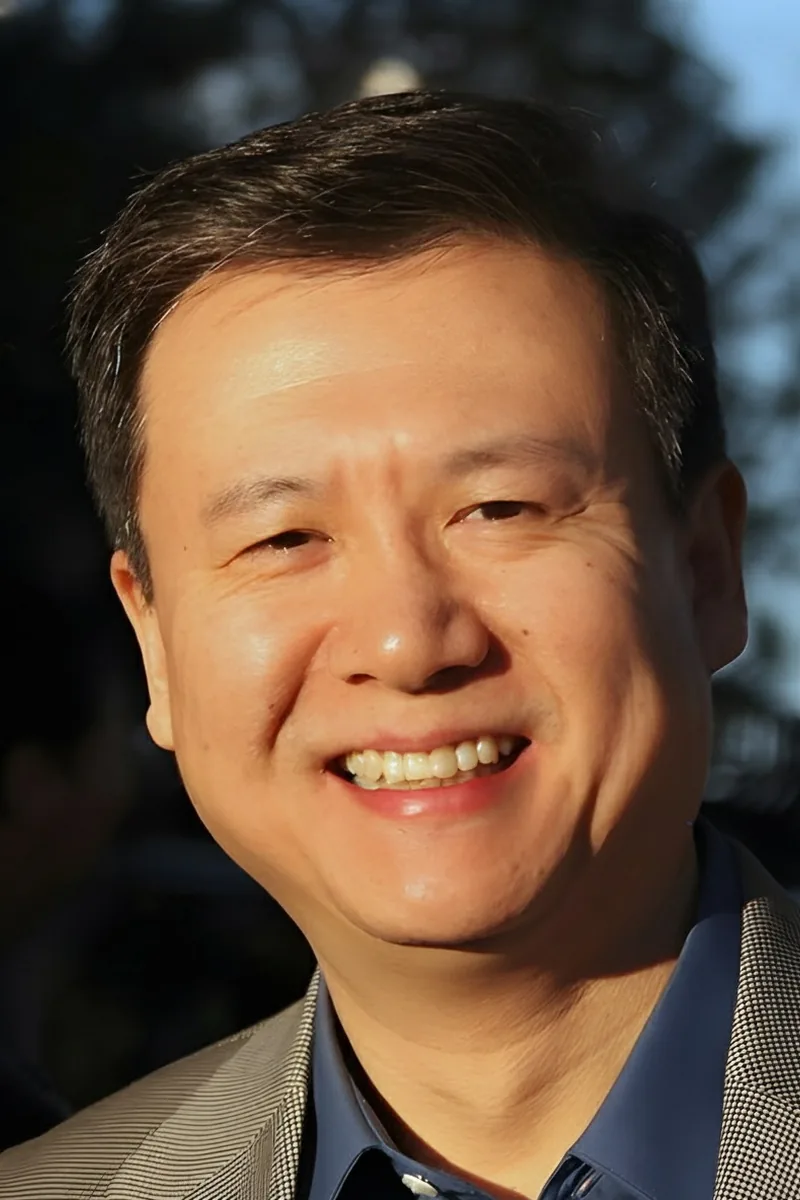
Tim's approach to literature leans analytical: he teaches students to dissect an author's argument or theme the way an engineer would reverse-engineer a system, tracing how structure, diction, and imagery each serve a purpose. That methodical lens is especially useful for students who feel confident in STEM but freeze when asked to write about symbolism or unreliable narrators.
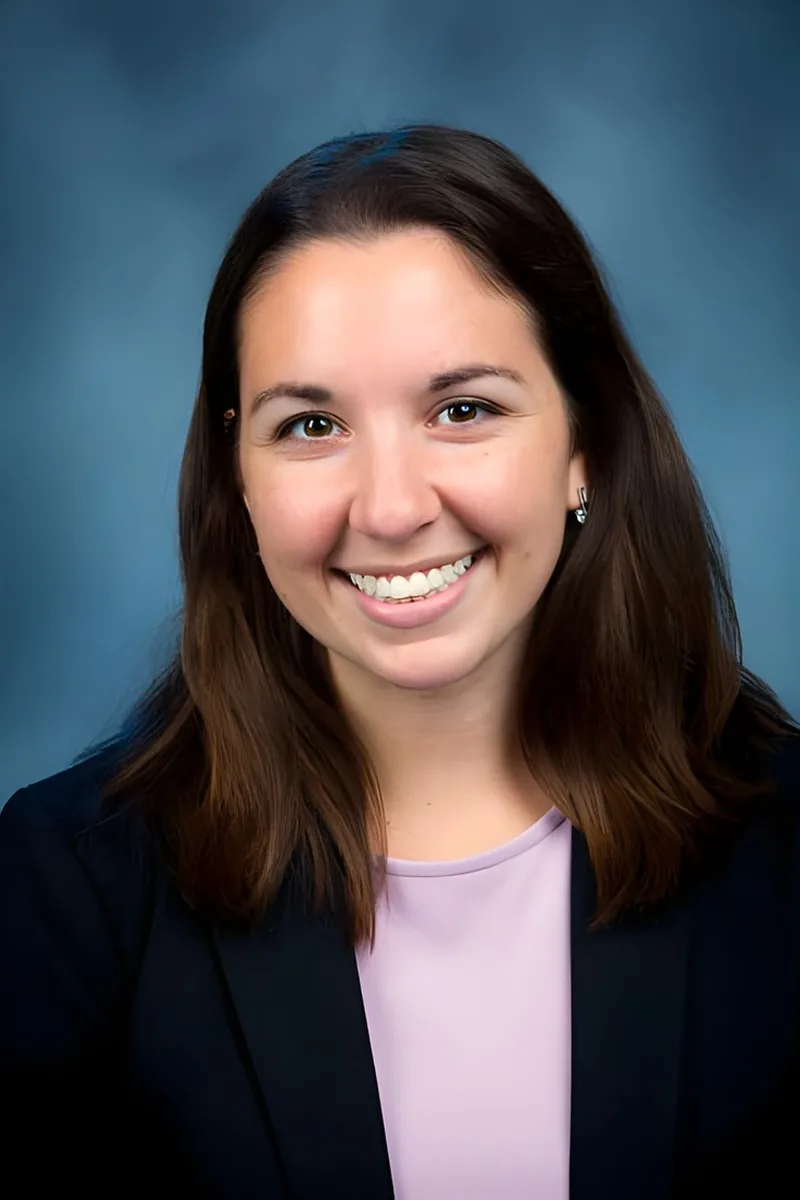
Reading a novel for class and actually analyzing it are two different skills, and the gap between them is where most students lose points. Bridget teaches close-reading techniques — tracking imagery, identifying narrative shifts, connecting a character's choices to larger themes — so that essays and class discussions become easier to navigate.
I am a graduate student currently working on my Master's Degree in Big Data Systems.
Reading a novel for class and actually analyzing it are two very different skills. Chelsea teaches students to dig into literary devices like symbolism, narrative structure, and character motivation so they can build arguments about a text rather than just retell the plot. Her lifelong reading habit and writing experience make her a natural fit for close-reading conversations.
Studying both English and Asian Studies at ASU's Honors College, Ben reads across literary traditions and time periods — from classical Latin texts to modern global fiction. He teaches students to move past surface-level summary and build arguments around theme, narrative structure, and authorial intent, skills that show up in class discussions and analytical essays alike.
Reading a novel and actually analyzing it are two very different skills, and Audrey loves bridging that gap. She teaches students to dig into themes, character motivation, and literary devices — pulling specific evidence from the text to support an argument rather than offering surface-level summaries. Her own love of reading comes through in sessions and tends to be contagious.
Biomedical engineering papers bury their most important findings in dense results sections — reading them well means slowing down and asking what each detail contributes to the larger argument. Dale applies that same habit of precise, purposeful reading to literature, teaching students to trace how an author's choices in imagery or dialogue build toward a specific thematic claim. Rated 5.0 by students.
Reading a novel for class is one thing; constructing an argument about its themes, symbols, or narrative structure is an entirely different skill. Niabari's psychology background gives her a sharp lens for character motivation and subtext, and she teaches students to move from surface-level summary to the kind of close reading that produces strong analytical essays.
Reading a novel closely means learning to ask the right questions: why does this narrator contradict herself, what does this recurring image actually do, how does structure shape meaning? Galen's philosophy training gave him the tools to dissect arguments and language at a granular level, which translates directly into the kind of textual analysis literature courses demand.
Reading a novel for class and actually analyzing it are two very different skills. Alexis teaches students to dig into literary devices — symbolism, narrative perspective, unreliable narrators — and build arguments about what a text is doing, not just what it's about. Her religion studies background adds an unusual lens for interpreting themes of morality, identity, and cultural context across classic and contemporary works.
Analyzing literature is really about building an argument from textual evidence — identifying how an author's choices in imagery, structure, or dialogue create meaning. Courtney's training in analytical writing across both her science degrees and her GRE prep gives her a structured framework for close reading that transfers well to poetry, novels, and drama. She teaches students to move from observation ("the author uses water imagery") to interpretation ("here's what it accomplishes and why it matters").
Reading literature well means arguing with a text — asking why a narrator is unreliable, what a symbol is doing structurally, how tone shifts between paragraphs. Elizabeth's graduate training in political science sharpened exactly this kind of critical analysis, and she applies it to everything from Shakespeare to contemporary fiction.
Reading literature well means noticing what an author chose *not* to do — why Austen uses free indirect discourse instead of first person, or why Morrison fractures her timelines. Michelle's comparative literature training across multiple traditions gives her a wide lens for connecting themes, and she brings that range to everything from Shakespeare to contemporary fiction. Rated 5.0 by students.
Studying global politics means reading constantly — dense theoretical texts, historical narratives, cross-cultural perspectives — and Ivanna brings that same close-reading discipline to literature. She teaches students to trace themes, analyze an author's rhetorical choices, and build interpretive arguments that go beyond surface-level summary.
Reading literature analytically is surprisingly similar to reading scientific papers — both demand close attention to structure, argument, and what the author chose not to say. Kristi brings that rigorous interpretive lens to poetry, novels, and drama, teaching students how to build a textual argument rather than just summarize plot. Rated 5.0 by students.
Interpreting literature requires reading not just for plot but for how language itself constructs meaning — metaphor, narrative voice, irony, unreliable narration. Linda's philosophy training adds a dimension most English tutors lack: she teaches students to identify and evaluate the arguments a text is making beneath its surface. Her experience spans American literature, world literature, and the kind of close-reading skills that transfer across any period or genre.
Reading literature well means learning to ask better questions of a text — not just what happens, but how imagery, narrative structure, and point of view shape meaning. Annelisa's Yale education immersed her in close reading across genres, from American novels to political journalism, and she brings that same analytical lens to whatever her students are tackling. She's especially sharp at teaching students to build interpretive arguments that go beyond plot summary.
Reading literature closely is a skill Alice sharpens from two directions: the analytical rigor of her science training at Yale and a genuine love of language and narrative. She teaches students to build interpretive arguments by tracing specific patterns — imagery, syntax, point of view — rather than summarizing plot or guessing at themes. Whether the text is a nineteenth-century novel or a contemporary short story, she unpacks how craft choices create meaning.
Reading a novel closely means learning to track motifs, unreliable narrators, and shifts in tone that most students skim right past. Jake teaches literary analysis as a skill — how to build an argument about a text using evidence from structure, diction, and context rather than just plot summary. Rated 4.9 by students, he covers everything from Shakespeare to contemporary fiction.
Between dental school applications, DAT prep, and a microbiology degree, Daniel has spent years writing under pressure — skills he now brings to breaking down literary texts. He teaches students to treat a passage like a specimen: examining tone, word choice, and narrative structure piece by piece to build an interpretation that goes beyond surface-level summary.
Reading a novel is one thing; building an interpretation that holds up under scrutiny is another skill entirely. Diana spent years in graduate philosophy seminars at Brown dissecting complex texts and defending close readings — exactly the kind of analytical muscle that literature courses demand. She teaches students to identify rhetorical moves, trace thematic patterns, and turn observations into thesis-driven arguments.
A philosophy degree sharpens one skill above all others: reading a text closely enough to find what the author is actually doing beneath the surface. Rachelle applies that training to literary analysis — teaching students to trace themes, identify narrative structure, and build interpretive arguments about poetry, novels, and drama. Her Summa Cum Laude honors from Arizona State reflect the rigor she brings to every close reading.
An anthropology degree from Washington and Lee means Alex spent years doing exactly what literature courses demand: close reading of complex texts and building interpretive arguments from textual evidence. He's especially strong at teaching students to move past plot summary and dig into how an author's choices — structure, diction, point of view — create meaning.
A triple BA holder with deep roots in history and the humanities, John reads literature as argument — asking what a text is doing, not just what it's about. He unpacks everything from unreliable narrators to thematic symbolism by connecting works to their historical and intellectual contexts, which makes analysis feel less like guesswork.
Literary analysis clicks when a student stops summarizing plot and starts asking why an author made a particular choice — why Fitzgerald uses color the way he does, or what an unreliable narrator reveals about a text's deeper argument. Arshia teaches students to build interpretive claims grounded in textual evidence, a skill that transfers directly to stronger essays and class discussions.
I am Arizona born and raised, my education includes an NYC law school degree with an undergraduate BS degree from University of Miami. In college I majored in Health Sciences with minors in Psychology and Public Health while in law school I leaned into corporate law and finance. Between law school and college I've pretty much covered every topic under the sun! In my spare time, I enjoy reading (especially mystery novels), pretending I'm a chef, and meditating.
I am a graduate student at Arizona State University studying Human and Social Dimensions of Science and Technology, and am passionate about the value of education at all levels. Previously I worked at the US Department of Energy on energy technology in Washington, DC. I have enjoyed setting up roots in Phoenix over the past few years, and am excited about sharing my knowledge and passion for learning with others in the area.I have a knack for explaining complicated ideas to people in simple terms, enjoy deepening people's understandings of issues, and value education highly. All of these characteristics make me an ideal tutor for Varsity Tutors, and I look forward to the opportunity to share my academic experiences and skills with tutees. In addition, I can give an expert's perspective on a wide range of topics including political science, public policy, various topics in science and technology, as well as an academic success-oriented mindset.
Elise's philosophy minor at Marquette trained her to read texts closely, identify underlying arguments, and question what an author leaves unsaid — skills that map directly onto literary analysis. She approaches novels, poetry, and drama by teaching students to build interpretive claims grounded in textual evidence rather than surface-level summary. That analytical rigor makes essay writing and class discussion significantly sharper.
An avid reader who counts books among her top hobbies, Megan approaches literature by teaching students to ask better questions of a text — not just "what happened" but "why did the author structure it this way?" She unpacks elements like unreliable narrators, symbolism, and thematic development in ways that connect to students' own experiences. Her writing background also means she can coach literary analysis essays alongside the reading itself.
Chemical engineering coursework generates a surprising amount of writing — lab reports, technical summaries, peer reviews — and Alex's SAT Writing score of 1560 composite confirms that precision with language extends well beyond the lab. He applies that same rigor to literary analysis, teaching students to zero in on how an author's specific choices in tone or figurative language build a larger argument. Rated 5.0 by students.
Reading literature across cultures changes how you interpret symbolism, narrative voice, and theme. Kyle's international and area studies degree exposed him to texts from vastly different traditions, and he brings that comparative lens to everything from close reading poetry to analyzing the structure of a novel.
An avid fiction reader, Thara digs into literary analysis the way her Duke pre-med courses taught her to dissect evidence — by looking closely at what's actually on the page before drawing conclusions. She walks students through how to trace themes, unpack symbolism, and build interpretive arguments about novels, poetry, and drama that hold up under scrutiny.
Robert's psychology background gives him an unusual lens for literature: he digs into character motivation, narrative perspective, and the psychological dynamics driving conflict in a text. Whether a student is analyzing a Shakespearean soliloquy or a modern novel, he teaches them to build interpretive arguments grounded in textual evidence rather than surface-level summary.
Reading a novel for class and actually analyzing it are two very different skills. Jamila teaches students to identify literary devices like symbolism, unreliable narration, and thematic motifs, then translate those observations into clear, evidence-driven arguments — the kind that earn strong marks on essays and class discussions alike.
Studying history at the undergraduate level and law at the graduate level gave Jeff years of practice pulling arguments out of dense, complex texts. He brings that same close-reading discipline to literature — teaching students to trace a theme through a novel, analyze an author's rhetorical choices, and back up interpretations with specific textual evidence.
Reading literature analytically is surprisingly similar to debugging code: you look at the pieces, figure out what each one is doing, and trace how they connect. Ken applies that structured thinking to close reading, teaching students to unpack how an author's choices in diction, imagery, or structure create meaning rather than just summarizing plot.
Theater training sharpens how you read a text — Jacob approaches literature by teaching students to analyze character motivation, subtext, and narrative structure the way a director breaks down a script. His psychology background adds another layer, especially when unpacking unreliable narrators or the psychological realism in authors like Dostoevsky or Toni Morrison. Rated 5.0 by students.
I am here because I thoroughly enjoy working with students and watching them succeed in their academic studies. As a Mathematics major at the University of Arizona (currently a junior), I have extensive experience teaching and tutoring: I have been a teacher's assistant for a Calculus II section at my university and have spent a great deal of time assisting students with non-math related subjects as well such as English and essay-writing, time management and study skills techniques, and standardized test prep (SAT).
College essays, grammar, and English are already in Brodie's regular rotation, so when he sits down with a literary text, he reads it with an engineer's question: what is this structure actually doing? His biomedical engineering training at ASU's Barrett Honors College built a habit of reading technical material where every detail justifies its presence — a habit he applies to identifying how an author's choices in pacing, dialogue, or figurative language serve a larger purpose. Rated 5.0 by students.
Reading a novel for class and actually analyzing it are two very different skills. Luke teaches students to dig into literary devices like unreliable narration, symbolic structure, and shifts in tone, then translate those observations into arguments that hold up in essays and class discussion.
Testimonials
Because the right Literature tutor makes all the difference.
Average Session Rating – Based on 3.4M Learner Ratings
Other Gilbert Tutors
Related English Tutors in Gilbert
Frequently Asked Questions
Varsity Tutors matches Gilbert students with expert Literature tutors for 1-on-1 instruction. We pair each student with a tutor based on their specific needs, learning style, and goals.
Whether you need homework help, exam prep, or want to get ahead, our Literature tutors are ready to help.
Common challenges include gaps from earlier material, difficulty with specific concepts, and trouble applying learning to new problems. These issues can snowball quickly in Literature.
A tutor identifies where you're stuck, fills in gaps, and provides targeted practice. The 1-on-1 format means you get help exactly where you need it.
Tutors work with your student's actual coursework—homework assignments, class notes, and upcoming tests. This keeps tutoring directly relevant to what's happening in the classroom.
When you share information about your student's school and curriculum, we can match you with a tutor who has relevant experience.
All tutors complete background checks, credential verification, and teaching evaluation. Many of our Literature tutors hold advanced degrees or have years of teaching experience.
You can review tutor profiles to find someone with the right background for your student's level and needs.
Many students see improved grades within a few weeks, along with better understanding of Literature concepts and more confidence tackling challenging material.
Tutors track progress and adjust their approach to ensure continued improvement.
Most students benefit from 1-2 sessions per week. More frequent sessions help if your student is significantly behind or has an important exam coming up.
Your tutor can recommend a schedule based on your student's specific situation and goals.
Tutoring is purchased in packages of hours, with rates varying by tutor experience. Varsity Tutors offers several options to fit different budgets and needs.
You can discuss pricing during your consultation to find what works best.
Your tutor will assess where your student is, discuss goals, and start working on priority areas. Most students bring current homework or upcoming test material to focus on.
By the end, you'll have a clear sense of how the tutor can help and a plan for moving forward.
Let’s find your perfect tutor
Answer a few quick questions. We’ll recommend the right plan and match you with a top 5% tutor.