Award-Winning GRE
Tutors
GRE
Tutors
Private 1-on-1 tutoring, weekly live classes for academic support, test prep & enrichment, practice tests and diagnostics, and more to elevate grades and test scores.
Based on 3.4M Learner Ratings
UniversitiesSchools & Universities
DeliveredHours Delivered
ProficiencyGrowth in Proficiency
Who needs tutoring?
No obligation. Takes ~1 minute.
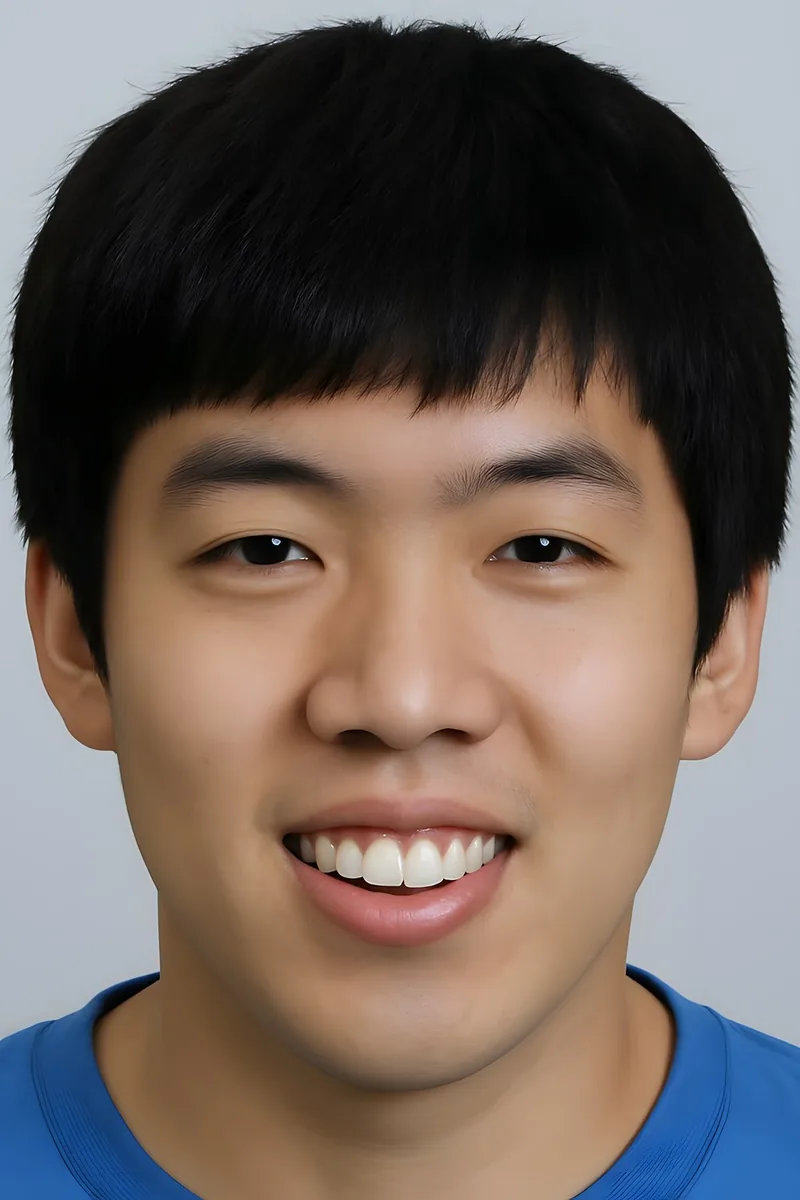
Thomas covers both the quantitative and verbal sides of the GRE, drawing on a math-heavy science background that spans calculus through statistics and a graduate education built on reading and writing analytically. For the Quantitative Reasoning section, he digs into probability, number properties, and data interpretation — areas where many test-takers lose easy points. On the Verbal side, he teaches strategies for breaking apart dense reading passages and eliminating answer choices systematically.
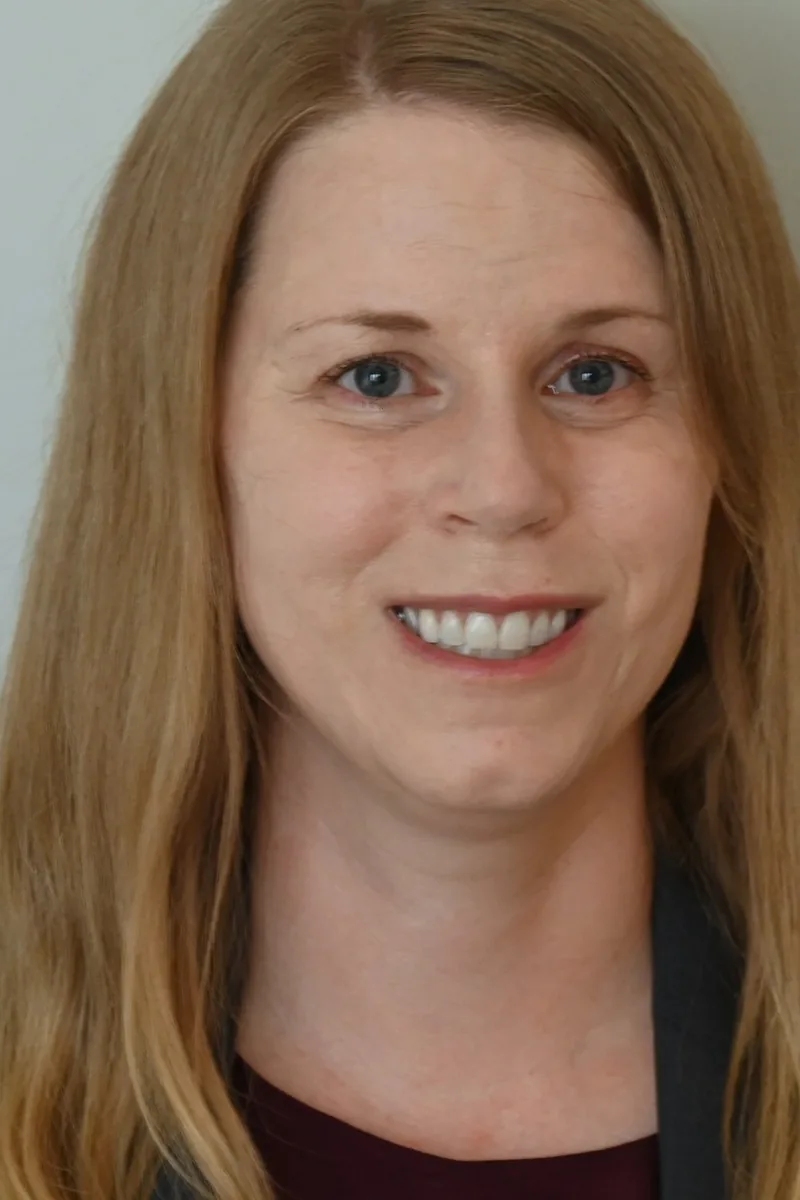
Elizabeth scored 730 Verbal and 770 Quantitative on the GRE and teaches exclusively from ETS materials, since those mirror test-day question styles more closely than third-party prep books. She built her approach over years of classroom instruction at American University and Princeton Review, creating structured guides for every section — from Data Analysis formulas to Issue Essay frameworks — so students always know exactly what to study next.
Ruth has taken the GRE from both sides — as a test-taker entering her PhD program in Criminology and as someone who now teaches all three sections. Her doctoral training sharpens the Analytical Writing component, while her math teaching background means she can break down Quantitative Reasoning problems involving probability, combinatorics, and data interpretation without relying on shortcut tricks. Rated 4.9 by students, she builds section-specific strategies that adapt to each person's score gaps.
Preparing for the GRE as a whole means juggling Verbal, Quantitative, and Analytical Writing — three sections that reward very different skills but share a common thread of logical reasoning. Irina's science background covers the quantitative side, while her years of teaching English abroad and earning an MPH give her genuine range across the verbal and writing sections. She builds study plans around diagnostic weaknesses rather than generic timelines.
I am a graduate of Grinnell College, a private liberal arts college located in Grinnell, Iowa. I have a Bachelor of the Arts in Computer Science from Grinnell's Department of Math and Computer Science. Since graduation I have tutored students of a wide variety of ages and background in a number of subjects. I have tutored middle school students in the Chicago area in Math and science and high school students in advanced Math, chemistry, writing, and helped them prepare for standardized tests for college admittance. I have also tutored adults preparing for academic proficiency tests for their jobs and with GRE prep for those interested in going to graduate school. Additionally I have taught English grammar, reading, and conversational skills to ESL students in Chicago, Ecuador, and Colombia. While I tutor a number of subjects, I particularly enjoy helping students with standardized test strategy and following their scores as they increase towards their goal. When I tutor, I aim to lead students to an answer by example so that they can see the reasoning involved themselves, rather than me just telling them the answer. The more the students can come to their own solutions, the more memorable the lessons will be. In my spare time I enjoy reading, playing skill games like scrabble, bridge, and poker, and outdoor activities like biking, camping, and canoeing when the weather is nice.
Scoring 5s on both AP English exams and the AP Psychology exam, Destiny knows how to dissect reading passages under pressure and construct tight analytical arguments — two skills that drive GRE Verbal and Analytical Writing scores. Her psychology background at Howard University also built the quantitative reasoning habits (interpreting data, working through statistical relationships) that carry over to the GRE's math section. She breaks the test into repeatable strategies so students spend less time second-guessing and more time executing.
I have tutored and/or taught mathematics since 2009. I have received graduate degrees in mathematics from Clark Atlanta University and the University of Florida. I am very patient with my students and strive to develop their skills, strategies and critical thinking.
Reviews from students: "I loved how you explained math. You were able to explain formulas so they made sense and it was engaging. Thank you for making math interesting." - Ferol Conklin "I have published over 20 articles, and no one has ever edited my articles as thoroughly or as helpfully as you did." - Mark Ragel "The instructor was the best I had at this university." - Spanish student, University of Illinois "Elle was kind, patient, and funny. She seemed to really enjoy teaching." - Spanish student, University of Illinois I have three years professional teaching experience and several years of tutoring experience. I have always been a teacher at heart. I feel my biggest strength as a tutor is looking at material from the perspective of the student. I have also been described as a calm, patient, passionate, and fun tutor. I think lesson plans should be interesting to motivate students to care about the subject and engage in the process of learning. I worked as a Spanish TA at the University of Illinois for two years as as the main instructor for over 200 students. I have also worked as a middle school teacher. I have experience tutoring a variety of subjects, including test prep, reading and writing, and various levels of math. My degrees are in Linguistics, Spanish, and Journalism, with a minor in Math.
I have always been passionate about math and science. I love to teach others about these subjects so that they can appreciate and understand the material as well. I have a bachelors of science degree in Biology from the University of Florida. I know that many K-12 students loose interest in math and science because of inadequate teaching of these subjects. I want to help students do well in their math and science classes so they can succeed in school and use this knowledge in their future jobs and careers.
Hi, I'm Marissa! I scored a 36 on the ACT (100th percentile) and a 521 on the MCAT (98th percentile), and I love helping students achieve their academic goals. I break complex concepts into clear, manageable steps while creating a supportive, encouraging environment where questions are always welcome. My goal is to help you build confidence, strengthen your understanding, and succeed. I look forward to working with you!
I'm a tutor with over 7 years of experience helping students gain confidence and improve in math, SAT/test prep, statistics, and computer programming. I've worked with a wide range of learners, from students who need to strengthen fundamentals and overcome test anxiety to high-achieving students pursuing top scores and ambitious academic goals. My teaching style is patient, structured, and highly personalized. I break challenging concepts into simple, manageable steps, adapt each lesson to the student's pace and learning style, and use clear explanations, targeted practice, and real-world examples to make learning more approachable and engaging. I also believe great tutoring is not just about getting the right answer, but about helping students understand why it works, think independently, and build lasting confidence they can carry into future classes and exams.
Teaching has been a lifelong passion of mine. What drives me is sharing knowledge while genuinely connecting with others. I discovered my love for tutoring in high school and have been dedicated to it ever since. At Stanford University, I earned a BS in Human Biology and Chemistry while continuing to tutor throughout, advancing to Lead Tutor. After graduation, I spent a year as a Teaching Associate, designing and delivering course content which significantly broadening my pedagogical approach. What sets me apart is my versatility. Having served as both tutor and instructor, I can adapt my teaching style to each student's unique needs, whether that be building up foundational skills or pursuing advanced mastery. I'm now pursuing graduate studies at The Johns Hopkins School of Medicine, staying engaged with cutting-edge science while maintaining my commitment to education. I look forward to helping you achieve your academic goals!
I am a Yale University Berkeley College graduate of the Yale Class of 2012 with an Intensive B.S. in Molecular, Cellular, and Developmental Biology. Eager for tutoring opportunities, I welcome any of you who wishes to undergo SAT/PSAT or ACT Test Preparation that will get you the scores you need for admission to the college of your choice. As for my experience, I have tutoring experience in both one-to-one settings, going as far back as high school, and group/classroom settings, especially from my 4 years of tutoring with Yale MATHCOUNTS. As a likely future graduate student myself, it is my general goal in life to continue the tradition of passing forth knowledge. Not surprisingly, I have always considered tutoring and education among the most noble of professions where both parties, student and teacher, benefit and learn. What makes me an excellent tutor? Over the course of my life I have had the good fortune of cultivating a variety and number of skill sets, some of which are academic and social in nature. While I certainly consider academic prowess important for the success of any instructor, I would say the most important skill set I have developed is that of adaptability. If a tutor can adapt him/herself to the mode and manner of thinking of another, the tutor, as well as the tutor's audience, will have especially effective and enriching transactions.
I am an entrepreneurial travel-loving media professional living in New Orleans. I have a Master in Business Administration from Tulane University and I love teaching all sorts of subjects, especially math. In terms of hobbies, you can find me long-distance running, studying data science, exploring new restaurants and traveling the world.
I love helping students build confidence in math, STEM, and the standardized testing process! I'm looking forward to working together to find the learning method that best suits you. Breaking down complex ideas to understand them bit by bit can help you love these subjects as much as I do!
**"BYE TO AI" DISCLAIMER: In an environment where tutors use AI to research, plan lessons, and even give students feedback, I have a zero tolerance policy for AI tools and materials, and I commit to NOT using them in our work together whatsoever.** ABOUT ME: Award-winning writer and classical soprano. Bachelor's degree from Vanderbilt University in history; second major in voice; minor in Italian; concentration in musicology. Master's degree from the University of Rochester. Professional editor (both journalistic and creative prose) experienced in the Chicago Manual of Style and AP Style Guide. Areas of specialty include classical music (bel canto vocal instruction, musicology, and music theory), 18th and 19th century American and European history and literature, research skills, creative writing, test prep, and college admissions. My instruction in college essay writing has enabled over 30 students to gain admissions to top schools.
I love literature and reading and writing -- they've been central to my life since early childhood -- and I hope as a tutor not only to help students improve their skills in these areas but to instill in them a similar kind of lifelong affection for these pursuits. I believe that reading and writing are key not only to enjoying a broadly fulfilling and exciting life but also to performing effectively in virtually any kind of serious job. As a kid, my dream was to become a writer of fiction -- novels and stories -- and I majored in English and creative writing in college. But then it was literature that led my life to take a different, unexpected path. At Princeton, I had to write a senior thesis, and the topic I chose was native American prose literature -- novels, poems and other writings that hugely enhanced the love of nature and wilderness that I had already acquired through hiking and camping trips with my father. Instead of wanting to write fiction, I became an environmental advocate, and wanted to write about wilderness and environmental issues. So, I moved from the East Coast to Montana for graduate school, where I studied wilderness and wildlife management issues and earned a Master's degree in natural resource conservation. For decades ever since I have made my living primarily as a communicator, through writing as well as public speaking. Every job I've had depended on my ability to write well, from working as an editor of technical research papers for the US Forest Service; as communications director for an environmental protection group; as a press secretary in a Presidential campaign; as an international publicist for a PR firm in New York City; as an aide in the Montana Governor's Office; and as a self-employed lobbyist and campaign manager for numerous large corporations and small nonprofit groups. I also taught public and media relations at Carroll College in Montana and have done a fair amount of freelance writing along the way, with essays published in diverse outlets including Western Wildlands, the Journal of Soil & Water Conservation, Range magazine and Playboy. My love of reading and literature has never ceased. I am always reading at least one good book at a time, and I still write almost daily. On the side, I recently have edited two books for publication and have written several grant proposals. I look forward to sharing my passion for learning with students through the Varsity Tutors program.
I am a sophomore at Cornell University studying Biological Sciences and Spanish. I do molecular bio/genetics research with fruit flies, dance, and sing in the CU chorus. I was the student director of my high school's Academic Resource Center, tutoring in math, science, Spanish, and SAT/ACT for 3+ years. I have worked with Varsity Tutors for about 2 years.
I am a graduate of the University of Texas at Dallas who is passionate about helping students. I am currently on my gap year before starting medical school this summer and am taking this time to tutor and teach! I have several years of tutoring experience working with K-12 students and adult learners.
I am an experienced tutor with a background in economics, math, writing, and standardized test preparation. I studied Economics and Data Science at Stanford University, and I enjoy helping students break down difficult material into clear, manageable steps. My tutoring style is patient, structured, and personalized. I believe in pairing targeted test preparation with content lessons. I focus on understanding where a student is getting stuck, then explaining concepts in a way that matches how they think. The goal of our lessons is to be comfortable with the test/assignment you have in front of you and have a full grasp on the content you need to know. Whether I am helping with SAT grammar, math problems, economics, or writing, my goal is to build both understanding and confidence. My goal is to help each student make measurable progress, strengthen their academic skills, and become more confident and prepared for whateve academic challenge they are facing.
My tutoring sessions are interactive, patient, and highly personalized. I don't believe in a one-size-fits-all methodeach student learns differently, so I adapt my approach to match their individual pace, goals, and learning style. I focus on helping students truly understand the why behind each concept, not just memorize formulas or shortcuts. Together, we work step-by-step through problems, discussing reasoning, strategy, and underlying principles until everything clicks. My goal is to build lasting confidence and clarity. Whether a student is catching up, aiming to excel, or just trying to feel more comfortable with the material, I create a supportive environment where they can ask questions freely, think critically, and stay engaged. I also believe in strong communicationkeeping parents informed and helping students take ownership of their learning. Above all, I want my students to leave each session feeling capable, confident, and genuinely connected to what they're learning.
I've been working with students for over seven years, from middle school all the way through college, across subjects like math, calculus, statistics, linear algebra, chemistry, and physics, with a lot of SAT and ACT prep mixed in. My background is perhaps a little unconventional. I have two bachelor's degrees, one in Engineering and one in Communication Studies, plus a Master's in Design. That combination means I can guide you through challenging technical material and communicate it in a way that is easy to grasp. What I care most about is helping students get to a place where they don't need me anymore. I know that sounds like a strange thing for a tutor to say, but I think it's the right goal. I'm not here to walk you through steps to copy down. I want you to understand why something works, because that's what holds up under pressure, on a test you haven't seen before. If you're ready to ace that test or prove that theorem that's been bugging you, reach out and let's work together
I am a graduate from the University of Pennsylvania where I received my Bachelor's of Arts in Health & Societies with minors in Hispanic Studies and Chemistry while on the premed track. My tutoring experience begins junior year of high school where I tutored middle schoolers in pre-Algebra and Algebra and high school students in biology. I expanded my services in college to include mentoring as well as tutoring in gastroenterology program as part of a service project in collaboration with the Perelman School of Medicine targeted to Philadelphian high school students. Since graduation, I have continued in this role as a 4-8th grade math tutor. Math is a difficult subject but with sufficient time and attention, I believe every student is capable of excelling. I make it a point to curate my lesson plans to the specific needs of my students and emphasize open communication that allows for deeper understanding.
I am an Arizona native. Upon graduating from Desert Mountain High School, I attended Rice University and I received my Bachelor of Arts in Kinesiology with a business focus. At Rice I was a student/athlete representing the Division I Owls in track and field. After several years experience voluntarily tutoring friends and family members I became a professional private tutor my junior year of college. My senior year, I took advantage of the opportunity to reach more students, creating a small private tutoring company in Houston in which I served as lead tutor and conducted all business operations. After graduating from college, I moved back to Arizona and am excited to have the opportunity to continue my passion of helping young men and women achieve academic excellence through tutoring. I have experience tutoring elementary through college-aged students in all academic disciplines. My primary areas of focus include: math, English, and standardized test prep. In my spare time I enjoy exercising, following sports, and spending time with friends and family.
I am a current medical student at Columbia University, and an alumna of the University of Chicago, where I graduated with a Bachelor of Science in Biological Sciences and Bachelor of Arts in Romance Languages & Literatures. I am extremely passionate about tutoring, and I have several years of experience tutoring students in my high school's learning center, tutoring private clients in Standardized Test preparation, and tutoring through my medical school. While I have a wide range of interests and am able to tutor various subjects, I am most passionate about tutoring in Standardized Test preparation, Biology, Chemistry, Math, English, and Spanish. I truly believe that students should have the opportunity to learn in the way that works best for them, and I love being able to help them succeed by creating a comfortable tutoring environment in which we can best assess their particular needs and use strategies specific to them.
I recently graduated from Northwestern University with a BA in Communications and a minor in Business. Since 2020, I have had the privilege of tutoring students of all ages, forming meaningful connections that I deeply cherish. While I tutor a diverse array of subjects, my passions lie in Math, English, and Writing. I also love helping students with college admissions! I firmly believe that learning should be an enjoyable and enriching experience for everyone, so I strive to make each tutoring session unique and engaging.
I am a graduate of the University of Pennsylvania with a Masters degree in Education and have been an Elementary and Middle School educator for over thirty years. I have worked with students in the inner city, suburbs, Appalachia, and Deep South. I love teaching and children, and have discovered my passion in tutoring students who are struggling in Reading and Math. I have taught children with learning disabilities to read, and coached students with dyscalculia in math and reading. I worked as a principal for the past eight years, so was working with students from Pre-K to 8th grade, coaching teachers, analyzing data, and tutoring individual students in math and reading. I have worked as a national park ranger in the past, so social studies and history are areas of strength. Students that I teach respond well to my teaching style and enjoy working with me. I believe that education is extremely important for children's futures and do everything that I can to help them be successful.
I am a driven, positive, affirming tutor who is happy to help students in any way he can. I graduated magna cum laude from Dartmouth College in 2020, and I obtained my Master's in Political Science from the University of Toronto in 2022. In 2016, I received an SAT score of 1550. That year, I also received a 5 on my AP exams in Calculus AB, English Language, U.S. History, and U.S. Government. I am happy to tutor students in mathematics, English, and social sciences (e.g., history, government). I especially enjoy tutoring pre-algebra and algebra. I believe in a practice-based approach in which I take students step-by-step through the concepts at hand. After practicing together with my guidance, the student will soon be able to apply what they have learned on their own.
I'm a current PhD student in the history department at Georgetown University who is also an experienced instructor with Varsity Tutors. As a recipient of several degrees, the most recent being a BA in history from Hillsdale College and a MA in Russian, East European, and Eurasian Studies from Stanford University, I have long sought to make teaching my profession. Meanwhile, as a volunteer grade school teacher and a tutor with this company, I have many years' experience helping students reach their full potential. I am capable of teaching students in many subjects, including reading, mathematics, test prep, Latin, and especially writing, history, and literature. In practice, I am comfortable adapting to different learning styles and specific student preferences. Outside of my academic and career endeavors, I enjoy cooking, reading, and listening to and making music.
I graduated from Northwestern University with a Bachelor's of Arts in Neuroscience and have a Post-baccalaureate Certificate in Biomedical Sciences and Health Equity. As a tutor I focus on problem solving and analytical skills. I am able to break down problems and difficult concepts in a way that every student can understand. I have numerous years of experience helping students excel in coursework, prepare for standardized tests, and compose comprehensive academic applications. I truly believe every student is capable of high levels of academic achievement and given the right framework students will propel themselves to new heights. I am proficient in many subjects but have a true passion for math, science and language arts.
I am a graduate of Rice University with a Bachelor of Science in Physics, a Bachelors of Arts in Philosophy, and a minor in Neuroscience. My previous tutoring experiences have primarily focused on college level physics, math, and chemistry; AP Calculus, AP Physics, and AP Chemistry; the ACT and SAT college entrance exams; general mathematics at the high school level; and middle school level math and english for state standardized testing. Additionally, I have experience working with students with learning differences including dyslexia, ADHD, and ASD. As someone who loves learning, I am a firm believer in making our meetings enjoyable as well as educational. STEM subjects in particular have the reputation for being boring and complicated, but I love that as a tutor I can help students make sense of the topics and find the fun!
As a passionate educator with a Doctorate in Curriculum and Instruction from Liberty University, Dr. Barnett brings 20 years of tutoring and classroom experience to his role. His specialties in Elementary School English, Math, Reading, Science, and Social Studies enable him to create engaging, interactive lessons tailored to each student's unique needs. Dr. Barnett believes in fostering a supportive learning environment that empowers students to build confidence and achieve academic achievement. Through personalized tutoring plans, he offers effective online tutoring for grades 1-8, guiding students through their educational journeys. Dr. Barnett finds great joy in celebrating students' successes and inspiring a lifelong love for learning. Currently certified to teach in Maryland, he is dedicated to making a positive impact in students' lives.
As experienced and passionated educator with a Bachelor's degree in Computer Science from Rice University, I am passionate about empowering students to achieve their academic goals. With over 3 years of tutoring experience in subjects such as AP Computer Science A, Machine Learning, and SAT Math, I adapt to different learning styles and create a supportive learning environment. My teaching philosophy centers on personalized instruction, where I connect with each student to understand their unique learning styles and challenges. I take pride in guiding students through the complexities of computer science and college application essays, equipping them with the skills they need for future success. Outside of tutoring, I enjoy exploring new technologies and engaging in coding projects to improve my teaching approach.
I graduated from Carleton College in Northfield, Minnesota, with a Bachelor of Arts degree, having majored in mathematics. Since then, I've worked for a number of health technology companies as a business analyst, usually helping to bridge the communications gap between programming staff and end users with clear documentation and presentations. I was also a theater nerd in high school and college, and (with my wife) developed and co-taught an elementary/middle school theater program for our neighborhood school. I've been a private tutor in mathematics for a number of years, working with local families on a handful of subjects, mostly pre-calculus and calculus. My favorite part of tutoring is helping my students to see that one little insight that can unlock the whole of the subject or lesson, and helping them pick the right tool or method to get a good answer.
I am attending the University of Pennsylvania where I am majoring in Bioengineering on the premed track, with my goal after graduation to become an orthopedic surgeon. My passion for tutoring stems from a genuine love for helping people discover their strengths and succeed in their learning journey, much like guiding a friend through a challenging but rewarding adventure. My teaching philosophy centers on adaptability and personalized instruction, tailoring each session to meet the unique needs of my students. As a tutor, I find immense joy in helping students navigate the field of STEM, while also sharing my enthusiasm for French and Arabic languages. Beyond academia, I am an avid explorer of the world, and I relish the beauty of cultural diversity. In my free time, I enjoy immersing myself in outdoor adventures, savoring diverse cuisines, and partaking in various athletic activities.
I am a current undergraduate student at Cornell University. I began tutoring in 2022 because I am passionate about helping students become confident in their academic skills and reach their academic goals. Each session with a student consists of consistent, guided instruction that fosters independence and confidence in their skills. While I can instruct in many subjects, I love to tutor in math and English.
I am an alumna of the Florida Agricultural and Mechanical University and of Rice University. I completed my doctorate in Mechanical Engineering focusing on the applications of vibrations for mental health. I received my Bachelors of Science in Mechanical Engineering with a specification in dynamics from the FAMU-FSU College of Engineering. I have tutored and taught all ranges of age groups, from Kindergarten to Graduate School students, and have primarily focused on test prep and STEM subjects. My focus is to ensure that students have the confidence to continue to strive for knowledge even when the subject may be difficult for them. In my spare time, I enjoy visual arts such as drawing and painting, as well as socializing with friends.
Hi! I'm a Cornell-educated tutor who enjoys helping students succeed in biology, genetics, and other science subjects. I know that science courses can sometimes feel overwhelming, so I focus on making difficult topics easier to understand through clear explanations, real-world examples, and step-by-step problem solving. I work with students at their individual pace and encourage them to ask questions freely. Whether you need help preparing for a test, completing assignments, reviewing difficult concepts, or building confidence in the subject, I'm committed to helping you reach your goals. My aim is to make learning less stressful and more enjoyable while helping students develop the skills they need to succeed both inside and outside the classroom.
Knowledge is powerful tool that can change your life and the lives of others. As a tutor my goal is to teach my students how to wield knowledge through embracing their mistakes and teaching them how to learn. I expect my students to approach sessions with an open mind and a willingness to learn. In return, I hope to create an open, positive, and personalized learning space for them and provide them the educational and moral support required to succeed.
I have a Bachelor's degree from College of the Holy Cross in French and Psychology, and a Master's of Public Health from Columbia University. I work in global health, primarily supporting women and children's health programs in Francophone West and Central Africa. I have experience tutoring students from elementary age up through high school, both tutoring French students in English while I was studying abroad in Strasbourg, France, for a year in college, and tutoring American students in French. I have worked as a freelance French interpreter and translator and for UNICEF and the United Nations Foundation and would be happy to share with students how French can open doors professionally. In addition to keeping up my French, I have studied a number of languages as an adult (Arabic, Spanish, German, Bambara), and so I have ideas about what works and doesn't work in terms of teaching foreign languages to both school-aged students as well as adults. I have my own teaching materials and am happy to incorporate students' materials and interests into the lesson plan. I have strategies for keeping the material interesting and dynamic, and I offer a supportive environment for them to practice their skills. I look forward to discussing how I can best tailor my lessons to meet your needs!
Testimonials
Because the right GRE tutor makes all the difference.
Average Session Rating – Based on 3.4M Learner Ratings
Practice GRE
Free practice tests, flashcards, and AI tutoring for GRE
Top 20 Graduate Test Prep Subjects


Top 20 Subjects
Frequently Asked Questions
Pacing is one of the biggest challenges GRE test-takers face, especially on the Quantitative section where you have roughly 1.5 minutes per question. A tutor can help you identify which question types consistently slow you down—whether that's data interpretation, geometry, or complex word problems—and teach you strategic shortcuts specific to those formats. Practice with timed sections is essential; tutors often use full-length practice tests to pinpoint where you're losing time and help you develop realistic strategies for skipping difficult questions strategically rather than getting stuck.
GRE Reading Comprehension passages are dense and often feature unfamiliar academic topics, making it easy to get lost in details. Effective tutors teach active reading techniques like annotating for main idea, author's tone, and argument structure—skills that differ significantly from how you read for pleasure. They also help you practice the specific question types (inference, detail, main idea, author's purpose) so you recognize what each question is really asking, which is often the key to avoiding trap answers designed to catch careless readers.
Many test-takers struggle with algebra (especially manipulating equations and solving for variables), word problems (translating English into math), and data interpretation under time pressure. Geometry and coordinate geometry also trip up students who haven't seen these topics since high school. A tutor can assess which of these areas are holding back your score and focus on building conceptual understanding rather than just memorizing formulas—this approach helps you tackle unfamiliar variations of familiar topics, which is what the GRE tests.
The Analytical Writing Assessment (AWA) is often neglected, but it's highly improvable with targeted practice. Most students can gain 1-2 points (on the 0-6 scale) by learning the specific structure GRE graders expect: a clear thesis, relevant examples, logical reasoning, and error-free writing. A tutor can provide feedback on your essays that goes beyond grammar—helping you develop stronger arguments, anticipate counterarguments, and manage the 30-minute time constraint. Since many programs weight the AWA less heavily than Quant and Verbal, tutors often help you decide whether to prioritize it based on your target schools.
Most students see measurable improvements within 4-8 weeks of consistent tutoring and practice, though the timeline depends on your starting point and target score. If you're aiming for a 10-15 point increase, you might achieve that in 6-10 sessions; larger jumps (20+ points) typically require longer commitment and more independent practice between sessions. The key is combining tutoring with regular full-length practice tests—tutors use these to track progress and adjust strategy, so you're not just studying harder but studying smarter based on what's actually holding your score back.
Test anxiety on the GRE often stems from unfamiliar question formats, time pressure, or past experiences with standardized tests. Tutors build confidence by demystifying the test structure, teaching you exactly what to expect in each section, and running timed practice drills so the format feels familiar on test day. They also help you develop a realistic pacing strategy and permission to skip hard questions—knowing you have a plan reduces panic. Many tutors discuss mindset and test-day logistics (sleep, timing, breaks) to help you approach the exam as a manageable challenge rather than a high-stakes threat.
Taking full-length, timed practice tests under realistic conditions is non-negotiable for GRE prep—they reveal your true score, not just your ability on untimed questions. A tutor helps you use practice tests strategically: taking one early to establish a baseline, then using subsequent tests to track progress and identify patterns in your mistakes (Are you missing inference questions? Running out of time on Quant?). The real value comes from thorough review afterward—tutors help you understand not just what you got wrong, but why the right answer is correct and how to recognize similar questions in the future.
While the GRE does test vocabulary, memorizing a 5,000-word list is an inefficient approach. Modern GRE questions often provide context clues, and the test focuses more on your ability to understand how words function in sentences and arguments. A tutor can teach you to use word roots, prefixes, and suffixes to decode unfamiliar words, and help you focus on high-frequency GRE vocabulary (words that actually appear repeatedly). They'll also help you practice reading comprehension and text completion in context, which is far more effective than flashcards alone for building the vocabulary skills the GRE actually tests.
Let’s find your perfect tutor
Answer a few quick questions. We’ll recommend the right plan and match you with a top 5% tutor.