Award-Winning German Tutors
serving Tulsa, OK
German
Tutors in Tulsa
Private 1-on-1 tutoring, weekly live classes for academic support, test prep & enrichment, practice tests and diagnostics, and more to elevate grades and test scores.
Based on 3.4M Learner Ratings
UniversitiesSchools & Universities
DeliveredHours Delivered
ProficiencyGrowth in Proficiency
Who needs tutoring?
No obligation. Takes ~1 minute.
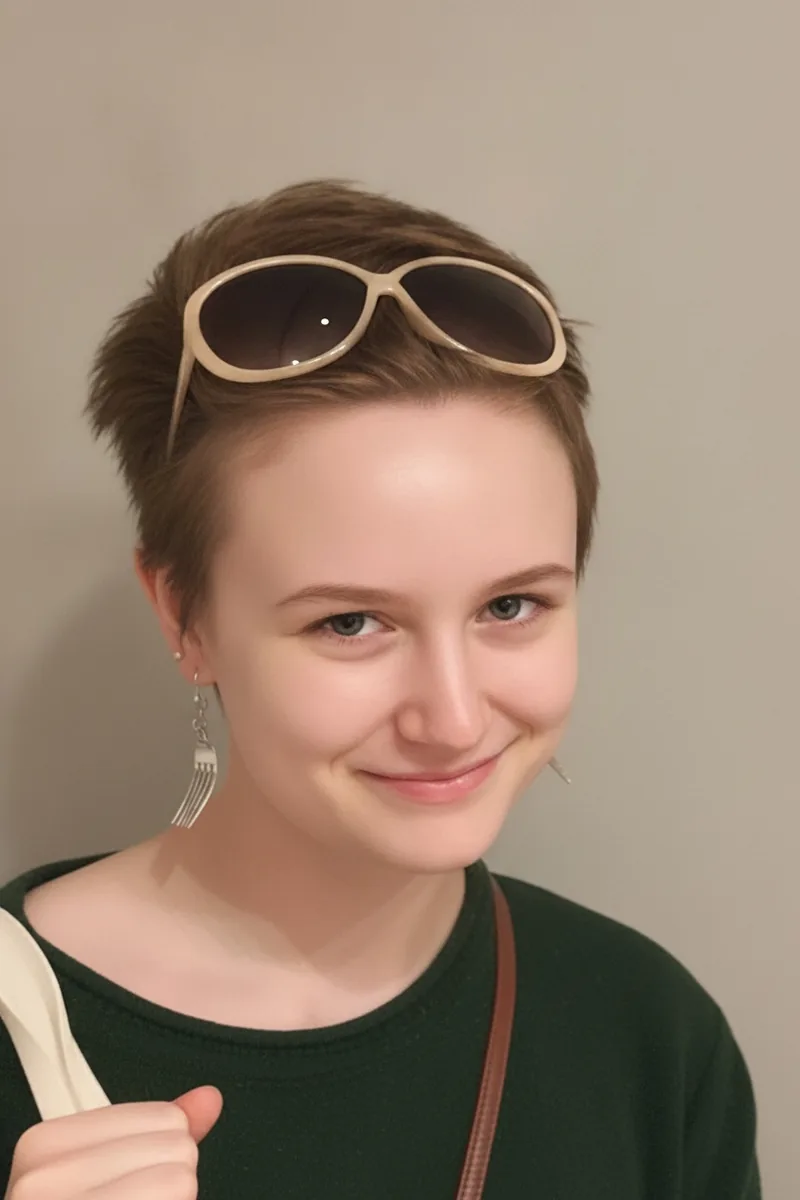
Natalie studied German alongside her English and Film coursework at Cornell, giving her a solid grasp of the language's notoriously tricky case system, separable verbs, and gendered nouns. She approaches German grammar with the same structural thinking she applies to English — breaking down sentence patterns so students understand the logic behind der, die, and das rather than relying on brute memorization.
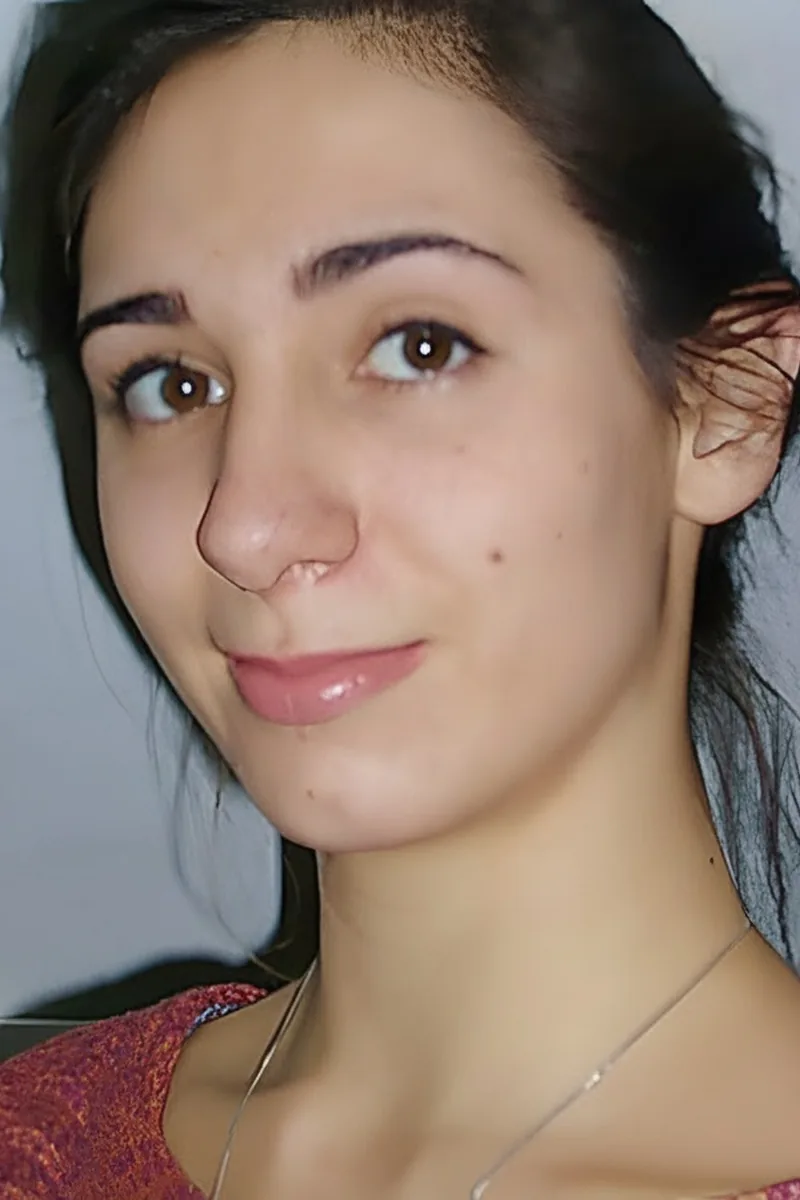
Morgan speaks three languages — Russian, Spanish, and German — which means she's internalized the process of learning a new grammar system from scratch more than once. That multilingual perspective is especially useful for German, where she can draw parallels between Russian's case system and German's four cases to make declensions feel less arbitrary. Rated 4.7 by students.
Covering German 1 through German 4, Kristina pairs her language study with a Contemporary Studies background that naturally weaves in cultural literacy — giving students context for why Germans say things a certain way, not just how. Her 5.0 rating and pursuit of a Texas teaching certification in German signal someone who takes the language seriously enough to build a career around it.
Nicholas's primary expertise is in mathematics and statistics, not German — but he's conversational in the language and brings the same structured, analytical thinking that defines his math tutoring to learning grammar rules and vocabulary. For students who respond better to logical pattern-based explanations of things like case endings and verb placement, his approach can be a surprisingly good fit.
Jonas teaches German with attention to the structural logic of the language — case endings, verb placement, and the way compound words build meaning from smaller parts. His background in Classical Greek means he's comfortable explaining grammatical concepts like dative versus accusative in terms that actually clarify rather than confuse. Students working through noun declensions or separable-prefix verbs get explanations rooted in how the language thinks, not just how to memorize tables.
Studying German at Carleton College means Amanda uses the language daily — in coursework, in conversation, and in reading original texts. She walks students through everything from noun cases and gendered articles in German 1 to more complex subordinate clause structures in German 2, building each lesson around practical usage so grammar rules actually stick.
Fluent in German and trained as a PhD-level linguist, Niko teaches the language with an ear for how its grammar actually works — case endings, verb placement, subordinate clause structure — instead of treating rules as arbitrary things to memorize. He connects German's logic to patterns students may already recognize, making concepts like the dative case or separable prefixes click faster. Whether the goal is passing German 1 or reading Kafka in the original, he builds real comprehension.
Teaching German at Princeton since 2008 and earning the department's top student-satisfaction scores, Megan knows exactly where English speakers stumble — case endings, word order in subordinate clauses, and the gendered article system that trips up even advanced learners. She holds a doctorate in German literature, which means grammar instruction comes embedded in real cultural and literary context. Whether a student is conjugating sein for the first time or unpacking a Rilke poem, she adjusts the complexity to match.
Sabrina minors in German studies at Princeton and has done physics research at a Max Planck Institute in Germany, so her command of the language extends well beyond the classroom. She tackles everything from case endings and verb conjugation patterns to reading comprehension of authentic German texts.
A full exchange year in Germany through the CBYX scholarship gave Clive the kind of immersive fluency that's hard to replicate in a classroom — navigating bureaucracy, university lectures, and daily life entirely in German. He teaches grammar concepts like case endings and verb conjugation through practical context that makes the rules stick.
German's case system and word-order rules intimidate a lot of learners, but Elise approaches them as a linguist — explaining the underlying logic of accusative versus dative, or why the verb jumps to the end in subordinate clauses. Her coursework through German 4 means she can take students from basic declensions all the way through complex literary and academic texts.
Grace brings structured thinking and high energy to German lessons, tackling everything from noun genders and case endings to building conversational confidence. While her primary academic focus is American Studies, her experience teaching across multiple subjects means she knows how to break down tricky grammar rules and make vocabulary practice stick.
Testimonials
Because the right German tutor makes all the difference.
Average Session Rating – Based on 3.4M Learner Ratings
Nearby German Tutors
Other Tulsa Tutors
Related Languages Tutors in Tulsa
Frequently Asked Questions
In a typical classroom setting, students get limited opportunities to speak German one-on-one with an instructor. With personalized tutoring, you get dedicated conversation practice tailored to your level—whether you're building confidence with basic phrases or working toward fluency. Tutors can correct pronunciation and accent in real-time, help you think through responses naturally, and create realistic scenarios (ordering food, travel conversations, etc.) that make speaking feel less intimidating and more practical.
German verbs change based on person, tense, and mood—and irregular verbs don't follow predictable patterns, which trips up many learners. Rather than memorizing conjugation tables, expert tutors help you understand the underlying patterns and practice them in context through conversation and writing exercises. Repeated, spaced practice with a tutor reinforces these patterns until they become automatic, making conjugation feel less like a puzzle and more like natural speech.
Vocabulary sticks when you encounter it repeatedly in meaningful contexts—not through isolated flashcard drills. Tutors help you learn new words through conversation, reading, and real-world scenarios relevant to your interests, which makes them more memorable. They can also teach you strategies like recognizing word families and cognates (German words that look similar to English), which helps you unlock meaning and build vocabulary faster.
Reading and writing develop together through guided practice with authentic materials—articles, short stories, or texts matched to your level. Tutors can help you navigate grammar structures you encounter while reading, build writing confidence by providing feedback on your compositions, and teach you editing strategies. This personalized approach is more effective than textbook exercises alone, since you're working with content that interests you and getting real-time guidance on areas where you struggle.
Absolutely. Understanding German culture—holidays, traditions, media, history—gives context to the language and makes learning more engaging and memorable. Tutors often weave cultural elements into lessons, whether that's discussing German films, explaining idioms rooted in German culture, or exploring how regional differences affect the language. This immersion-style approach helps you understand not just *what* to say, but *why* Germans say it that way.
Reaching conversational fluency typically requires 600-750 hours of study and practice, according to language learning research. With consistent personalized tutoring combined with your own practice, you can accelerate this timeline significantly—especially since 1-on-1 instruction targets your specific weaknesses rather than moving at a classroom pace. Your progress depends on your starting level, how frequently you meet with a tutor, and how much you practice between sessions.
Your first session is about assessment and connection. A tutor will ask about your current level, learning goals (conversation, test prep, travel, etc.), and what's been challenging for you so far. They'll likely have a brief conversation with you in German to gauge your speaking ability and listening comprehension, then create a personalized plan tailored to your needs. This foundation ensures every future session builds directly toward your goals.
Yes. With 125 schools across 14 school districts in the Tulsa area, German programs vary in pace and focus. Personalized tutors can align with your specific curriculum—whether you're in a beginner German I class, preparing for German II, or working toward AP German. They understand what your school expects and can fill gaps, reinforce concepts you're struggling with, and help you excel in classroom assessments while building genuine language skills.
Let’s find your perfect tutor
Answer a few quick questions. We’ll recommend the right plan and match you with a top 5% tutor.