Award-Winning Essay Editing Tutors
serving Las Vegas, NV
Essay Editing
Tutors in Las Vegas
Private 1-on-1 tutoring, weekly live classes for academic support, test prep & enrichment, practice tests and diagnostics, and more to elevate grades and test scores.
Based on 3.4M Learner Ratings
UniversitiesSchools & Universities
DeliveredHours Delivered
ProficiencyGrowth in Proficiency
Who needs tutoring?
No obligation. Takes ~1 minute.

Editing an essay well requires seeing it from the reader's side — catching where an argument loses its thread, where a paragraph buries its point, or where a transition creates confusion instead of clarity. Daniel treats each revision as a conversation about what the writer actually means, then tightens structure, word choice, and flow to match that intent.
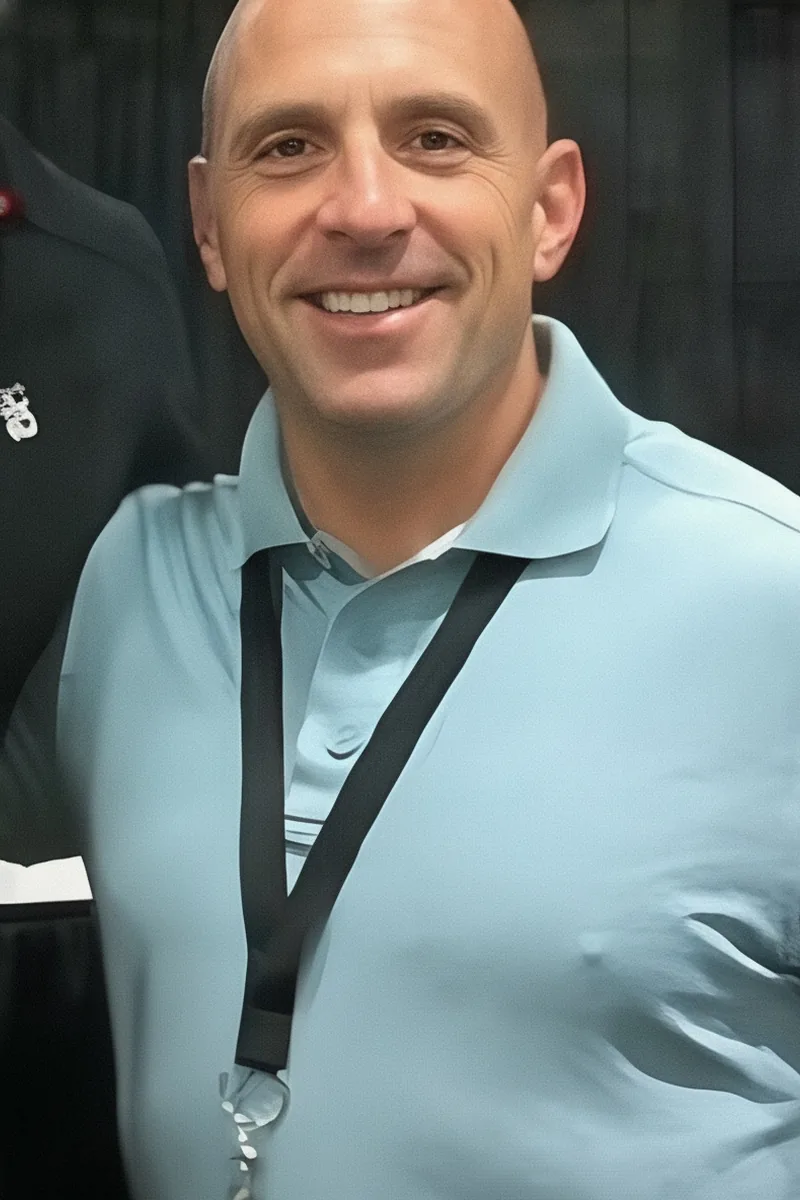
Editing an essay is more than fixing commas — Tony treats it as a conversation about clarity, argument flow, and whether each paragraph actually earns its place. His humanities training across multiple languages sharpened his ear for sentence rhythm and concision, and he walks students through revision strategies they can reuse on every future paper.
Dylan approaches essay editing the way an engineer approaches debugging: systematically. He teaches students to evaluate their own drafts for argument structure and logical flow first, then tighten prose at the sentence level — addressing everything from thesis clarity to transitions to redundant phrasing.
Most essay drafts don't need more content — they need sharper structure and cleaner transitions between ideas. Cassandra edits at both the paragraph level, reorganizing arguments so each one builds on the last, and at the sentence level, cutting filler and tightening claims. She's particularly good at spotting when a thesis is too broad and showing students how to narrow it.
Editing an essay well means more than catching comma splices — it means evaluating whether each paragraph actually advances the argument. Shawn approaches revision in layers: first the thesis and logical structure, then paragraph-level transitions, and finally sentence-level clarity and grammar. His scientific training makes him especially sharp at spotting gaps in reasoning that weaken otherwise well-written work.
Editing an essay well means more than catching comma splices — it means evaluating whether each paragraph earns its place in the argument. Gabriela reads drafts with an eye for logical flow and clarity, showing students how to restructure weak sections, sharpen thesis statements, and cut filler that dilutes their point.
Martina treats essay editing as more than fixing commas — she teaches students to evaluate their own argument structure, tighten transitions between paragraphs, and eliminate vague language that weakens a claim. Her background writing academic papers in international relations across multiple languages sharpened her eye for clarity and logical flow, skills she now applies to student work at every level.
Good editing isn't just catching comma splices — it's reshaping an argument so each paragraph earns its place. Emily reads drafts with an eye for logical flow and clarity, skills she sharpened writing extensively through both her economics program and graduate-level pharmacy work. She pinpoints where an essay loses the reader and shows exactly how to fix it.
A strong essay isn't just about what you say — it's about how tightly each sentence serves your argument. Michael approaches editing by teaching students to identify thesis drift, tighten paragraph transitions, and cut filler that dilutes their claims. His experience writing college-level science papers means he's especially sharp at turning vague analysis into precise, evidence-driven prose.
Engineering coursework at UNLV means Serena writes and revises technical reports constantly, which sharpened her eye for spotting where an argument drifts or a paragraph restates what the previous one already said. She brings that precision to essay editing sessions, digging into thesis clarity and logical flow before addressing grammar. Her dual strength in English and analytical writing makes her especially effective at editing across genres, from personal narratives to research papers.
Editing isn't just about catching comma splices — it's about figuring out whether each paragraph is actually earning its place in the argument. Michelle approaches essay editing by first identifying what a draft is trying to say, then tightening sentence structure, transitions, and evidence integration so the writing lands clearly. Her grammar expertise, sharpened through years of SAT writing instruction, makes her especially precise with the mechanical side of revision.
Good essay editing goes beyond catching comma splices — it's about tightening an argument so every paragraph earns its place. Zelalem reads drafts with an engineer's eye for structure, identifying where a thesis drifts, where evidence is thin, and where transitions lose the reader. He walks through revisions sentence by sentence so students internalize the reasoning behind each change.
Deepal treats essay editing as more than fixing commas and spelling — he digs into argument structure, paragraph transitions, and whether the evidence actually supports the thesis. His engineering mindset means he's especially good at spotting logical gaps and helping writers tighten their reasoning without losing their voice.
College application essays are Sam's specialty — he's spent extensive time shaping personal statements and supplemental essays that need to sound authentic while hitting every prompt requirement. His editing process zeroes in on argument structure, redundant phrasing, and tonal consistency, turning rough drafts into polished pieces. Rated 5.0 by students.
Editing an essay isn't just fixing commas — it's restructuring an argument so each paragraph earns its place. Megan writes research-heavy papers across economics, politics, and legal studies at St. John's, so she knows how to tighten a thesis, cut filler, and make transitions do real work. She walks through revisions line by line so students learn to self-edit, not just accept corrections.
Good editing is about more than catching typos — it's about tightening an argument and making every sentence earn its place. Lauryn's background in writing-intensive history courses means she's skilled at restructuring thesis statements, cutting redundancy, and improving transitions so that a student's ideas come through with clarity and force.
Good editing goes beyond catching comma splices — it means tightening argument structure, cutting filler, and making sure every paragraph earns its place. Elizabeth approaches essay revision methodically, walking through clarity, flow, and evidence so students learn to spot weaknesses in their own drafts over time.
Good editing is more than catching typos; it's about tightening an argument, improving flow between paragraphs, and making sure every sentence earns its place. Phonemany reads drafts with an anthropologist's attention to how language shapes meaning, then gives concrete, actionable feedback students can apply immediately.
Most students know their essay "needs work" but can't pinpoint where or why. Million treats editing as a structured process: first tightening the argument's logic, then reorganizing paragraphs for flow, and finally polishing sentence-level clarity and grammar. That layered approach turns revision from an overwhelming chore into something manageable.
The difference between a B essay and an A essay is almost always in the revision. Karen breaks editing into concrete, repeatable steps: tightening thesis statements, cutting filler, restructuring paragraphs for logical flow, and polishing transitions. She treats each draft as a problem to solve, which makes the revision process feel productive rather than overwhelming.
Good editing isn't just catching comma splices — it's hearing where an argument loses momentum or where a paragraph says in ten sentences what it could say in three. Katherine reads drafts with an eye for both mechanics and logic, tightening thesis statements, restructuring evidence, and cleaning up grammar so the final product sounds like a sharper version of the student's own voice.
Good editing is more than catching comma splices — it's about tightening argument structure, cutting filler, and making sure each paragraph does one clear job. Andrea teaches students to revise their own drafts systematically, starting with thesis clarity and evidence flow before moving to sentence-level polish.
Editing an essay well means more than fixing commas — it means checking whether each paragraph actually earns its place in the argument. Samuel approaches revision structurally, examining thesis clarity, paragraph transitions, and evidence integration before moving to sentence-level grammar and word choice. His experience writing across both scientific and humanities disciplines gives him a sharp eye for tightening prose regardless of subject matter.
Good essay editing goes beyond fixing commas — it means diagnosing whether an argument actually holds together. Justin reads drafts the way an academic reviewer would, flagging weak thesis statements, unsupported claims, and structural gaps, then walks students through revisions that tighten every section.
A rough draft with potential and a polished essay are often separated by just a few targeted revisions — tightening thesis statements, cutting filler, and restructuring paragraphs so each one earns its place. Sanda treats editing as a teachable process, walking through each revision so the writer understands the "why" behind every change. Rated 4.8 by students.
Good essay editing goes beyond fixing commas — it's about tightening arguments, cutting filler, and making sure every paragraph earns its place. Kendra approaches each draft by first evaluating the overall structure and thesis clarity, then working down to sentence-level precision. Her own writing practice and love of books give her a sharp editorial eye for tone, flow, and word choice.
Good editing is more than catching comma splices — it's about tightening an argument so every paragraph earns its place. Kyle reviews student drafts at both the structural level (does this thesis actually thread through each body paragraph?) and the sentence level (is this phrasing clear and concise?), giving feedback that teaches revision as a repeatable skill.
Good editing is more than fixing commas — it's about tightening an argument so every paragraph earns its place. Alexis reviews drafts at both the structural level (thesis clarity, paragraph flow, evidence use) and the sentence level (syntax, word choice, grammar), giving feedback that teaches students to spot their own patterns of error. Her 4.9 rating speaks to how much students value that dual-lens approach.
Good editing isn't just catching typos — it's restructuring a weak thesis, tightening paragraph transitions, and cutting the sentences a writer loves but the essay doesn't need. Chris's background in linguistics gives him a precise eye for how sentences function at the structural level, and he explains every suggested change so students internalize the reasoning. He holds a 5.0 rating.
Editing isn't just catching comma splices — it's figuring out whether each paragraph actually advances the argument and whether transitions hold the logic together. Henry tackles essay revision at both levels, starting with structure and thesis clarity before tightening sentence-level grammar and word choice. His 5.0 rating suggests students leave sessions with drafts that are genuinely stronger, not just cleaner.
Editing isn't just fixing commas. Elizabeth digs into the architecture of an essay — whether the thesis actually drives each paragraph, whether transitions create real logical connections, whether evidence is analyzed or just dropped in. Her curriculum supervision training sharpened her ability to diagnose exactly where a draft loses its reader and show the writer how to fix it.
Good editing isn't just fixing commas; it's rethinking whether each paragraph earns its place. Vishaal breaks the revision process into layers — structure and argument first, then clarity at the sentence level, then mechanics — so students learn to self-edit long after the session ends. Rated 5.0 by students.
Good essay editing goes beyond catching comma splices and run-ons — it means tightening argument structure, cutting redundancy, and making sure every paragraph earns its place. Aaron reads drafts with an engineer's eye for efficiency, pinpointing where logic gaps or vague thesis statements weaken an otherwise solid piece of writing.
Editing isn't just catching comma splices — it's restructuring an argument so each paragraph earns its place. Mackenzie reviews drafts at the structural level first, tightening thesis statements and smoothing transitions, then moves into sentence-level clarity and grammar on a second pass.
Good editing is more than fixing typos — it's rethinking whether each paragraph earns its place and whether the argument actually holds together. Brandon's English training at UNLV has made him especially sharp at identifying weak thesis statements, tangled transitions, and moments where evidence doesn't quite support the claim. He marks up drafts with specific, actionable feedback rather than vague suggestions.
Good essay editing isn't just fixing commas — it's figuring out where the argument loses the reader. Tim approaches each draft structurally first, identifying where claims need stronger evidence or transitions blur the logic, then moves into sentence-level clarity and style. His philosophy training at MIT sharpened his instinct for tight, persuasive prose.
Good essay editing goes beyond fixing commas — it means rethinking paragraph structure, tightening arguments, and cutting the sentences a writer loves but the reader doesn't need. Yasmeen approaches revision as a conversation, asking pointed questions about what each paragraph is actually trying to say before touching a single word. She's rated 5.0 by students who've seen their writing sharpen through that process.
I am passionate about helping students because I've been a student my whole life! Even though I'm a professor now, I love to learn. And now that I have experience, I love to help others along the learning journey. I have degrees in English and education from Rice University, UT Austin, Texas State, and Texas A&M. I also studied abroad in England at the University of East Anglia and have traveled to many countries. I tutor English and Spanish (my family is from Mexico City). My favorite thing to tutor is writing, and I have taught writing from the Kindergarten-graduate school (Ph.D.) level (what I currently do). I am here to share tools and tips to help you succeed in your learning journey.
I'm trying to work on personal projects. I really enjoy snowboarding, and have been doing that since the third grade. I also enjoy playing sports and video games.
Good editing is about more than catching comma splices — it's about tightening an argument so every paragraph earns its place. Iliana reads drafts with an eye for logical flow, redundancy, and tone, then explains each suggested revision so students internalize the reasoning behind it.
Testimonials
Because the right Essay Editing tutor makes all the difference.
Average Session Rating – Based on 3.4M Learner Ratings
Other Las Vegas Tutors
Related English Tutors in Las Vegas
Frequently Asked Questions
Essay editing tutoring focuses on refining your writing at every level—from thesis development and argument structure to sentence clarity and grammar. Tutors work with you on organization, voice, citation formatting (MLA, APA, Chicago), and revision strategies to help you strengthen your essays before submission. Whether you're tackling literary analysis, persuasive writing, or research papers, personalized instruction targets your specific writing challenges.
Your tutor will typically review your draft, identify patterns in your writing (like unclear thesis statements or weak transitions), and guide you through targeted revisions rather than simply correcting errors. You'll learn why certain changes strengthen your essay and develop skills you can apply to future writing. This collaborative approach builds your confidence as a writer while improving the specific essay you're working on.
For students in Las Vegas, common struggles include organizing complex ideas into a coherent structure, developing a strong thesis that goes beyond a surface-level claim, and maintaining consistent voice and tone throughout. Writer's block, managing citations correctly, and balancing analysis with evidence are also frequent pain points. A tutor can address these challenges head-on with targeted feedback and strategies tailored to your writing style.
Bring any essay drafts you're currently working on, assignment instructions from your teacher, and examples of feedback you've received in the past. If you don't have a draft yet, bring the assignment prompt and any notes or outlines you've started. Your tutor will use these materials to understand your writing level and goals, then create a personalized plan to help you improve.
Essay editing tutoring is more focused and targeted—it concentrates on refining existing drafts and strengthening your revision process, rather than teaching writing from the ground up. If you're struggling with foundational writing skills or need help generating ideas, a tutor can address those too, but essay editing specifically emphasizes polishing and deepening the arguments you've already begun.
Varsity Tutors connects students across all grade levels—from middle school essay assignments through high school AP Literature and college-level academic writing—with expert tutors who specialize in essay editing. Whether you're writing your first five-paragraph essay or a senior thesis, personalized instruction can help you develop stronger arguments and clearer communication.
Yes, absolutely. Many students struggle with proper citation formatting, and tutors can teach you MLA, APA, Chicago, and other styles while showing you why consistent citations matter for academic integrity. Rather than just fixing your citations, a tutor will help you understand the system so you can apply it correctly to future essays.
Many students notice stronger organization and clearer arguments within their first few sessions, especially when working on an immediate essay deadline. Deeper improvements in voice, complexity of analysis, and writing confidence typically develop over several weeks of consistent practice and feedback. The key is applying what you learn from one essay to the next, building skills that last beyond any single assignment.
Let’s find your perfect tutor
Answer a few quick questions. We’ll recommend the right plan and match you with a top 5% tutor.