Award-Winning Organic Chemistry Tutors
serving Las Vegas, NV
Organic Chemistry
Tutors in Las Vegas
Private 1-on-1 tutoring, weekly live classes for academic support, test prep & enrichment, practice tests and diagnostics, and more to elevate grades and test scores.
Based on 3.4M Learner Ratings
UniversitiesSchools & Universities
DeliveredHours Delivered
ProficiencyGrowth in Proficiency
Who needs tutoring?
No obligation. Takes ~1 minute.
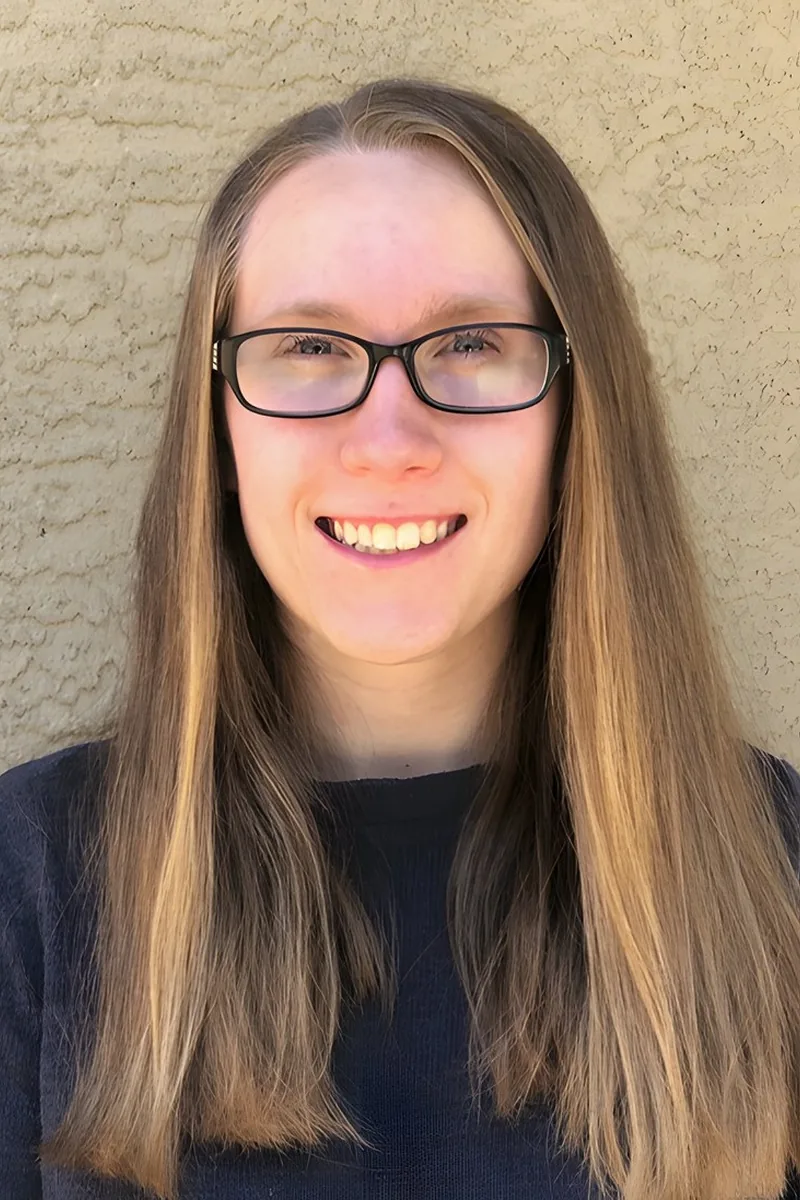
Reaction mechanisms are the language of organic chemistry — if you can't follow electron movement through a nucleophilic substitution or an elimination, every new reaction feels like something to memorize from scratch. Cassandra teaches students to recognize the patterns that repeat across seemingly different reactions: leaving group quality, steric effects, acid-base behavior. That pattern-recognition approach, sharpened by her biology and biochemistry background, turns a notoriously overwhelming course into something students can actually reason through.
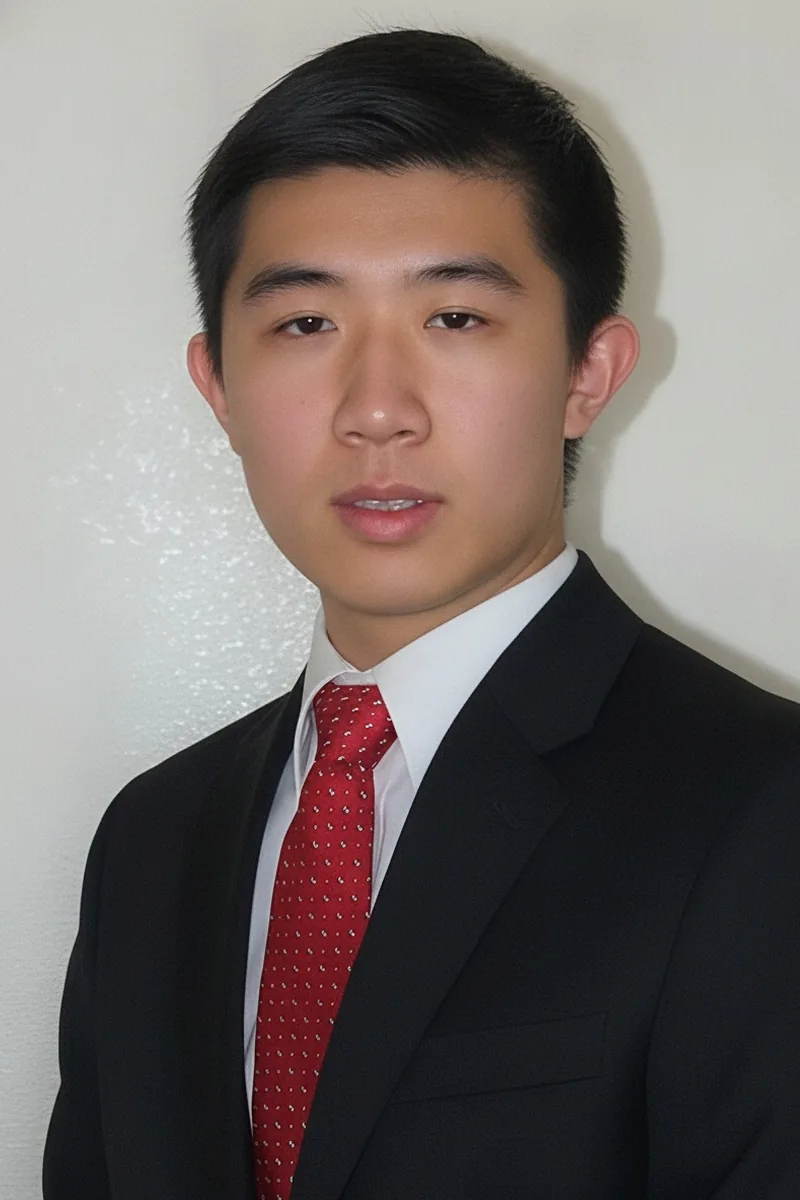
Reaction mechanisms are the backbone of organic chemistry, and Michael approaches them by teaching students to track electron movement through each arrow-pushing step rather than memorizing hundreds of individual reactions. His molecular biology background means he regularly connects organic concepts — chirality, functional group reactivity, carbonyl chemistry — to biochemical applications that make the material more intuitive. Whether it's distinguishing SN1 from SN2 or predicting products of an aldol condensation, he walks through the logic behind each transformation.
I am a patient teacher who can explain problems in many different ways according to how individual students learn best. I only ask that you know and explain to me what topics you do not know or get so far. I know that every student can learn a subject with a combination of practice and patience, but I insist upon consistent effort and sessions. As an educator I do not support last minute cramming as the primary learning method of content for students as it does not lead to retention of material, mastery of larger themes, or the ability to differentiate between subtle differences when problem-solving on tests and exams. I will help my clients when they need extra sessions before Final Exams and AP Exams, but those who have been working the hardest throughout the school year to regularly improve will get preference over those students who are panicked at the last minute, but have put off meeting with me.
Reaction mechanisms are the backbone of organic chemistry, and most students struggle not because the material is impossibly hard but because they try to memorize hundreds of reactions instead of recognizing patterns. Manpinder approaches orgo by teaching students to trace electron movement through arrow-pushing — once that skill clicks, predicting products for substitution, elimination, and addition reactions becomes systematic rather than overwhelming.
Reaction mechanisms in organic chemistry are essentially molecular storytelling — electron pairs move, bonds break and form, and stereochemistry shifts in predictable ways. Andrew's molecular biology training required deep fluency with organic reactions at the biomolecular level, so he teaches arrow-pushing and functional group transformations as logical sequences rather than steps to memorize.
Reaction mechanisms become far less intimidating when you can see the electron movement as a story rather than a set of arrows to memorize. Monika's biochemistry degree required deep fluency in organic chemistry — from nucleophilic substitutions through multi-step synthesis — and she teaches students to predict products by understanding why electrons move, not just where.
Reaction mechanisms are the language of organic chemistry, and Casey reads them fluently after years of bioengineering coursework that demanded constant fluency in electron-pushing, stereochemistry, and functional group transformations. She teaches students to recognize patterns across reaction types — why nucleophilic additions behave the way they do, how leaving groups dictate substitution vs. elimination — so each new chapter feels like a variation on something familiar rather than a fresh nightmare.
Having earned a chemistry degree from Yale, Zosia spent years immersed in the subject well past the introductory orgo sequence — which means she can contextualize tricky topics like electrophilic aromatic substitution and acyl chemistry within the broader landscape of how molecules actually behave. She walks students through spectral analysis and multi-step synthesis by building from first principles of electronegativity and sterics, so each new reaction type feels like an extension of what they already know rather than a fresh page to memorize. Rated 4.9 by students.
Reaction mechanisms are the heart of organic chemistry, and they only make sense when a student can track electron movement and predict how functional groups behave. Malcolm is studying biochemistry and cell biology at Rice, where organic chemistry is foundational — he knows which arrow-pushing patterns show up repeatedly and teaches students to recognize them instead of memorizing hundreds of individual reactions.
Reaction mechanisms in organic chemistry reward the same kind of systematic thinking that drives engineering design: track the electrons, identify the functional groups, and predict what happens next. Lee teaches students to read mechanisms as stories with cause and effect — nucleophile attacks electrophile, leaving group departs — instead of memorizing hundreds of individual reactions. His biomedical background adds context for why specific organic reactions matter in drug design and biochemistry.
Between his biochemistry degree and his current pharmacy doctoral work at VCU, Joel has run through organic chemistry from both the academic and applied sides — understanding how functional group reactivity and stereochemistry translate into real drug design and pharmacological mechanisms. He's also taught university chemistry courses as adjunct faculty, so he knows how to break down multi-step synthesis problems and spectroscopy interpretation at the pace a student actually needs. Rated 5.0 by students.
Reaction mechanisms are the language of organic chemistry, and learning to read them — arrow pushing, stereochemistry, regiochemistry — requires a different kind of thinking than most science courses demand. Kevin studied organic chemistry as part of his biomedical engineering curriculum, where understanding molecular behavior was essential rather than optional. He walks students through each mechanism type until the logic behind substitution, elimination, and addition reactions becomes second nature.
Reaction mechanisms click once you stop memorizing arrow-pushing patterns and start understanding why electrons move the way they do — nucleophilicity, sterics, leaving group stability. Mitchell's neuroscience degree required extensive organic chemistry coursework, and he breaks down everything from substitution and elimination reactions to carbonyl chemistry by connecting each mechanism to the electronic principles driving it.
Reaction mechanisms are the language of organic chemistry, and Troy spent two semesters teaching that language as an organic chemistry TA. He walks students through arrow-pushing, stereochemical outcomes, and retrosynthetic analysis by emphasizing the handful of recurring electronic patterns that make hundreds of reactions predictable rather than random.
Reaction mechanisms are the backbone of organic chemistry, and most students struggle not because the material is impossibly hard but because they try to memorize hundreds of reactions instead of learning the handful of electron-pushing patterns that explain almost all of them. Rebecca's science training means she teaches students to read a mechanism the way you'd read a sentence — subject, verb, object — so new reactions become predictable rather than surprising.
Testimonials
Because the right Organic Chemistry tutor makes all the difference.
Average Session Rating – Based on 3.4M Learner Ratings
Practice Organic Chemistry
Free practice tests, flashcards, and AI tutoring for Organic Chemistry
Other Las Vegas Tutors
Related Science Tutors in Las Vegas
Frequently Asked Questions
Organic Chemistry is notoriously difficult because it requires understanding reaction mechanisms and molecular structures rather than just memorizing facts. Many students struggle with visualizing 3D molecular geometry, predicting reaction outcomes, and understanding why certain reactions occur. Personalized 1-on-1 instruction helps break down these abstract concepts into manageable pieces, allowing you to build a solid foundation in mechanisms before tackling complex synthesis problems.
Understanding is absolutely possible and far more valuable than memorization. Rather than memorizing hundreds of reactions, you can learn the underlying principles that explain why reactions happen—this approach lets you predict new reactions you've never seen before. A tutor can help you shift from memorization mode to conceptual thinking, teaching you to recognize reaction patterns and functional groups so you can apply logic instead of relying on your memory.
Yes. Tutors can help you understand the purpose behind lab procedures, interpret experimental results, and connect lab observations to theoretical concepts you're learning in lecture. Whether you're struggling with technique, data analysis, or writing lab reports, personalized instruction can clarify how hands-on work reinforces the chemistry you're studying and help you develop stronger scientific reasoning skills.
Reaction mechanisms are one of the most challenging aspects of Organic Chemistry, but they become much clearer with guided practice. A tutor can teach you to recognize electron movement patterns, understand nucleophiles and electrophiles, and systematically work through multi-step mechanisms. With personalized instruction, you'll practice mechanisms repeatedly using spaced repetition and retrieval practice—proven learning strategies that help concepts stick long-term.
Your first session is about understanding where you are and where you want to go. A tutor will assess your current understanding of key concepts, identify specific areas causing trouble (like mechanisms, stereochemistry, or synthesis), and learn about your learning style. From there, you'll develop a personalized plan focused on your biggest challenges, whether that's strengthening fundamentals or mastering advanced topics for an upcoming exam.
Ideally, start 4-6 weeks before your exam to allow time for building understanding and practicing problems. However, even a few weeks of focused tutoring can significantly improve your performance by helping you prioritize the most important concepts and practice high-yield problems. A tutor can create a study plan that targets your weak areas and ensures you're not just cramming—you're actually learning material that will stick with you.
Organic Chemistry is the foundation for pharmaceuticals, materials science, food chemistry, and environmental science. Understanding reaction mechanisms helps explain how drugs work in your body, how polymers are synthesized, and how organic pollutants break down in nature. A tutor can help you see these real-world connections, which not only makes the material more interesting but also deepens your understanding of why certain reactions matter beyond the classroom.
Look for tutors with strong chemistry backgrounds—ideally a degree in chemistry or a related field, and experience teaching Organic Chemistry at the college level. The best tutors combine subject expertise with the ability to explain complex concepts clearly and adapt their teaching to your learning style. Varsity Tutors connects you with experienced tutors who understand both the material and the specific challenges Las Vegas students face in this demanding course.
Let’s find your perfect tutor
Answer a few quick questions. We’ll recommend the right plan and match you with a top 5% tutor.