Award-Winning AP English Literature and Composition Tutors
serving Las Vegas, NV
AP English Literature and Composition
Tutors in Las Vegas
Private 1-on-1 tutoring, weekly live classes for academic support, test prep & enrichment, practice tests and diagnostics, and more to elevate grades and test scores.
Based on 3.4M Learner Ratings
UniversitiesSchools & Universities
DeliveredHours Delivered
ProficiencyGrowth in Proficiency
Who needs tutoring?
No obligation. Takes ~1 minute.
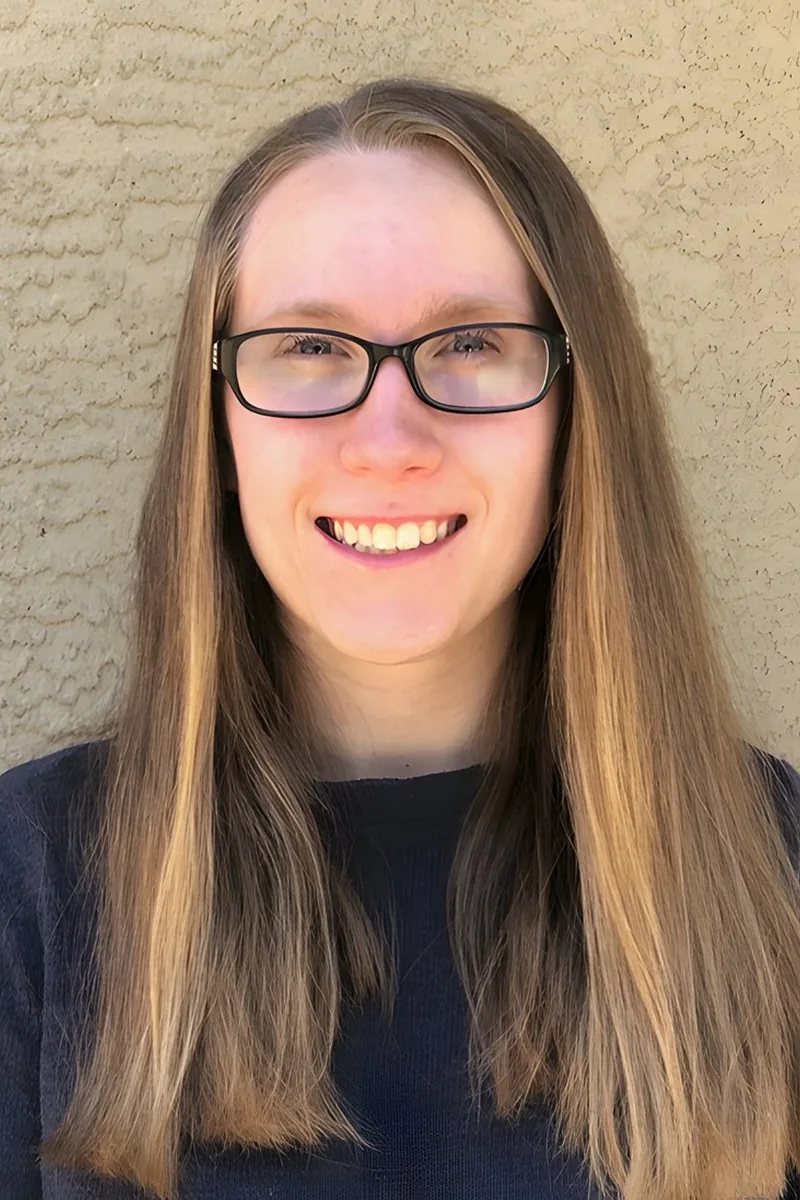
AP Lit asks students to do something uncomfortable: defend an interpretation of a poem or passage they've never seen before, in forty minutes, with textual evidence. Cassandra approaches this as an analytical challenge, teaching students to identify literary devices like tone shifts and figurative language and then convert those observations into a coherent argument. Her science background actually sharpens this process — she treats close reading like hypothesis testing.
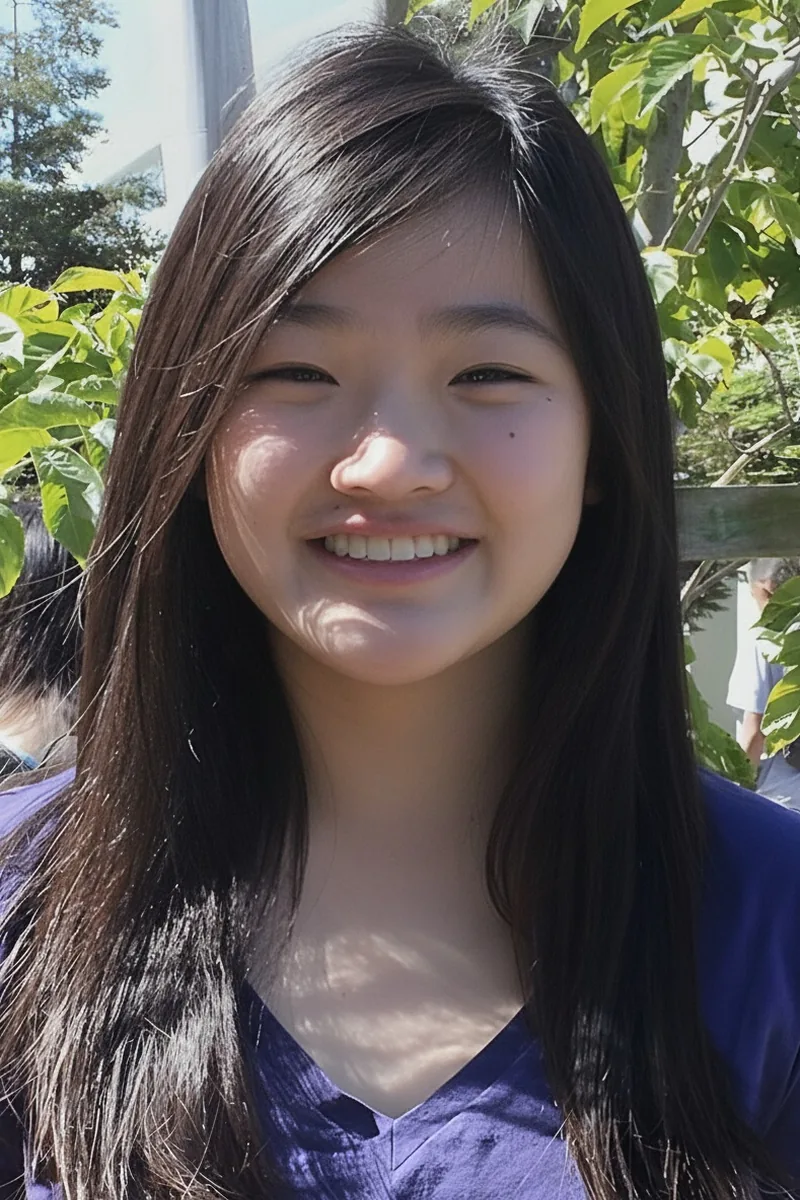
AP Lit essays live or die on how well a student can connect a specific literary device — a symbol, a shift in narrative voice, an ironic reversal — to the work's larger meaning. Julie's philosophy background at Princeton trained her to construct tight, thesis-driven arguments from textual evidence, exactly the skill the exam's free-response questions demand.
AP Lit asks students to do something most haven't practiced: build a literary argument under a ticking clock, using specific textual evidence and sophisticated analysis of devices like imagery, tone shifts, and narrative structure. Jonathan is an active fiction writer studying at The Writers Studio in Manhattan, which means he reads prose the way the exam demands — with an eye toward how authors construct meaning at the sentence level. That craft-level awareness translates directly into the kind of close reading the free-response essays reward.
AP Lit asks students to do something genuinely difficult: read a poem or prose passage cold and produce a polished analytical essay under time pressure. Wallis studied Russian and Art History at Sewanee, which means she spent four years dissecting literary and visual texts for symbolism, tone, and structural choices. She teaches students to build arguments around specific textual evidence rather than vague thematic summaries.
AP Lit essays live or die on how well a student can connect a specific literary device to the text's larger meaning — not just spotting the metaphor, but explaining what it *does*. Kenan's background across literature and analytical writing means he can coach both the close-reading instinct and the timed-essay structure the exam demands, from poetry analysis to the open-ended prompt.
AP Lit asks students to do something genuinely difficult: write a polished literary argument under time pressure about a poem or passage they've never seen before. Dalton digs into the close-reading mechanics that make that possible — tracking shifts in tone, identifying how figurative language builds meaning, and constructing thesis statements that go beyond plot summary. Rated 4.9 by students.
Studying English Language and Literature at the University of Chicago means Davis spends his days doing exactly what the AP Lit exam tests — building interpretive arguments about how writers use language to create meaning, then defending those arguments with precise textual evidence. He brings that daily practice to teaching students how to read a poem or passage for its deeper mechanics rather than just its surface narrative. His comfort with both canonical and contemporary literature gives him range across the full-work essay question, where choosing the right novel and framing a sharp thesis makes all the difference.
Close reading is the backbone of AP Lit, and Elena's graduate training in art history taught her to analyze visual and written texts with the same forensic attention to detail. She teaches students to unpack poetic structure, narrative voice, and figurative language in ways that translate directly into high-scoring free-response essays. Her approach treats each passage like an artifact worth investigating, not just a prompt to answer.
AP English Lit asks students to do something genuinely difficult: write a persuasive literary argument under timed conditions about a poem or passage they've never seen before. Paula's approach digs into close reading techniques — tracking imagery patterns, shifts in tone, narrative perspective — so that students walk into the exam knowing how to generate an original thesis on the spot. Her background in both Psychology and Communication Studies sharpens the way she unpacks character motivation and authorial intent.
AP Lit's free-response questions reward students who can move beyond plot summary and build an argument about how literary devices shape meaning — a skill that takes practice with close reading and thesis construction. Emerson scored a 1560 on the SAT and studied at the University of Chicago, where rigorous textual analysis is woven into nearly every course. Rated 5.0 by students, he brings that analytical precision to poetry explication, prose passage work, and the open-ended essay.
AP Lit asks students to do something most haven't practiced — write analytically about how a poem's structure or a novel's narrative technique creates meaning, not just summarize plot. As a Yale humanities student and avid reader, Tessa digs into the close-reading skills that earn high marks on the poetry free-response and the open-ended essay. She's particularly sharp on teaching students to move from observation ('there's a metaphor here') to argument ('here's what it does and why it matters').
AP English Literature asks students to do exactly what Winnie was trained for: read a poem or prose passage cold and produce a sharp, thesis-driven essay under time constraints. Her comparative literature background means she can teach students to analyze imagery, narrative voice, and structural choices across traditions — from Victorian novels to postcolonial fiction — with the specificity the exam demands.
Poetry analysis is where Carla comes alive. Her deep background in English literature means she can teach students to unpack a Dickinson poem's slant rhyme or trace the symbolic architecture of a Toni Morrison novel — exactly the kind of close reading that earns high marks on AP Lit free-response essays. She also coaches students on managing the multiple-choice section's time pressure without sacrificing careful reading.
Testimonials
Because the right AP English Literature and Composition tutor makes all the difference.
Average Session Rating – Based on 3.4M Learner Ratings
Practice AP English Literature and Composition
Free practice tests, flashcards, and AI tutoring for AP English Literature and Composition
Nearby AP English Literature and Composition Tutors
Other Las Vegas Tutors
Related English Tutors in Las Vegas
Frequently Asked Questions
The AP English Literature and Composition exam tests your ability to analyze and interpret literature across multiple genres—poetry, prose, and drama. The exam has two sections: a 1-hour multiple-choice section (45 questions) that tests close reading skills, and a 2-hour free-response section with three essays (argument, rhetorical analysis, and literary analysis). Success requires understanding literary devices, analyzing author's purpose, and crafting well-supported written arguments about texts.
Score improvement depends on your starting point and effort, but personalized 1-on-1 instruction typically helps students identify specific weaknesses—whether that's analyzing complex poetry, managing essay timing, or strengthening argumentative writing. Many students see meaningful gains by focusing on weak question types in the multiple-choice section and developing a consistent essay structure. The key is consistent practice with feedback, not just studying harder.
Students often struggle with three main areas: interpreting ambiguous or archaic poetry, managing the strict time constraints (especially the three essays in two hours), and supporting literary analysis claims with specific textual evidence. Many also find the free-response essays challenging because they require both analytical thinking and polished writing under pressure. Personalized tutoring can help you develop strategies for each challenge and build confidence in your analytical voice.
Each essay requires a different approach: the argument essay asks you to defend a position with evidence, the rhetorical analysis essay asks you to explain how an author builds their argument, and the literary analysis essay asks you to interpret a provided text. Success comes from understanding the prompt carefully, creating a quick outline before writing, and leaving time to review. Expert tutors can help you develop a consistent structure for each essay type and practice under timed conditions to build speed and accuracy.
The multiple-choice section tests close reading and your ability to identify literary devices, tone, and author's purpose. The most effective strategy is to read the passage first (not the questions), annotate key moments, then answer questions with evidence in mind. Common mistakes include choosing answers that sound literary without textual support or misreading the specific question being asked. Tutors can help you practice this approach with real AP passages and identify patterns in the types of questions that challenge you most.
A solid study plan combines regular reading practice, timed essay writing, and multiple-choice drills. Start by taking a full practice test to identify weak areas—whether that's specific literary devices, essay types, or question formats. Then dedicate focused sessions to those weaknesses, gradually building toward full practice tests under timed conditions. Most students benefit from studying 3-4 times per week for 2-3 months before the exam, with personalized guidance helping you prioritize what matters most for your score.
Varsity Tutors connects you with expert tutors who can personalize instruction based on your strengths and gaps. A tutor can help you understand difficult texts, develop a consistent essay structure, practice time management under pressure, and build confidence in your literary analysis. They'll also review your practice essays with detailed feedback and help you recognize patterns in the types of questions you miss, so you can focus your study time where it matters most.
In your first session, a tutor will assess your current strengths and identify specific areas to focus on—this might involve reviewing a practice test, discussing challenging texts, or analyzing one of your essays. Together, you'll create a personalized study plan tailored to your timeline and goals, whether you're aiming for a 3, 4, or 5. From there, sessions combine instruction on literary analysis strategies, guided practice with real AP passages and prompts, and feedback on your writing.
Let’s find your perfect tutor
Answer a few quick questions. We’ll recommend the right plan and match you with a top 5% tutor.