Award-Winning AP English Language and Composition Tutors
serving Las Vegas, NV
AP English Language and Composition
Tutors in Las Vegas
Private 1-on-1 tutoring, weekly live classes for academic support, test prep & enrichment, practice tests and diagnostics, and more to elevate grades and test scores.
Based on 3.4M Learner Ratings
UniversitiesSchools & Universities
DeliveredHours Delivered
ProficiencyGrowth in Proficiency
Who needs tutoring?
No obligation. Takes ~1 minute.
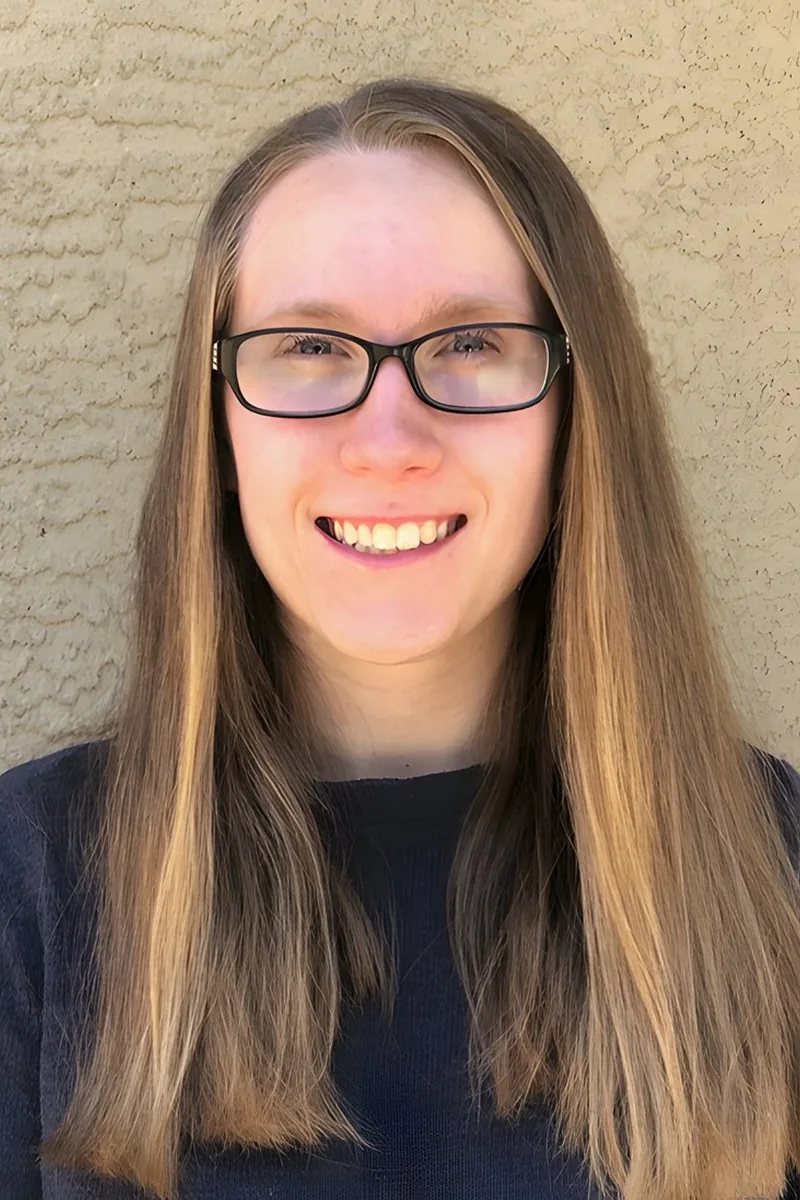
The rhetorical analysis essay on AP Lang is where most students lose points, often because they summarize the author's argument instead of dissecting how it's constructed. Cassandra teaches students to spot specific persuasive moves — appeals to authority, strategic concessions, shifts in diction — and explain their effect on the audience. She's rated 4.9 across her subjects.

Rhetoric is the backbone of AP English Language, and Amy teaches students to dissect how authors use appeals, structure, and diction to build persuasive arguments. Her college-level English training means she can model the kind of sophisticated synthesis and argumentation the exam's free-response questions demand. She also tackles the multiple-choice section by showing students how to read like a writer — noticing choices an author made and why.
Rhetoric is the backbone of AP English Language, and Winnie unpacks persuasive strategies — appeals to ethos, strategic concessions, shifts in tone — by connecting them to real arguments students encounter in journalism and political speech. Currently studying mass communications at ASU's Cronkite School, she brings a working understanding of how language is crafted to move audiences, which is exactly what the synthesis and rhetorical analysis essays test.
AP Lang is fundamentally about argument — how writers build it, how readers detect it, and how students can do both on exam day. Carla teaches rhetorical analysis by dissecting real speeches and essays, showing students how to identify strategies like appeals to ethos or strategic concession and then write about them with precision. Her 5.0 rating speaks to how well this approach clicks.
Rhetorical analysis is the backbone of AP Lang, and most students struggle not with identifying devices but with explaining *why* an author's choices work on a specific audience. Amanda approaches this through the lens of persuasion psychology — her graduate work in child development at University College London involved analyzing how language shapes perception, which maps directly onto the AP Lang skill set. She's especially sharp on the synthesis essay, where students must juggle multiple sources into a cohesive argument.
The AP Lang exam lives at the intersection of rhetoric and writing — two things Maddy has been immersed in since college, where she studied American literature and wrote an honors thesis analyzing cultural criticism. She digs into how authors use tone, diction, and structural choices to persuade, then teaches students to replicate those moves in their own synthesis and argument essays.
AP Lang is fundamentally about argument — identifying how writers use rhetorical strategies and then deploying those same strategies in timed essays. Luke's English degree and graduate-level training in textual analysis mean he can break down how ethos, logos, and pathos function in real passages, from political speeches to scientific editorials. He also walks students through the synthesis, rhetorical analysis, and argument essays with clear structural frameworks that hold up under exam pressure.
Rhetorical analysis is the backbone of AP Lang, and David approaches it by teaching students to name exactly what an author is doing — whether that's deploying an anecdote for pathos or structuring a concession-and-rebuttal to disarm opposition. He also digs into the synthesis and argument essays, where students need to marshal sources quickly and write with a clear, deliberate voice.
Rhetorical analysis is where AP Lang lives or dies, and Elijah treats it like a performance — teaching students to hear the moves a writer makes with syntax, diction, and structure before they ever start writing about them. His English degree and MFA in Acting trained him to dissect how language persuades an audience, which translates directly to nailing the synthesis and argument essays under timed conditions.
Rhetorical analysis is the backbone of AP Lang, and most students struggle not with identifying ethos or logos but with explaining *how* those strategies function in a specific argument. Michelle digs into the synthesis and argument essays as well, showing students how to weave source material into a thesis without letting it take over. Her writing background makes her especially sharp on voice and structure.
Medical school trains you to read dense, argument-driven texts and extract exactly what matters — a skill Abrahim now applies to AP Lang's multiple-choice passages and timed essay prompts. His biology degree from UCLA (cum laude) required extensive analytical writing, and he teaches students to construct argument and synthesis essays the way a scientist builds a case: clear claim, targeted evidence, no filler. Rated 5.0 by students.
AP Lang is ultimately about rhetoric: understanding how writers construct arguments through tone, structure, and strategic evidence. Martha's PhD research at Michigan requires exactly this kind of analytical reading — dissecting published studies for their persuasive strategies — and she applies that same lens to teaching students how to decode synthesis prompts and write arguments that earn top scores on the exam.
Rhetorical analysis is the backbone of AP Lang, and most students underperform not because they can't identify ethos or logos but because they don't know how to explain *why* a rhetorical choice matters in context. Olivia digs into the synthesis and argument essays with equal attention, teaching students to build claims that go beyond restating sources. Her 1560 SAT reflects the same analytical reading and writing skills she brings to AP Lang prep.
Testimonials
Because the right AP English Language and Composition tutor makes all the difference.
Average Session Rating – Based on 3.4M Learner Ratings
Practice AP English Language and Composition
Free practice tests, flashcards, and AI tutoring for AP English Language and Composition
Nearby AP English Language and Composition Tutors
Other Las Vegas Tutors
Related English Tutors in Las Vegas
Frequently Asked Questions
AP English Language and Composition is a college-level course that focuses on analyzing rhetoric, argumentation, and writing persuasive essays. The AP exam tests your ability to read complex texts, understand rhetorical strategies, and write well-crafted arguments under timed conditions. Success requires both strong analytical reading skills and the ability to write clearly and persuasively.
The exam has three sections: multiple-choice questions on reading passages (45 minutes), short-answer questions analyzing rhetoric (40 minutes), and a timed essay section with three prompts—synthesis, rhetorical analysis, and argument (2 hours 15 minutes). Each section tests different skills, from identifying rhetorical devices to crafting evidence-based arguments under pressure.
Students often struggle with pacing during the timed essay section, managing to write three quality essays in 2 hours 15 minutes. Many also find it difficult to identify rhetorical strategies in complex passages or to distinguish between different essay prompt types. Additionally, balancing strong analysis with clear, concise writing—rather than flowery language—trips up many test-takers.
Personalized 1-on-1 instruction allows tutors to identify your specific weak areas—whether that's rhetorical analysis, essay structure, or time management—and create a targeted study plan. Tutors can provide detailed feedback on practice essays, teach you to recognize question patterns, and help you develop strategies to write stronger arguments under timed conditions. With focused practice and expert guidance, students typically see meaningful score improvements.
Score improvement depends on your starting point and how consistently you practice. Students who work with a tutor and complete regular practice essays often see gains of 1-2 points on the 1-5 scale, particularly if they focus on their weakest sections. The key is starting early enough to build skills gradually rather than cramming close to test day.
Practice tests and timed writing are essential—they help you understand question formats, identify weak areas, and build the stamina needed for the 3-hour exam. Practicing under timed conditions is especially critical for the essay section, where many students lose points simply because they run out of time. A tutor can help you analyze your practice test results and adjust your strategy accordingly.
Look for tutors with strong experience teaching AP English Language and Composition, familiarity with the current exam format, and a track record of helping students improve their scores. Ideally, they should be able to provide detailed feedback on your writing, explain rhetorical concepts clearly, and help you develop personalized strategies for the sections where you struggle most.
Varsity Tutors connects you with expert tutors in Las Vegas who specialize in AP English Language and Composition. You can get matched with a tutor who fits your schedule and learning style, whether you need help with specific essays, rhetorical analysis, or overall exam preparation. The process is simple—just reach out to get started with personalized instruction tailored to your goals.
Let’s find your perfect tutor
Answer a few quick questions. We’ll recommend the right plan and match you with a top 5% tutor.