Award-Winning Biochemistry Tutors
serving Orlando, FL
Biochemistry
Tutors in Orlando
Private 1-on-1 tutoring, weekly live classes for academic support, test prep & enrichment, practice tests and diagnostics, and more to elevate grades and test scores.
Based on 3.4M Learner Ratings
UniversitiesSchools & Universities
DeliveredHours Delivered
ProficiencyGrowth in Proficiency
Who needs tutoring?
No obligation. Takes ~1 minute.
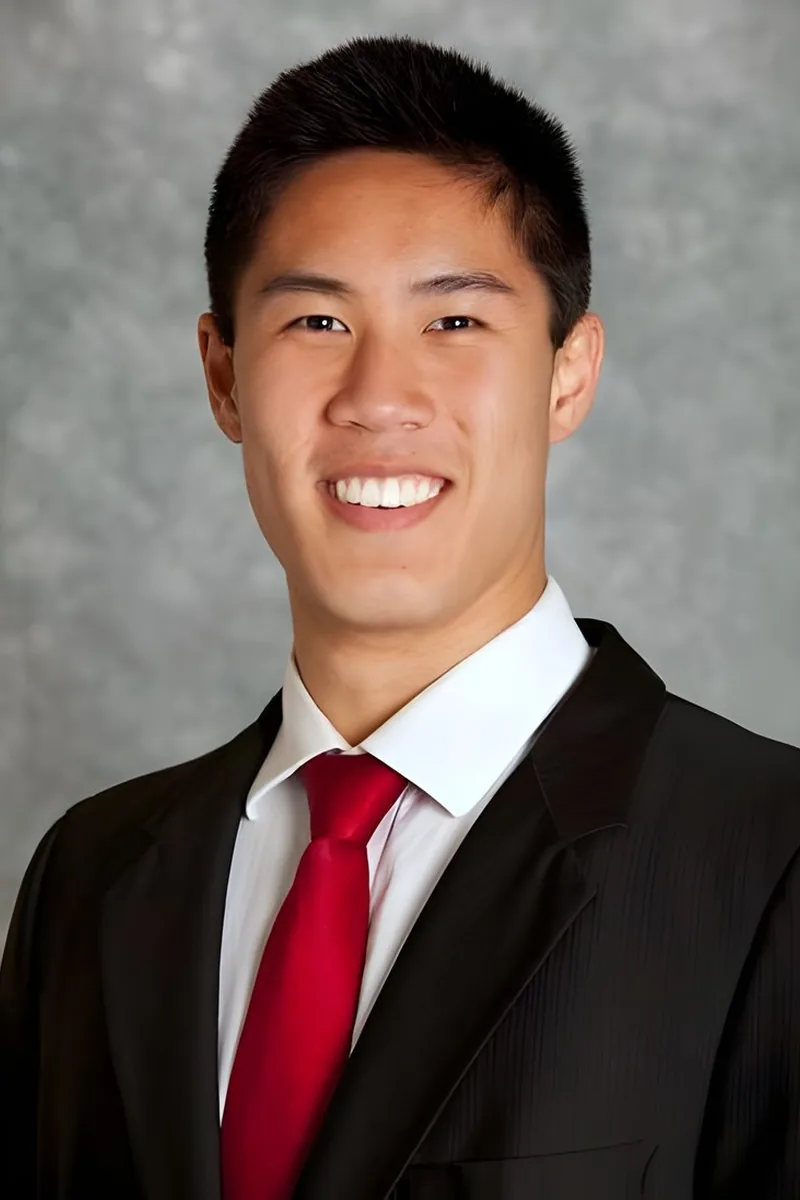
Metabolic pathways like glycolysis, the citric acid cycle, and oxidative phosphorylation aren't just textbook diagrams for Kevin — they're material he uses daily in medical school at UCF. He unpacks enzyme regulation and molecular energetics by connecting each reaction to a physiological outcome, which makes the dense detail far easier to retain.
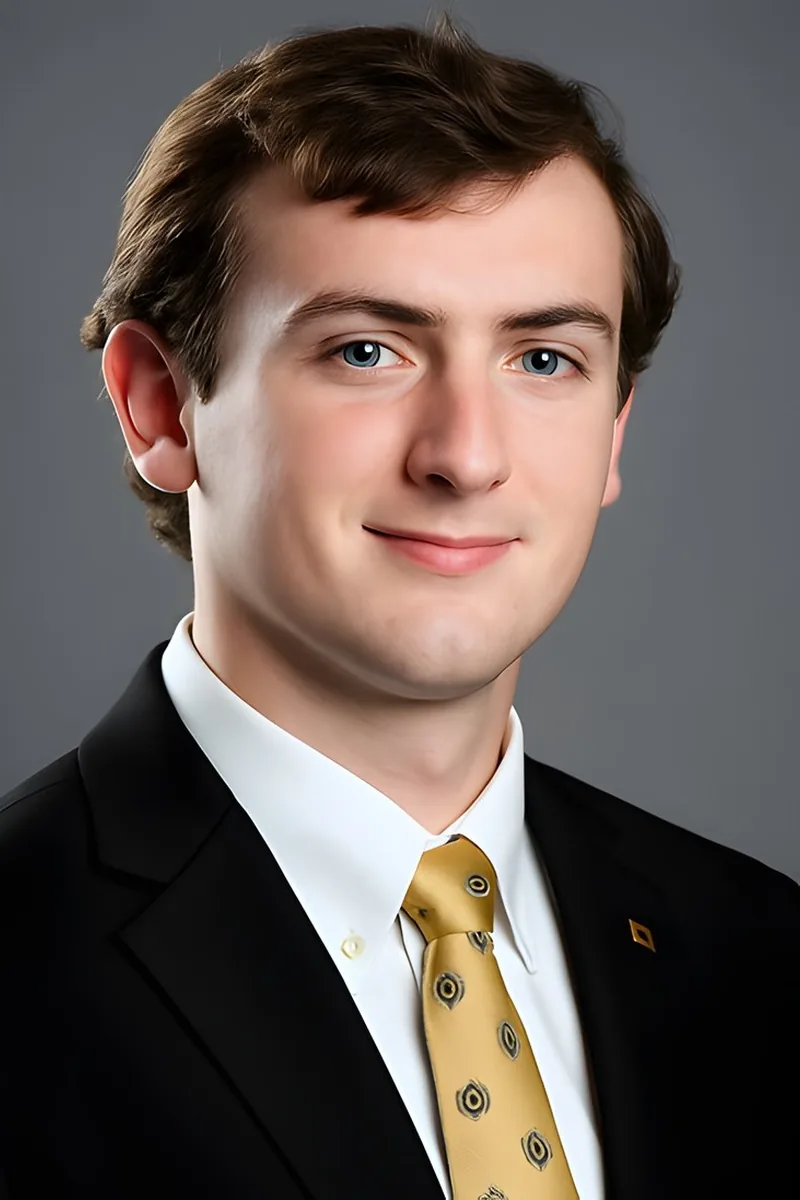
Enzyme kinetics, metabolic pathways, protein structure — biochemistry asks students to think across the boundary of chemistry and biology simultaneously. Harrison's lab research in nanotechnology required exactly that kind of cross-disciplinary fluency, and he teaches each pathway and mechanism by anchoring it in the underlying chemical logic rather than expecting brute-force memorization.
Northwestern's neuroscience program required Amira to internalize biochemistry from the pre-med side — amino acid properties, metabolic pathway regulation, and the molecular signaling that bridges chemistry and biology. She breaks down dense topics like enzyme kinetics and oxidative metabolism by linking each mechanism back to the physiological system it serves, turning abstract reaction chains into something students can reason through rather than memorize.
Enzyme kinetics, metabolic pathways, and amino acid chemistry all converge in biochemistry, and keeping them straight requires more than flashcards. Kaitlyn tackles these topics daily in medical school, so she teaches Michaelis-Menten plots, glycolysis intermediates, and protein structure with the kind of fluency that comes from constant use rather than distant memory.
Enzyme kinetics, metabolic pathways, protein structure — biochemistry sits at the intersection of everything Milagros studied and now practices. She earned her chemistry degree with a biology minor at Smith College and currently conducts research at MIT, giving her the kind of firsthand fluency with topics like Michaelis-Menten analysis and amino acid chemistry that turns abstract diagrams into something students can actually reason through.
Enzyme kinetics, metabolic pathways, protein structure — biochemistry is where biology and chemistry finally collide, and it can overwhelm students who try to memorize every detail in isolation. Felix earned his bachelor's in Biochemistry and Molecular Biology before completing medical school, so he teaches these concepts as an interconnected story rather than a disconnected list. That dual perspective means he knows which molecular details matter clinically and which ones anchor an exam.
Sidra's biology degree gave her a strong grounding in the molecular side of life sciences — lipid metabolism, nucleic acid structure, signal transduction — and she pairs that with enough chemistry depth to teach the reaction logic behind each process. She walks through topics like amino acid classification or membrane transport by tying each detail back to its biological role, which makes the volume of material far more manageable.
As an undergraduate teaching assistant for biochemistry at UF, Rangish spends his weeks unpacking enzyme kinetics, metabolic pathways, and protein structure for students who are seeing these topics for the first time. That TA role means he knows exactly where students get stuck — Michaelis-Menten derivations, amino acid properties, lipid metabolism — and how to make each concept click. He's rated 4.9 across his tutoring subjects.
Enzyme kinetics, metabolic pathways, and protein structure are where chemistry and biology collide, and biochemistry exams test whether students truly understand that intersection. Michelle walks through reaction mechanisms and thermodynamic principles using specific pathways — glycolysis, the citric acid cycle, amino acid metabolism — so the logic behind each step is clear, not just the names.
Enzyme kinetics, metabolic pathways, amino acid structures — biochemistry sits at the intersection of biology and chemistry, and students who treat it as pure memorization tend to hit a wall fast. Alec earned his degree through a pre-med track with a chemistry minor at the University of Miami, so he unpacks mechanisms like glycolysis and the citric acid cycle by connecting each reaction's purpose to the larger energy story of the cell.
Amino acid structures, metabolic pathways, enzyme mechanisms — biochemistry demands both memorization and deep conceptual understanding of why molecules behave the way they do. Susie is actively studying this material for the MCAT's biological and chemical foundations sections, which means she knows exactly which details matter most and which mnemonics actually stick.
Nicholas's PhD work in genetics means he's spent years tracing how gene expression translates into protein function — the kind of molecular-level thinking that makes topics like enzyme catalysis and metabolic pathway regulation click. His chemistry minor and ecology training add breadth, so he can teach the thermodynamic logic behind biosynthetic reactions while connecting them to the larger biological systems they support. Rated 4.8 by students.
I am passionate about tutoring because I have been in your shoes before. I understand commonly confused topics and can help guide you through the right strategy to excel in your subjects. I have extensive experience working with individuals aged 6 through 40. I received my education from the University of Florida in Gainesville, FL. I double majored in nutritional sciences and microbiology and received my BS. I received my medical degree MD from the University of Florida as well. I am currently a pathology resident and would be happy to guide you on the path of medicine if you have questions. I tutor practically every science and math topic, from chemistry, biology, and biochemistry, to algebra, geometry, and calculus. I also love teaching test prep such as SAT, GRE, and MCAT. I believe the best way to tutor is to guide with effective questions and relevant explanations. You are going to be taking the test or exam by yourself on test day, and I will make sure you have the tools and the mindset to excel.
Enzyme kinetics, metabolic pathways, protein structure — biochemistry sits at the intersection of biology and chemistry, and it punishes students who try to memorize without understanding the underlying logic. Oliver earned his B.A. in Biochemistry at CU Boulder with a chemistry minor, giving him the dual lens needed to explain why Michaelis-Menten curves behave the way they do or how amino acid properties dictate protein folding.
Enzyme kinetics, amino acid structures, metabolic pathways — Biochemistry demands that students hold molecular details and big-picture biological function in their heads simultaneously. Ibi is actively studying these topics in her premedical post-bac program, so she explains concepts like Michaelis-Menten curves and lipid metabolism with the fluency of someone who just worked through them herself. That recency makes a real difference when a student is stuck at 11 p.m. before an exam.
David's neuroscience training at Yale meant wrestling with biochemistry from the nervous system's perspective — neurotransmitter synthesis, ion channel biophysics, and the metabolic demands that make the brain consume a disproportionate share of the body's glucose. Now pursuing a graduate degree in bioethics, he brings that mechanistic grounding to topics like amino acid chemistry and membrane transport, connecting each reaction to the biological system it supports. Holds a 5.0 rating.
Few tutors can teach biochemistry from the perspective of someone who lived it at the graduate level. Dennis holds a Masters in Chemical and Physical Biology from Vanderbilt and an undergraduate degree in Biochemistry, so topics like enzyme kinetics, metabolic regulation, and protein structure are second nature. He walks through reaction mechanisms and pathway logic in a way that builds real understanding rather than rote memorization.
Enzyme kinetics, metabolic pathways, protein structure — biochemistry asks students to think about molecules as dynamic systems, not static diagrams. Tina's engineering background at Cornell and her pre-med preparation mean she can unpack topics like Michaelis-Menten kinetics or amino acid chemistry with both quantitative rigor and biological context.
A chemistry degree from Rhodes College plus hands-on clinical internships — including work at Methodist Transplant Institute — means Eric has encountered biochemistry from both the bench and the bedside. He tackles topics like amino acid structure and metabolic regulation by walking through the underlying organic chemistry step by step, so reaction pathways read as logical progressions rather than disconnected diagrams.
Matt's graduate work in human nutrition required him to trace every major metabolic pathway from the molecular level up — how macronutrients get broken down, shuttled through the citric acid cycle, and ultimately converted to usable energy. That nutritional biochemistry lens means he teaches topics like lipid metabolism and amino acid catabolism with a constant eye on physiological context, making reaction sequences feel purposeful rather than arbitrary. Holds a 5.0 rating.
Enzyme kinetics, metabolic pathways, protein structure, nucleic acid chemistry — biochemistry demands that students hold molecular detail and big-picture logic in their heads simultaneously. Sugi graduated summa cum laude with a biochemistry degree from Rice and now applies that knowledge daily in medical school at Baylor. She teaches each pathway as a narrative with clear inputs, outputs, and regulatory checkpoints rather than a list to memorize.
I am most passionate about biology and chemistry. I am a firm proponent of education, believing it to be absolutely necessary for an improved quality of life, and I try to impart this appreciation to all of my students.
Enzyme kinetics, metabolic pathways, protein structure — biochemistry asks students to think in three dimensions and across multiple reaction steps simultaneously. Kimanthi's biomedical engineering degree and graduate work in biomedical sciences gave her daily exposure to these concepts in both classroom and lab settings. She breaks down mechanisms like glycolysis and oxidative phosphorylation into logical sequences rather than memorization marathons.
Enzyme kinetics, metabolic pathways, amino acid chemistry — biochemistry asks students to think like both a biologist and a chemist simultaneously. Ivan's background spanning cognitive science and the biological sciences, plus his MCAT teaching experience, means he can unpack reaction mechanisms and protein structure in ways that connect molecular detail to bigger physiological stories.
Studying cognitive science on a pre-med track at Rice means Natalie lives in the overlap between biology and chemistry every semester — enzyme kinetics, metabolic pathways, and protein structure are part of her daily coursework. She unpacks biochemistry by anchoring molecular details to the bigger biological question they answer, which makes dense material like the citric acid cycle far more digestible.
Testimonials
Because the right Biochemistry tutor makes all the difference.
Average Session Rating – Based on 3.4M Learner Ratings
Practice Biochemistry
Free practice tests, flashcards, and AI tutoring for Biochemistry
Nearby Biochemistry Tutors
Other Orlando Tutors
Related Science Tutors in Orlando
Frequently Asked Questions
Biochemistry is the study of chemical processes within living organisms—how molecules like proteins, lipids, and carbohydrates interact to sustain life. It bridges chemistry and biology, helping you understand everything from how cells produce energy to how medications work in your body. For students in Orlando preparing for college science programs or health-related careers, biochemistry provides the foundation for advanced studies in medicine, pharmacy, and biomedical research.
Students often struggle with metabolic pathways (like glycolysis and the citric acid cycle), enzyme kinetics, and protein structure—topics that require both memorization and deep conceptual understanding. Many find it difficult to visualize how abstract molecular interactions actually work, and connecting these processes to real-world applications can feel overwhelming. Personalized tutoring helps you move beyond memorization to truly understand the 'why' behind each process, making complex pathways click into place.
Beyond classroom content, biochemistry tutoring helps you develop strong scientific reasoning skills—understanding experimental design, interpreting results, and troubleshooting when reactions don't go as planned. Tutors can walk you through lab protocols, help you understand what's happening at the molecular level during experiments, and teach you how to analyze data critically. This support strengthens both your hands-on skills and your ability to write clear lab reports that demonstrate your understanding.
Your first session focuses on understanding where you are right now—what topics feel solid, where you're struggling, and what your specific goals are, whether that's improving your grade, preparing for an exam, or building a stronger foundation. The tutor will assess your learning style and identify which concepts need the most attention, then create a personalized plan tailored to your needs. This diagnostic approach ensures that every session after that targets exactly what will help you most.
Biochemistry requires both knowledge and conceptual understanding—you need to know the structures and pathways, but also understand *why* they work that way and how they connect. Personalized tutoring emphasizes active learning: working through problems, drawing mechanisms, and explaining concepts in your own words rather than passive review. Tutors use visualization techniques, real-world examples, and the scientific method to help you build genuine comprehension that sticks with you long after the exam.
Unit conversions and biochemical calculations trip up many students because they require both math skills and understanding of what the units actually represent—molarity, pH, enzyme activity, etc. When you're unsure about the underlying concepts, the math feels disconnected and arbitrary. Tutoring helps you master the calculation techniques while also building confidence in what each unit means, so conversions become logical rather than confusing.
Varsity Tutors connects you with biochemistry tutors who have strong backgrounds in chemistry and biology and understand how to teach complex molecular concepts clearly. When you get matched with a tutor, you can discuss your specific needs—whether you're taking AP Biology, a college biochemistry course, or preparing for the MCAT—so your tutoring is perfectly aligned with your goals. The matching process ensures you work with someone who can explain difficult concepts in a way that makes sense to you.
Exam preparation requires more than knowing facts—you need to practice applying concepts to new problems, understand common question patterns, and build test-taking strategies. Personalized tutoring includes targeted practice with past exam questions, timed problem sets to build speed and accuracy, and review of your mistakes to identify knowledge gaps. Tutors also help you manage test anxiety and develop confidence, so you walk into exam day ready to demonstrate what you actually know.
Let’s find your perfect tutor
Answer a few quick questions. We’ll recommend the right plan and match you with a top 5% tutor.