Award-Winning AP Human Geography Tutors
serving Green Bay, WI
AP Human Geography
Tutors in Green Bay
Private 1-on-1 tutoring, weekly live classes for academic support, test prep & enrichment, practice tests and diagnostics, and more to elevate grades and test scores.
Based on 3.4M Learner Ratings
UniversitiesSchools & Universities
DeliveredHours Delivered
ProficiencyGrowth in Proficiency
Who needs tutoring?
No obligation. Takes ~1 minute.

Population pyramids, the Demographic Transition Model, Rostow vs. dependency theory — AP Human Geography throws dense conceptual models at students who often haven't taken a geography course before. Mark's international relations training at Tufts means he can ground these abstract models in concrete examples, connecting spatial patterns to the political and economic forces that actually produce them.
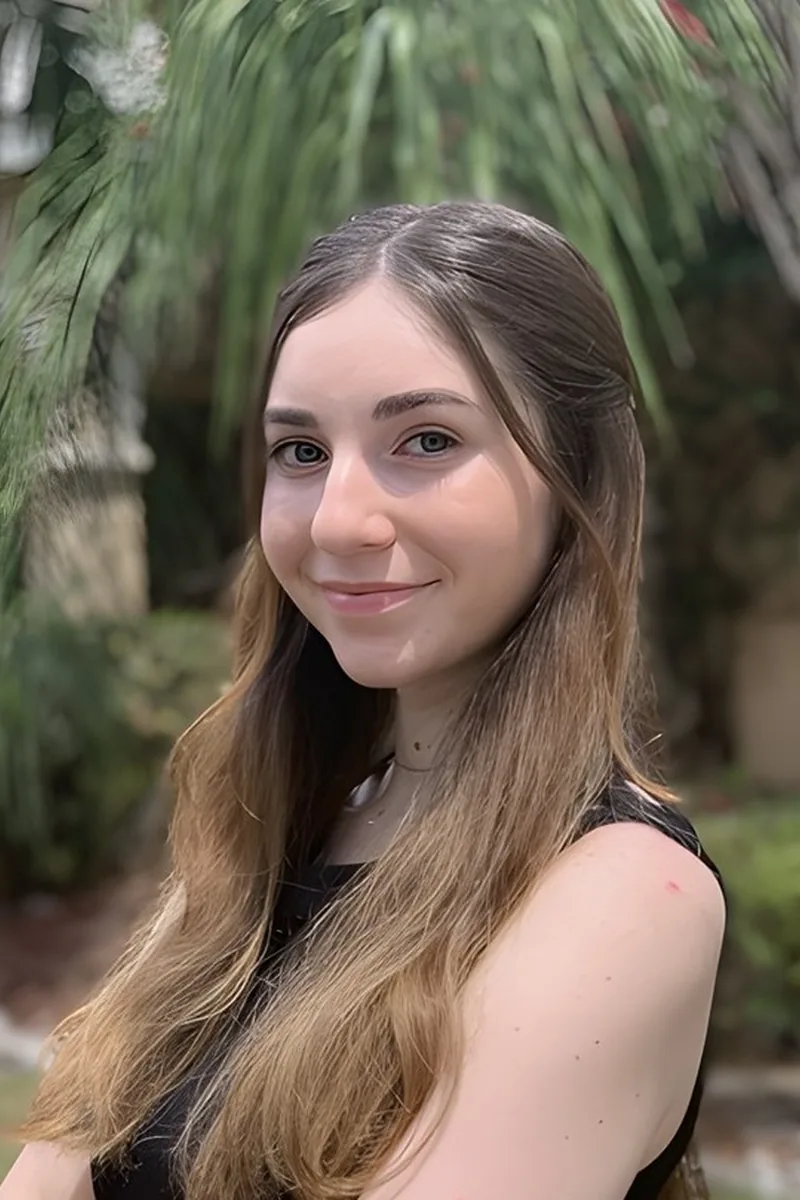
Population pyramids, the Demographic Transition Model, spatial diffusion — AP Human Geography throws a lot of vocabulary at students and expects them to apply it to real-world scenarios on the FRQs. Liraz teaches students to think geographically, connecting concepts like urbanization patterns and cultural landscapes to places they already know about.
Economic development models, urbanization patterns, and the politics of agricultural land use sit at the intersection of Dana's economics expertise and AP Human Geography's core units. She teaches students to read spatial data critically and to write FRQ answers that link geographic concepts — like Rostow's stages or the demographic transition model — to specific real-world examples.
Courtney's French Language and Literature degree means she spent years studying how language, colonialism, and cultural identity intersect across Francophone regions — from West Africa to the Caribbean to Quebec — which maps neatly onto AP Human Geography's units on cultural diffusion, political boundaries, and language patterns. As a freelance writer, she also brings practical clarity to FRQ responses, teaching students to construct tight geographic arguments instead of listing vocabulary. Rated 5.0 by students.
Georgetown's International Politics program — especially Jennifer's concentration in International Security Studies — is essentially a deep dive into the political boundaries, state sovereignty, and supranational conflicts that dominate AP Human Geography's Unit 4. Her journalism training at Northwestern adds a second edge: she knows how to teach students to construct tight, evidence-based FRQ responses, since building arguments from source material is what she does professionally every day.
Spatial patterns, demographic models, and the way human activity reshapes landscapes — AP Human Geography covers a surprising amount of ground. Muse connects abstract concepts like Ravenstein's migration laws or the Von Thünen model to real-world examples, making the material stick for both multiple-choice and free-response sections of the exam.
Economics and finance training at Notre Dame means Benjamin already thinks in the spatial and systems-level frameworks AP Human Geography demands — trade networks, development models like Rostow's stages, and how economic forces reshape urban and agricultural landscapes. He's especially useful for students who struggle to connect the course's vocabulary to the data-interpretation and stimulus-based questions on the exam. Holds a 5.0 rating.
Population pyramids, Ravenstein's laws of migration, the Burgess model — AP Human Geography throws a lot of spatial concepts at students who've never taken a geography course before. Juan breaks these models down by tying them to real places and current events, which makes the free-response questions far less intimidating.
Computer science trains you to think in systems — how inputs flow through structures to produce outcomes — and that's exactly how Regina approaches AP Human Geography concepts like the gravity model, central place theory, and spatial diffusion. She breaks down each unit's models as logical frameworks rather than vocabulary lists, which clicks especially well for students who think analytically but struggle with traditional social studies memorization. Rated 5.0 by students.
Teaching across math, science, English, and art in classroom settings gave Danielle an unusual cross-disciplinary habit — she naturally connects economic patterns to cultural shifts to environmental constraints, which is exactly the kind of thinking AP Human Geography's FRQs demand when students must link models like Rostow's development stages to real-world stimulus material. Her English literature training also sharpens the written argumentation side, where students often lose points by listing vocabulary instead of building a coherent geographic explanation. Rated 4.9 by students.
Between a history BA and a master's in history, Alison has spent years tracing the migration patterns, colonial legacies, and political boundary shifts that form the backbone of AP Human Geography's toughest units. She's especially strong at connecting those historical threads to geographic models — showing students why the Rimland theory or Ratzel's organic state concept emerged when and where they did, rather than treating them as standalone definitions. Holds a 5.0 rating.
Mikkel's biology degree with a biochemistry focus might seem like an odd fit for AP Human Geography, but the population ecology and resource distribution concepts he studied at Carleton map surprisingly well onto units covering the demographic transition model, Malthusian theory, and agricultural development patterns. He also brings strong Spanish fluency and broad social studies knowledge to the cultural geography and political organization units, where understanding how language and identity shape regional boundaries makes abstract models feel concrete.
Sarah's dual focus on statistics and political science means she's comfortable with both the quantitative models (population pyramids, demographic transition data) and the political frameworks (sovereignty, devolution, supranational organizations) that AP Human Geography weaves together across its units. Her 34 ACT and strong test-taking instincts also translate well to the exam's stimulus-based multiple choice, where reading a population chart or thematic map quickly and accurately is half the battle.
Testimonials
Because the right AP Human Geography tutor makes all the difference.
Average Session Rating – Based on 3.4M Learner Ratings
Practice AP Human Geography
Free practice tests, flashcards, and AI tutoring for AP Human Geography
Nearby AP Human Geography Tutors
Other Green Bay Tutors
Related Social Studies Tutors in Green Bay
Frequently Asked Questions
Varsity Tutors matches Green Bay students with expert AP Human Geography tutors for 1-on-1 instruction. We pair each student with a tutor based on their specific needs, learning style, and goals.
Whether you need homework help, exam prep, or want to get ahead, our AP Human Geography tutors are ready to help.
Common challenges include gaps from earlier material, difficulty with specific concepts, and trouble applying learning to new problems. These issues can snowball quickly in AP Human Geography.
A tutor identifies where you're stuck, fills in gaps, and provides targeted practice. The 1-on-1 format means you get help exactly where you need it.
Tutors work with your student's actual coursework—homework assignments, class notes, and upcoming tests. This keeps tutoring directly relevant to what's happening in the classroom.
When you share information about your student's school and curriculum, we can match you with a tutor who has relevant experience.
All tutors complete background checks, credential verification, and teaching evaluation. Many of our AP Human Geography tutors hold advanced degrees or have years of teaching experience.
You can review tutor profiles to find someone with the right background for your student's level and needs.
Many students see improved grades within a few weeks, along with better understanding of AP Human Geography concepts and more confidence tackling challenging material.
Tutors track progress and adjust their approach to ensure continued improvement.
Most students benefit from 1-2 sessions per week. More frequent sessions help if your student is significantly behind or has an important exam coming up.
Your tutor can recommend a schedule based on your student's specific situation and goals.
Tutoring is purchased in packages of hours, with rates varying by tutor experience. Varsity Tutors offers several options to fit different budgets and needs.
You can discuss pricing during your consultation to find what works best.
Your tutor will assess where your student is, discuss goals, and start working on priority areas. Most students bring current homework or upcoming test material to focus on.
By the end, you'll have a clear sense of how the tutor can help and a plan for moving forward.
Let’s find your perfect tutor
Answer a few quick questions. We’ll recommend the right plan and match you with a top 5% tutor.