Award-Winning Phonics Tutors
serving Olympia, WA
Phonics
Tutors in Olympia
Private 1-on-1 tutoring, weekly live classes for academic support, test prep & enrichment, practice tests and diagnostics, and more to elevate grades and test scores.
Based on 3.4M Learner Ratings
UniversitiesSchools & Universities
DeliveredHours Delivered
ProficiencyGrowth in Proficiency
Who needs tutoring?
No obligation. Takes ~1 minute.
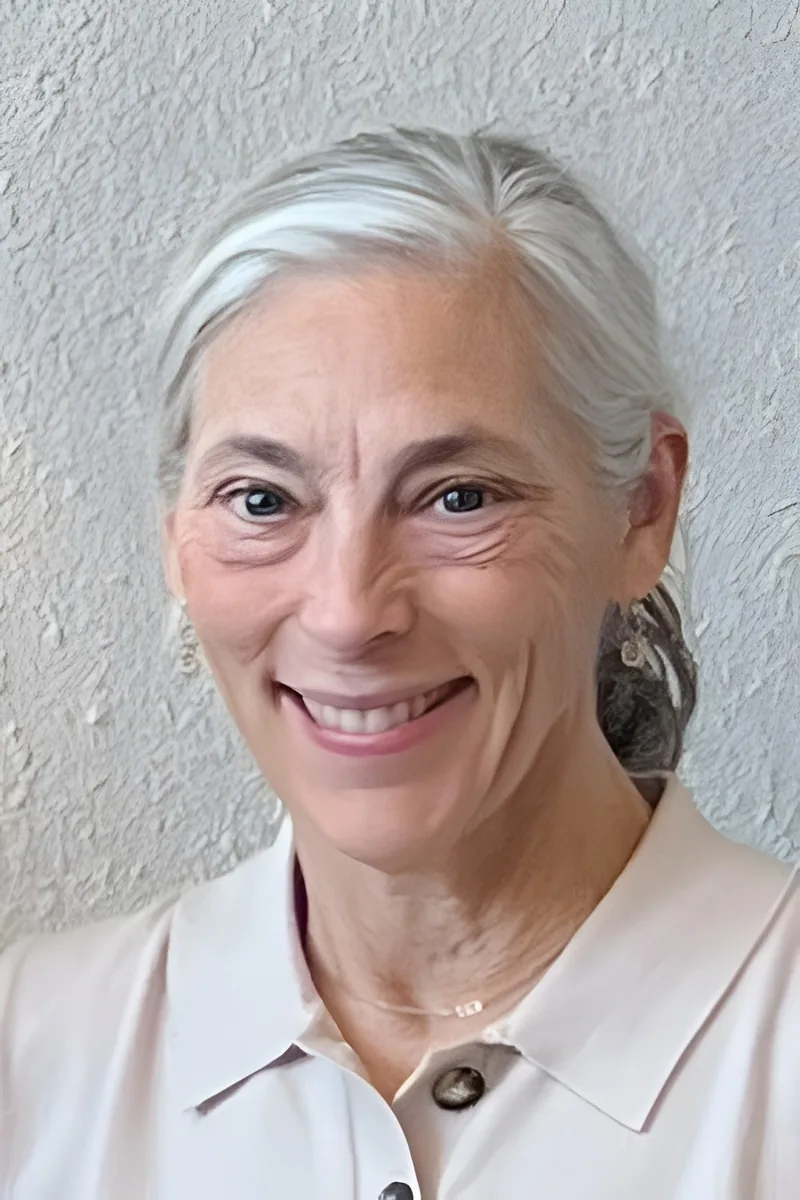
I am a native Seattleite, who graduated from Seattle Pacific University with a bachelor's degree in psychology and Elementary Education (K-8). I later received my master's degree in social work from the University of Washington. I taught grades 1-3 in Boston, Massachusetts (private school) and in Monroe, Washington (public school). I am passionate about helping children navigate through life both educationally and emotionally and found great satisfaction in working in Social Services for 11 years in a non-profit that provided mentors for children from single parent homes. While I was raising my children, I began tutoring Reading part time in public schools and found that I absolutely love working with emerging readers in small groups or one to one. It is extremely satisfying helping a child become a strong reader as it influences their success in every subject area. I try to instill a love for books in my students, while using humor and positive encouragement. I strongly believe that children need support at home, both by being read to and reading to their family members. I am enjoying working with students to provide phonics-based early reading education

Early readers need someone patient enough to sit with each sound and blend until it clicks. Blair pairs her Master's in Education with a genuine love of reading to teach letter-sound relationships, consonant clusters, and sight words in ways that build a young learner's confidence alongside their decoding skills.
Breaking words into their component sounds is the foundation of confident reading, and Vivian's ear training as a Juilliard-level musician gives her a sharp sensitivity to the rhythms and patterns of spoken language. She teaches phonemic awareness through systematic decoding practice, connecting letter combinations to the sounds they produce so young readers can tackle unfamiliar words independently.
Early readers need to connect letters to sounds before anything else clicks, and phonics instruction is where that connection gets built. Katherine breaks down blending, segmenting, and vowel patterns into manageable steps, using repetition and word games to make each skill stick. Her patience and creativity keep young learners motivated through the repetitive practice phonics requires.
Jenna's experience teaching French and ESL/ELL learners gave her a deep understanding of how sounds map to letters across languages. She applies that ear for phonemic patterns when teaching phonics, breaking down blends, digraphs, and vowel teams so early readers decode words with real confidence.
Early readers need to hear the connection between letters and sounds before they can decode words on their own. Yocheved teaches phonics through engaging, multi-sensory activities — blending drills, rhyming games, and word-family sorting — that turn letter-sound relationships into something a child can feel confident about from the very first session.
Ben pairs his background as a history teacher — where reading is the foundation of everything — with a lifelong love of books to make phonics instruction stick for early readers. He connects letter-sound relationships, blending, and sight-word recognition to actual stories kids want to read, turning decoding practice into something that feels more like discovery than drill.
Early readers need to hear and manipulate individual sounds before printed words start making sense, and that's exactly where phonics instruction begins. Jeanette teaches letter-sound correspondence, blending, and segmenting through structured, repetitive practice that builds genuine decoding skills. Her patience and psychology training make her especially attuned to how young learners process new information.
Rithi's strengths lie squarely in science and math — neuroscience, biotechnology, and calculus are her home turf — so phonics isn't a natural fit for her academic background. That said, her neuroscience training covered how the brain processes language and maps sounds to symbols, which gives her a more analytical lens on the decoding skills that underpin early reading.
Decoding words is the gateway to everything else in school, and Zoe's experience as a K-2 reading tutor means she's spent serious time on letter-sound relationships, blending, and digraphs. She identifies exactly where a child's phonemic awareness breaks down and targets that gap with structured, repetitive practice that actually sticks.
Early reading starts with sounds — blending consonants, recognizing vowel patterns, decoding unfamiliar words one syllable at a time. Sarah's Child Development degree from Vanderbilt gave her a strong understanding of how young children acquire language, which shapes how she sequences phonics instruction. She keeps sessions playful and repetitive in the right ways, so letter-sound connections become automatic rather than forced.
Early readers need someone patient enough to sit with the mechanics of decoding — blending consonant clusters, recognizing vowel teams, and building sight-word fluency one page at a time. John's teaching range spans elementary math through SAT prep, which means he understands how to calibrate his energy and explanations for younger learners. He makes phonics practice feel like a game rather than a chore.
Early readers need someone patient enough to sit with the mechanics of how letters map to sounds — blending consonant clusters, recognizing vowel teams, decoding unfamiliar words syllable by syllable. Logan brings a methodical, encouraging approach to phonics instruction, building each skill in sequence so young learners gain genuine confidence with new words.
Testimonials
Because the right Phonics tutor makes all the difference.
Average Session Rating – Based on 3.4M Learner Ratings
Other Olympia Tutors
Related English Tutors in Olympia
Frequently Asked Questions
Varsity Tutors matches Olympia students with expert Phonics tutors for 1-on-1 instruction. We pair each student with a tutor based on their specific needs, learning style, and goals.
Whether you need homework help, exam prep, or want to get ahead, our Phonics tutors are ready to help.
Common challenges include gaps from earlier material, difficulty with specific concepts, and trouble applying learning to new problems. These issues can snowball quickly in Phonics.
A tutor identifies where you're stuck, fills in gaps, and provides targeted practice. The 1-on-1 format means you get help exactly where you need it.
Tutors work with your student's actual coursework—homework assignments, class notes, and upcoming tests. This keeps tutoring directly relevant to what's happening in the classroom.
When you share information about your student's school and curriculum, we can match you with a tutor who has relevant experience.
All tutors complete background checks, credential verification, and teaching evaluation. Many of our Phonics tutors hold advanced degrees or have years of teaching experience.
You can review tutor profiles to find someone with the right background for your student's level and needs.
Many students see improved grades within a few weeks, along with better understanding of Phonics concepts and more confidence tackling challenging material.
Tutors track progress and adjust their approach to ensure continued improvement.
Most students benefit from 1-2 sessions per week. More frequent sessions help if your student is significantly behind or has an important exam coming up.
Your tutor can recommend a schedule based on your student's specific situation and goals.
Tutoring is purchased in packages of hours, with rates varying by tutor experience. Varsity Tutors offers several options to fit different budgets and needs.
You can discuss pricing during your consultation to find what works best.
Your tutor will assess where your student is, discuss goals, and start working on priority areas. Most students bring current homework or upcoming test material to focus on.
By the end, you'll have a clear sense of how the tutor can help and a plan for moving forward.
Let’s find your perfect tutor
Answer a few quick questions. We’ll recommend the right plan and match you with a top 5% tutor.