Award-Winning Phonics Tutors
serving Seattle, WA
Phonics
Tutors in Seattle
Private 1-on-1 tutoring, weekly live classes for academic support, test prep & enrichment, practice tests and diagnostics, and more to elevate grades and test scores.
Based on 3.4M Learner Ratings
UniversitiesSchools & Universities
DeliveredHours Delivered
ProficiencyGrowth in Proficiency
Who needs tutoring?
No obligation. Takes ~1 minute.
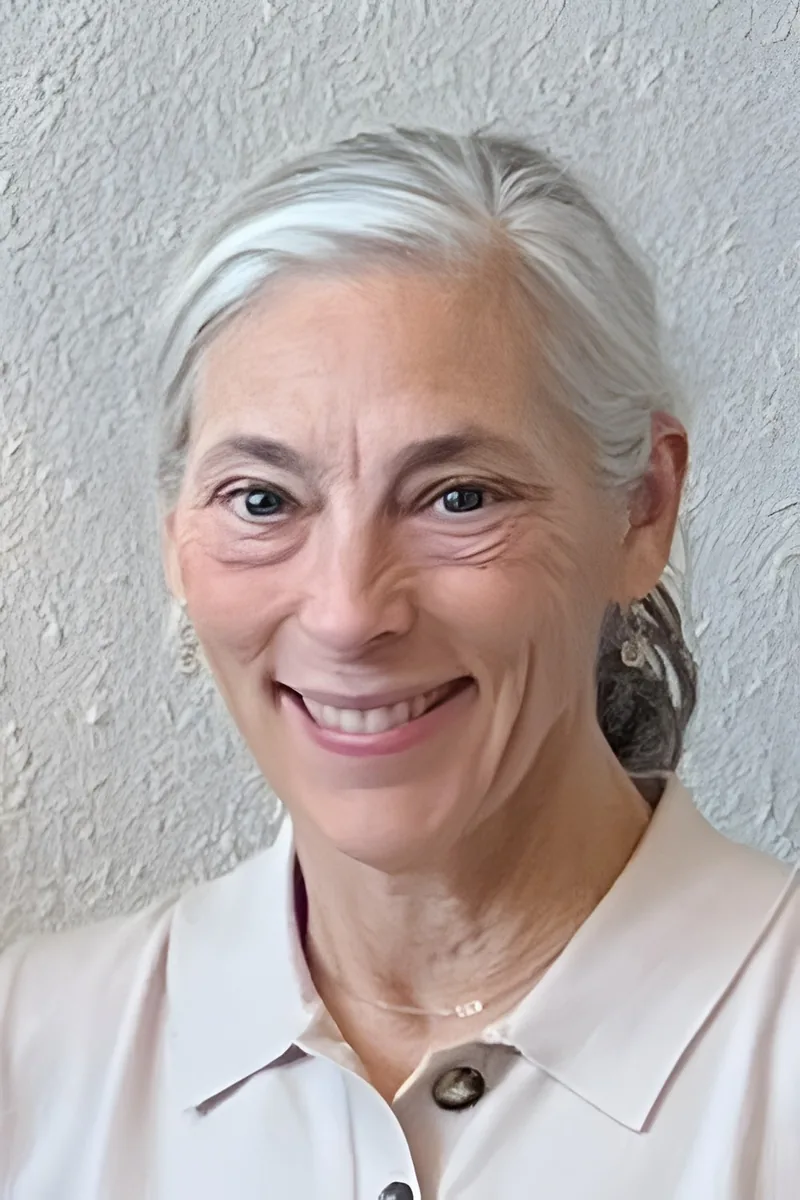
I am a native Seattleite, who graduated from Seattle Pacific University with a bachelor's degree in psychology and Elementary Education (K-8). I later received my master's degree in social work from the University of Washington. I taught grades 1-3 in Boston, Massachusetts (private school) and in Monroe, Washington (public school). I am passionate about helping children navigate through life both educationally and emotionally and found great satisfaction in working in Social Services for 11 years in a non-profit that provided mentors for children from single parent homes. While I was raising my children, I began tutoring Reading part time in public schools and found that I absolutely love working with emerging readers in small groups or one to one. It is extremely satisfying helping a child become a strong reader as it influences their success in every subject area. I try to instill a love for books in my students, while using humor and positive encouragement. I strongly believe that children need support at home, both by being read to and reading to their family members. I am enjoying working with students to provide phonics-based early reading education
Early readers need to connect letters to sounds before anything else clicks, and phonics instruction is where that connection gets built. Katherine breaks down blending, segmenting, and vowel patterns into manageable steps, using repetition and word games to make each skill stick. Her patience and creativity keep young learners motivated through the repetitive practice phonics requires.
During her three years as a 1st through 3rd grade classroom teacher with Teach for America, Victoria taught phonics daily — blending, segmenting, digraphs, vowel teams, all of it. That hands-on experience means she can spot exactly where a young reader's decoding is breaking down and adjust her approach on the spot.
Early readers need to hear and feel the patterns in language before decoding makes sense — blending consonant clusters, distinguishing long and short vowel sounds, recognizing common sight words. Ingrid brings patience and structured repetition to phonics instruction, using multisensory techniques that build reading confidence one sound at a time.
Early readers need to crack the code between letters and sounds before fluency can follow. Alison teaches phonemic awareness systematically — blending, segmenting, digraphs, vowel teams — using her training in curriculum design to sequence lessons so each skill builds naturally on the last. Her patience and structured approach make the jump from sounding out words to reading sentences feel achievable.
Understanding how the brain processes language isn't just theory for Giovanna — her Penn degree in Cognitive Neuroscience covered the science behind how children learn to decode words. She applies that knowledge to phonics instruction, teaching letter-sound relationships, blending, and digraphs in a systematic way that builds real reading fluency.
Strong reading starts with decoding — understanding how letter combinations map to sounds and how those sounds build into words. Christopher brings patience and structure to phonics instruction, working through blends, digraphs, and vowel patterns in a way that builds real fluency over time. His broad humanities background makes him especially good at connecting phonics drills to actual reading and storytelling, keeping young learners engaged.
Teaching phonics effectively means building a child's ability to connect letter patterns to sounds in a systematic, confidence-building sequence — blends, digraphs, vowel teams, and eventually multisyllabic decoding. Varuna's experience tutoring students as young as first grade gives her a feel for pacing these skills so early readers don't get overwhelmed. She keeps sessions interactive and uses repetition that feels like play rather than drill.
Early readers need someone patient enough to sit with each sound blend until it becomes automatic. Naomi's experience teaching English to elementary-aged students in Indonesia — where she built lessons from basic phoneme recognition up through decoding multisyllabic words — translates directly to phonics instruction for young learners here.
Learning to read starts with hearing the individual sounds inside words, and Elise's special education certification gives her structured, evidence-based methods for teaching phonemic awareness, blending, and decoding. She keeps early readers engaged with multisensory techniques — tracing letters, clapping syllables, using picture cues — that turn abstract letter-sound relationships into something a child can feel and remember.
Early readers need to crack the code connecting letters to sounds before anything else clicks. Yan has spent years in elementary classrooms teaching phonemic awareness, blending, and decoding — the building blocks that turn letter recognition into actual reading fluency. She sequences lessons carefully so each new phonics pattern builds naturally on what a child already knows.
Samuel's primary expertise lies in standardized testing, writing, and math — not early reading instruction — but his linguistics coursework in East Asian Languages and Civilizations at the University of Chicago required him to study how sound systems work across languages, giving him a structural understanding of how letters map to sounds in English. He brings that analytical lens to phonics, breaking spelling patterns into logical rules rather than lists to memorize. Rated 4.9 by clients.
Twenty years of teaching ESL and elementary readers gave Christina a deep catalog of what trips kids up when they're learning to decode — the silent letters, the vowel combinations that don't follow the "rules," the moment a child starts guessing instead of sounding out. Her K-6 certification and ESL training mean she can teach letter-sound relationships to native English speakers and multilingual learners alike, adjusting how she introduces blends and digraphs based on which sounds a child already owns.
Testimonials
Because the right Phonics tutor makes all the difference.
Average Session Rating – Based on 3.4M Learner Ratings
Other Seattle Tutors
Related English Tutors in Seattle
Frequently Asked Questions
Phonics is the foundational skill of connecting sounds (phonemes) to letters and letter combinations, enabling students to decode and read words independently. It's essential because it gives young readers the tools to tackle unfamiliar words and builds the confidence needed for fluent reading. Strong phonics skills in early grades directly support reading comprehension and academic success across all subjects.
Many Seattle-area students struggle with phoneme awareness (hearing individual sounds in words), blending sounds together, and recognizing irregular sight words that don't follow typical phonics patterns. Others find it difficult to apply phonics rules consistently across different word types or transition from simple CVC words to more complex multi-syllabic words. These gaps often go unaddressed in classroom settings where teachers work with groups of 15-20 students, making personalized support valuable for catching and correcting these foundational issues.
In a classroom of 20+ students, teachers must move at an average pace that may leave struggling readers behind or unchallenged readers bored. Personalized 1-on-1 instruction allows tutors to assess exactly where a student's phonics skills are, target specific gaps (like vowel digraphs or consonant blends), and adjust pace and materials in real time. This focused approach typically accelerates progress because every lesson is designed around that individual student's learning style and needs.
Yes. Varsity Tutors connects students with tutors who are familiar with common phonics approaches used across Washington schools, including systematic phonics programs and structured literacy frameworks. Tutors can also work with your child's specific school materials and learning objectives, ensuring that tutoring reinforces and accelerates what's being taught in the classroom rather than working in isolation.
Phonics is most critical in kindergarten through 2nd grade, when students are building foundational decoding skills. However, older students who missed these foundations or struggle with advanced phonics concepts (like syllable patterns, morphology, and multi-syllabic word decoding) also benefit significantly from targeted instruction. Early intervention is ideal, but it's never too late to strengthen phonics skills if reading fluency is a concern.
Progress in phonics shows up in concrete ways: increased accuracy when reading unfamiliar words, faster decoding speed, improved fluency, and growing confidence with independent reading. Tutors can track specific skills like phoneme identification, blending accuracy, and sight word mastery using assessments and regular practice. Many parents notice improvements within a few weeks as their child tackles words they previously found frustrating.
The first session typically focuses on assessment—the tutor will listen to your child read, ask questions about letter sounds and blending, and identify which phonics concepts are solid and which need work. This diagnostic approach ensures the tutoring plan targets actual gaps rather than reviewing skills already mastered. You'll leave with a clear picture of where your child stands and what the personalized instruction will focus on.
Varsity Tutors connects you with tutors who have expertise in phonics instruction and understand how to work with early readers or older students needing remediation. You can share details about your child's grade level, specific challenges, and learning style, and we'll match you with someone experienced in personalized phonics instruction. The process is straightforward, and you can typically start within days.
Let’s find your perfect tutor
Answer a few quick questions. We’ll recommend the right plan and match you with a top 5% tutor.