Award-Winning Python Tutors
serving Virginia Beach, VA
Python
Tutors in Virginia Beach
Private 1-on-1 tutoring, weekly live classes for academic support, test prep & enrichment, practice tests and diagnostics, and more to elevate grades and test scores.
Based on 3.4M Learner Ratings
UniversitiesSchools & Universities
DeliveredHours Delivered
ProficiencyGrowth in Proficiency
Who needs tutoring?
No obligation. Takes ~1 minute.
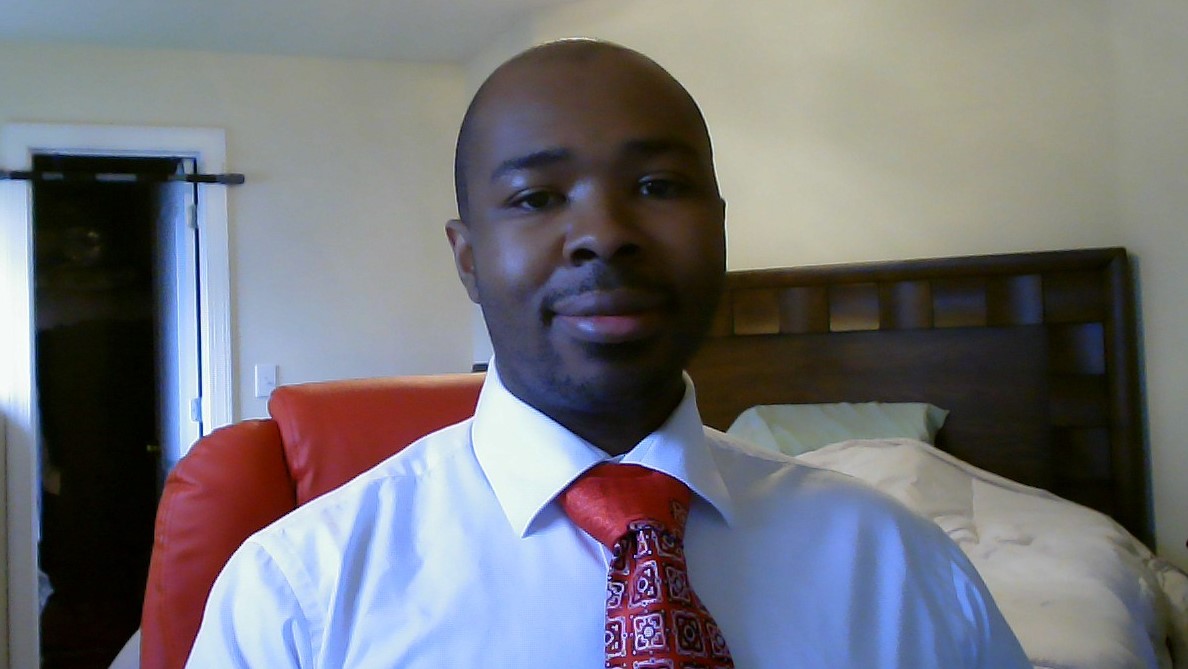
I have been coaching students to their best performance in math for seven years. I am fluent in all levels of math, primary, secondary, and freshman/sophomore university level. I am also fluent with the mathematics which one may find on the ACT, SAT, GRE, ASVAB, CLEP test and most standardized test. My background in Engineering also gives me a level of confidence with computer science and general sciences such as physics and chemistry. I have over a year of study in each myself. Overall, I have had much success working with students in various languages and levels of computer programming.
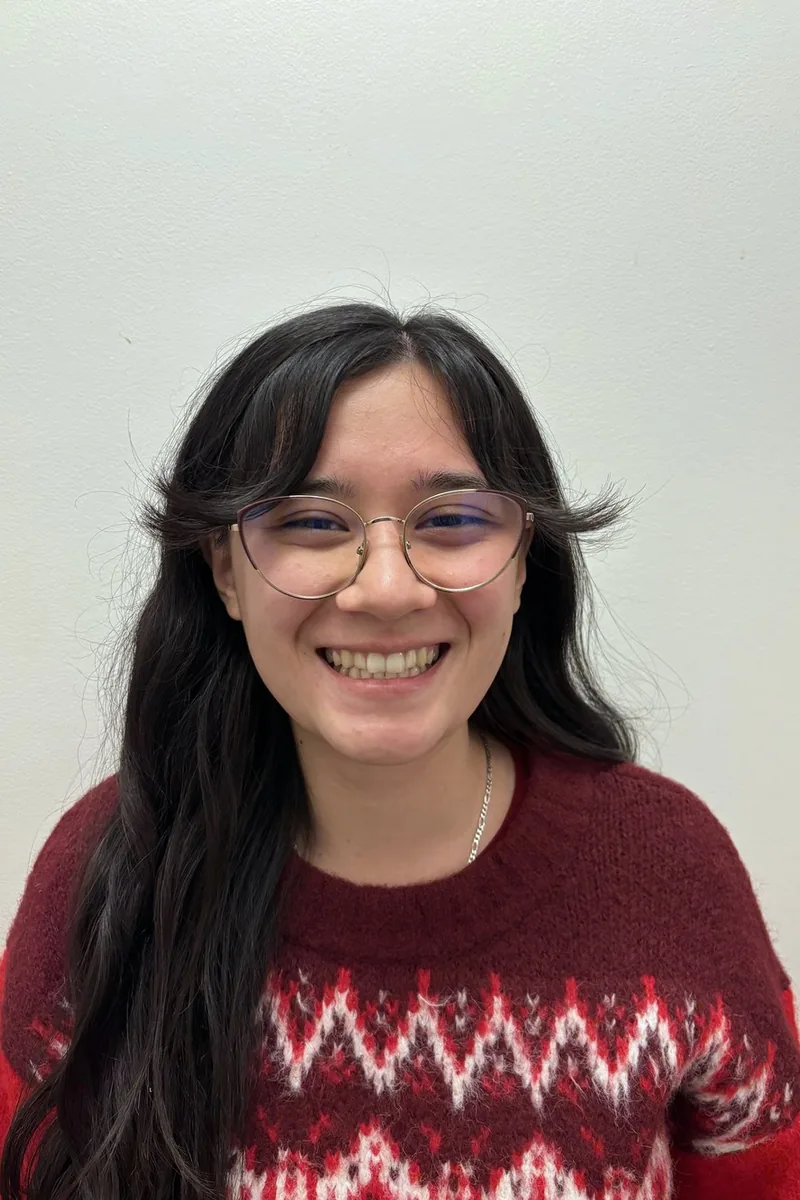
Hello, I currently work in an experimental quantum optics lab and will be enrolled in a quantum computing Ph.D. program at Rice University Fall 2026. I have been an employed tutor at my college (William and Mary) and during my high school career at the Governor's School at Innovation Park for 4 years. I struggled in my first physics class at George Mason University through my Governor's school as a junior in high school, but spent hours restructuring how I learned and approached problems to reach success! Physics and math are my true passions and I cannot wait to use the valuable lessons and strategies I learned to help and support you in your academic journey. William and Mary GPA - 3.95 B.S. in Physics (honors) - 4.0 770 on math SAT 5 on AP Calculus BC exam Experience with Pearson Physics textbook and Griffiths
Nicholas approaches Python through the lens of data and computation, drawing on his statistics background to teach not just syntax but how to think algorithmically. Whether it's writing functions, manipulating lists, or building loops for data analysis, he connects each concept to problems students actually want to solve. Rated 5.0 by students.
Pratik's subject list is heavy on science and math — AP Chemistry, AP Biology, college physics — which means he picked up Python the way most STEM students do: writing scripts to process data, automate calculations, and solve problems that would take forever by hand. That practical entry point lets him teach core concepts like loops, conditionals, and functions through tasks students can immediately see the purpose of, rather than abstract exercises disconnected from anything real.
As a statistics graduate student, Evan writes Python daily — building data pipelines, running simulations, and using libraries like pandas and NumPy for real analysis. He teaches programming the way he learned it: by solving actual problems, so students understand not just syntax but why specific data structures and control flows matter.
I'm trying to work on personal projects. I really enjoy snowboarding, and have been doing that since the third grade. I also enjoy playing sports and video games.
Python's readable syntax makes it a great first language, but students still struggle when they hit list comprehensions, file I/O, or debugging recursive functions. Brice has taught Python to beginners as young as middle school and to college peers working on more advanced projects. He walks through each concept by writing real code alongside students rather than lecturing from slides.
From list comprehensions to recursive algorithms, Jacob teaches Python with the depth that comes from a master's in computer science and fluency across multiple programming languages. He connects each concept to practical applications — data manipulation with dictionaries, file I/O, or writing clean functions — so students build code they can actually reuse and extend.
Tim writes Python daily as part of his Computational Neuroscience work at MIT, building scripts for data analysis and simulation rather than just textbook exercises. That real-world coding context means he can walk students through everything from basic syntax and control flow to libraries like NumPy and Matplotlib, connecting each concept to problems that actually do something interesting.
Whether it's writing a first for-loop or building out a data pipeline with pandas and NumPy, Bryan adapts his Python teaching to what the student actually needs to accomplish. His CS coursework at Penn means he's written Python for everything from web scraping to algorithm design, so he can connect syntax lessons to real projects that make concepts stick.
Python's readability makes it a great first language, but students still stumble on list comprehensions, class inheritance, and debugging logic errors they can't see. Jonathan uses Python in his own Cornell coursework across both CS and engineering projects, so he teaches the language the way it's actually used — not just syntax drills, but writing clean, functional code that solves real problems.
Whether it's scripting a data pipeline or implementing a sorting algorithm from scratch, Florence teaches Python with the pragmatism of someone who's used it across academic and industry settings — including software development at IBM. She walks through core concepts like list comprehensions, dictionary manipulation, and file I/O with clear explanations rooted in her Duke CS coursework and TA experience.
Python's readability makes it a popular first language, but students still hit walls on list comprehensions, class inheritance, and debugging logic errors they can't see. Milo teaches Python within a computer science framework — connecting syntax to the underlying concepts — drawing on both his CS master's work at UMass Amherst and years of tutoring experience. He's rated 5.0 by students.
Python's readability makes it a great first language, but students still stumble on list comprehensions, scope rules, and debugging logic errors in loops. Winton teaches Python through Stanford's CS curriculum and knows how to make abstract concepts like recursion and object-oriented design feel intuitive by building small, working programs step by step.
Testimonials
Because the right Python tutor makes all the difference.
Average Session Rating – Based on 3.4M Learner Ratings
Other Virginia Beach Tutors
Related Technology and Coding Tutors in Virginia Beach
Frequently Asked Questions
Absolutely. Python is one of the most beginner-friendly programming languages because its syntax is clean and readable, letting you focus on learning logic rather than wrestling with complex rules. Many students in Virginia Beach start with Python before moving into web development, data science, or other specializations. A tutor can help you build a strong foundation in problem-solving and coding fundamentals that transfer to any language.
Debugging is a skill that improves with practice and guidance. Many students struggle because they panic when they see an error instead of reading it carefully. A tutor can teach you how to interpret error messages, use print statements and debugging tools effectively, and develop a systematic approach to finding and fixing bugs. This hands-on practice accelerates your ability to troubleshoot independently.
Syntax is the rules of the language (how to write valid code), while logic is the thinking process behind solving problems (algorithms, data structures, flow control). You can memorize syntax, but logic requires practice designing solutions. Personalized tutoring helps you develop both: tutors can explain *why* certain approaches work and guide you through coding problems that strengthen your algorithmic thinking.
Building real projects—whether a web app, data analysis tool, or game—forces you to apply concepts in context and solve problems you'll actually encounter. Projects also build your portfolio and confidence. Tutors can help you design projects at the right difficulty level, review your code, suggest improvements, and unblock you when you get stuck, making the learning much more efficient than working alone.
Data structures are how you organize and store information efficiently. Choosing the right structure (a list vs. a dictionary, for example) can make your code faster and easier to understand. Many students skip over this topic, then struggle later with performance or readability. A tutor can help you understand when and why to use each structure through examples and hands-on coding, building intuition that serves you across all Python projects.
Python opens many doors: web development (Django, Flask), data science and machine learning, game development (Pygame), automation, and more. Your interests and goals should guide your path. A tutor can help you explore these options, recommend projects that align with your interests, and structure your learning so you build relevant skills. This personalized direction keeps you motivated and focused.
Your first session is about understanding where you are and where you want to go. A tutor will ask about your experience level, goals (Are you learning for a class? A coding interview? Personal interest?), and any specific challenges you're facing. You might review some code together or work through a problem to assess your current skills. This foundation helps the tutor personalize future sessions to match your pace and learning style.
Code review teaches you that working code isn't the same as good code. A tutor reviewing your work can point out cleaner ways to solve problems, help you follow Python conventions (like PEP 8 style guidelines), and identify patterns you're missing. This feedback accelerates your growth far faster than writing code in isolation, and it's a skill professional developers use every day.
Let’s find your perfect tutor
Answer a few quick questions. We’ll recommend the right plan and match you with a top 5% tutor.