Award-Winning AP Computer Science Principles Tutors
serving Virginia Beach, VA
AP Computer Science Principles
Tutors in Virginia Beach
Private 1-on-1 tutoring, weekly live classes for academic support, test prep & enrichment, practice tests and diagnostics, and more to elevate grades and test scores.
Based on 3.4M Learner Ratings
UniversitiesSchools & Universities
DeliveredHours Delivered
ProficiencyGrowth in Proficiency
Who needs tutoring?
No obligation. Takes ~1 minute.
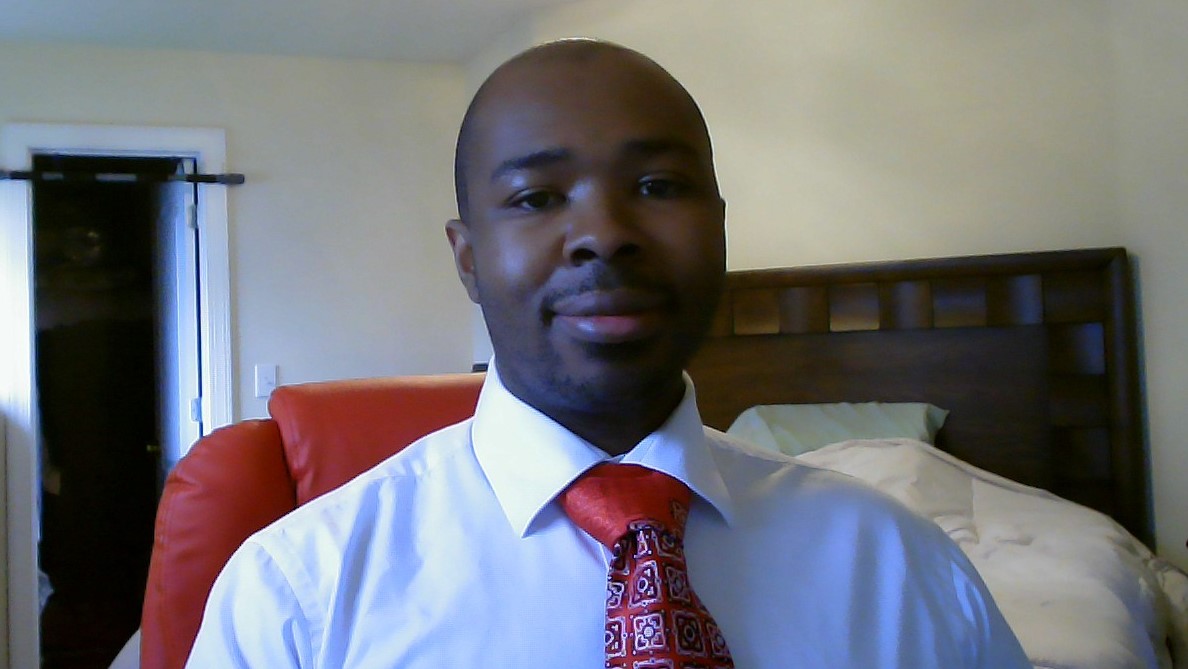
I have been coaching students to their best performance in math for seven years. I am fluent in all levels of math, primary, secondary, and freshman/sophomore university level. I am also fluent with the mathematics which one may find on the ACT, SAT, GRE, ASVAB, CLEP test and most standardized test. My background in Engineering also gives me a level of confidence with computer science and general sciences such as physics and chemistry. I have over a year of study in each myself. Overall, I have had much success working with students in various languages and levels of computer programming.
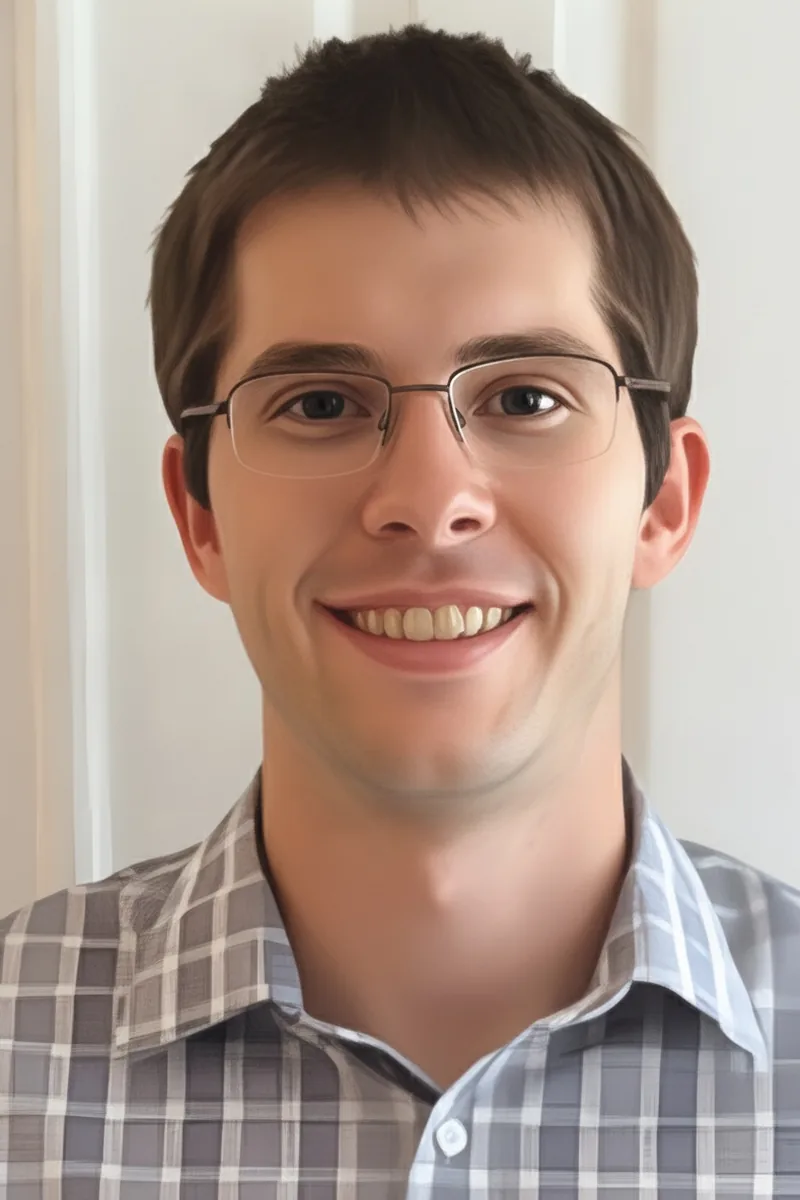
Daniel writes production software for a living and is pursuing a PhD in Computer Science, which means he can show students exactly how concepts like abstraction, algorithms, and data representation play out in real codebases — not just on slides. He's particularly effective at coaching the Create Task, walking students through project planning and the written responses that separate a 3 from a 5. Rated 5.0 by students.
Manideep's day-to-day at Northwestern splits between biology coursework and programming in Python for data analysis, which maps directly onto AP CSP's emphasis on how computing intersects with other fields. He teaches the algorithmic thinking and data representation concepts by tying them to problems he's actually solved — like modeling biological datasets — so the exam's Big Ideas feel grounded rather than abstract. Rated 5.0 by students.
Cindy doesn't come from a traditional CS background, but her 36 ACT and analytical training as a Harvard English student give her a sharp edge on AP CSP's most underestimated challenge: the written responses. The Create Task and exam both reward students who can explain computational ideas — abstraction, algorithms, data patterns — in clear, precise language, and that's exactly the skill set she brings to every session.
Kevin's Stanford Biocomputation research sits at the intersection of CS and biology, which means he can teach AP CSP's algorithmic thinking and data analysis concepts through real examples — like how machine learning models process biological datasets or how compression algorithms handle genomic sequences. He also brings hands-on Python and C++ fluency to the Create Task, coaching students through both the programming and the written explanation that the rubric demands. Rated 5.0 by students.
Daniel's electrical engineering coursework at Vanderbilt means he writes actual code in Java and works with hardware-software interfaces daily — background that makes the pseudocode and abstraction concepts in AP CSP click faster for students. He zeroes in on algorithm design and data representation, breaking down how binary encoding and compression work at the circuit level so the logic sticks. His 36 ACT composite speaks to the kind of structured, analytical thinking he brings to Create Task coaching and exam prep.
Nicholas codes in Java, Python, JavaScript, C#, and HTML/CSS daily — so when AP CSP asks students to reason about algorithms or data representation in pseudocode, he can instantly translate those abstractions into real programming scenarios that make the logic click. His Penn State CS degree also means he understands the networking and cybersecurity concepts woven through the course at a technical level most high schoolers never see. Rated 5.0 by students.
Nikitha earned her CS degree from Michigan writing actual code — which gives her a practical lens on AP CSP's more conceptual terrain, where students often stumble because the material feels too broad to pin down. She zeroes in on the impact-of-computing and cybersecurity threads that many tutors gloss over, tying them back to real design decisions she encountered in her own coursework. Rated 5.0 by students.
Computer engineering majors live inside the concepts AP CSP tests — binary representation, how the internet's layers talk to each other, the way abstraction turns messy problems into clean designs. Alfred studies exactly this at URI, so he can ground pseudocode questions and Create Task planning in the real engineering systems he's building in his own coursework. Rated 5.0 by students.
I am a current student at the University of Michigan. I am studying molecular biology in the school of literature, science, and the arts. I will graduate in 2025. I am most passionate about teaching SAT test material, because that was an area that I focused on and improved my own score to reach my goals. I am excited to teach both the english and the math sections. I teach using extensive practice problems and practice tests, because that is what helped me learn best and improve my relevant skills. In my spare time I like to workout, swim at the beach, and surf. I would love to work with you to achieve your goals!
Matthew codes in Java, C++, Python, and JavaScript — so when AP CSP asks students to reason about algorithms or explain how a program works in pseudocode, he can ground those abstractions in actual programming logic most students haven't seen yet. His Harvard math and CS coursework also means he's sharp on the data analysis and binary representation questions that trip up students who only studied the vocabulary. Rated 4.9 by students.
Kerr is currently building iOS apps and games as a CS major at Vanderbilt, which means the programming and design thinking in AP CSP's Create Task mirrors what he does every week. He teaches pseudocode logic and algorithm design by connecting them to real development decisions — like why a particular data structure speeds up a game or how abstraction keeps an app's codebase manageable. Rated 4.9 by students.
Samuel's applied math training at Caltech intersects directly with AP CSP's algorithm and data units — he can trace how a sorting algorithm's efficiency scales or why lossy compression works because he uses that math daily. He also taught a discrete mathematics course through PACT, which means pseudocode logic and combinatorial reasoning come naturally when prepping students for both the multiple-choice exam and the Create Task.
Testimonials
Because the right AP Computer Science Principles tutor makes all the difference.
Average Session Rating – Based on 3.4M Learner Ratings
Other Virginia Beach Tutors
Related Technology and Coding Tutors in Virginia Beach
Frequently Asked Questions
AP Computer Science Principles covers five big ideas: creative development, data, algorithms, programming, and impacts of computing. The course emphasizes computational thinking, problem-solving, and real-world applications rather than heavy programming syntax. For students in Virginia Beach, understanding this broader approach to computer science—which includes topics like cybersecurity, artificial intelligence, and data privacy—helps you see how computing shapes society while building practical coding skills.
The AP CSP exam has two components: a multiple-choice section (70% of your score) and the Create Performance Task (30% of your score). The multiple-choice portion tests conceptual understanding and problem-solving across all five big ideas, while the Create Task requires you to design and code a program, document your process, and reflect on your work. Many students find the Create Task the most challenging part since it requires sustained effort over several weeks and careful documentation of your creative process.
Students often struggle with three key areas: translating algorithmic thinking into actual code, managing the Create Performance Task timeline and requirements, and understanding how computing concepts connect to real-world impacts. The course demands both technical skills and the ability to communicate your thinking clearly in writing and code comments. Personalized tutoring helps you identify which specific concepts (like loops, conditionals, or data representation) need more practice and develop strategies to tackle the performance task methodically.
Score improvement depends on your starting point and commitment level, but students typically see meaningful gains by focusing on their weakest areas. If you're struggling with algorithmic thinking, targeted practice with tutors can help you understand problem-solving patterns. If your Create Task is holding you back, working through the documentation and reflection process with expert guidance often leads to significant score increases. Most importantly, consistent practice with feedback—whether on multiple-choice questions or task submissions—builds confidence and competence.
The Create Task is a major component of your AP CSP score, and many students feel uncertain about meeting all the requirements. Tutors can help you choose a meaningful project idea, break down the coding process into manageable steps, and ensure your documentation clearly explains your algorithm and program design. They can also review your written reflections to make sure you're addressing the scoring rubric requirements—like explaining how your program uses abstraction or discussing the impact of computing in your project context.
Ideally, you should begin focused exam preparation 8-10 weeks before the May test date, though this depends on your comfort level with the material. If you're taking the course for the first time or feeling behind, starting tutoring earlier in the school year helps you build a strong foundation in algorithmic thinking and programming concepts. The Create Task typically needs to be completed by early April, so planning your tutoring schedule around that deadline ensures you have expert guidance when you need it most.
Look for tutors with strong experience in both the technical content (programming, algorithms, data structures) and the AP CSP exam format, including the Create Task requirements. The best tutors can explain abstract concepts like abstraction and algorithms in ways that click for you, and they understand how to guide you through the performance task without just giving you answers. Varsity Tutors connects you with expert tutors who have proven success helping students master AP CSP and can tailor their approach to your learning style.
Your first session is focused on understanding where you are right now. A tutor will discuss which topics feel solid and which ones need work, review your current grade or recent assessments, and learn about your goals—whether that's reaching a specific score or building confidence in coding. From there, you'll develop a personalized plan that targets your weak areas and prepares you for the exam format. This might include practice with multiple-choice questions, working through coding challenges, or getting feedback on your Create Task project idea.
Let’s find your perfect tutor
Answer a few quick questions. We’ll recommend the right plan and match you with a top 5% tutor.